REVIEW · SEOUL
Seoul: Guided Small Group V.I.P Morning Pedicab Tour
Book on GetYourGuide →Operated by We Ride Korea · Bookable on GetYourGuide
Pedicabs make Old Town feel manageable. This small-group VIP ride strings together Cheonggyecheon, Gwanghwamun, Gyeongbokgung, Blue House viewing areas, Bukchon, and Jogyesa—while you get photo stops and guide-led explanations along the way. The trade-off: you’re moving on pretty quickly at each stop, so it can feel a bit short if you like to linger.
I like how the tour mixes big-name sights with quieter streets and preserved neighborhoods, then balances it with a traditional market food break. I also like the comfort touches—Wi-Fi, a power bank, and a blanket in your VIP rickshaw—so you can focus on sightseeing instead of logistics. Still, this is built for an efficient morning loop, not a slow crawl.
If you’re visiting Seoul for the first time, this is a strong way to get your bearings fast and learn what you’re looking at without hunting for directions.
In This Review
- Key things you’ll notice on this tour
- VIP pedicabs and a 3-hour plan that actually works
- Getting started at We Ride Korea in Jongno
- Cheonggyecheon: a calm first step into the city
- Gwanghwamun Gate and West Village streets
- Gyeongbokgung: grand architecture with guided context
- Seochon Hanok Village: quieter lanes, preserved feel
- Tongin Traditional Market: food tasting with real structure
- A short stop between big sites: the value of the “in-between” moment
- Blue House area: seeing the symbol, not just the view
- Bukchon Hanok Village: on hills, with photo-ready viewpoints
- Jogyesa Temple: quiet calm plus a simple history lesson
- Riding into the finish: you leave with a mental map
- Comfort, Wi-Fi, and the small-group factor you’ll feel
- Price: what $219 per group buys you
- Who this tour is best for
- Should you book this VIP morning pedicab tour?
- FAQ
- How long is the Seoul VIP morning pedicab tour?
- What’s included in the price?
- How many people are in the small group?
- Do we stop for food during the tour?
- Where do I meet the guide?
- Is it suitable if I have mobility issues?
Key things you’ll notice on this tour
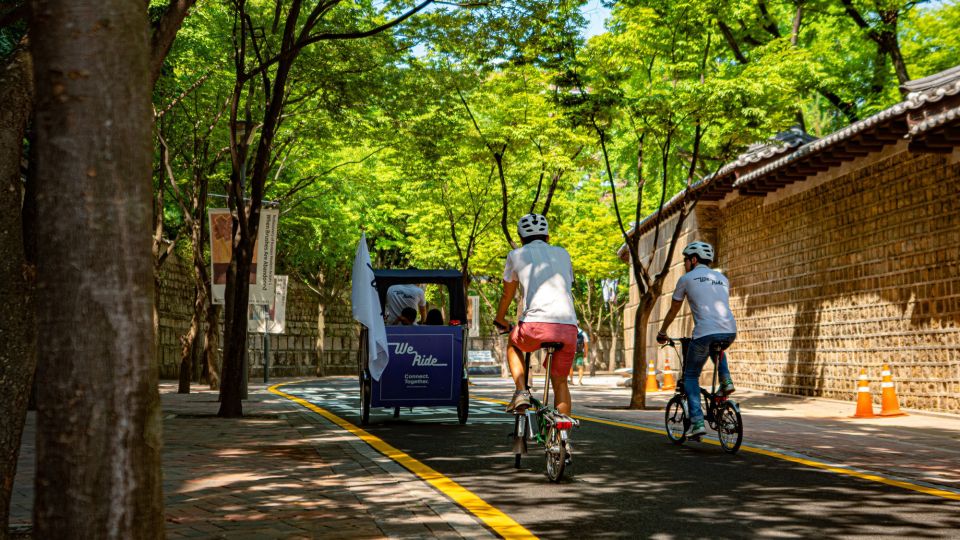
- VIP pedicab comfort: Wi-Fi, power bank, and a blanket, plus a professional guide with you the whole time
- Photo stops with context at major landmarks, so pictures come with real meaning
- Old Town highlights in one loop: Cheonggyecheon → Gwanghwamun → Gyeongbokgung → Bukchon → Jogyesa
- Traditional market time with guided street-food tasting at Tongin Traditional Market
- Small group size limited to 3 participants, which keeps the pace focused and the questions flowing
- Weather-friendly planning with notes on what happens in extreme conditions
VIP pedicabs and a 3-hour plan that actually works
Seoul can be a lot, fast. The streets are great, but older neighborhoods plus crowds plus hills can make your morning feel like a scavenger hunt. This tour is designed to solve that problem with a brand-new e-rickshaw (or you can ride your own bike), driven by a professional guide/driver, plus a tight route that hits the places most first-timers want.
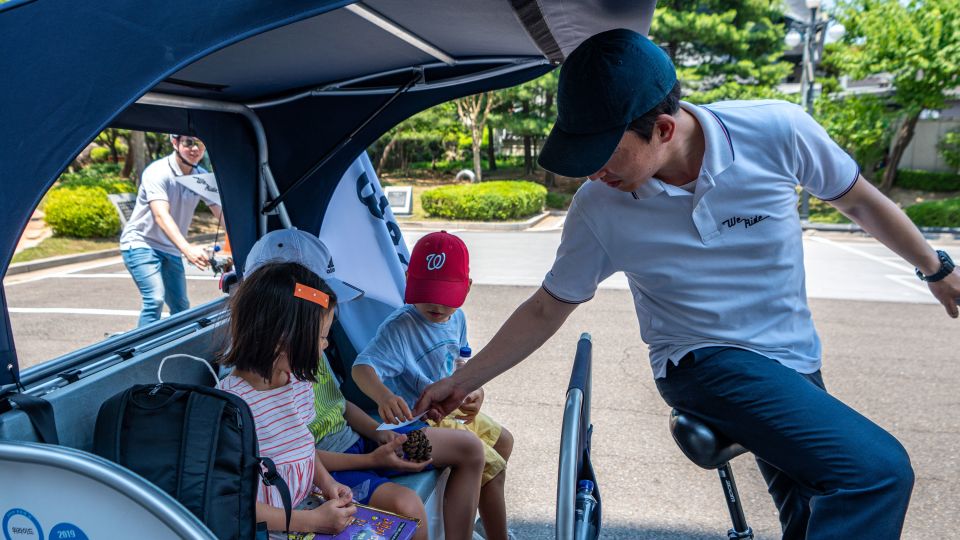
The value is not just that you see famous sites. It’s that you get short, structured time at each one with someone explaining what you’re looking at. You’ll also get set up to enjoy the ride comfortably—Wi-Fi, a power bank, water, and a blanket in your VIP pedicab. That matters because it keeps the tour from feeling like you’re constantly stopping, charging your phone, or figuring out where to stand for a good view.
One more practical point: this is limited to 3 participants. That small size changes how the tour feels. You’re not trying to hear over a crowd, and it’s easier to ask questions or ask for a specific photo angle.
You can also read our reviews of more guided tours in Seoul
Getting started at We Ride Korea in Jongno
You meet at We Ride Korea inside the Le Meiller Jongno Town building (2nd floor). It’s on Jong-ro Boulevard in the center of the old city, between Jonggak Station (Line 1, Exit 1) and Gwanghwamun Station (Line 5, Exit 4). The directions are straightforward once you’re on Jong-ro: walk until you see a statue of a man on a horse, then enter the building through the big glass doors with the number 19 above.
Plan to arrive 20–30 minutes early. There’s a short safety briefing at the start (10 minutes), and you’ll want time to get settled and ready before rolling out.
You’ll be reminded to wear comfortable shoes. Helmets are optional, but if you’re the type who likes extra peace of mind, it’s worth using one if they offer it to you.
Cheonggyecheon: a calm first step into the city
Your tour starts by heading toward Cheonggyecheon. This is a smart opening stop because it sets a gentler tone before you climb into the heavier landmark zone. Expect a guided look and sightseeing time, with a short bike-tour style segment included.
What I like about starting here: it helps you shift from transit-mode brain into sightseeing-mode brain. You also get a chance to see how the tour moves—quick enough to stay on schedule, slow enough to take in the surroundings.
If you’re a “I need one photo that proves I was there” person, this is a good place to start your camera rhythm. The guide can steer you toward spots that actually make sense for photos, rather than taking random shots while you’re still figuring out the area.
Gwanghwamun Gate and West Village streets
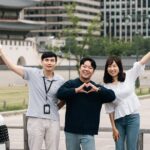
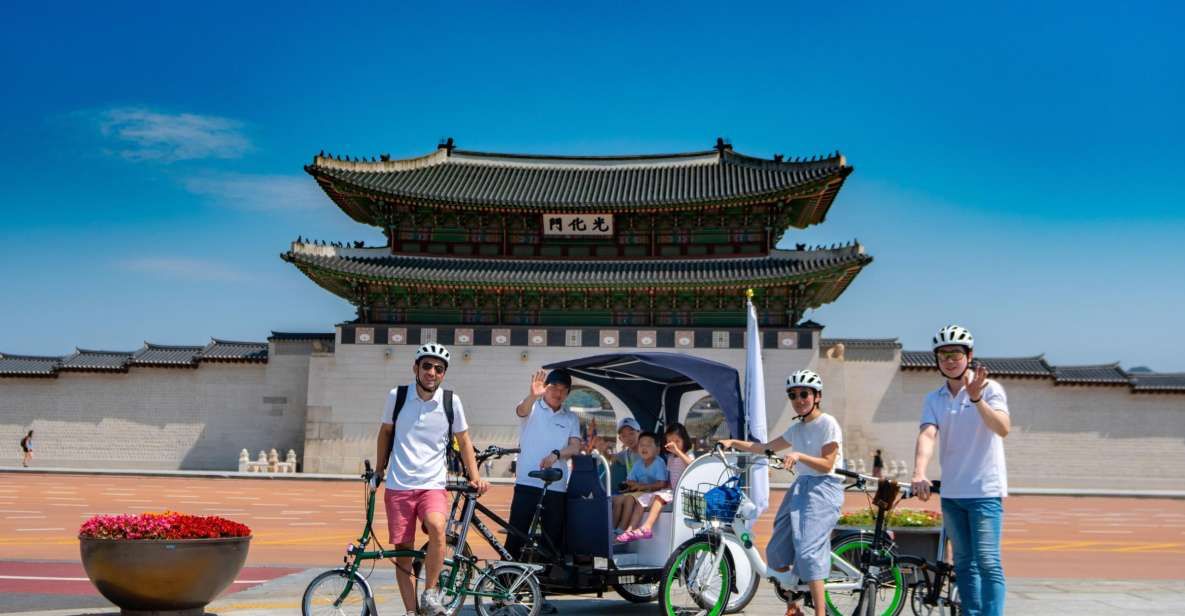
Next comes Gwanghwamun, with a short photo stop and guided explanation. The tour keeps the timing tight here (about 10 minutes), but the point is to connect the gate’s significance with what you’ll see around it.
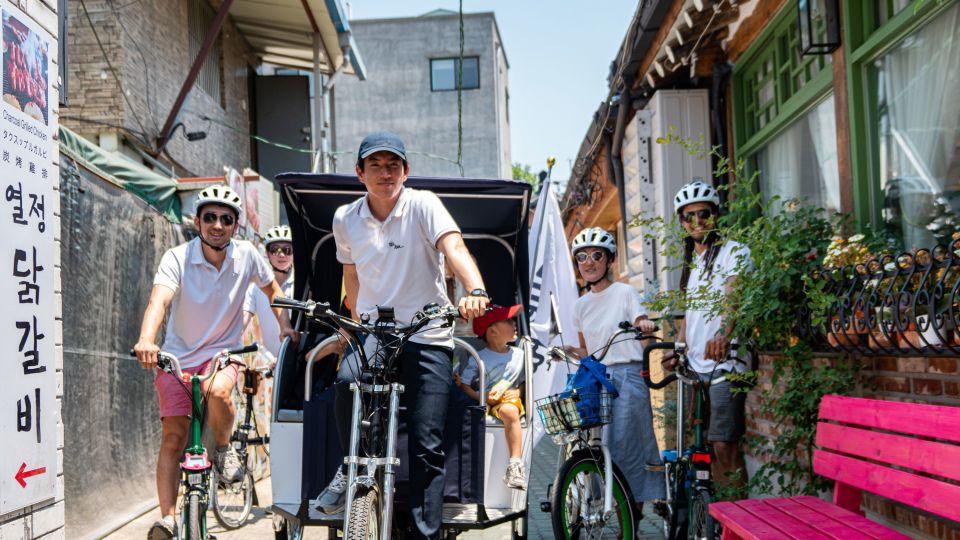
After that, you head toward the West Village area. This part works well if you like Seoul at pedestrian pace. You’ll get quiet streets and a traditional market atmosphere, which is a different feel from the main landmark corridors.
Practical advice: if you’re planning to buy snacks later, it’s worth skipping the urge to snack right away. The schedule builds toward a bigger traditional market tasting, so you’ll likely enjoy that more than a random bite taken too early.
Gyeongbokgung: grand architecture with guided context
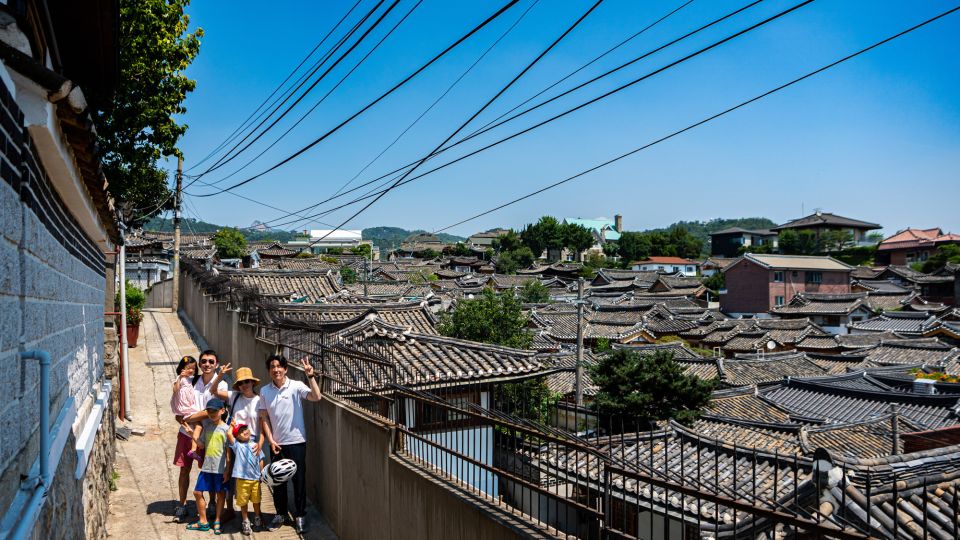
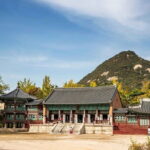
Gyeongbokgung is the kind of place where you can look around and think you’re getting it… until a guide explains the pattern, the layout, and what to notice first. This stop includes a photo stop plus guided time, and it’s paired with bike-tour viewing time too.
Even in short windows, the guide-led approach helps you read the space better. You’re not just passing by a large palace complex; you’re learning what makes it stand out architecturally and how it fits into the wider Old Town story.
A quick note on pacing: if you’re hoping for hours inside the palace grounds, this isn’t that kind of tour. The advantage here is momentum—you’ll leave with a strong sense of the landmark, then keep moving to other areas where you can compare styles and neighborhoods.
You can also read our reviews of more tours and experiences in Seoul
Seochon Hanok Village: quieter lanes, preserved feel
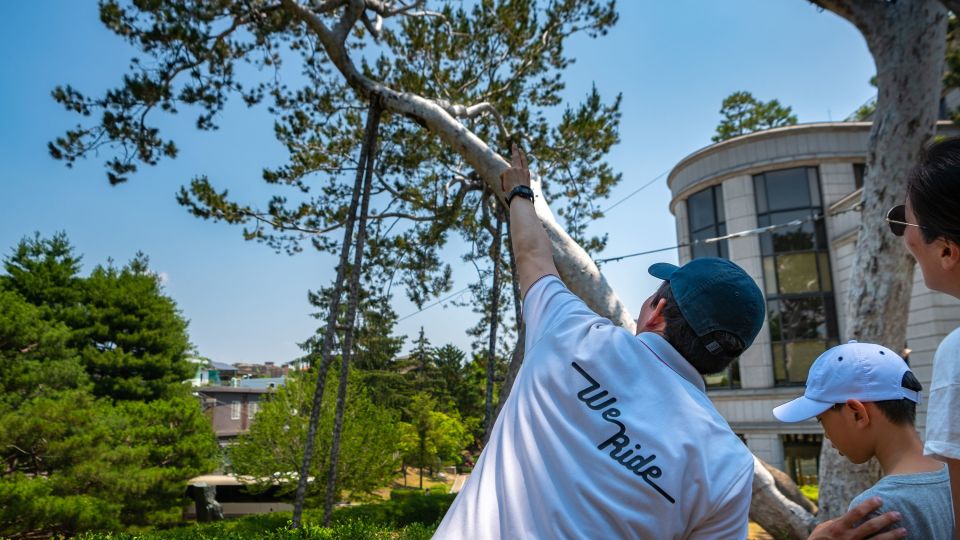
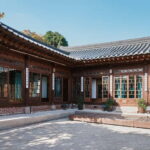
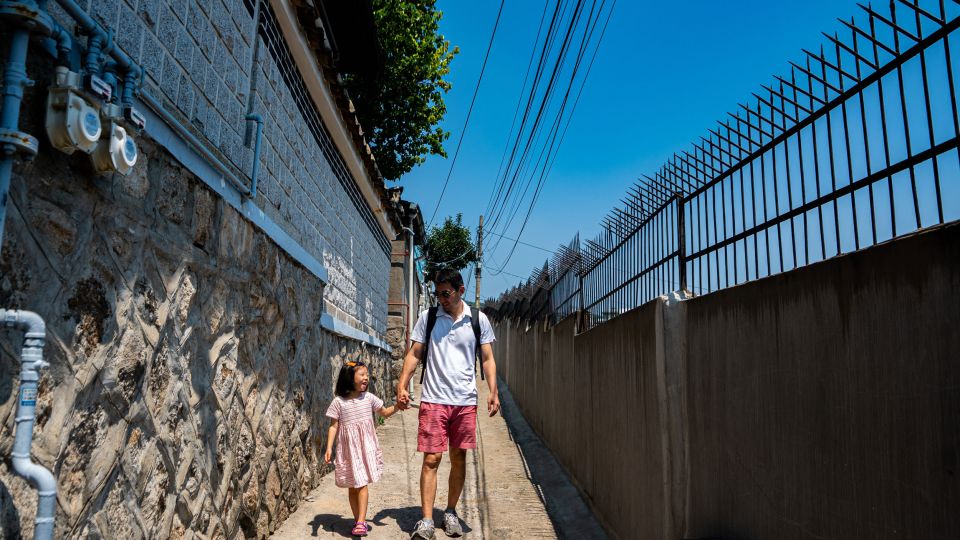
After Gyeongbokgung, you’ll move into Seochon Hanok Village for guided sightseeing. This is where the tour starts to feel more like a neighborhood walk than a landmark sprint. You get about 30 minutes here, which is a meaningful chunk of time in a three-hour experience.
What I find valuable about Seochon in particular is how it gives you a preserved-housing feel without you having to plan it all yourself. The guide can point out what matters visually in the Korean-style streets and homes, and you’ll get time to slow down just enough to take photos and notice details.
If you like street-level travel—small corners, changing views, and atmospheric blocks—this is one of the stops that makes the tour feel worth doing instead of choosing only the famous sites.
Tongin Traditional Market: food tasting with real structure
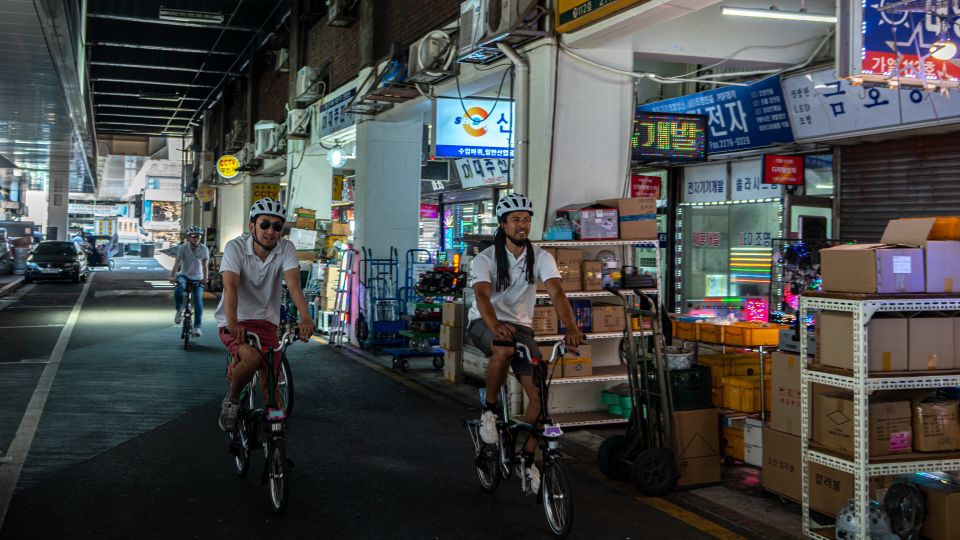
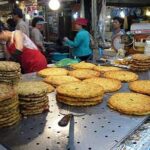
Then comes the part that makes this tour more than a sightseeing loop: Tongin Traditional Market. You’ll have a photo stop, then street food time with guided tour and food tasting included, plus some free time for exploring.
Market breaks are where small-group tours shine. With a guide, you’re not stuck guessing what to try or when to move. The schedule also gives you enough breathing room to try a few items without feeling rushed.
Also, the guide’s explanations matter here. When someone points out what a dish represents or what to look for in how it’s served, you actually remember the food, not just the taste.
If you have dietary restrictions, check with the provider before the tour starts. The data you have here confirms tastings and regional food time, but it doesn’t spell out options.
A short stop between big sites: the value of the “in-between” moment
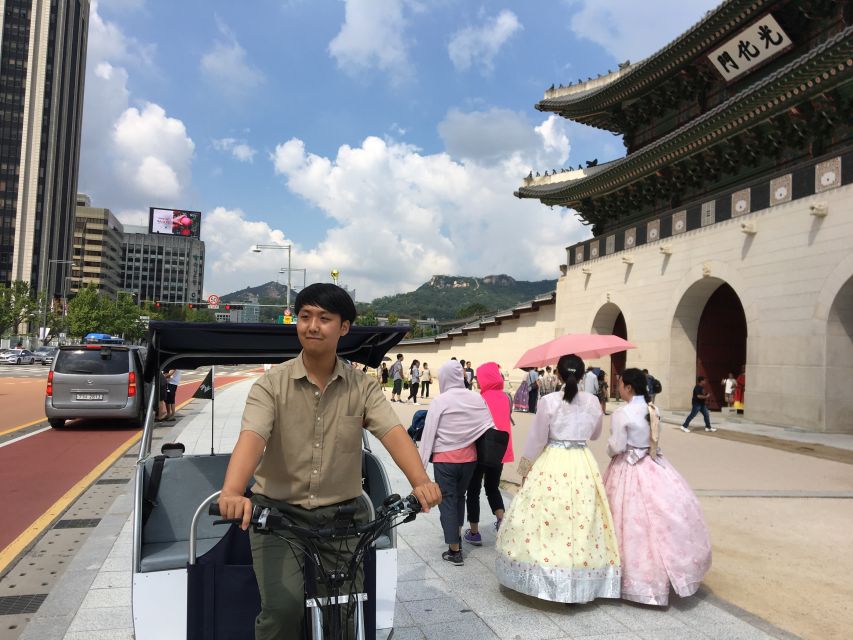
After the market, you’ll head to a lesser-known stop on the route. It includes guided time and a bit of free time that can include shopping and sightseeing (about 10 minutes).
This kind of “in-between” stop is easy to undervalue. Don’t. These short segments often give you a better sense of daily life and help connect the bigger dots between landmarks. It can also be a chance to pick up a small souvenir without turning the tour into a shopping errand.
Blue House area: seeing the symbol, not just the view
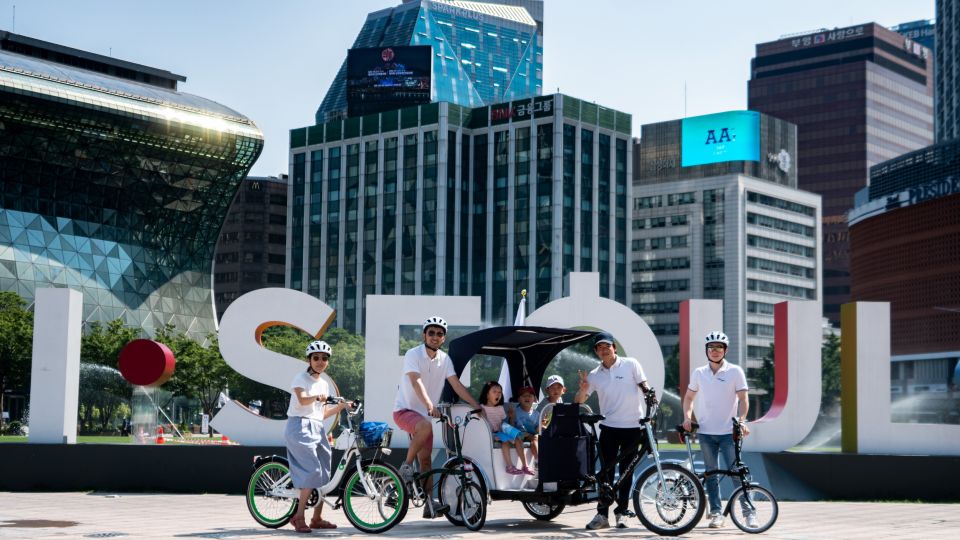
Next up: the Blue House, with guided time, sightseeing, and a short riding segment (about 10 minutes). Even if you know Seoul’s political landmarks from headlines, standing there (even from permitted viewing areas) is different than reading about it.
Why it works in a tour like this: your guide can add perspective so you understand what the place represents in the broader story of modern Korea, while you still have time to keep going to the next neighborhood.
One practical reminder: expect a short window. You’ll get photos and explanations, then the ride continues. If you’re the kind of person who likes to spend a long time at a single spot, you might feel the time crunch here.
Bukchon Hanok Village: on hills, with photo-ready viewpoints
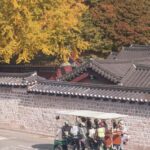
Bukchon Hanok Village is next, and it includes a photo stop, guided time, and sightseeing plus a bike-tour viewing segment. You’ll get about 30 minutes total here, which is generous compared with the landmark stops.
The route matters, too. The ride up the hills is part of the experience, and it changes the way you see the village. From elevated angles, the preserved-housing layout becomes easier to understand, and your photos are more likely to capture the neighborhood’s shape rather than just one facade.
If you want to come away with a strong set of photos and a sense of how the streets connect, this is a highlight. Pair that with the guide’s ability to point out what to notice, and the time stretches further than you might expect.
Jogyesa Temple: quiet calm plus a simple history lesson
The final major stop is Jogyesa Temple. You’ll get a photo stop and guided sightseeing, with about 10 minutes total.
This is where the tour adds a calmer tone after the palace and village pacing. Your guide shares a brief history of Buddhism in Korea, and then you take in the calm at the temple itself.
Even if you’re not a deep-into-religion traveler, this stop can be surprisingly helpful. It gives context for what you’re seeing and makes the visit feel grounded rather than like you’re just taking another stop photo.
Riding into the finish: you leave with a mental map
Toward the end, you’ll return to the Seoul area included in the tour and then go back to the meeting point at We Ride Korea.
The best part about tours with a tight loop is the mental mapping effect. By the time you’re done, you usually understand how Old Town sections relate to each other—streams, gates, palace zone, preserved neighborhoods, then temples. That helps a lot if you plan to explore on your own later.
Comfort, Wi-Fi, and the small-group factor you’ll feel
A lot of tours say they’re “comfortable.” This one backs it up with specific add-ons: Wi-Fi, a power bank, a blanket in your VIP rickshaw, and bottled water. Those little things matter more than people think, especially on mornings when you’re walking elsewhere later and still need phone battery and data.
The Wi-Fi also makes it easier to share photos right away or check your next plans, rather than saving everything for nighttime.
The small group limit (up to 3 participants) keeps the experience from feeling crowded and also helps the guide maintain a rhythm that works for the whole group. You can ask questions without waiting for the guide to break away from a long line.
Price: what $219 per group buys you
At $219 per group (up to 3 people), this isn’t a budget-style “hop on, hop off” tour. But it is priced like a private-use experience for a small group, including a rickshaw, professional guide/driver, water, insurance, and the comfort extras like Wi-Fi and power bank.
Here’s how to judge value:
- If you’re traveling as a pair or with a child, splitting the cost makes it feel more reasonable.
- If you want to cover many top sights in a short morning without wrestling with directions and transport, the guide-driven route saves time and effort.
- If you care about photo stops and explanation, you’re paying for interpretation, not only transportation.
If you’re a solo traveler, it may feel more expensive because the price is tied to the group/pedicab setup rather than per-person sightseeing.
Who this tour is best for
This tour is a strong fit if you:
- Want Old Town highlights without doing route planning yourself
- Prefer small groups and guided photo stops
- Like food breaks with structure, not just wandering
- Want a comfortable morning ride with Wi-Fi and power support
It’s a weaker fit if you:
- Want lots of time inside each site
- Plan to treat the tour as a slow, lingering walk
- Need mobility support. The details provided include notes about wheelchair accessibility, yet also say it’s not suitable for people with mobility impairments, so you should ask the provider directly before booking.
Should you book this VIP morning pedicab tour?
Book it if you want a fast, high-utility Seoul morning where you cover major landmarks and also get a meaningful neighborhood and market experience. The combination of photo stops, guided context, and the traditional market tasting is the part you’ll feel most after the tour ends.
Skip it if you’re the type who wants long stays at one place. This tour is efficient by design, and a couple of stops can feel short if your goal is deep time at each site.
If you’re making one “guided Old Town” decision for your first visit, this is a solid choice—especially for couples and small families who want comfort and a clean route with a guide’s help.
FAQ
How long is the Seoul VIP morning pedicab tour?
The tour lasts about 3 hours.
What’s included in the price?
It includes the rickshaw/pedicab, a professional local guide, bottled water, Wi-Fi plus a power bank during the ride, optional safety helmet, and insurance.
How many people are in the small group?
The tour is limited to 3 participants.
Do we stop for food during the tour?
Yes. There is a stop at Tongin Traditional Market with street food, food tasting, and time at the food market.
Where do I meet the guide?
You meet at We Ride Korea on the 2nd floor of the Le Meiller Jongno Town building on Jong-ro Boulevard, between Jonggak Station (Line 1, Exit 1) and Gwanghwamun Station (Line 5, Exit 4).
Is it suitable if I have mobility issues?
The info you have lists wheelchair accessibility, but it also states it is not suitable for people with mobility impairments. If that applies to you, it’s best to contact the provider to confirm fit and options before booking.