REVIEW · SEOUL
Seoul: Half-Day DMZ Tour Led by a Retired Military Officer
Book on GetYourGuide →Operated by PLK Travel Inc. · Bookable on GetYourGuide
The Korean DMZ hits you in real life. This half-day tour from Seoul brings retired military officers to your coach and gives you their take on the divide, not just textbook facts. You’ll visit front-line observatories, key DMZ landmarks, and the 3rd Infiltration Tunnel, then finish back in Seoul mid-afternoon.
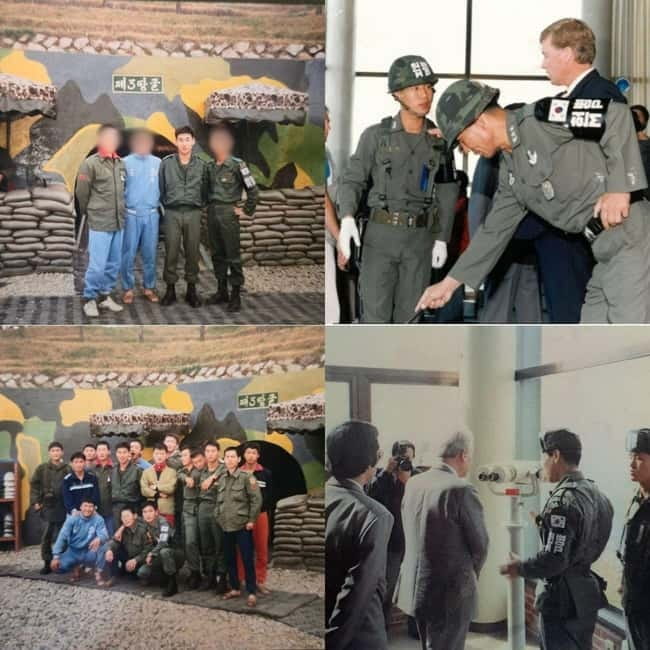
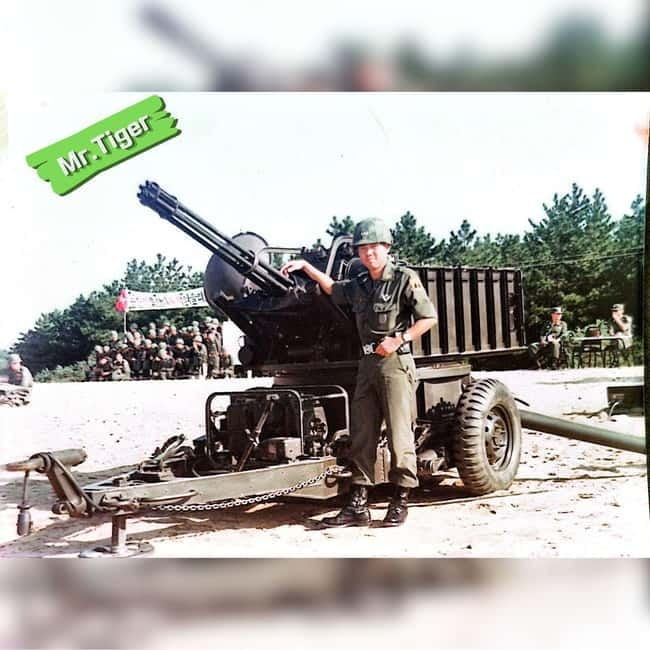
What I like most is the direct, soldier-to-soldier storytelling. Instead of a scripted slide show, guides such as Agent SJ (Special Forces Major, Iraq veteran), Agent Tiger (former artillery commander), and Agent Eddie (infiltration tunnel expert) answer the questions you actually have—how it feels on the ground, what they expected, and what surprised them. The other big win is the hands-on stops: especially the 3rd Infiltration Tunnel, which is where history becomes physical.
One thing to consider: the DMZ is a military area. If it closes suddenly, you may get an alternative tour, but the day can change—and you must have a valid passport to get in.
In This Review
- Key points before you go
- A half-day DMZ tour led by retired officers
- Who you might meet (the guide team)
- Odusan vs Dora: how the tour chases the clearest view
- What you should expect at the observatory
- The DMZ landmarks tour: symbols of division and hope
- Listening matters here
- Walking the 3rd Infiltration Tunnel: history you feel in your legs
- Be ready for the effort
- Imjingak Park, Freedom Bridge, and Mangbaedan: the emotional endgame
- Why this section hits
- Price and logistics: is $57 good value?
- Why this price can be a bargain
- Timing reality check
- Who this DMZ tour suits best (and who should skip)
- Should you book this DMZ tour?
- FAQ
- How long is the DMZ tour?
- Where does the tour start and where do I get dropped off?
- Do I need a passport?
- What should I wear or bring?
- Is lunch included?
- Is hotel pickup available?
- What happens if the DMZ is closed suddenly?
- Is the War Memorial of Korea included?
Key points before you go

- Real ex-military officers as guides (SJ, Tiger, Eddie, Jason) with stories from service, not secondhand summaries
- Best North Korea view decided on the day using real-time checks between Odusan and Dora observatories
- 3rd Infiltration Tunnel walk with a real workout factor and tight crouching sections
- DMZ landmarks built around meaning, with stops like Unification Village, Imjingak, and Freedom Bridge areas
- Afternoon War Memorial of Korea only on private option, in Yongsan
- Comfort and pacing matter: coach is comfortable, stops are managed, and timing often lands you back by mid-afternoon
A half-day DMZ tour led by retired officers

A normal DMZ tour feels like history class with a bus ticket. This one feels closer to a briefing. You ride out from Seoul with a guide who served in the system, then you move through the same kinds of locations that shaped decisions for decades. It’s still respectful and tour-focused, but the perspective is different.
That comes through in two practical ways. First, you get a guide who can explain what you’re looking at while answering follow-up questions. Second, the stops aren’t just photo points. They’re tied to how people lived with uncertainty—what they watched, what they feared, and what hope looked like, even while the line stayed frozen.
You can also read our reviews of more tours and experiences in Seoul
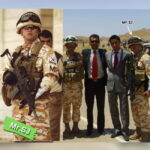


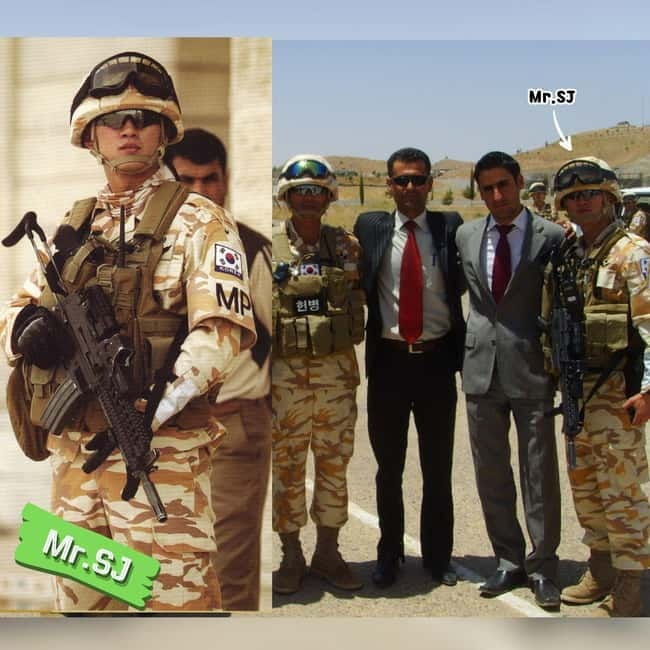
Who you might meet (the guide team)
The tour runs in English with one of several retired military-background guides. Based on the guide descriptions, you’ll meet someone from this group:
- Agent SJ: Special Forces Major and Iraq veteran (707 Special Mission Battalion)
- Agent Tiger: former artillery battalion commander with front-line service
- Agent Eddie: infiltration tunnel expert, also a DMZ briefer to US and Korean top personnel
- Agent Jason: 31-year ROK intelligence officer, retired as a Lieutenant Colonel
In practice, the most praised part of the day is how each guide turns background into clear, human-scale stories—plus a good sense of humor on the coach without making light of what happened.
Odusan vs Dora: how the tour chases the clearest view
DMZ tours often promise North Korea views. This one tries to actually deliver the best day’s visibility.
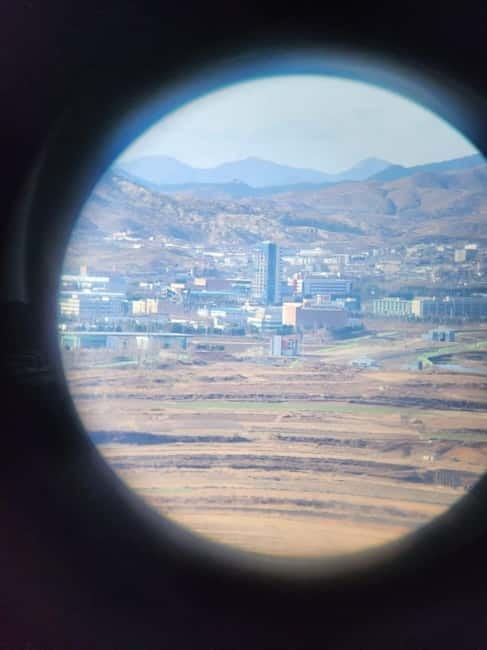
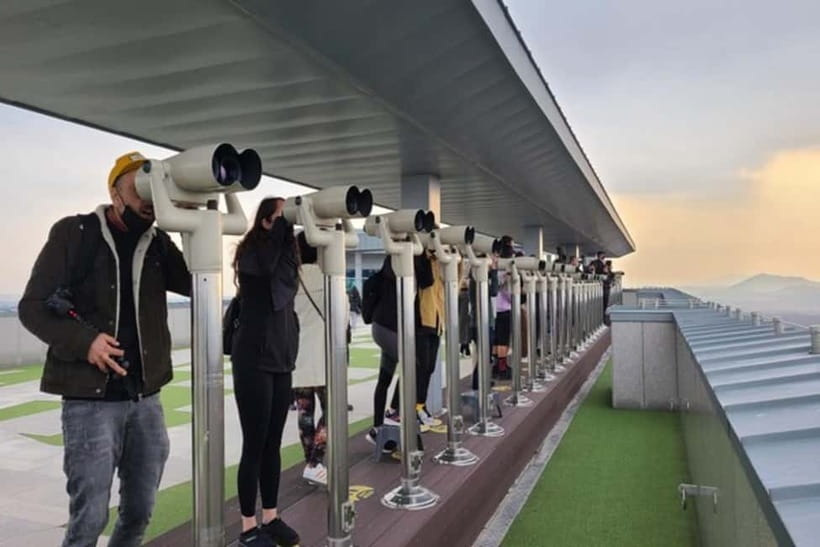
On tour day, you determine which observatory—Odusan or Dora—offers the clearest line of sight. The guide team uses real-time checks involving security camera research and coordination with local observatory staff. That matters because visibility changes fast with weather, cold air, haze, and even the angle of the day.
The schedule typically builds in time for observatory stops (about an hour each on the itinerary), but the key idea is that you’re not simply rotating through locations regardless of conditions. You’re aiming for the cleanest view possible.
What you should expect at the observatory
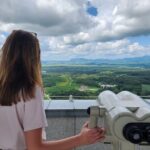
You’ll spend time looking toward North Korea from these DMZ observatories. If weather cooperates, you’ll have better chances to spot activity and landmarks. One review mentioned using binoculars, which fits the usual reality of how these viewpoints are used—so if binocular time is offered on your day, take it seriously.
Practical tip: clear days are a big deal here. If you can choose between tour dates, pick the clearest one you can manage.
The DMZ landmarks tour: symbols of division and hope

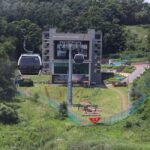
After the observatories, you move into the DMZ guided section (about 2.5 hours on the plan). This is where the tour earns its emotional weight—because you’re not just learning dates. You’re seeing how the peninsula’s split became geography and routine.
Expect a guided circuit that includes major landmarks tied to the Korean War and the ongoing “armistice, not peace” reality. The highlights named in the tour include places like:
- Unification Village (as a living symbol of division and the longing to reconnect)
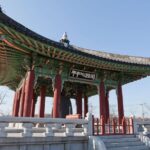
- Imjingak Park area (the atmosphere around reconciliation-focused sites)
Even when you already know the basic timeline, the on-the-ground context tends to hit differently. You’re standing where people once tried to make sense of threat levels, communication gaps, and the daily logic of separation.



Listening matters here
The best part of this segment isn’t a single monument. It’s the way your guide connects what you’re seeing to what soldiers and intelligence officers had to judge under pressure. In the tour storytelling, you’ll hear about tension, hope, and what peace attempts looked like when the border still felt armed.
If you like asking questions, this is your moment. The guides are used to fielding curiosity—everything from what they expected to what they witnessed over time.
Walking the 3rd Infiltration Tunnel: history you feel in your legs
The 3rd Infiltration Tunnel is the star stop for a reason. It’s one thing to read about it. It’s another to move through the physical space that people built for infiltration and aggression.
You’ll enter the tunnel on a walking tour (included), and the guide explains it as an infiltration/invasion asset rather than a romantic escape story. Your guide team also brings in personal context; Agent Eddie is specifically described as the infiltration tunnel expert and DMZ briefer to top personnel, and the tour framing often leans on that kind of operational explanation.
Be ready for the effort
This is where you should be honest with yourself. Reviews repeatedly mention that the tunnel walk is a workout:
- You’ll do up-and-down walking inside and outside.
- You’ll need to crouch through a lot of the route.
- Comfortable footwear is not optional.
If steep climbs or long crouching are hard for you, consider whether you should do this stop on your day. The tour is still worth it without perfect tunnel fitness—because the observatories and DMZ landmarks are already powerful—but the tunnel is where the day becomes unforgettable for most people.
Practical tip: wear shoes that grip well and keep you stable. Dress for cold conditions even if Seoul feels manageable; DMZ areas can be noticeably chilly.
Imjingak Park, Freedom Bridge, and Mangbaedan: the emotional endgame
After the DMZ area, the itinerary shifts from border defense to reconciliation symbols. This is a quieter kind of impact, but it doesn’t feel soft. It feels like the peninsula’s emotional math: pain on one side, the idea of return on the other.
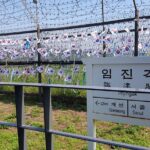
On the route you’ll visit the Imjingak area and then move through additional nearby stops, including:
- Mangbaedan altar area
- Freedom Bridge area
You’ll also pass key Imjingak sights like the Bridge of Freedom area, a steam locomotive, and the mangbaedan altar depending on your exact pickup route and day flow. The guide ties these places back to human stories—separated families, reunification efforts, and the unresolved tension that still shapes life.
Why this section hits
The observatories show the border as a line. Imjingak and Freedom Bridge show it as a wound and a hope. When your guide connects the physical places to the emotional stakes, the tour stops feeling like geopolitics and starts feeling like people.
If you only take one lesson from this half-day, let it be this: the DMZ isn’t only a military facility. It’s also where waiting has a location.
Price and logistics: is $57 good value?
At $57 per person for a ~6-hour half-day, the value depends on what you want out of a DMZ visit.
Here’s what’s included:
- Guide
- Roundtrip transfer from Seoul
- Admission fees to the DMZ
- Walking tour in the 3rd Tunnel
Lunch is not included, and there’s no traveler insurance included. That’s normal for tours like this, but plan for it: bring snacks if you get hungry easily, and hydrate well before you head into tunnel time.
Why this price can be a bargain
DMZ access is controlled and costs money in logistics, permissions, and staffing. What makes this option stand out is the guide lineup: retired military officers with operational background and the tunnel expert role. For many people, that kind of explanation is what turns a basic DMZ visit into a real education.
Timing reality check
The tour is built to bring you back in the mid-afternoon (expected drop-off times are roughly 14:00–15:00 depending on where you start). Still, traffic, weather, and military permission timing can shift the day. Also note:
- You’ll need a passport.
- Luggage or large bags aren’t allowed.
- Mobility impairments may make it difficult.
- The DMZ can close suddenly; an alternative tour may be provided without refunds if that happens.
So treat this as a “do it if you can” experience, not a guaranteed checklist.
Who this DMZ tour suits best (and who should skip)
This tour is a strong fit if you want:
- A guide with real-world service context who can answer hard questions
- A route that mixes viewpoints, landmarks, and the tunnel in one efficient morning/early afternoon
- A tour that feels safe and respectful while still being direct
It’s less ideal if you:
- Have mobility limits that make tunnel crouching or uneven walking hard
- Want a completely low-effort, minimal-walking day
Families can still do it. One review mentioned kids ages 13 and 15 finding the history engaging with a good guide, but tunnel suitability is the big divider.
If you’re traveling solo, you’ll still benefit from the guide’s Q&A style. If you’re with friends or family, this is one of those days where the discussion keeps going long after you get back to Seoul.
Should you book this DMZ tour?
I’d book it if your priority is an authentic, real-operator explanation of what you’re seeing—especially the chance to walk the 3rd Infiltration Tunnel and compare Odusan and Dora under the day’s visibility conditions.
Skip—or at least reconsider the tunnel—if mobility is an issue for you or if you hate crouching and steep, slippery walking. Also pick your date with weather in mind if you can. Clear visibility is the difference between a vague view and a sharper one.
If you want the DMZ as a guided human story, not just landmarks, this half-day format is an efficient way to get there.
FAQ

How long is the DMZ tour?
The tour duration is listed as about 6 hours.
Where does the tour start and where do I get dropped off?
The meeting point and drop-off locations depend on the option you book. Expected drop-off times are around 14:00–15:00, and drop-off can change due to traffic, weather, or military permission timing.
Do I need a passport?
Yes. You must bring a valid passport to access the DMZ.
What should I wear or bring?
Bring comfortable shoes and your passport. The tour involves walking, including in the 3rd Infiltration Tunnel.
Is lunch included?
No. Lunch is not included.
Is hotel pickup available?
Pickup is optional in the Seoul area. For groups of 10 or more, free hotel pick-up is included.
What happens if the DMZ is closed suddenly?
The DMZ might close without notice. If this happens, an alternative tour may be provided, but there are no refunds offered.
Is the War Memorial of Korea included?
It’s only included in the private option, in the afternoon in Yongsan.