REVIEW · SEOUL
Seoul Highlights: Gyeongbok Palace, Insadong & N Seoul Tower
Book on GetYourGuide →Operated by VIP Travel · Bookable on GetYourGuide
Seoul goes vertical and historic fast. This tour stacks big names—Gyeongbokgung Palace and N Seoul Tower—into one organized day. I especially like how the schedule connects royal sites, traditional neighborhoods, and city views without you having to play transportation chess.
Two things I really love: the way the guide handles timing around the changing of the guard and palace entry, and the free time you get in Insadong to do lunch your way (tea houses, artisan shops, and people-watching). I also liked how guides like Kelley, Emily, and Moon showed where to stand for photos before crowds thicken.
One consideration: it’s a lot of walking in palaces, markets, and village lanes, so it can feel brisk if you’re sensitive to steps or crowds. Also, N Seoul Tower’s observatory ticket isn’t included, so plan to pay for that option on-site.
In This Review
- Key highlights worth your time
- A fast way to see Seoul’s royal core and skyline
- Jogyesa Temple and the Changing of the Guard at Gwanghwamun
- Gyeongbokgung Palace and the National Folk Museum
- Insadong free time: tea houses, crafts, and choosing your own lunch
- Gwangjang Market for street-food energy (and how not to overcommit)
- Namsangol Hanok Village: a calm reset in the middle of Seoul
- N Seoul Tower and the cable car: city views you can’t fake
- Price and what $26 really buys in your time
- Tips to get the best day, even when it’s packed
- Should you book this Seoul Highlights tour?
- FAQ
- How long is the tour?
- What does the half-day option include?
- What’s different on Tuesdays?
- Is N Seoul Tower observatory admission included?
- Are meals included?
- What’s the meeting and pickup like?
- Where do you get dropped off?
- Is the tour wheelchair accessible?
Key highlights worth your time
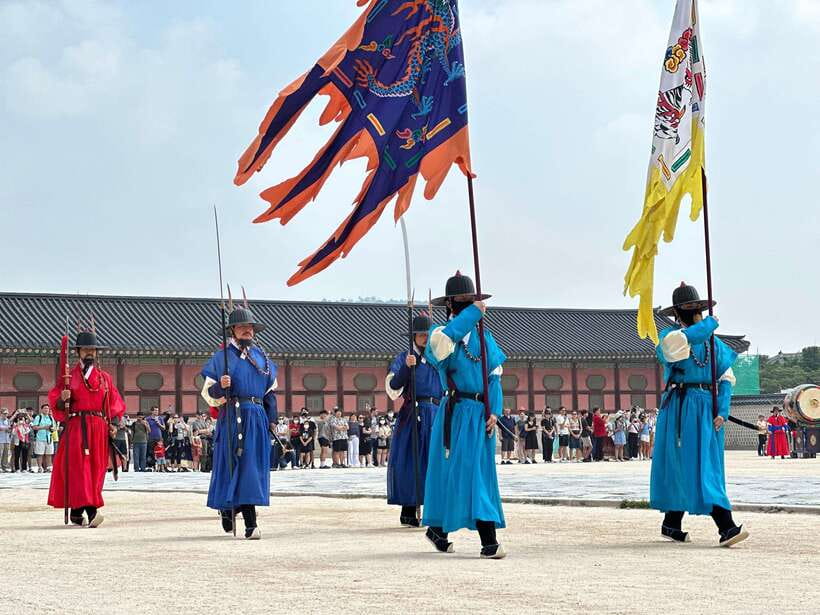
- Changing of the Guard at Gwanghwamun with expert timing so you’re not guessing
- Gyeongbokgung Palace plus the National Folk Museum to connect palace life to real artifacts
- Insadong free time for tea-house stops and browsing craft shops at your pace
- Gwangjang Market food visit for classic street eats without the logistics headache
- Namsangol Hanok Village for a calm reset between busy neighborhoods
- Round-trip cable car to N Seoul Tower to cap the day with panoramic skyline views
A fast way to see Seoul’s royal core and skyline
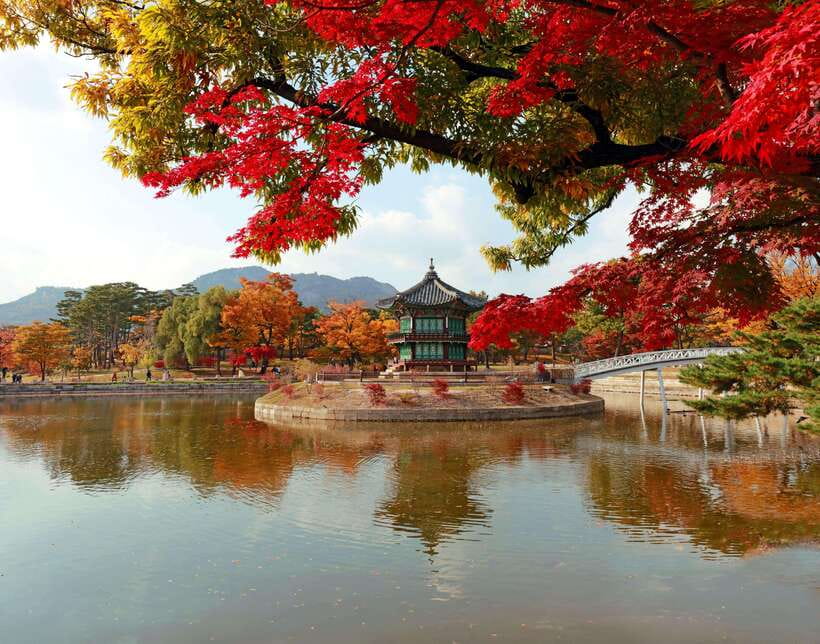
If you’re short on days, Seoul’s biggest problem is decision fatigue. This tour solves that by routing you through the places most people want first—temple, palace, market, traditional village, and the tower view—then adds enough guidance to keep the day from feeling chaotic.
I like that it’s not just “stand and look.” You get context at major stops: what the buildings represent, why certain ceremonies matter, and how the neighborhoods fit together. That’s the difference between collecting photos and actually understanding what you’re seeing.
And the value is real: one guided day with transportation, palace entry, museum admission (when open), and the cable car fare included. For $26 per person, you’re mostly paying for time saved and local interpretation—both are expensive in your own planning hours.
You can also read our reviews of more tours and experiences in Seoul.

Jogyesa Temple and the Changing of the Guard at Gwanghwamun
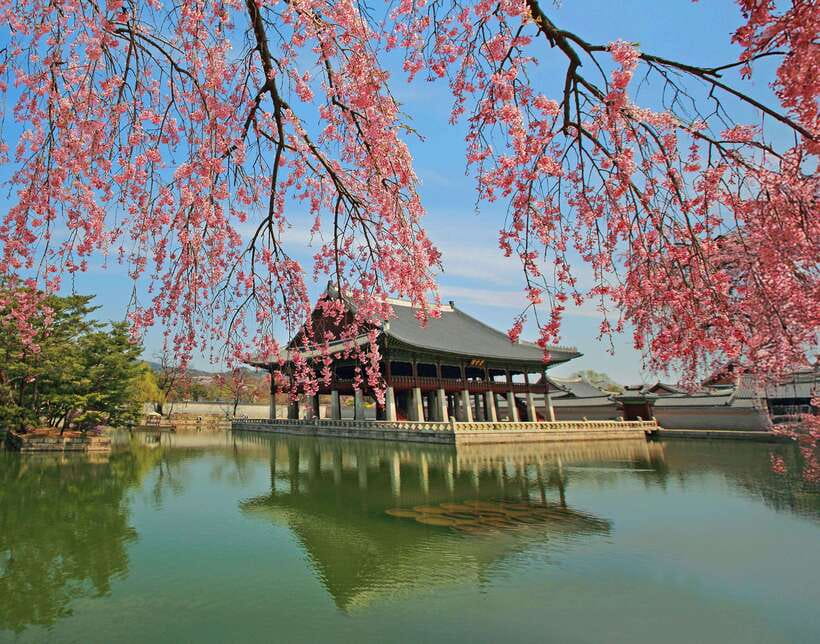
Your day starts at Jogyesa Temple, the spiritual center of Korean Buddhism. It’s a good opener because it contrasts with the palace sites you’ll hit next. You get a guided visit (about 30 minutes), with the kind of atmosphere that makes the rest of the day feel more grounded.
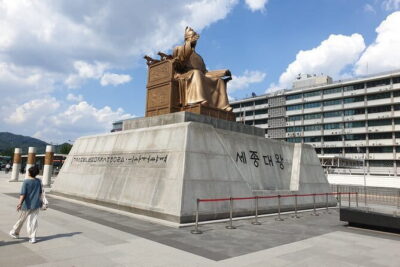
Then comes the ceremony: the Changing of the Guard in front of Gwanghwamun Gate. This is one of those moments where timing matters. If you show up late, you’re stuck behind shoulder-to-shoulder lines and you’ll miss the drama of the guards’ movements and the pageantry.
What I liked from how guides like Kelley and Moon ran the day: they helped the group get positioned and ready before the crowd surge. That small touch matters because it turns a stressful “Where do we stand?” moment into a smooth watch-and-learn experience.
Practical note: the ceremony area can be crowded, and daylight/temperature affects how comfortable you feel. If you’re traveling in winter, plan for cold waits; in summer, plan for heat. Bring a layer or compact sun protection.
Gyeongbokgung Palace and the National Folk Museum
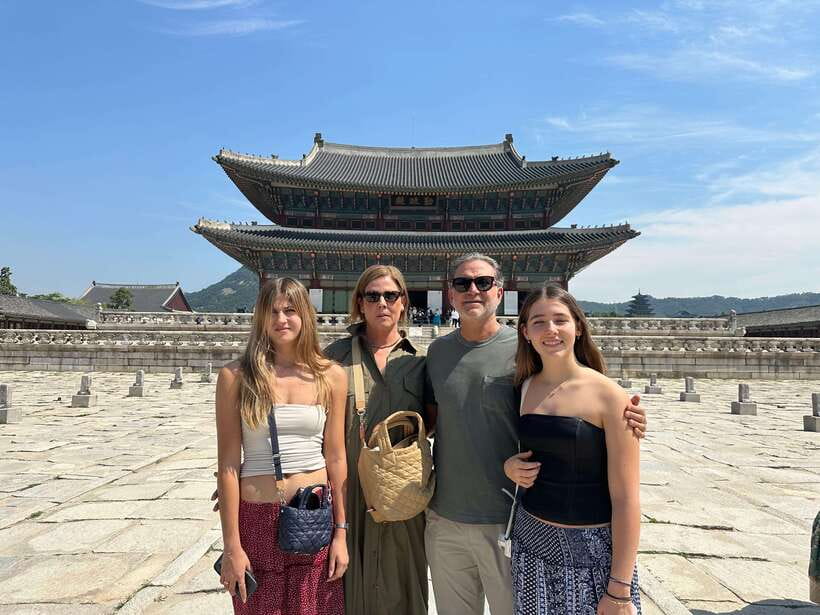
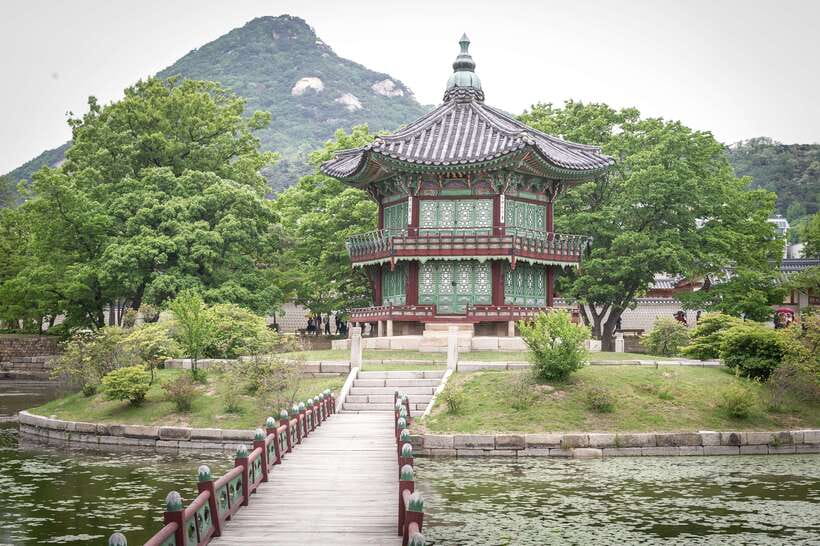
Next you step into the Joseon Dynasty’s grand setting at Gyeongbokgung Palace. The guided portion is about an hour, which is just enough time to get oriented without feeling like you’re sprinting through everything. This is where you’ll see why Seoul’s “palace photos” actually look the way they do: the layout, the gates, and the rhythm of the courtyards.
After that, you head to the National Folk Museum of Korea. The tour gives you a guided visit (around 30 minutes), and that’s a smart pairing. Palaces can feel like a stage set if you don’t have any context. The museum helps connect the physical spaces to the everyday culture—so you leave with more than “pretty architecture” in your head.
One detail I appreciated: on Tuesdays, this stop changes because Gyeongbokgung Palace and the National Folk Museum are closed. Your route shifts to Changdeokgung Palace (UNESCO World Heritage) and swaps in Bukchon Hanok Village instead. So don’t worry if your calendar is Tuesday-heavy—you’re not losing the concept, just the exact sites.
Insadong free time: tea houses, crafts, and choosing your own lunch
Then the day gives you breathing room in Insadong. This is a rare gift in big-city touring: you’re not stuck on a timer every minute. You get about an hour of free time in the neighborhood for lunch and browsing.
Insadong is where you’ll feel Seoul’s craft culture most directly—tea houses, art galleries, and artisan shops. I like this part because it lets you move at your own speed. If you want a calm sit-down tea, take it. If you want to snack as you wander, do that. A guide can point you in good directions, but you still control the pace.
A small reality check: if you’re sensitive to crowds, Insadong gets busy. Go in with a flexible mindset. You’re not here to “hunt for the perfect quiet corner.” You’re here to experience the neighborhood’s vibe and shop rhythm—then move on.
And yes, guides do help with food strategy. One traveler reported an inexpensive Michelin-star recommendation from Kelley, and that fits the tour’s general style: the guide gives you choices that are easy to reach and not priced like tourist traps.
Gwangjang Market for street-food energy (and how not to overcommit)
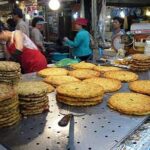
The tour adds a visit to Gwangjang Market, one of Korea’s oldest markets, with a guided food-market stop (about 40 minutes). This is the part where your senses get involved fast: smells, sizzling pans, and the practical chaos of a working market.
Here’s how I’d approach it: don’t try to “taste everything.” Pick 2–3 items you actually recognize or want to try, and leave room for a second snack later if you still feel hungry. With only a set amount of time, the win is getting a real sample—not building a food backlog.
Also, meals aren’t included. So budgeting matters. If you’re trying to keep costs controlled, treat Gwangjang as your main paid food stop and use Insadong as your tea or lighter lunch option—unless you’re truly in the mood for a big lunch.



Namsangol Hanok Village: a calm reset in the middle of Seoul
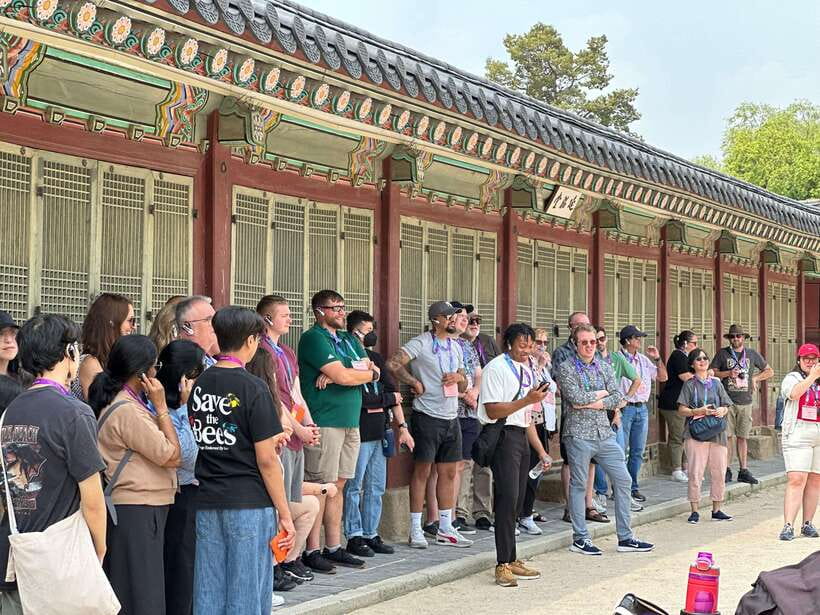
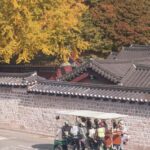
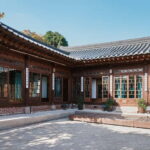
After the market, the schedule turns gentler with Namsangol Hanok Village, a restored traditional village tucked near Namsan Mountain. You get a visit with a guided component of about 20 minutes.
This stop works because it interrupts the day’s intensity. Markets are loud and fast. Palaces are open and expansive. Namsangol is quieter—good for slowing down, taking in the traditional house layout, and catching a different kind of photography moment.
If you like Korean dramas, you’ll probably see the “set-like” vibe people associate with hanok areas. But the value here is more than aesthetics: it helps you understand how everyday space and traditional design shaped daily life in Seoul.
N Seoul Tower and the cable car: city views you can’t fake
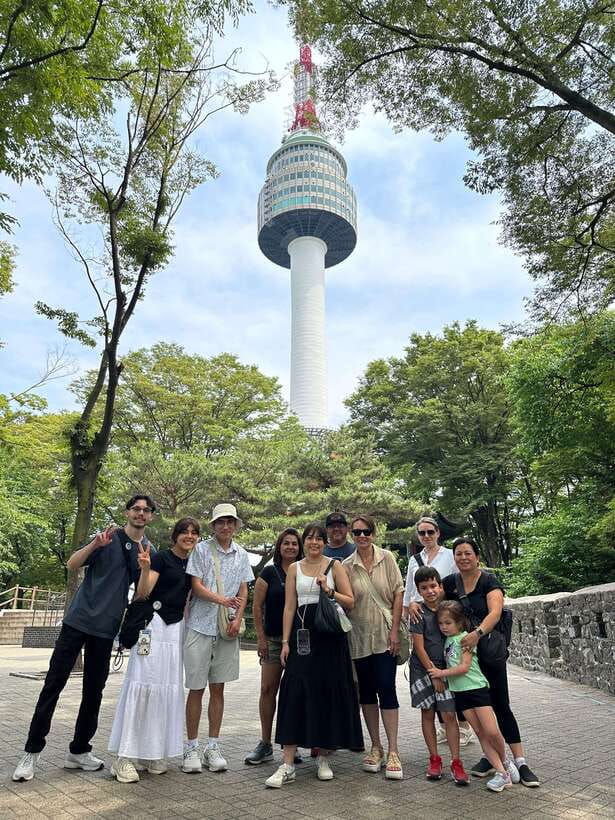
Finally, the tour rides up to N Seoul Tower with round-trip cable car fare included. The tower area is where the day cashes in visually: you get panoramic skyline views, and it’s an excellent photo finish.
Two practical notes based on common on-the-ground realities:
- There can be steps and lines around the cable car access. If you prefer comfortable transitions, keep that in mind and allow yourself a little patience.
- The observatory ticket is not included. You can buy it on-site if you want to go inside and enjoy the indoor viewing options.
Timing matters too. If the sky clears, you’ll get dramatic views. If it’s rainy or foggy, you may have to adjust expectations. The tour helps get you there, but the weather controls the “wow.”
If you’re a solo traveler, this is also a solid moment to use your guide. Many guides in past groups have helped with photos—one solo traveler specifically mentioned an ability to get great shots during the day.
Price and what $26 really buys in your time
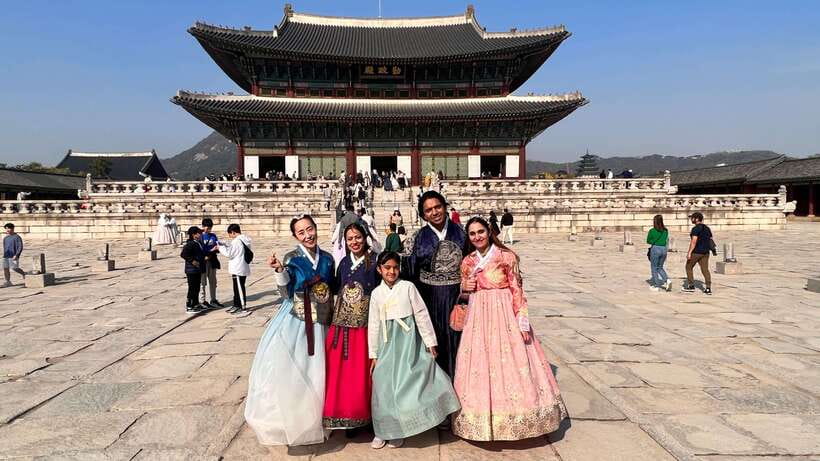
Let’s talk value, because $26 can sound either cheap or suspicious depending on what’s included.
For this tour, you’re getting:
- Transport by air-conditioned coach or minivan
- A professional English-speaking guide
- Guided visits at major sites
- Entrance fee to Gyeongbokgung Palace (or Changdeokgung Palace on Tuesdays)
- Admission to the National Folk Museum when it’s operating
- Visit to Namsangol Hanok Village
- Round-trip cable car to N Seoul Tower
- Parking, tolls, and fuel surcharges
What you’re not getting:
- Meals and drinks
- Namsan/N Seoul Tower observatory admission
- Personal shopping and snacks
So where does the value show? It’s in the “not your job” parts: you’re paying for routing, queue timing, and interpretation. If you tried to build this route yourself, you’d spend hours coordinating transport, ticket lines, and neighborhood transitions—plus you wouldn’t have the ceremony context and on-the-ground direction.
You also get a format choice:
- The half-day version is more temple-and-palace focused and doesn’t include the N Seoul Tower portion.
- The full-day version is the one that strings together Insadong, Gwangjang, Namsangol, and the cable car.
Tips to get the best day, even when it’s packed
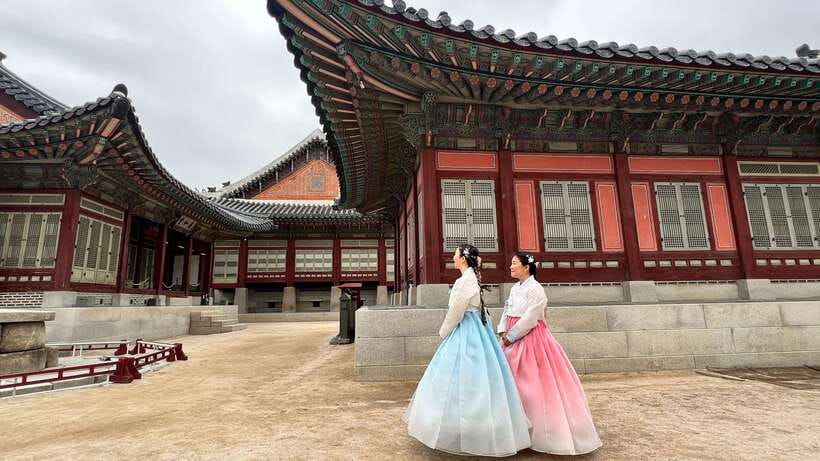
- Wear shoes you trust. Palaces, markets, and villages mean you’ll do more steps than you think.
- Bring a light layer. Seoul temperature swings can be dramatic, and outdoor waits can make it feel colder or hotter than expected.
- If you care about photos, arrive prepared for brief “positioning moments.” Guides like Moon and Kelley have a habit of helping groups get the right angle before it gets crowded.
- In Insadong and Gwangjang, choose your food plan before you reach the counter. It saves time and keeps you from overspending on random add-ons.
Should you book this Seoul Highlights tour?
Book it if you want your first (or one-day) Seoul hit to feel organized and meaningful. This tour is especially good for:
- First-timers who want a “greatest hits” day without planning stress
- Solo travelers who appreciate a guide to handle timing and photo moments
- Anyone who likes learning context, not just sightseeing checkboxes
- Travelers who want both traditional Seoul and one skyline finale
Don’t book it if walking and steps are a problem for you, since it isn’t suitable for wheelchair users and the day includes moderate walking.
If you’re trying to decide between half-day and full-day, I’d choose full-day if N Seoul Tower matters to you. If you only have a morning and want the key palaces and museum focus, the half-day option works well.
FAQ
How long is the tour?
The tour duration is about 4–8 hours, depending on which option you choose (half-day or full-day).
What does the half-day option include?
The half-day option focuses on Jogyesa Temple, the changing of the guard, Gyeongbokgung Palace, the National Folk Museum, and a ginseng museum/shop visit. It does not include N Seoul Tower or the cable car ride.
What’s different on Tuesdays?
Gyeongbokgung Palace and the National Folk Museum are closed on Tuesdays. On Tuesdays, the itinerary swaps to Changdeokgung Palace (UNESCO World Heritage) and Bukchon Hanok Village.
Is N Seoul Tower observatory admission included?
No. The tour includes round-trip cable car fare to N Seoul Tower, but observatory admission is an optional purchase on-site.
Are meals included?
No. Meals and drinks are not included, but you do get free time in Insadong for lunch and exploration.
What’s the meeting and pickup like?
Pickup is available from downtown Seoul hotels or a designated meeting point. One listed option is Myeongdong Station Exit 10 (and other central Seoul pickup options).
Where do you get dropped off?
Drop-off is at the Myeongdong or City Hall area at the end of the tour, with multiple station and hotel-adjacent options listed.
Is the tour wheelchair accessible?
No. It is not suitable for wheelchair users.