REVIEW · SEOUL
Seoul Sunrise & Sunset Hike + Temple & K-Food Adventure
Book on GetYourGuide →Operated by Discover Seoul: Local Vibes · Bookable on GetYourGuide
Sunset climbs beat museum lines in Seoul. On this Achasan trek you get panoramic summit views and a food plan built around jeon and makgeolli, so the evening ends hungry and happy.
I also like how the day doesn’t just feel like walking. You’ll pause at Gyeongwonjeongsa Temple for a calmer, older side of the city, and the small group (up to 8) keeps the pace friendly and manageable.
One thing to think about: even though the hike is described as easy, it still involves stairs and it’s not suitable for people with mobility impairments or wheelchair users. Bring solid shoes and expect to take a few extra breaks if you need them.
In This Review
- Key highlights to look forward to
- Why Achasan sunrise and sunset hits different in Seoul
- Getting to the trail: Gwangnaru meeting point and early timing
- Achasan climb: short, scenic, and stair-focused
- A practical tip
- Learning Seoul’s mountain-mindset: Achasan’s strategic past
- Gyeongwonjeongsa Temple: calm, statues, and a real pause
- The K-food section: street snacks that feel like a tour and a meal
- What I like about this approach
- Jeon + makgeolli: the traditional finish (and how it’s served)
- Guides and group size: how the pacing stays friendly
- Practical pacing note
- Price and value: is $82 worth it for 3 hours?
- Who this tour is best for (and who should skip)
- Should you book this Achasan sunrise/sunset hike + K-food adventure?
- FAQ
- Where do we meet for the tour?
- How long is the experience, and is it mostly hiking?
- What food will I eat?
- Which temple do we visit?
- Is this hike beginner-friendly?
- What languages are offered, and how big is the group?
- Can I smoke during the hike?
Key highlights to look forward to
- Achasan summit in about 60 minutes of hiking with big-city views you can photograph
- Gyeongwonjeongsa Temple at the foot of the mountain, with preserved architecture and Buddhist statues
- Seoul history on the trail since Achasan served as a military strategic point
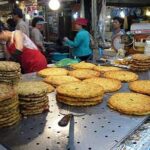
- Street-food tasting including mandu, tteokbokki, and hotteok
- Jeon + makgeolli as the traditional finish (menu can adjust by store hours and preferences)
- Small group of max 8 with a live English/Korean guide who keeps things smooth
Why Achasan sunrise and sunset hits different in Seoul
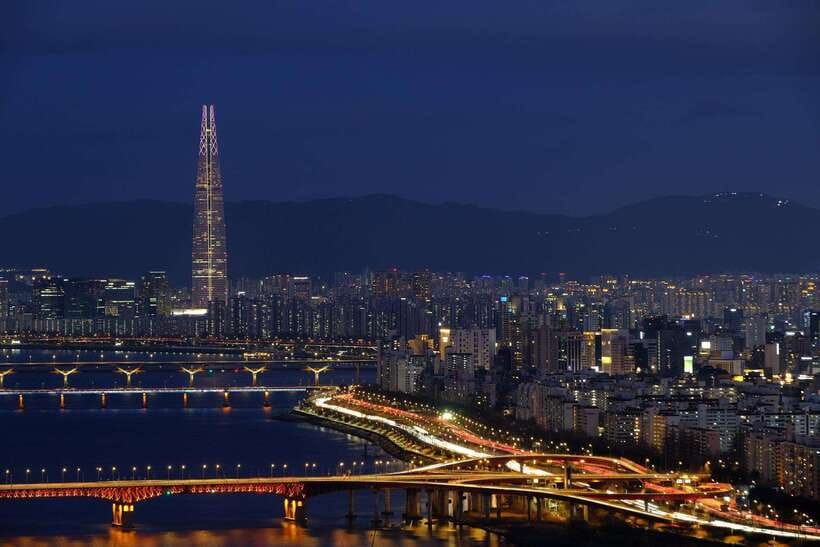
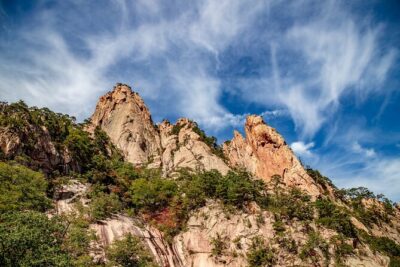
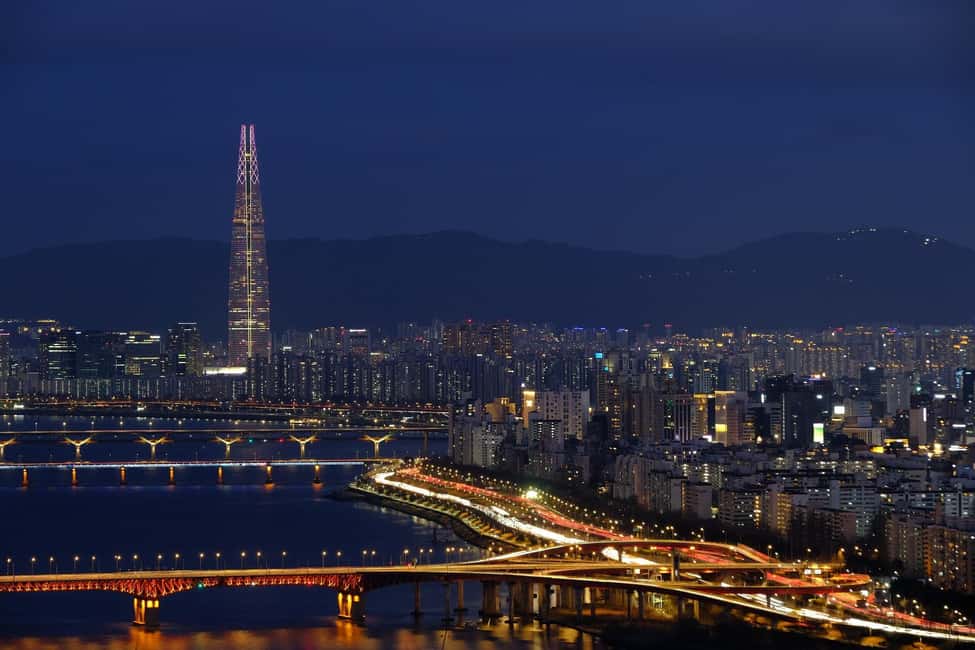
If you only see Seoul from inside coffee shops or office towers, you miss how the city used to relate to its hills. Achasan gives you a quick lesson in Seoul’s geography, in just a few hours. You climb above the neighborhoods, then look back across the city with the Han River and Lotte Tower in view.
The best part is the timing. A sunrise/sunset-style hike makes the whole route feel intentional, not random exercise. The tour builds in a photo stop while the light is changing, so you’re not just sprinting to a viewpoint.
And unlike some Seoul hikes that feel like a hike first and everything else later, this one keeps food close. You’re still moving, learning, and taking photos, but the reward is baked into the schedule: Korean street food first, then a traditional sit-down for jeon and makgeolli.
You can also read our reviews of more food & drink experiences in Seoul

Getting to the trail: Gwangnaru meeting point and early timing
You meet near Gwangnaru Station (Line 5), right by Exit 1. The guide waits about 10 minutes before the scheduled time, so you don’t have to show up exactly on the minute.
Once you link up, you’ll head on foot for a short stretch (about 15 minutes) before the hiking really starts. That matters because it helps you settle in: you meet the guide, get your bearings, and start the climb without feeling rushed.
If you’re using public transit, plan a bit of buffer. Seoul subways are great, but you’ll be happier if you arrive with time to find the correct exit and regroup with your group.
Achasan climb: short, scenic, and stair-focused
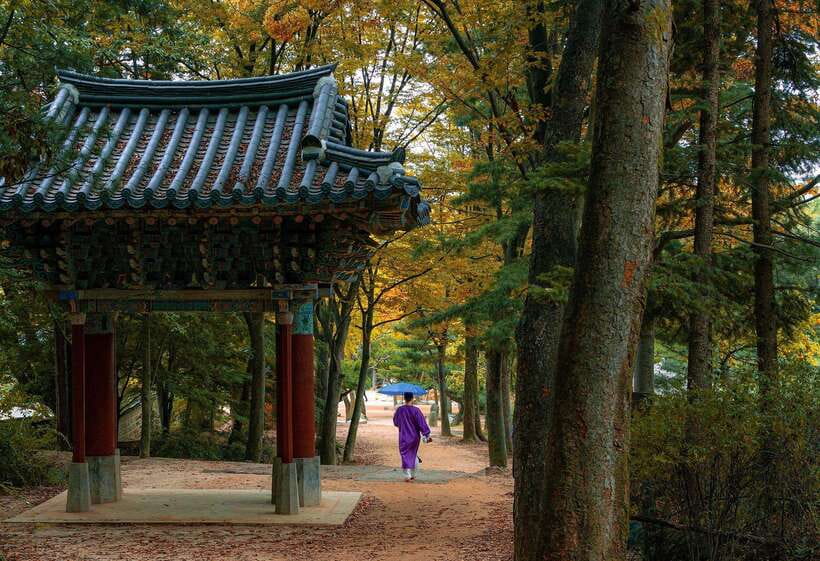
The hike is structured as an easy, guided climb that totals two main hiking blocks of about 30 minutes each, with breaks and a scenic stop in between. Translation: you get effort, but you’re not signing up for a full day in the mountains.
Still, don’t mistake short for flat. Reviews point out that the stairs can feel like the main workout. One beginner-style hiker found it doable with extra breaks, but summer heat can make the same route feel tougher.
Here’s what you’re working for as you go up:
- Panoramic views of Seoul
- Sightlines toward Lotte Tower
- A view of the Han River
There’s also a photo stop built into the route (around 20 minutes) timed for scenic viewing. That’s your moment to slow down, switch from breath-holding to photography mode, and let the view sink in.
A practical tip
Wear shoes that grip. The climb is short, but your footing matters—especially if you’re there near sunrise or sunset when visibility and footing can be trickier.
Learning Seoul’s mountain-mindset: Achasan’s strategic past
Achasan isn’t just a pretty hill. Along the way, your guide explains its historical role as a military strategic point for defending Seoul in earlier times. That changes how you interpret the viewpoint. Instead of thinking only about the skyline, you also start seeing why people cared about this spot.
It’s the kind of history that doesn’t need a museum wall. When you’re standing on the slope looking out over the city, the story feels physical—like the landscape makes sense.
If you like city history, this is a nice balance: it’s not a lecture. You’re walking, pausing when the view is best, and picking up context that connects hills to the way Seoul grew.
You can also read our reviews of more tours and experiences in Seoul
Gyeongwonjeongsa Temple: calm, statues, and a real pause

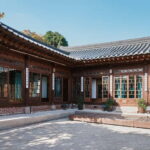
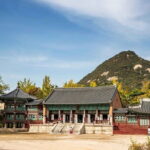
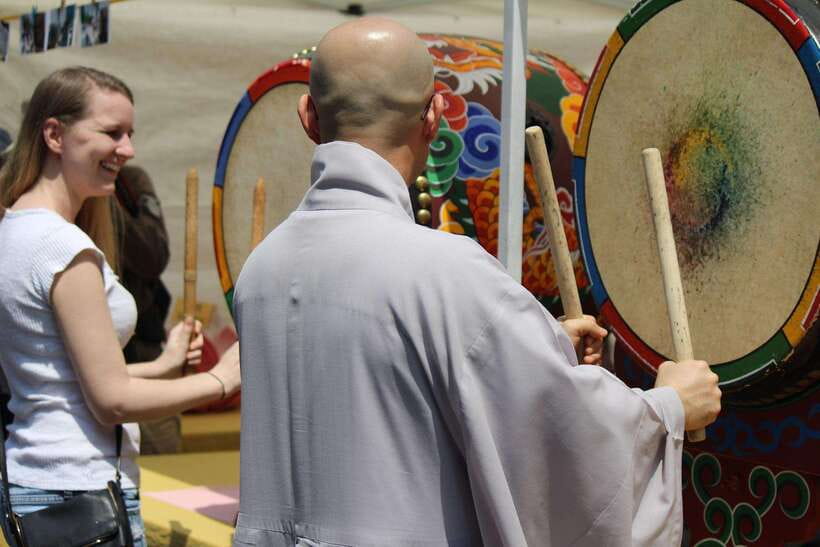
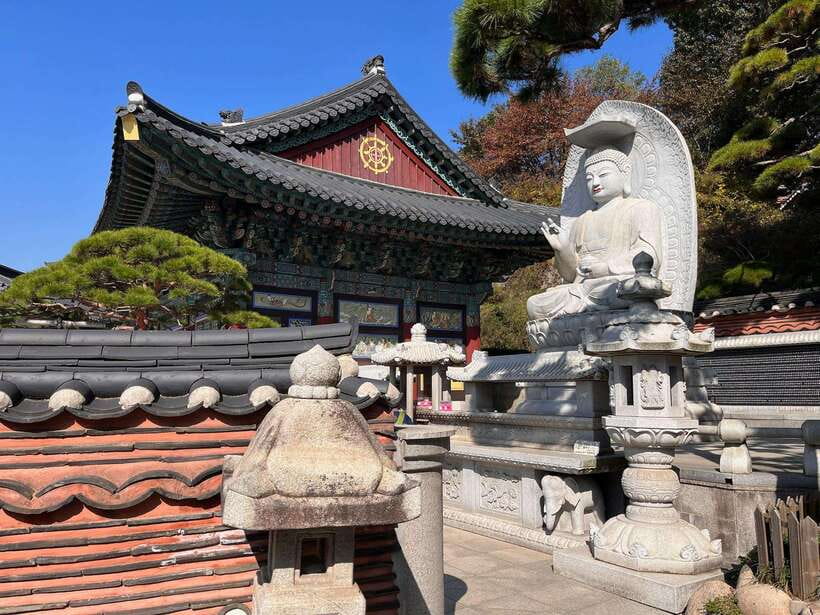
Once you reach the upper viewpoints and begin heading back down, you visit Gyeongwonjeongsa Temple, located at the foot of Achasan.
This stop is a mental reset. The goal is tranquility: temple grounds give you a quieter rhythm after the stair-heavy part of the hike. You also get a guided look at:
- Ancient Buddhist statues
- Preserved temple architecture
- A sense of craftsmanship and how these structures were built to last
Another big value here is that you can move through the experience without waiting around. The tour includes skip-the-ticket-line, so you spend more of your limited time actually looking and less time stuck in a queue.
On some days, you might find an extra temple-style pause worked in on the way down, adding a slightly more reflective finish before the food portion. The core plan remains Gyeongwonjeongsa.
The K-food section: street snacks that feel like a tour and a meal
After the temple, the tour shifts into full-on Korean eating mode. This is one of the reasons the tour feels like more than a hike: the food isn’t random. It’s grouped so you try a range of textures and flavors in a short window.
Expect a lineup like:
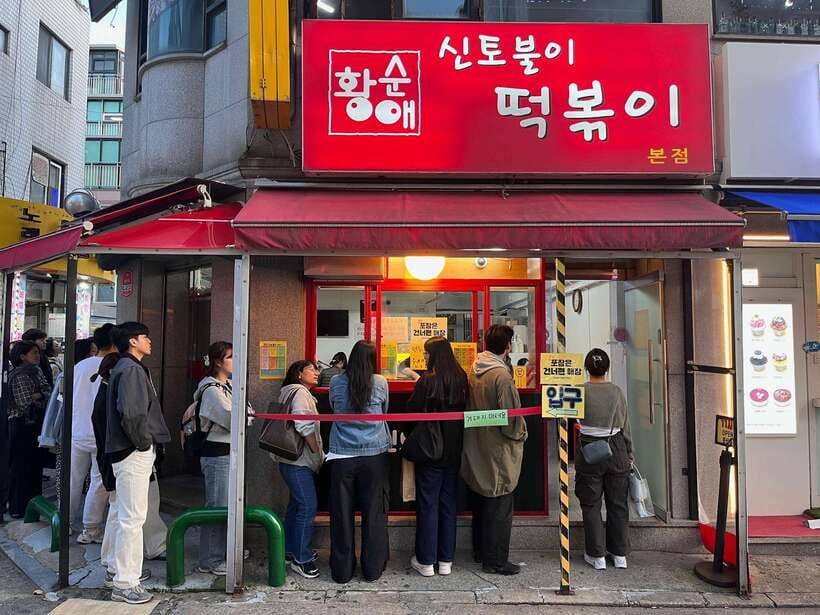
- Mandu (dumplings)
- Tteokbokki (spicy rice cakes)
- Hotteok (sweet pancakes)
You’ll also get time for regional snacks and street-food-style items as part of the evening’s meal flow. The exact menu can adjust based on store opening schedules and your group’s preferences, so don’t expect every stop to be identical every day.
What I like about this approach
You don’t have to plan dinner. You just follow the guide, try a spread, and learn what you actually like. If you’re new to Korean street food, you’re getting a safe starter set with different flavors rather than one dish repeated until you’re tired.
If you’re returning to Seoul and want something more local than tourist-only restaurants, the variety helps. You can taste familiar classics and still feel like you’re trying real street-level food.
Jeon + makgeolli: the traditional finish (and how it’s served)
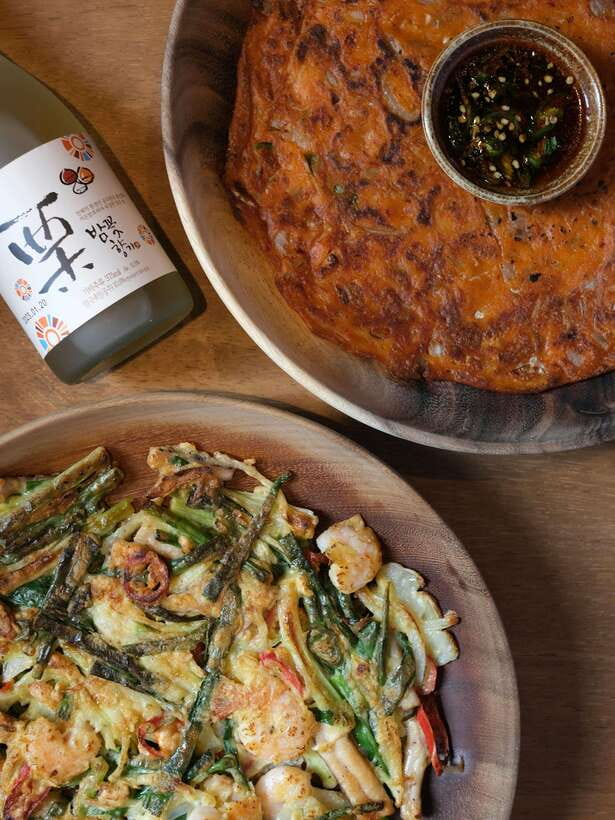
The tour ends with a traditional Korean restaurant meal that focuses on jeon and includes makgeolli, a traditional rice wine.
Jeon matters because it’s one of those Korean comfort foods that sits perfectly after hiking. It’s savory, filling, and easy to share with a small group. Makgeolli adds that slightly tangy, milky sweetness that makes the meal feel like a proper Korea experience, not just a snack run.
Important detail: the menu may be adjusted based on store hours and guest preferences. That means you should be open-minded. The food is included, but the specific selection can vary.
If you’re the type who wants to understand what you’re eating, this portion is also where the guide’s personality matters. In past runs, guides like David and Sanghoon have been described as patient and friendly, with history and conversation that makes the meal feel like a bonus—not just a stop to eat and go.
Guides and group size: how the pacing stays friendly
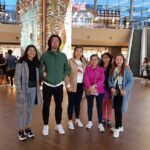
This is a small group limited to 8 participants, led by a live guide in Korean and English. That size is a big deal on a mountain climb. You get enough group energy to stay motivated, but it’s not so large that you’re always chasing the person in front.
The guides are also a key part of the value. Reviews highlight guide styles like:
- David being patient with beginners and guiding with clear history
- Sanghoon being friendly, chatting with travelers, and accommodating special diet needs
That doesn’t mean you’ll get the exact same route on every day, but it does suggest the tour is run with attention to comfort, not just checkboxes.
Practical pacing note
The route includes multiple “slow down” windows: summit time, a photo stop, a guided temple stop, then a longer food block. If you want a hike that doesn’t feel like constant exertion, this structure helps.
Price and value: is $82 worth it for 3 hours?
At $82 per person for about 3 hours, the honest way to judge value is to count what’s bundled in.
You’re paying for:
- A guided hike to the Achasan summit
- A visit to Gyeongwonjeongsa Temple
- Korean street food and traditional dining, including jeon and makgeolli
What’s not included is transportation to and from the starting point. So your real cost depends on how you’re getting to Gwangnaru Station.
But even with transit added, this still tends to feel good value if you would otherwise spend money on two separate things:
1) a guided hike/tour experience, and
2) dinner plus street snacks
Here, those are combined into one evening. For solo travelers, that also matters. You’re not just buying food—you’re buying companionship, explanation, and a reason to go outside the city center without doing logistics yourself.
Who this tour is best for (and who should skip)
This tour fits you best if you want:
- A quick Seoul hiking fix without committing to all-day trekking
- Scenic views that include Lotte Tower and the Han River
- A calm temple visit mixed into an active evening
- Korean eating that’s guided enough to feel easy but varied enough to feel satisfying
It’s less ideal if:
- You use a wheelchair or need mobility-friendly routes
- Stairs and uneven outdoor footing are a no-go for you
- You’re extremely heat-sensitive (summer hikes can feel more intense than the easy label suggests)
If you’re a beginner hiker with decent walking stamina, you’ll likely do fine with breaks, but go in knowing you’ll be stepping up repeatedly.
Should you book this Achasan sunrise/sunset hike + K-food adventure?
I’d book it if you want an evening that feels like Seoul in layers: mountain viewpoint, temple calm, then the comfort of Korean food. The combination is what makes it work. You’re not choosing between views and dinner—you get both, with a guide connecting the dots.
Skip it only if your mobility needs make outdoor stairs a problem, or if you’d rather eat Korean food on your own time and in your own rhythm. Otherwise, this is a smart way to spend a short window in Seoul with real local flavors and an actual reason to be outside at sunrise or sunset.
FAQ
Where do we meet for the tour?
You’ll meet in front of Exit 1 at Gwangnaru Station on Line 5. The guide is scheduled to be there about 10 minutes before the set time.
How long is the experience, and is it mostly hiking?
The tour runs for about 3 hours. The hiking is split into segments (about 30 minutes up, then later another 30 minutes), plus time for photos, a guided temple stop, and a longer food portion.
What food will I eat?
The tour includes traditional Korean cuisine and street food. You can expect items like mandu, tteokbokki, and hotteok, plus jeon and makgeolli at the traditional restaurant. The menu can adjust based on store hours and guest preferences.
Which temple do we visit?
You’ll visit Gyeongwonjeongsa Temple at the foot of Achasan.
Is this hike beginner-friendly?
It’s described as an easy hike, but it still involves stairs, and it can feel more intense in hot weather. If you’re a casual walker who’s okay taking breaks, it should be manageable.
What languages are offered, and how big is the group?
The guide speaks Korean and English, and the group is limited to 8 participants.
Can I smoke during the hike?
No. Smoking is not allowed during the hike.