REVIEW · SEOUL
Seoul: The Biggest Sea-food Noryangjin Market Tour
Book on GetYourGuide →Operated by Korea Guide Tour · Bookable on GetYourGuide
Seafood here tastes like it was just caught. That is the feeling I get from this Noryangjin Fish Market experience: you do not just wander, you learn what you are looking at with an English guide like Sophie or Joy. I especially like two things: the way the tour explains unfamiliar seafood you might never spot outside Korea, and the fact that you see a vendor prep fish up close before you eat. One drawback to plan for is the reality of a working fish market: floors can be wet and the area can smell strongly, so wear shoes that handle that.
This is a foreigner-only, small-group (up to 10) tour that lasts about 2 hours, and it includes lunch. For $110 per person, you’re paying for guidance, context, and a meal (seasonal assorted sashimi and spicy fish stew), not just time in a crowded market. You meet at Exit 7 of Noryangjin Station, and the guide helps you keep your bearings so you can focus on learning how Koreans shop and eat.
In This Review
- Key points before you go
- Why Noryangjin Fish Market feels different from a normal food stop
- The 2-hour flow: what happens from Exit 7 to lunch
- Seeing filleting up close is the real education
- Lunch: sashimi plus spicy fish stew, served in a market rhythm
- What the guides do well in real life (and why it matters)
- Price and value: is $110 fair for 2 hours?
- Practical prep that will save your trip
- Who this tour suits best
- Should you book this Noryangjin seafood tour?
- FAQ
- How long is the Noryangjin seafood market tour?
- Where do I meet the guide?
- Is the tour in English?
- Is lunch included?
- What is the group size?
- Is this tour for foreigners only?
- Is the tour wheelchair accessible?
- How does cancellation work for a full refund?
- What should I do if I have allergies?
- Is there a traveler’s insurance requirement?
Key points before you go
- You get a guided market layout, so you’re not stuck guessing which stalls matter most.
- Fresh seafood culture comes with stories, including why certain eating habits developed.
- A vendor stop means you watch filleting and preparation, not just photos from a distance.
- Lunch is built from market seafood, including assorted sashimi and spicy fish stew.
- You’ll likely encounter dishes like live octopus, depending on what’s on offer that day.
- Group size stays small (max 10), which makes it easier to ask questions and get personal help.
Why Noryangjin Fish Market feels different from a normal food stop
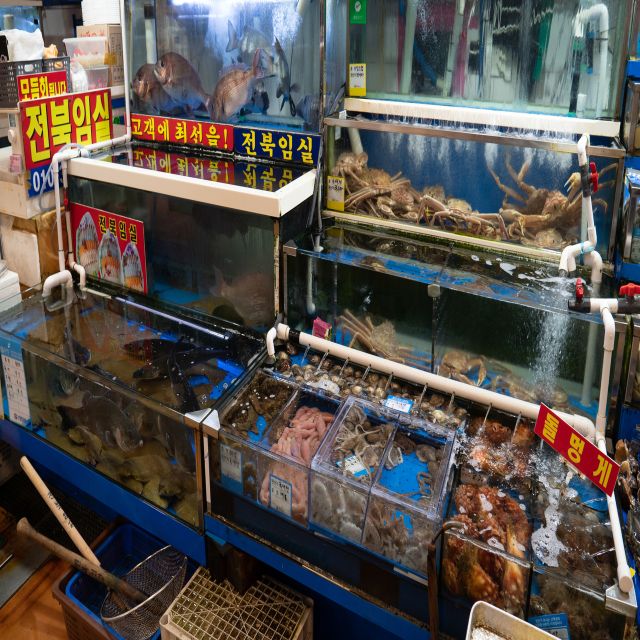
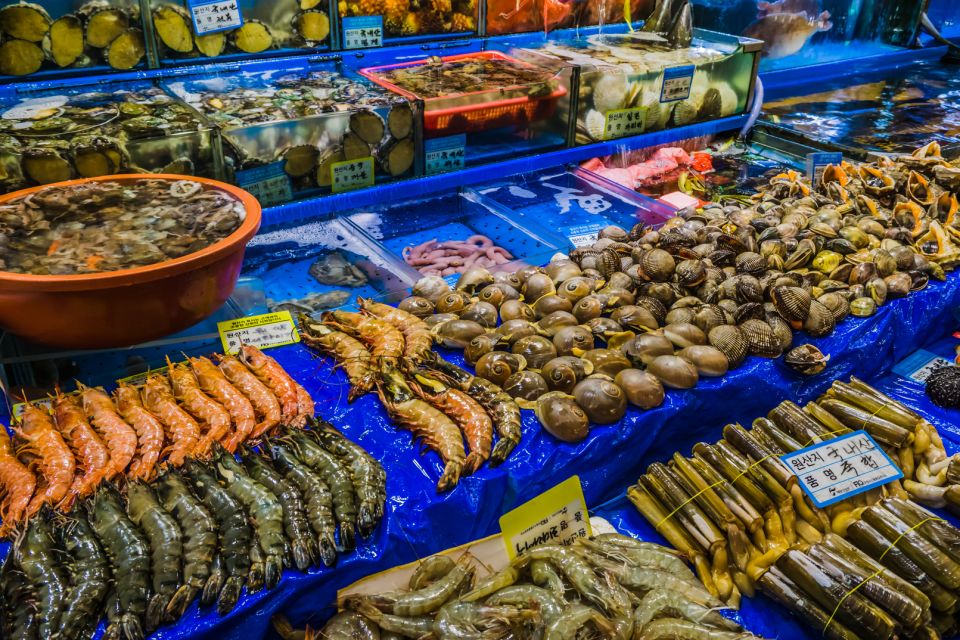
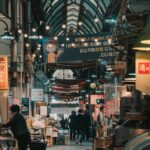
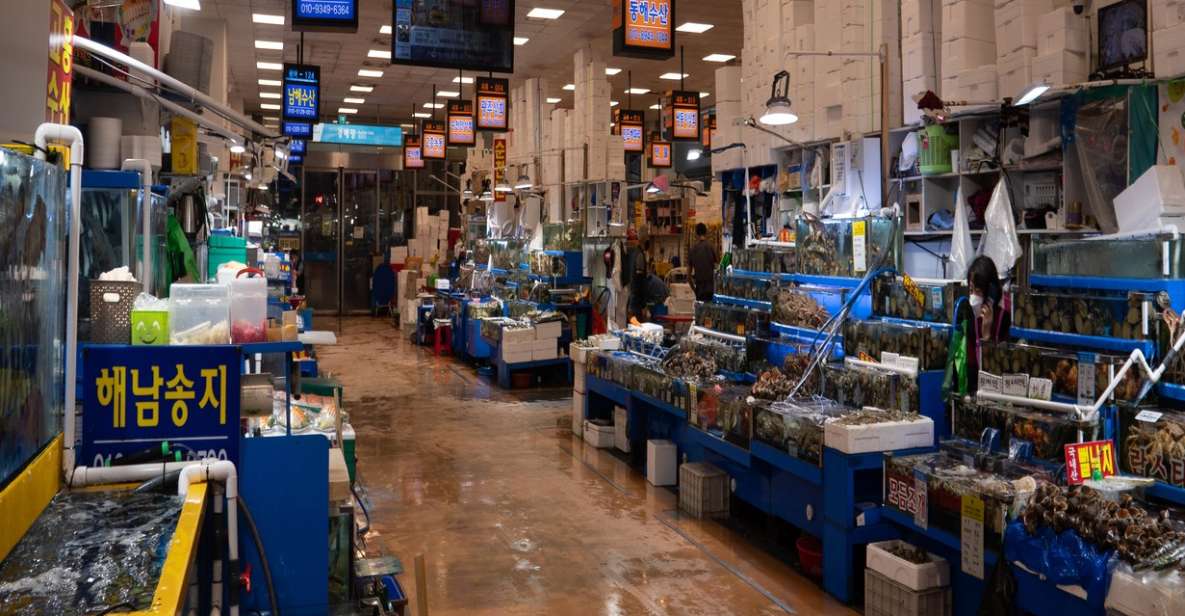
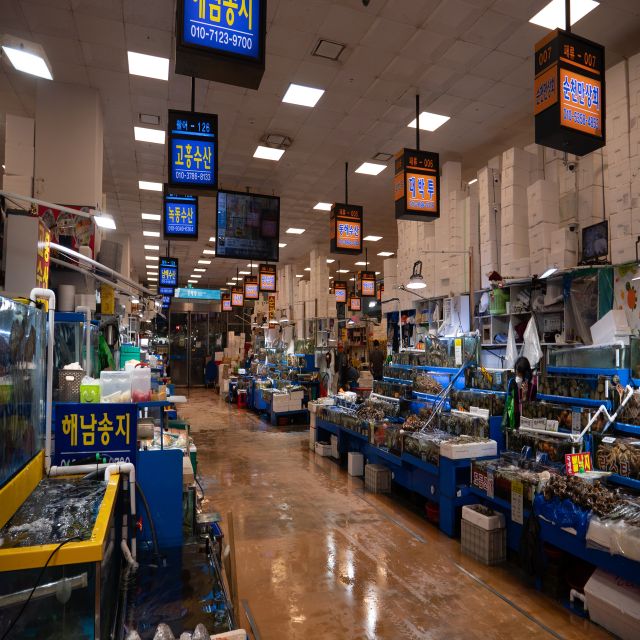
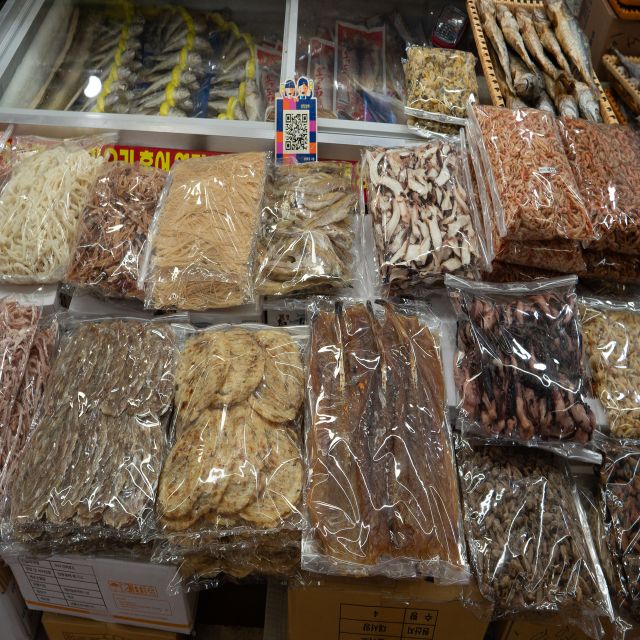
Noryangjin is one of Seoul’s best-known traditional seafood markets, and it earns that reputation because it functions like a real marketplace. The scale is the first shock: the market trades roughly 250 to 300 tons of products every day. That number matters because it explains the pace and the intensity of what you see: people are buying, sellers are moving fast, and the “menu” changes with the day’s fish.
What I like about doing it with a guide is that the market stops being a blur. Instead of just saying, Wow, look at the fish, you learn what each stall is built for and what Koreans commonly choose to eat. The tour is designed around seafood ingredients that can be unfamiliar outside Korea, so you’re learning new vocabulary along with new tastes.
You can also read our reviews of more food & drink experiences in Seoul
The 2-hour flow: what happens from Exit 7 to lunch
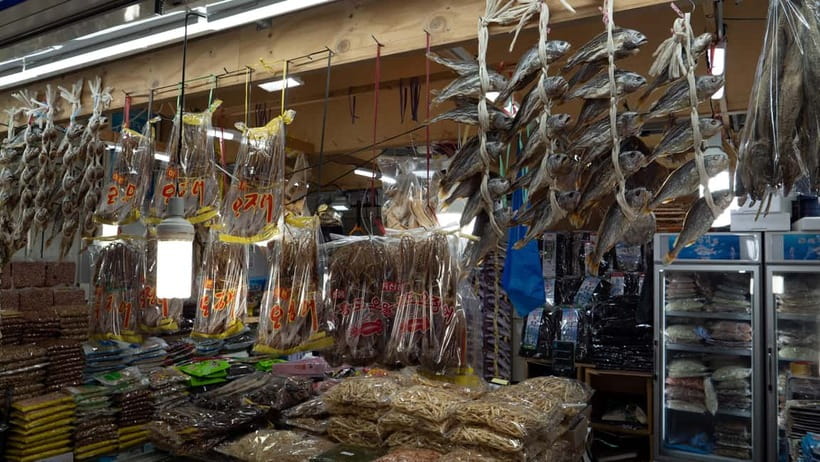
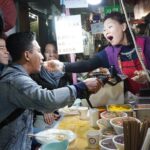
The tour is timed to give you a meaningful sample without turning into a long day on your feet. You meet at Exit 7 of Noryangjin Station, then your guide starts by orienting you to the layout and the atmosphere of the market.
From there, the pacing usually works like this:
1) Market walk with commentary
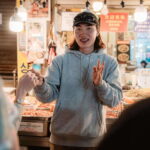
You move through key areas with a professional English guide who focuses on the seafood you’re seeing and why it matters. You’re not just looking; you’re learning what you should notice, like which items are typically eaten fresh versus used in stews and other preparations.
2) Context and cultural background
The commentary connects Korean seafood eating to cultural and historical reasons. Even if you do not catch every detail, you come away with a clearer sense of why so many meals revolve around seafood, and how market life influences what ends up on tables.
3) A trusted vendor stop
This is where the tour becomes hands-on. You get to observe fresh fish being handled, with a close look at processes like filleting and preparation.
4) Lunch prepared from market seafood
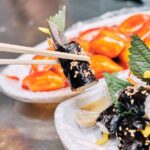
After you’ve seen how seafood turns from product into food, you eat the meal that comes with the tour. It’s seasonal assorted sashimi plus spicy fish stew, so you get both raw and cooked seafood in one go.
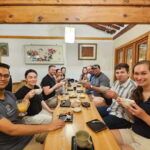
A nice bonus is that multiple guides have a reputation for adding practical extras, like teaching how to eat sashimi in a more Korean way. One guest even mentioned getting help with that exact skill during the tour.
Seeing filleting up close is the real education
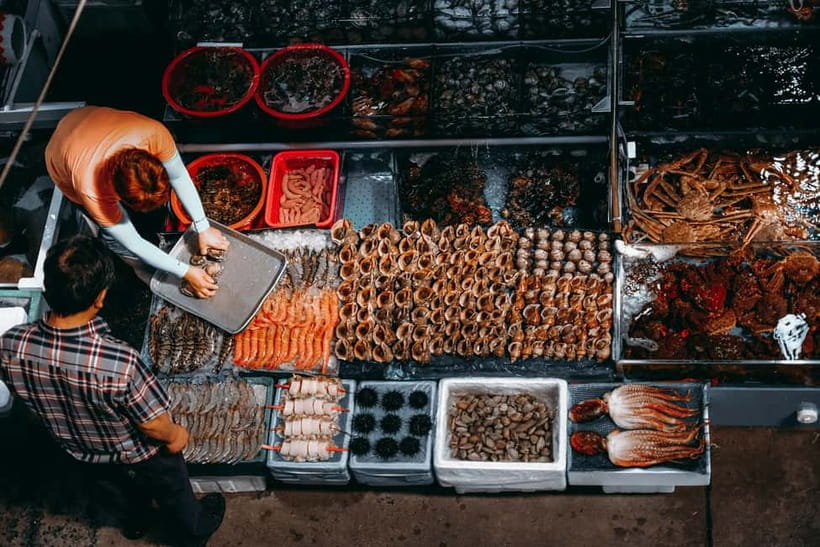
The market walk is fun, but the vendor stop is where you understand what you’re buying at a deeper level. Watching fish preparation in person changes how you think about seafood. You start noticing structure: how different cuts look, how flesh is separated, and how preparation affects texture and flavor later.
The tour’s design here is smart. You do the vendor portion before lunch, so when the sashimi and stew arrive, your brain already knows what happened behind the scenes. You’re not just eating; you’re recognizing techniques.
Also, this is a “see it, then eat it” experience. That matters at Noryangjin, where the seafood you see at stalls can look intimidating if you’re unfamiliar with whole fish and seafood parts. A guide helps you translate the visual language of the market into something you can use at the restaurant table.
Lunch: sashimi plus spicy fish stew, served in a market rhythm
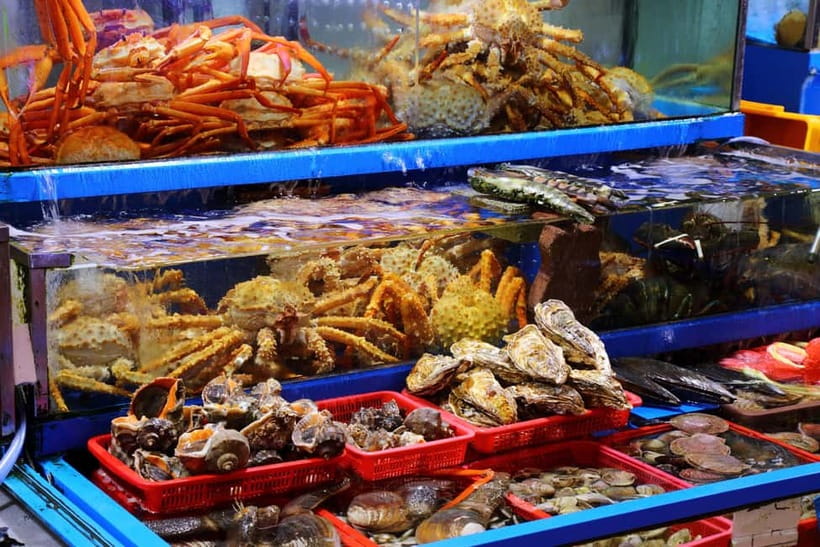
Lunch is not a generic add-on. It is part of how the tour teaches you to eat like you’re in Seoul, not like you’re on a sightseeing mission.
Your meal includes:
- Seasonal assorted sashimi
- Spicy fish stew
That combo is practical because it covers two common directions seafood goes in Korea: fresh, clean flavors from sashimi and warming, spicier comfort in stew. One of the consistent themes in the experiences with this tour is that the food tastes fresh and genuinely good, not like a token meal.
There’s also a “market energy” element. After seeing how seafood gets prepared, you tend to notice smaller things at lunch: how the sashimi is portioned, what the stew smells like before you taste it, and how the spiciness is balanced. If you’re curious about how everyday Koreans actually eat seafood, this meal gives you that everyday context right away.
One thing to keep in mind: while the included meal is defined, the specific seafood and add-ons can vary by what’s available. One guest specifically mentioned the thrill of trying live octopus as part of the experience, which tells me the tour can include very hands-on tasting moments when the restaurant offers them.
What the guides do well in real life (and why it matters)
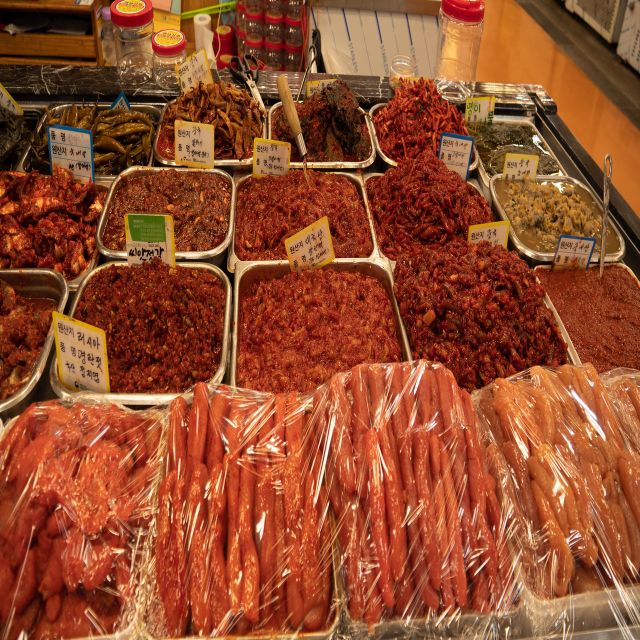
An English guide can mean anything from a translation app to real teaching. Here, the guides named in different experiences stand out for two reasons: they talk clearly about what you’re seeing, and they keep you comfortable asking questions.
Guides mentioned in connection with these tours include Sophie, Joy, Sally, Steve, and Sujin. In plain terms, I value this because fish markets can be overwhelming. If you do not have help, you may end up sticking to the easiest-looking items or second-guessing what you’re allowed to eat.
Good market guides also handle the “how” of eating. Multiple experiences describe learning how to eat sashimi in a Korean style, and some guides go beyond the meal by offering practical purchasing tips, like where to find a sauce someone really liked.
For you, that translates into a better souvenir than a photo: you leave knowing what to order if you return, and you understand what to look for if you shop markets on your own.
You can also read our reviews of more tours and experiences in Seoul
Price and value: is $110 fair for 2 hours?
At $110 per person for about 2 hours, you’re paying for a package:
- Local professional English guide
- Market orientation and seafood education
- A vendor stop with filleting/prep viewing
- Lunch (assorted sashimi + spicy fish stew)
The value is not just that the tour includes food. It is that the food comes after specific learning stops. Many food tours feed you, but fewer guide you through the working parts of a fish market and then connect that directly to what you eat.
If you’re the kind of traveler who likes food but also cares about context, this price makes more sense. If you only want quick tastings and you’d rather roam independently, you might feel the cost more sharply. But if you want the market to make sense, guidance plus a meal is a strong deal.
Practical prep that will save your trip
A fish market rewards good preparation. Here’s what to do based on how this experience tends to feel on the ground:
Wear waterproof, non-slip shoes if you can. One experience specifically advised waterproof footwear because you may step on wet floors and move carefully through busy areas.
Bring a tolerance for strong smells. This is a working seafood market. If you’re sensitive, consider time of day and keep some distance from the most intense areas.
If you have allergies, tell the organizers in advance. Allergy info is something you’re asked to communicate before the tour. That’s not a small detail; seafood is a category where ingredients and cross-contact matter.
Confirm the meeting details by email or WhatsApp. The tour uses email/WhatsApp to share the meetup time and location details, so keep an eye on your messages the day before.
Who this tour suits best
This tour fits best if you want:
- A short, guided introduction to Korean seafood culture
- Fresh food that is connected to the real market workflow
- An English guide who teaches you what you’re seeing and how Koreans eat
It is also ideal if you feel uncomfortable walking Noryangjin without help. Whole fish, seafood parts, and unfamiliar species can be hard to navigate alone, and a guide turns the experience from intimidating to understandable.
If you already know your seafood, speak Korean well, and plan to spend hours wandering stalls on your own, you might prefer independent exploring. But for most visitors, the “2 hours plus lunch plus learning” format is a smart way to get value without exhausting yourself.
Should you book this Noryangjin seafood tour?
Book it if you want a guided version of Noryangjin that teaches you what you’re tasting, not just where to find it. The biggest pull for me is the sequence: orientation in the market, a close vendor viewing of preparation, then a lunch that matches what you just learned about.
Consider skipping or looking at alternatives if:
- You are very sensitive to strong fish odors or wet floors
- You only want food, and you don’t care about explanations or market context
- You need very specific customization beyond what’s stated (the tour asks you to share allergies, but the details of substitutions are not described)
If you’re on the fence, this is one of those tours where the guide can genuinely change your experience. And with English instruction, small-group pacing, and lunch included, it’s a practical way to taste Seoul like someone who understands the market rhythm.
FAQ
How long is the Noryangjin seafood market tour?
The tour lasts about 2 hours.
Where do I meet the guide?
Meet at Exit 7 of Noryangjin Station.
Is the tour in English?
Yes, the live tour guide is English.
Is lunch included?
Yes. Lunch is included and consists of seasonal assorted sashimi and spicy fish stew.
What is the group size?
It is a small group limited to 10 participants.
Is this tour for foreigners only?
Yes, it is described as a foreigner-only market tour.
Is the tour wheelchair accessible?
Yes, the tour is wheelchair accessible.
How does cancellation work for a full refund?
You can cancel up to 24 hours in advance for a full refund.
What should I do if I have allergies?
Tell the organizers in advance about any allergies.
Is there a traveler’s insurance requirement?
Traveler’s insurance is listed as not included.