REVIEW · SEOUL
Small-Group DMZ Tour w/ North Korea Experience Hall & Susp.Bridge
Book on Viator →Operated by Seoul N Tour · Bookable on Viator
One day in the DMZ changes your perspective.
This full-day small-group trip takes you from Seoul to the DMZ, then swings back for classic border-side viewpoints: Dora Observatory’s telescopes, the on-foot look at 3rd Tunnel, and the Gloucester Heroes suspension bridge. It’s heavy subject matter, but the day is built to be clear and watchable—starting with memorials and context, then moving toward the lines you can actually see.
I like two things most: the small group size (up to 16) and the way the route mixes education with “stand here and look” moments. On guides such as BK, Mr Young, Sookhee, and Lua, the commentary stays tied to what you’re seeing, not just dates on a slide. For me, that balance makes the history easier to hold in your head.
The main drawback is the walking. You’ll deal with inclines and stairs, plus a narrow tunnel that’s not ideal if you have knee issues or low stamina—more than one guide-grouping noted it as a real physical test.
In This Review
- Key highlights you’ll feel immediately
- From City Hall to the DMZ: how the day is paced
- Imjingak Park and the Freedom Bridge: starting with refugees
- The North Korea Experience Hall at Imjingak: your context boost
- 3rd Tunnel: what it feels like to go below the border
- DMZ Exhibition Hall: weapons and a film that stitches it together
- Dora Observatory: seeing North Korea through telescopes
- Unification Village: an emotional detour from military facts
- Gloucester Hill Memorial and Gamaksan suspension bridge: war to sky views
- Price and value: why $65 can work (and when it might not)
- Weather, closures, and what you’ll do when the border says no
- Practical packing and in-the-moment tips (so the day feels easier)
- Who should book this DMZ + suspension bridge day?
- Should you book this Small-Group DMZ tour?
- FAQ
- How long is the DMZ tour from Seoul?
- Where do I meet and where does the tour end?
- Is lunch included?
- Do I need a passport?
- What sites does the signature course include?
- What happens if the Third Tunnel or Dora Observatory are closed?
- Will I always visit the suspension bridge?
- How physically demanding is it?
- How big is the group?
- What if the weather is bad?
Key highlights you’ll feel immediately
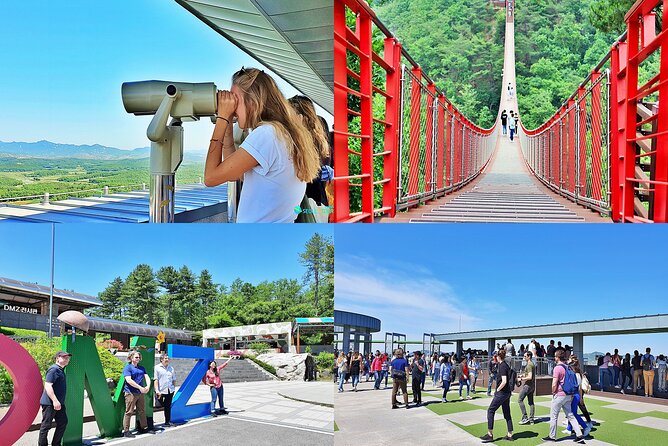
- Dora Observatory telescopes trained toward North Korea’s propaganda village, with clear-day views sometimes stretching far enough to spot a flagpole area (weather matters).
- Tunnel 3 on foot gives you the experience of the infiltration concept in a way a bus window can’t.
- North Korea Experience Hall at Imjingak adds context before you move deeper into the DMZ sights.
- Memorial stops at Imjingak and Gloucester Hill keep the day human, not just military geography.
- Gloucester Heroes suspension bridge is a fresh contrast—big sky views after a tense morning, though closure happens sometimes.
From City Hall to the DMZ: how the day is paced
This is a 9-hour, full-day outing with a morning start and a return to Seoul in the late afternoon. Meeting at City Hall Station, you’ll board a climate-controlled coach and head out toward Imjingak Park first. The schedule is busy by design: you’re packing multiple DMZ-sector stops into one day, so you should plan for a “lots of movement, short stays” rhythm.
The group stays small (max 16), which helps. It usually means better pacing, more chances to ask questions, and less “herding cats” energy than large bus tours. Several groups in the mix reported it felt almost private when headcounts were low—one group even mentioned a small size that made the day feel personal.
Two timing realities to keep in mind:
1) DMZ access can shift with military operations and weather.
2) Some sites may have reduced access (especially the tunnel and observatory), which triggers a different course.
You can also read our reviews of more tours and experiences in Seoul.

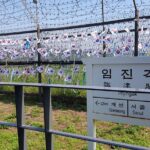
Imjingak Park and the Freedom Bridge: starting with refugees
Imjingak Park is where the story turns from politics to people. It’s set up as a place of solace for refugees from North Korea during the Korean War, and it shows in the tone: memorials, symbolic structures, and the feeling that you’re standing on a very specific kind of history. One of the first big sights is the Freedom Bridge, which frames the idea of separation in a way you can see in seconds.
You’ll also have a look at older steam trains around the park—small details, but they work. They make the war era feel less abstract. And because this stop happens early, it gives you a foundation before the day gets more technical and tactical.
Even the time at Imjingak helps you adjust. You’re typically there long enough to walk a bit, read key markers, and take in the viewpoints. Then you’re back on the coach and moving toward more “line on the map” parts of the DMZ.
The North Korea Experience Hall at Imjingak: your context boost
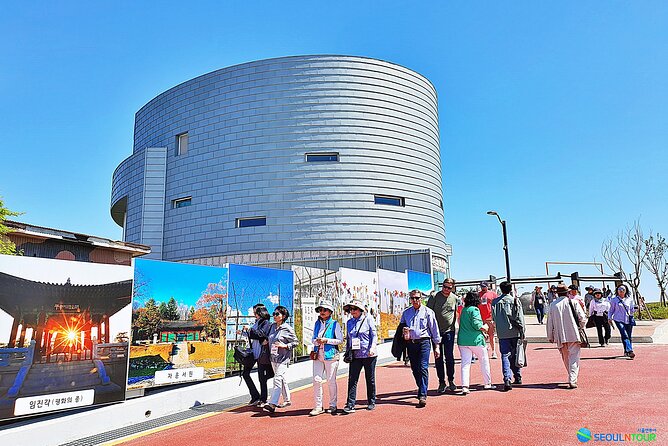
Before you get far into the border facilities, you stop at the North Korea Experience Hall (included on the signature course). This is the part I appreciate if you’re curious but not steeped in the Korean War’s later decades. It’s designed as a more educational, hands-on way to satisfy that What is actually inside North Korea? curiosity without turning the day into a guessing game.
You don’t just show up to a view platform and hope the rest falls into place. The hall helps you understand what you’re seeing later when you get telescopes pointed across the border. In other words, it’s a tool for comprehension.
If you go on a day when some DMZ access points are restricted, the experience hall still appears in the alternate route. That’s a good sign for value: you’re not left with only “standing and hoping.”
3rd Tunnel: what it feels like to go below the border
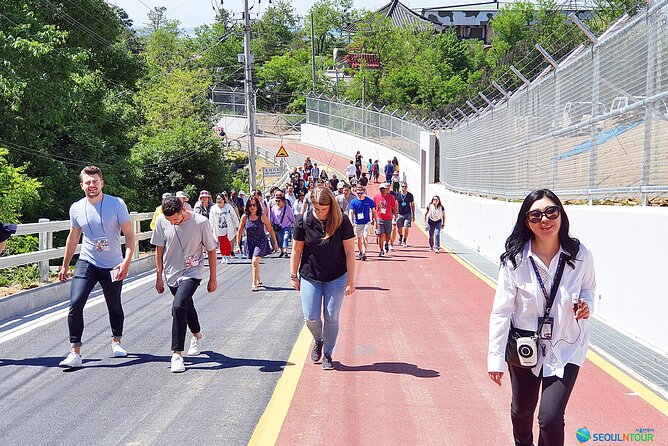
The 3rd Infiltration Tunnel is the standout stop for many people—and it’s easy to see why. This is a North Korean infiltration tunnel built in the 1970s as part of a strategy to enter South Korea. It’s discovered in 1978, and the tour format gives you a chance to follow your guide into it on foot.
This is not a quick, flat stroll. Reviews and tour guidance both point to the physical reality: stair climbing, inclines, and a narrow tunnel that requires comfortable shoes and steady pacing. One group warning was blunt: if you can handle a steep, self-assisted climb (they estimated around 400 meters of climb work), you’ll be okay; if not, plan for slow breaks.
Practical tip: bring your patience. Inside the tunnel, the day becomes a controlled, slower movement zone. You’re not chasing views; you’re experiencing how constrained infiltration efforts were. That context lands hard because it changes the meaning of “division” from a line to a lived constraint.
If you dislike claustrophobic spaces or have mobility limitations, this is the stop to think about before booking. The tour explicitly says it’s not recommended for seniors with walking problems.
DMZ Exhibition Hall: weapons and a film that stitches it together
After the tunnel, the day shifts into exhibits at the DMZ Exhibition Hall. This is where you get a more structured explanation of the Korean Peninsula’s recent history—through displays (including weapons) and a film that lays out the broader story.
I like this stop because it helps you connect the tunnel and observatory moments. Without it, you’d see points on a map. With it, you start building a cause-and-effect picture: why the tunnels exist, how the DMZ functions as an ongoing buffer, and how the Cold War’s end didn’t “end the story.”
Expect a more museum-style pace than the tunnel. You’ll want to pay attention during the film, since it’s your bridge between “what you saw underground” and “what you’re about to see through a telescope.”


Dora Observatory: seeing North Korea through telescopes
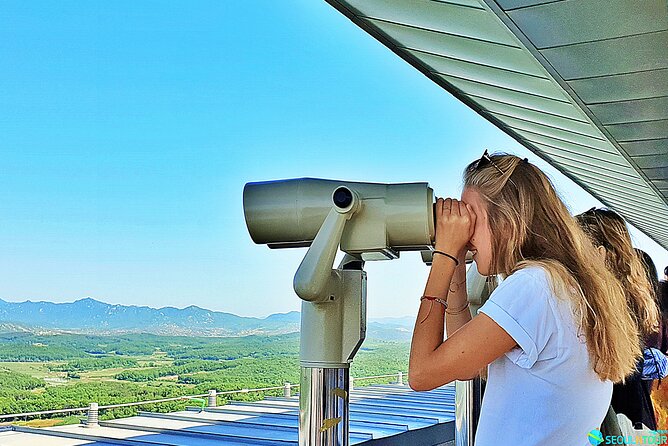
Then you drive up to Dora Observatory on Mt Dora. This is one of those places where the day becomes visual in a way most history tours can’t pull off. From Dora, you can view North Korea through telescopes trained on North Korea’s propaganda village just over the border.
On clear days, the tour notes you can even spot the flagpole in Kijŏng-dong, the southernmost village in North Korea. That’s the kind of detail that makes the observatory feel precise rather than vague.
Because the weather controls the outcome, this is where your mindset matters. You’re not guaranteed dramatic visuals. But even when visibility isn’t perfect, the telescopes and the direct viewing point do their job. And guides often help you make sense of what you’re trying to find in the scene—so ask questions while you’re there.
Several guides get specific praise for observatory guidance. For example, Roy was called out for pointing out vehicles and people you might be able to spot during the telescope view. That’s the difference between a photo stop and a guided seeing session.
Unification Village: an emotional detour from military facts
On the return drive, you pass Unification Village, and your guide shares how people on the South Korea side long for reunification. It’s brief, but it’s an important emotional counterweight to the tunnel and weapons displays.
I find this stop valuable because it reminds you the DMZ isn’t just about tactics. It’s also about identity, families separated by borders, and the daily hope that the line won’t last forever.
If you want a day that’s not only technical but also humane, this is one of the quick stops that helps keep the experience grounded.
Gloucester Hill Memorial and Gamaksan suspension bridge: war to sky views

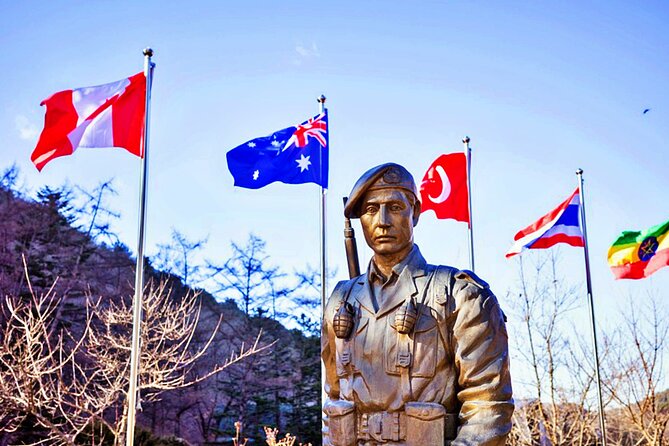
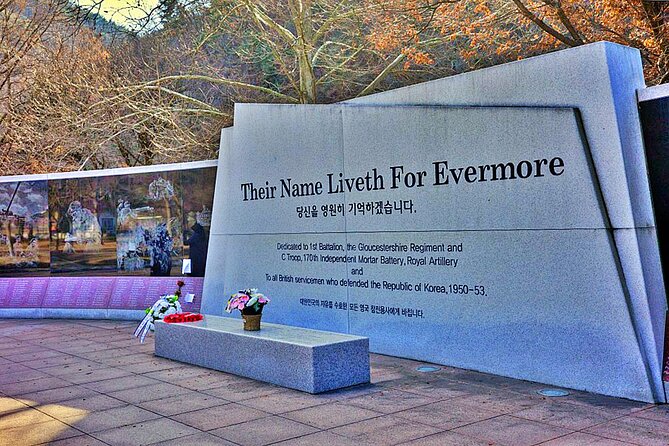
After you loop back toward Imjingak Park, the day finishes with a more battlefield-focused stop: Gloucester Hill Memorial (an important Korean War battlefield area). It’s a sobering counterpoint, and it helps you understand why the DMZ isn’t just a boundary—it’s a legacy of major conflict.
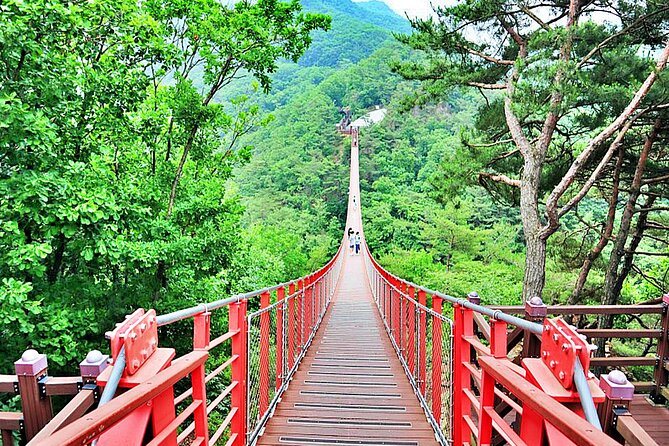
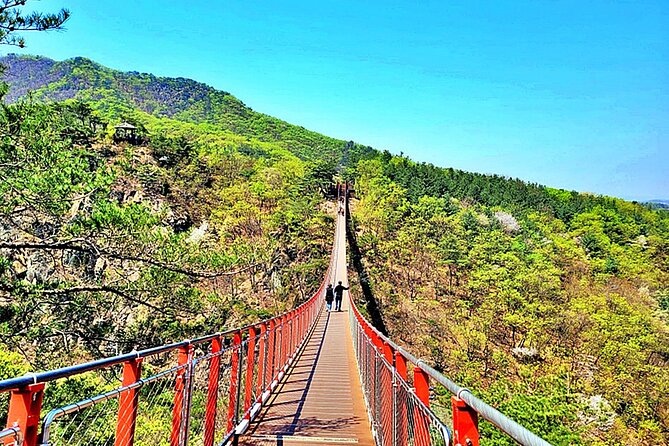
Then you head to the Gamaksan Chulleong Bridge, also known as the Gloucester Heroes Suspension Bridge. It opened in 2016 and is described as the longest mountain suspension bridge in South Korea. After hours of border tension, this is a strange-but-welcome shift: open air, a big sky feeling, and views that let your brain breathe.
One caution: suspension bridge access can be restricted. The tour notes closures can happen because of military operations or weather, including heavy rain or snow. If that happens, you won’t just miss the afternoon—you’ll get an adjusted itinerary with alternatives (more on that next).
Price and value: why $65 can work (and when it might not)
At $65 per person, this is priced in a way that often surprises people coming from Seoul, especially because it includes entrance fees and transportation. Lunch and drinks are not included, so budget for water and a meal stop strategy on your own.
Where the value really shows up is in the day structure:
- Multiple major DMZ-sector stops bundled into one outing
- Small group cap at 16 travelers
- Entrance fees covered, so you’re not doing surprise add-ons
It also matters that this is year-round, with route substitutions when certain access points are closed. In other words, you’re not paying $65 for a fragile plan that falls apart at the first hint of weather.
That said, it’s not the kind of tour to book if you’re aiming for a slow, comfortable day with lots of breaks. The day is full. If you want a relaxed sightseeing schedule, you may find the pace a lot.
Weather, closures, and what you’ll do when the border says no
The DMZ is run under strict rules. The tour spells out that Dora Observatory and the 3rd Tunnel may close due to military or weather conditions, especially on certain days. When that happens, the operator uses a special course.
For example, on Mondays, public holidays, or closures, you may see options such as:
- North Korea Experience Center and Imjingak Pyeonghwa-Nuri Park
- DMZ Peace Gondola
- Gloucester Hill Memorial Park
- Suspension bridge alternatives like Odusan Unification Observatory or other listed replacements
The tour also notes itinerary changes can happen without prior notice. So go in with a flexible attitude: the names of the stops may shift, but you should still get the “DMZ day” experience.
Also plan for rain and cold. One review mentioned a bitterly cold day handled well, with the guide keeping the schedule moving while making sure the group could still see everything. In wet or snowy conditions, the suspension bridge can close and replacements may be used.
Practical packing and in-the-moment tips (so the day feels easier)
Wear comfortable shoes. You need them for uphill walking and for going down and up in the narrow tunnel. Bring water if you can—drinks aren’t included, and you’ll burn energy waiting in lines, walking inclines, and moving between stops.
Dress for temperature swings. Seoul weather can shift quickly, and Mt Dora can feel colder than the city. If you’re going in winter, the tour day will feel longer when your hands are numb and your legs are tired.
When it comes to guide quality, the reviews show a wide spread—some guides are excellent at clear explanations and Q&A, while one review complained about hard-to-understand speech. The practical move: ask your guide to repeat key points if you miss them. Guides on this route often use the same talking points at each site, so it’s not awkward to request clarity.
Finally, be early. The tour notes you should be ready about 10 minutes before the start time at the meeting point near City Hall Station.
Who should book this DMZ + suspension bridge day?
This tour suits you best if:
- You want a full-day DMZ overview that mixes memorials, exhibits, and direct viewing
- You’re okay with a physical day (tunnel walking, inclines, stairs)
- You value a guided explanation tied to what you’re seeing
- You want a small group cap and don’t want a huge bus crowd
It’s less ideal if:
- You have significant mobility limits or struggle with steep climbs
- You expect a leisurely pace
- You get anxious in tight spaces like tunnels
And if you love border history, this is the kind of day where good guiding really matters. People highlighted guides like BK, Mr Young, Sookhee, Lua, Roy, Junie, and April for making the sites feel connected rather than random stops.
Should you book this Small-Group DMZ tour?
If your goal is to understand the Korean divide with real-world viewing points—telescope views at Dora, the on-foot 3rd Tunnel, and the memorial stops that ground the story—then yes, this is a strong choice. The small group size, the included transport/fees, and the flexible routing when access changes all point to good value for a day that would otherwise be hard to piece together on your own.
Book it when you can handle walking and you can accept that access rules can change your route. If that sounds like you, you’ll leave with a sharper sense of what the DMZ means—through sights you can actually see, not just facts you read.
FAQ
How long is the DMZ tour from Seoul?
It runs for about 9 hours and typically ends around 4:50pm, with pickup in the morning and return to Seoul in the afternoon.
Where do I meet and where does the tour end?
The tour starts at City Hall Station in Seoul and ends back at City Hall Station.
Is lunch included?
No. Lunch is not included, and you’ll also need to plan for drinks since they aren’t included.
Do I need a passport?
Yes. A current valid passport is required on the day of travel.
What sites does the signature course include?
On the standard DMZ signature course, you’ll go to places including the North Korea Experience Hall, Imjingak Park, Dora Observatory, the 3rd Tunnel, and the suspension bridge, plus additional listed DMZ stops like DMZ Exhibition Hall and Unification Village.
What happens if the Third Tunnel or Dora Observatory are closed?
On Mondays, public holidays, or when the tunnel/observatory are closed due to security or weather, the tour uses a special course with alternative stops such as the North Korea Experience Center, Imjingak Pyeonghwa-Nuri Park, DMZ Peace Gondola, Gloster Hill Memorial Park, and a suspension bridge option.
Will I always visit the suspension bridge?
Not always. The tour notes that access can be restricted due to military operations or weather, and the itinerary will be adjusted if the bridge is closed.
How physically demanding is it?
It’s listed for moderate fitness. You’ll walk and climb, including narrow-tunnel stairs, so comfortable shoes matter. It’s not recommended for seniors who have walking problems.
How big is the group?
The maximum group size is 16 travelers.
What if the weather is bad?
The tour requires good weather. If it’s canceled due to poor weather, you’ll be offered a different date or a full refund. Also, in heavy rain or snow the suspension bridge can be closed and alternatives may be used.