REVIEW · SEOUL
(Small Group) Palace & Seoul Old Town Highlights
Book on Viator →Operated by Honey Trail · Bookable on Viator
Seoul history is easier on foot. This small-group tour (max 10) strings together big Joseon-era sights with a few modern anchor points, so you leave with a mental map you can actually use. I like the guided context—you’re not just moving between photo stops—and I really like that it’s built for a short visit, around three hours.
One thing to consider: it’s a walking tour, so if you’re expecting lots of indoor time or lots of long breaks, you’ll want to manage your energy up front.
If your idea of a good trip is seeing landmark places and learning how they connect, this is a strong fit.
In This Review
- Key points to know before you go
- Why This 3-Hour Old Town Route Works in Seoul
- Meeting at Anguk Station and What the Walk Feels Like
- Insadong: Traditional Shops, Tea Houses, and Fast Cultural Orientation
- Jogyesa Temple: When Central Seoul Gets Quiet
- Gwanghwamun Square: Statues, Scale, and Palace-Front Orientation
- Gyeongbokgung Palace: Joseon Power, Built in 1395
- Bukchon Hanok Village: Hanok Lanes Between Palaces
- The Guide Experience: Lee’s Stories, Quizzes, and Patience
- Price and Value: Is $60.27 Actually Fair?
- Who This Tour Fits Best (and Who Might Want Another Option)
- Practical Tips to Make It Easier on Day One
- Should You Book Palace & Seoul Old Town Highlights?
- FAQ
- FAQ
- How long is the tour?
- What’s the group size?
- Where do we meet?
- Where does the tour end?
- Is Gyeongbokgung Palace admission included?
- Is the tour ticket mobile?
- Which stops are included?
- Is admission required for the other stops?
- What if the weather is bad?
- Can I cancel for a full refund?
Key points to know before you go
Small group, easier questions: Up to 10 people, so your guide can answer real questions instead of speed-running them.
Gyeongbokgung ticket is included: One paid admission covered, so your budget stays simple.
A tight Joseon-to-today route: You get palace power, temple calm, and city-center orientation in one sweep.
Handy photo-and-navigation stops: Sites like Gwanghwamun Square help you orient fast for later exploring.
Guide energy matters here: The guide’s storytelling style and interactive moments (quizzes/games) show up repeatedly in strong reviews.
Mobile ticket: You’ll rely on a phone ticket rather than printed paperwork.
Why This 3-Hour Old Town Route Works in Seoul
Seoul can feel huge when you first land. This tour fixes that by compressing a lot of “where is everything?” into a short time window. Instead of bouncing around randomly, you follow a logical arc: traditional shopping streets, a major temple in the city, the main palace area, then the hanok neighborhood.
I also like the pacing on this kind of outing. You get time where it counts—especially for Gyeongbokgung Palace—and shorter stops where your goal is orientation. That balance is perfect if you’ve only got a couple days, or if you want an organized backbone before you strike out on your own.
You can also read our reviews of more tours and experiences in Seoul.

Meeting at Anguk Station and What the Walk Feels Like
You meet at Anguk Subway Station, Exit 6 (outside). From there, you’ll be walking between several central sights. Since the tour ends back at the meeting point, it’s essentially a loop that helps you return to where you can easily continue your day.
Because it’s a walking format, I’d treat comfortable shoes as non-negotiable. Even if each stop is reasonable in length, your total time moving adds up. If you’re coming from another part of Seoul, plan for transit time so you’re not sprinting to the start.
Also note the tour is designed for good weather. If conditions are poor, the experience may be rescheduled or refunded with an alternative date—so keep an eye on forecasts if your schedule is tight.
Insadong: Traditional Shops, Tea Houses, and Fast Cultural Orientation
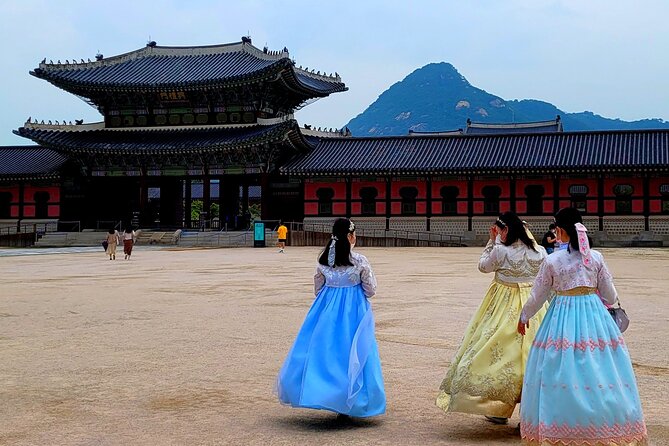
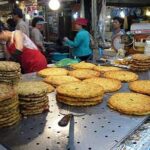
Insadong is where Seoul starts to feel like Seoul in a very practical way. This is the area known for traditional goods, restaurants, and tea houses, and it’s a smart first stop because it helps you reset your expectations about the city.
In real terms, Insadong gives you two things:
- A sense of what to look for later (traditional crafts, Korean-style souvenirs, and places where locals actually linger for food/tea).
- A baseline for neighborhood energy—the pace, the shop layout, the vibe—so later old-town exploring makes more sense.
You’ll spend a short stretch here, around 10 minutes, so you’re not meant to shop for hours. Think of it as a orientation warm-up. I like that approach because it keeps the tour focused while still pointing you toward what’s worth deeper exploring after.
Jogyesa Temple: When Central Seoul Gets Quiet
Then you shift from shopping streets into calm. Jogyesa Temple is the head temple of the Jogye Order of Korean Buddhism, founded in 1910, and it sits right in the heart of the city. That contrast—temple stillness in a very urban setting—is part of what makes Jogyesa feel special.
You’ll have about 30 minutes here, which is long enough to slow down and actually notice the place rather than just glance at it. It’s also one of the easiest stops to enjoy even if you’re not a hardcore religious history fan, because it’s about atmosphere and everyday spirituality rather than trivia overload.
One practical note: since it’s a temple, go with a respectful mindset. If you’re taking photos, be mindful of space and other visitors.
Gwanghwamun Square: Statues, Scale, and Palace-Front Orientation
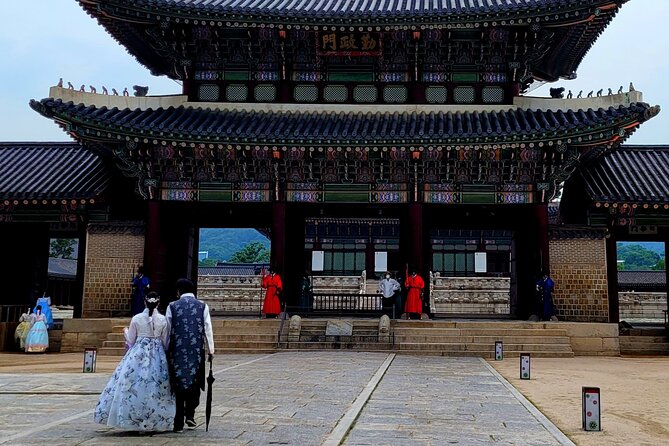
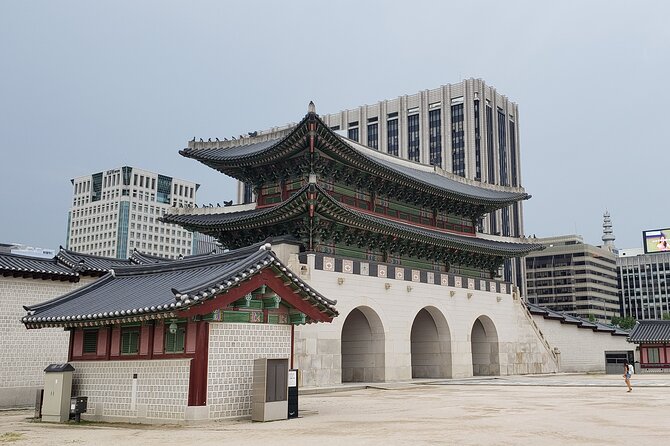
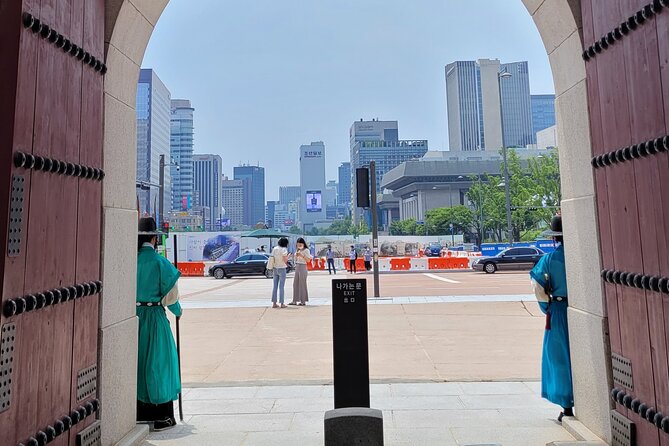
Next comes Gwanghwamun Square, located in front of Gyeongbokgung Palace. This is a central public plaza, and it’s basically Seoul’s “stand here to understand where you are” moment.
The square is anchored by statues of King Sejong the Great and Admiral Yi Sun-sin. Those aren’t just decoration. They’re helpful landmarks that connect modern Seoul to the figures people still reference when talking about Korea’s past.
You’ll spend about 20 minutes here and it works well as a transition stop. I like it because it helps you understand the geometry of the area: where the palace front sits, where major roads run, and why this section of the city feels like an official center.


Gyeongbokgung Palace: Joseon Power, Built in 1395
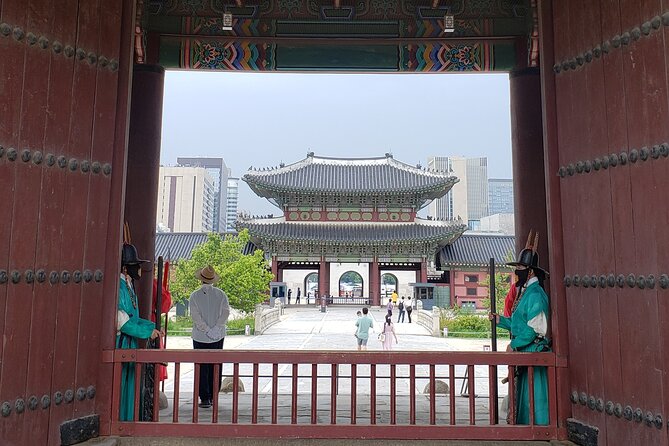
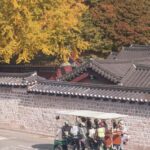
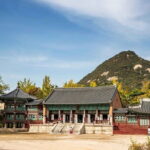
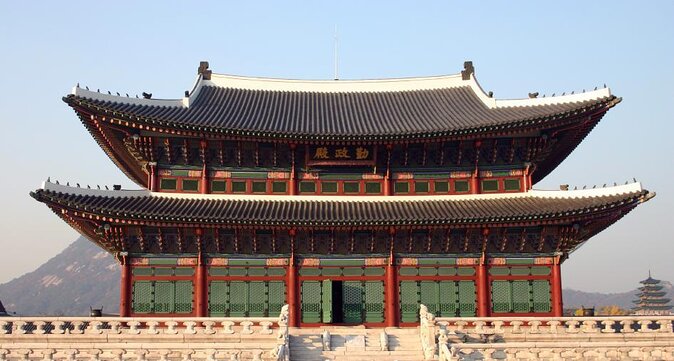
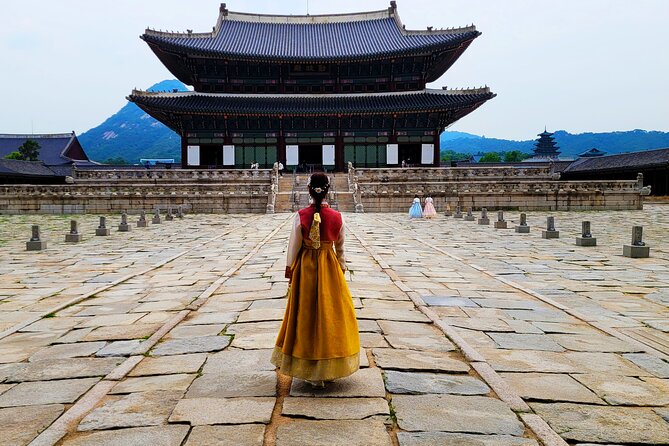
This is the big one: Gyeongbokgung Palace, the main royal palace of the Joseon Dynasty, built in 1395. You’ll get around 1 hour 30 minutes, and the palace admission ticket is included.
What I like about making this your anchor stop is simple: the palace isn’t just a pretty building. It’s the physical blueprint for how power and planning worked in Joseon Korea. The palace’s setting also helps. There are mountains behind and the city in front, which gives you an instant sense of how the landscape factored into royal design.
Compared to quicker palace visits, this timing gives you room to:
- Appreciate architecture and layout instead of only sprinting to the main gates
- Catch the guide’s explanations while you’re actually standing in front of the structures they describe
If you’ve been to other palace sites in Asia, you’ll recognize the general theme. But Gyeongbokgung is strong on the “understand the why” side—how the place functioned, not just how it looks.
Bukchon Hanok Village: Hanok Lanes Between Palaces
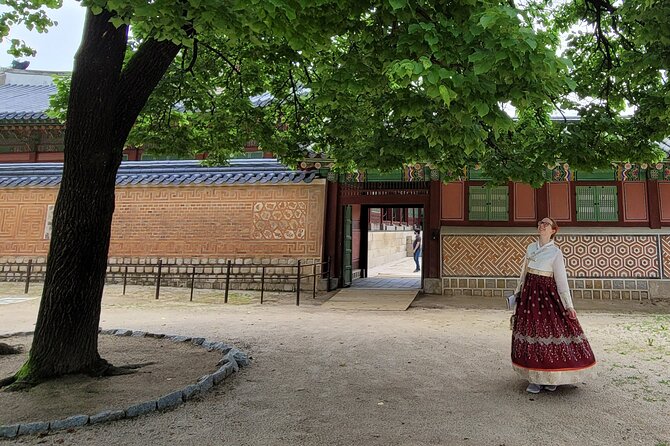
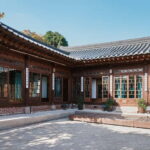
After the palace, the tour shifts to everyday historic life. Bukchon Hanok Village is a historic neighborhood between two royal palaces, filled with traditional Korean homes called hanok. The key idea here is that you’re looking at residential architecture and street form—winding alleys, traditional rooftops, and the sense of how people lived during the Joseon dynasty.
You’ll have about 30 minutes for this stop. That may sound short, but it’s actually the right length for Bukchon because the experience isn’t one single monument. It’s a walk-through of the neighborhood feel. In that time window, you can still get enough variety to understand the area without getting stuck in endless lanes.
A small caution: some streets can be sloped or uneven depending on where you end up. Wear shoes that handle uneven pavement, and don’t assume every turn will be flat and easy.
The Guide Experience: Lee’s Stories, Quizzes, and Patience
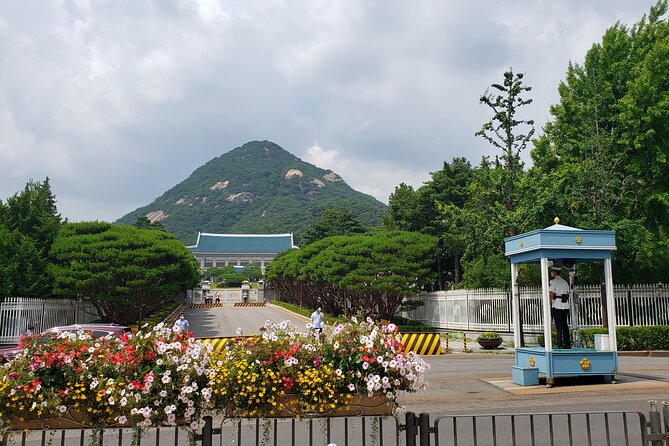
One of the standout parts of this tour is the guide. The most frequent praise centers on Lee’s ability to blend Joseon-era history with modern-day context, without turning it into a lecture.
In the strongest reviews, people highlight:
- Lee’s patience with questions and slower pacing when needed
- A good balance between historical background and current Korean life facts
- Interactive moments like mini quizzes and traditional games during breaks, which make the time feel lighter
- A caring, attentive approach that keeps everyone involved
That matters more than it sounds. Palace and temple stops can feel overwhelming if you’re just absorbing information from signs. A guide who can explain what you’re seeing, then help you connect it to what you’ll notice later around Seoul, makes the whole tour stick.
Price and Value: Is $60.27 Actually Fair?
At about $60.27 per person for roughly 3 hours, this is priced like a tour that’s meant to save your time, not just show you photos.
Here’s the value logic I’d use:
- It’s a small group (max 10), which usually means better interaction and fewer people to compete with for answers.
- The Gyeongbokgung Palace ticket is included, which reduces the chance of surprise costs mid-tour.
- You’re getting multiple major anchors in one outing: Insadong, Jogyesa, Gwanghwamun Square, Gyeongbokgung, and Bukchon.
If you’re the type who likes to wander, then DIY can be cheaper. But if you’re short on time—or you want a smoother first day in the city—this kind of routing can be worth paying for. You’re buying context, routing, and pacing in one package.
Who This Tour Fits Best (and Who Might Want Another Option)
This tour is especially good if:
- You’re in Seoul for a short stay and want a fast way to get oriented
- You enjoy walking and want your landmarks explained in a human way
- You like mixing traditional sites (palace/temple/hanok) with a couple modern orientation points (like Gwanghwamun)
It may be less ideal if:
- You’re hoping for mostly indoor visits
- You want deep time in one site only (like a long palace deep-dive). This is a highlights-focused route.
Practical Tips to Make It Easier on Day One
A few things that make this tour work better in real life:
- Wear comfortable walking shoes. You’ll be on foot through multiple neighborhoods.
- Bring a light layer. Weather in Seoul can shift quickly, and temple/palace grounds can feel cooler than street-level areas.
- Use the tour to set your plan. After the walk, you’ll be better positioned to go back to the places that match your interests, including areas like Tongin Market, which is mentioned as a highlight in the tour description.
- Ask questions. Small-group tours live or die by interaction. If something feels confusing, ask while you’re standing in front of it.
And one bonus mindset: treat the day as training wheels. Once you understand the layout between key areas like Insadong, Gyeongbokgung, and Bukchon, solo exploring gets a lot simpler.
Should You Book Palace & Seoul Old Town Highlights?
If you want the fastest path to a coherent first impression of Seoul’s Joseon-era side, I think this tour is a smart booking. The small-group size, the included Gyeongbokgung ticket, and the guide style—especially Lee’s history-to-today explanations and interactive touches—make it more than a checklist.
Book it if your priorities are:
- Efficient orientation in a few hours
- A guided walkthrough of major sights
- Getting your questions answered without feeling rushed
Skip it (or pair it with other time) if your goal is long, unstructured wandering with no guidance, or if your schedule makes walking-based timing hard.
FAQ
FAQ
How long is the tour?
The tour lasts about 3 hours.
What’s the group size?
The group is limited to a maximum of 10 travelers.
Where do we meet?
Meet at Anguk Subway Station, Exit 6 (outside).
Where does the tour end?
The tour ends back at the meeting point.
Is Gyeongbokgung Palace admission included?
Yes. The Gyeongbokgung ticket is included in the tour.
Is the tour ticket mobile?
Yes, you’ll receive a mobile ticket.
Which stops are included?
The tour includes Insadong, Jogyesa Temple, Gwanghwamun Square, Gyeongbokgung Palace, and Bukchon Hanok Village.
Is admission required for the other stops?
The listed admission for Insadong, Jogyesa Temple, and Gwanghwamun Square is free, and Bukchon Hanok Village is also listed as free. Gyeongbokgung Palace admission is included.
What if the weather is bad?
The experience requires good weather. If canceled due to poor weather, you’ll be offered a different date or a full refund.
Can I cancel for a full refund?
Yes. You can cancel up to 24 hours in advance for a full refund.