REVIEW · SEOUL
One Day DMZ and Seoul Private Tour
Book on Viator →Operated by OnedayKorea · Bookable on Viator
A DMZ tour from Seoul is one of those rare days that feels urgent, not staged. This private-style day combines the guarded sights of the Korean Demilitarized Zone with Seoul sightseeing, then ends with N Seoul Tower views at night. The whole thing runs around 7–8 hours with hotel pickup and drop-off, so you spend less time wrangling transit and more time looking at the places that explain the peninsula.
I like two things most: you get to see major DMZ reference points in one go, including the third infiltration tunnel and the Unification Bridge, rather than piecing it together on your own. And you’re not left alone with a facts-only audio guide; an English-speaking driver/guide keeps the day moving with context, smooth timing, and real care for your group’s pace.
One consideration before you book: even though it’s described as private, DMZ access can require a transfer to a shared government-approved shuttle for security, so it may not be a single private vehicle the entire way. Also, some add-ons cost extra, like the N Seoul Tower observatory/cable car and Gyeongbokgung Palace admission.
In This Review
- Key things to know before you go
- A one-day DMZ tour that still feels like a Seoul day
- Entering the DMZ route: Imjingak, Dora Observatory, and Unification Bridge
- The third infiltration tunnel: seeing a strategy up close
- What you might catch around Imjingak on the way
- Seoul sightseeing time: a breather before the palace hour
- N Seoul Tower at night: why this ending makes sense
- Price and logistics: what your $203.85 covers, and what it doesn’t
- Guide quality you can feel in the details
- When the route changes: weather, traffic, and access limits
- Who should book this DMZ and Seoul private day trip
- Who should think twice
- Should you book this tour?
- FAQ
- How long is the tour?
- Is hotel pickup and drop-off included?
- Is this tour truly private?
- What DMZ landmarks are included?
- Does the tour include N Seoul Tower?
- Is Gyeongbokgung Palace admission included?
- Are meals included?
- Does the tour include an English-speaking guide?
- What is the cancellation policy?
Key things to know before you go
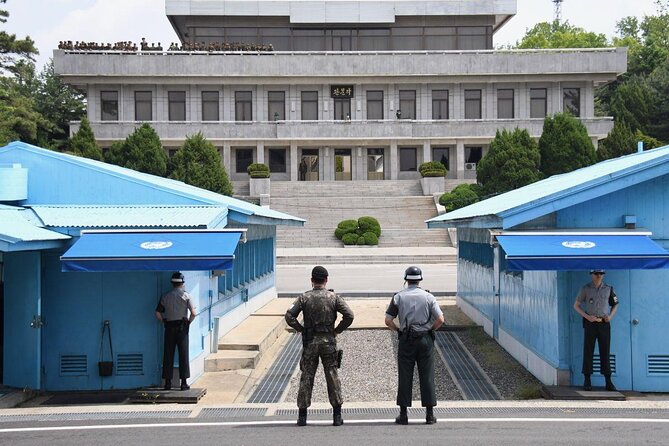
- Top DMZ landmarks in one day: third infiltration tunnel, Dora Observatory, Unification Bridge, and more around Imjingak
- Hotel pickup and drop-off: fewer logistics headaches, especially if you’re staying outside central Seoul
- Small private group size: minimum 2, maximum 8 people per booking
- Seoul sightseeing included: a 2-hour look at popular spots plus time at Gyeongbokgung Palace
- Tower stop is built in: the visit is included, but the observatory/cable car is optional and not included
- Food is on you: food and drinks aren’t part of the price
A one-day DMZ tour that still feels like a Seoul day
This experience is built for people who want the DMZ without losing the rest of the day to confusing transit. You’ll get pickup from your Seoul hotel and a dedicated English-speaking driver/guide, with the tour structured to cover border landmarks first, then pivot into classic Seoul stops, and finally wrap up at night.
The schedule is tight in the best way. The DMZ portion is short on paper, but it’s packed with the places people point to when they explain why this strip of land matters. If your goal is to see the big, recognizable sites and leave Seoul with a clearer picture, this format works.
Where you might need a mindset shift: the DMZ isn’t designed for wandering. You’ll follow the route, hit the set viewpoints, and move along. Comfortable shoes help, and I’d plan on a long day where you’re mostly looking, listening, and absorbing.
You can also read our reviews of more private tours in Seoul
Entering the DMZ route: Imjingak, Dora Observatory, and Unification Bridge
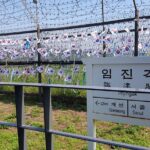
The DMZ stops are the heart of the day, and the emotional punch starts fast. You’ll visit the Imjingak area (including the pavilion) and then spend time at viewpoints tied to the peninsula’s split reality.
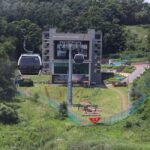
At Dora Observatory, you’ll look out toward the North Korean propaganda village. Standing where you can see the target landscape is the point: it turns geography into something you can understand. It also helps to have a guide who can connect what you’re seeing to the bigger story of the Korean Peninsula—so you’re not just staring at buildings across a line.
Then there’s the Unification Bridge, a specific landmark tied to history. The bridge is known for its role in prisoner exchanges in 1953, which makes the scene feel less like a photo stop and more like a reminder that this conflict has left concrete marks on people’s lives.
A practical note: the timing is controlled. You’ll get time at the sites, but you won’t have hours to linger. If you’re the kind of traveler who plans to freeze-frame everything, this tour is better as a focused introduction than as a slow, meandering exploration.
The third infiltration tunnel: seeing a strategy up close
One of the headline sights is the third infiltration tunnel. It’s the kind of stop that lands differently than above-ground landmarks because it forces your brain to think about how the conflict was planned, not just how it was fought.
Even if you know the basics, a tunnel changes the scale. You get a direct sense of effort, engineering, and intention. That’s why it’s often the standout for first-time DMZ visitors: it’s a physical reminder of what people tried to do—and how close those plans came.
For your comfort, treat the tunnel visit like any other potentially physical attraction. Wear shoes that work for walking and surfaces that may be uneven. It’s not about toughness—it’s about not turning your day into a sore-foot apology.
What you might catch around Imjingak on the way
The tour is designed around key DMZ anchors, but the surrounding area matters too. In real-world execution, you may see additional exhibits and nearby points connected to the Imjingak zone.
Depending on what’s available that day, you might come across exhibits such as the steam engine display, a Bridge of Freedom area, and even underground-themed stops like Beat 131. Some schedules can also include the Odusan Unification Tower and nearby memorial moments such as the War Memorial of Korea.
This is one of those areas where flexibility helps. If you show up expecting only one exact lineup of minor stops, you could feel whiplash. If you show up ready for a best-of route built around access and timing, you’ll probably enjoy it more.
Seoul sightseeing time: a breather before the palace hour
After the DMZ block, the day turns into Seoul. You’ll get about 2 hours for popular sightseeing around the city with explanations from your guide.
This is a smart pacing choice. It gives you a chance to shift from border tension back to normal street life—shops, architecture, and the kind of views you’ll recognize from photos. It also makes the rest of the day feel less like a checklist and more like an actual visit.
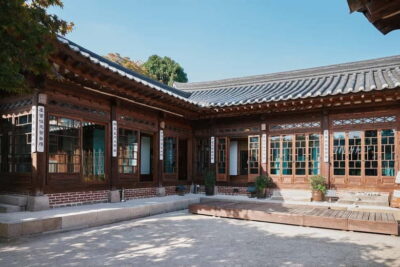
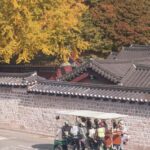
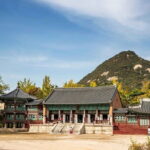
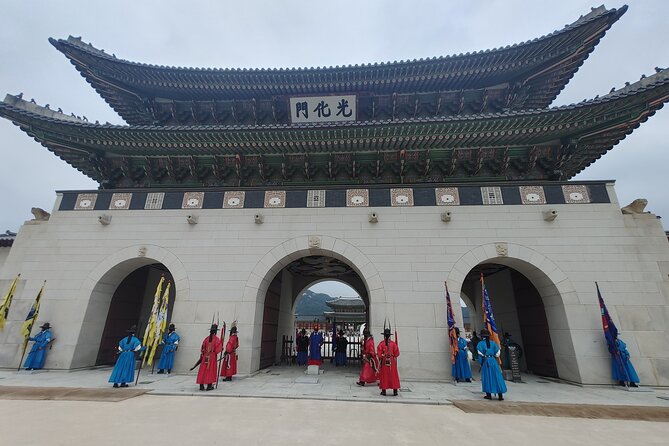
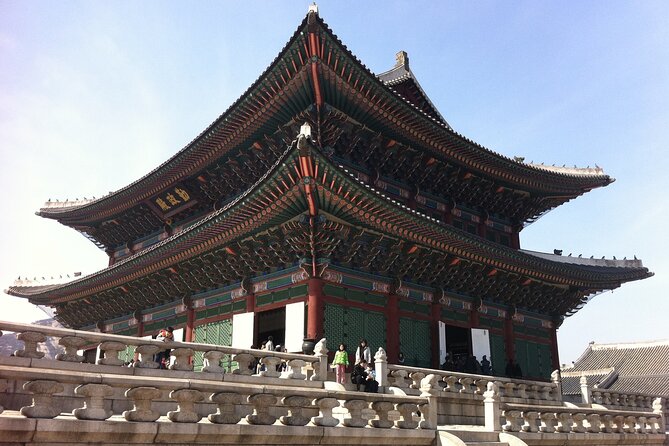
Then you’ll head to Gyeongbokgung Palace, described as the major palace of the Joseon Dynasty. You’ll have about 1 hour there, which is enough time to take in the layout, appreciate why it’s the one people talk about most, and avoid the burnout that longer palace visits can cause.
One important budget detail: Gyeongbokgung Palace admission isn’t included. So plan to pay for entry on your own.
You can also read our reviews of more tours and experiences in Seoul





N Seoul Tower at night: why this ending makes sense
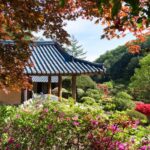
The tour closes with a stop at N Seoul Tower. This is a classic Seoul finisher for good reason. After a day that’s heavy on the head and the heart, you want a view that puts everything back into perspective: a big city horizon, river of lights, and a return to everyday scale.
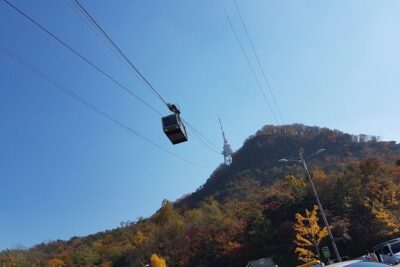
The visit is included, but two extras are optional and not included: the observatory experience and the cable car. If your goal is simply to reach the tower area and enjoy the atmosphere, you can keep it simple. If you want the best views inside the observatory, budget for that add-on.
Timing is the key variable. If you can, aim for the late afternoon or early evening stretch when daylight is fading. That’s when the tower tends to feel most rewarding rather than just tall.
Price and logistics: what your $203.85 covers, and what it doesn’t
Let’s talk value in plain terms. The price is $203.85 per person, and the experience includes hotel pickup and drop-off, transport by private vehicle, and an English-speaking driver/guide. It also includes admission for the DMZ stop.
For a DMZ day, that’s not a bad deal. DMZ access is tightly managed, and you’re paying for the guide and the transport—two things that are hard to DIY without stress.
But don’t ignore the extras. Food and drinks are not included, and Gyeongbokgung Palace admission isn’t included. For N Seoul Tower, the visit is included, but the observatory and cable car aren’t.
Then there’s the big logistics reality that affects how “private” feels. Even with a private-group arrangement, DMZ visits can involve a transfer to a shared government-approved shuttle bus for security reasons. That means you might not have a single private vehicle door-to-door from beginning to end. If you’re expecting total isolation in a private bubble, adjust your expectations.
Guide quality you can feel in the details
Guides matter a lot on a DMZ day because you’re dealing with a lot of rules, a lot of facts, and not much room for wandering. The guides tied to this experience have a consistent theme: they communicate well and keep the day calm.
In recent feedback, names like Theo, Brian, Billy, Jonathan, Kim, and Jay show up as guides who handle the day with care. People highlight things like confirmation ahead of time, arriving early for pickup, being friendly and engaging, and not rushing you through the key stops.
You’ll also get something subtle but important: a guide who gives you time to appreciate each place. When the pacing is right, the DMZ stops feel less like a fast photo line and more like a lesson you can actually absorb.
When the route changes: weather, traffic, and access limits
The itinerary can change based on weather, traffic, or personal reasons. That’s not a small detail; it’s the nature of DMZ touring. You’ll get the core sights, but the order and the exact flow can shift.
So plan like a grown-up: wear layers (it’s Seoul, it can swing), keep your day flexible, and don’t treat this as the one clockwork moment in your trip. If you’re on a tight travel schedule, build in buffer time around your hotel pickup day.
Also, this tour gives you a strong structure, but it’s still a long day. If you tend to get cranky after hours in vehicles, you’ll want to bring snacks or budget for lunch stops since meals aren’t included.
Who should book this DMZ and Seoul private day trip
This is a strong fit if you:
- Want a guided DMZ tour from Seoul that covers major landmarks without planning stress
- Like the idea of mixing the DMZ with real Seoul highlights, not just border stops
- Appreciate a small group size (up to 8 people) and hotel pickup
- Prefer an English-speaking guide who helps you connect the sights to the bigger story
It’s also a good option for couples and small groups who want privacy in the experience setup, even if the DMZ itself requires security transfers.
Who should think twice
You should consider a different approach if:
- You need a fully private, no-transfer logistics plan from hotel to DMZ sites. Security rules can require shared shuttle transfers.
- You’re hoping for lots of free time at the DMZ. The visit is controlled and time is limited.
- You’re sensitive to extra paid items. Palace admission, tower add-ons, and food are not included.
And one more honest note: the DMZ can feel emotional and intense for some people, and unexpectedly short for others. If you’re expecting a half-day of deep wandering at the border, this tour is more of a concentrated overview.
Should you book this tour?
If your goal is to see the third infiltration tunnel, stand at the Dora Observatory viewpoint, and understand the significance of the Unification Bridge, then yes—this is a practical way to do it. The hotel pickup, small group size, and guided explanation help turn a hard-to-plan day into something smooth and meaningful.
I’d book it especially if you’re pairing Seoul for the first time and want the day to include royal architecture at Gyeongbokgung Palace and night views at N Seoul Tower. Just go in knowing where the costs land (palace, tower add-ons, meals) and that DMZ security may require a transfer even on a private-style day.
FAQ
How long is the tour?
The tour runs about 7 hours (approx.), and the overall description frames it as an 8-hour guided day.
Is hotel pickup and drop-off included?
Yes. The tour includes pickup and drop-off from your Seoul hotel.
Is this tour truly private?
It’s a private tour/activity with only your group participating (up to a maximum of 8 people). For DMZ security, there may be a required transfer to a shared government-approved shuttle bus.
What DMZ landmarks are included?
You’ll see key DMZ sites such as the third infiltration tunnel, Dora Observatory (with views toward the North Korean propaganda village), Unification Bridge, and Imjingak Pavilion.
Does the tour include N Seoul Tower?
Yes, it includes a visit to N Seoul Tower. The observatory and cable car are optional and not included.
Is Gyeongbokgung Palace admission included?
No. Gyeongbokgung Palace ticket admission is not included.
Are meals included?
Food and drinks are not included.
Does the tour include an English-speaking guide?
Yes. You’ll have an English-speaking driver/guide.
What is the cancellation policy?
You can cancel for a full refund if you cancel up to 24 hours in advance of the experience start time.