REVIEW · SEOUL
DMZ Tour + The War Memorial of Korea Museum
Book on Viator →Operated by YEHA TOUR · Bookable on Viator
Peace has a shadow here.
This day trip strings together the places that explain the Korean War in plain sight. I like the tight, guided flow—you watch the DMZ briefing, then you’re at the viewpoints fast—and I also like that the tour wraps with the War Memorial of Korea so the morning’s emotional impact gets translated into context you can actually use. One thing to consider: it’s a full 8 to 9 hours, and the Third Tunnel is steep and narrow, so wear shoes you trust.
If weather or military activity affects DMZ access, the schedule can shift or the tour may be canceled. And because entry to the DMZ requires a passport, you’ll want to have it ready early.
In This Review
- Key highlights worth prioritizing
- 7:00 am pickup and the ride to Imjingak Peace Park
- Imjingak Pyeonghwa Nuri-Park and the Bridge of Freedom
- DMZ theater briefing and the exhibition hall: learn before you stare
- Dora Observatory: binocular views into the DMZ
- The Third Tunnel walk: steep, narrow, and controlled
- War Memorial of Korea: the Seoul payoff after the DMZ
- Tour value for $65: what you’re really buying
- Who this DMZ + War Memorial day fits best
- Should you book this DMZ + War Memorial tour?
- FAQ
- What is the duration of the DMZ Tour + War Memorial of Korea?
- Where does the tour start and end?
- What time does the tour start?
- Do I need a passport for the DMZ?
- Is lunch included?
- What’s included in the price?
- Do I get a mobile ticket?
- Is the group size limited?
- What happens if there is bad weather or a military issue affecting the DMZ?
- What should I wear for the Third Tunnel?
Key highlights worth prioritizing
- Small-group feel within a cap of 40: you get real guide attention without the chaos of a giant bus.
- Guides like Bill Hwang, Kane Kim, Ann Jung, Jae Seo, and Kevin: the best part is how they connect the dots between sites, not just facts.
- Imjingak Peace Park + Bridge of Freedom: you see how the war’s aftermath still shows up in memorial space.
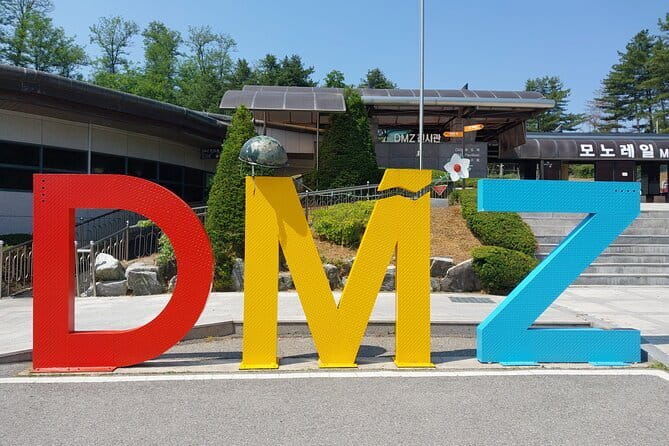
- DMZ theater and exhibition hall first: you get the baseline before you look through binoculars.
- Dora Observatory viewpoints: binocular views across the DMZ, including North Korea territory when accessible.
- Third Tunnel walking route: steep slope with rest points; no camera access inside the tunnel area.
7:00 am pickup and the ride to Imjingak Peace Park
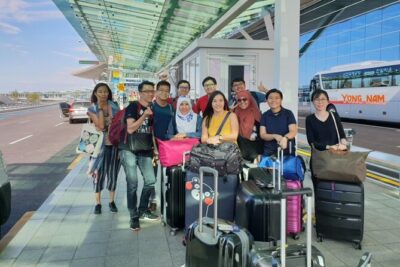
The day starts early: meet at Myeong-dong Station, Exit 4, and the pickup time is 7:00 am. The whole tour runs about 8 to 9 hours, and you’ll get back to Myeong-dong by the end of the day.
Right away, you’re on a comfortable, air-conditioned bus with a professional guide and assigned time blocks for each stop. The drive to the DMZ region is long enough that the day won’t feel rushed, but short enough that you still get a full set of sights without spending your life in traffic. Expect roughly 1.5 hours to reach Imjingak Pyeonghwa Nuri-Park.
This is a good setup if you’re trying to do the DMZ without playing scheduling Tetris. It also helps you stay focused—when the guide is leading, you’re less tempted to wander off and miss the tight timing at each checkpoint.
One practical note: the tour provides a mobile ticket, and you should keep it accessible on your phone. And yes, you should also keep your passport on you the day of the tour—DMZ entry depends on it.
You can also read our reviews of more museum experiences in Seoul

Imjingak Pyeonghwa Nuri-Park and the Bridge of Freedom
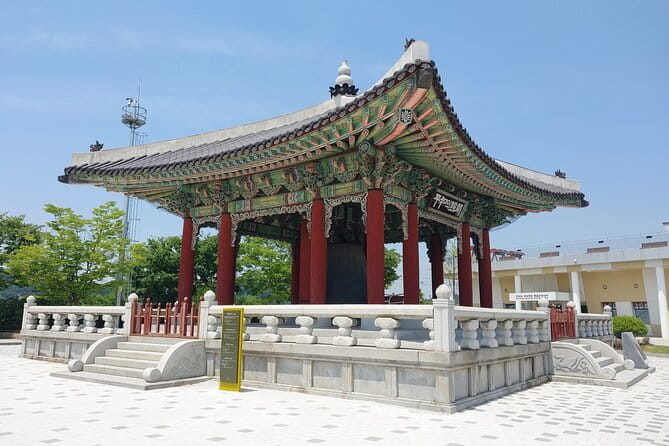
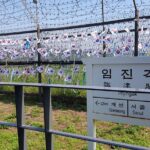
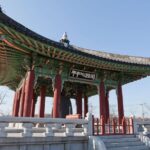
The first major stop is Imjingak Pyeonghwa Nuri-Park, set up specifically around the Korean War’s lingering impact. This is where the day moves from theory into “this is what remains.”
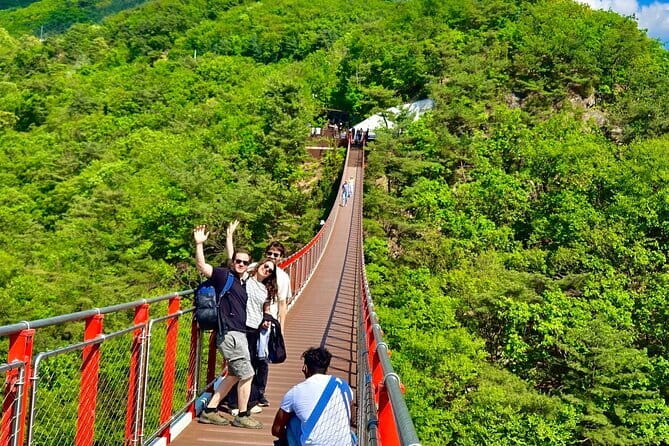
The headliner is the Bridge of Freedom. It’s described as a temporary bridge, so don’t expect grand architecture. What you’re really absorbing is the symbolism: the bridge represents tragedy and separation connected to the war. It’s the kind of place where you’ll notice people walking slower, taking longer looks, and reading more than they usually would.
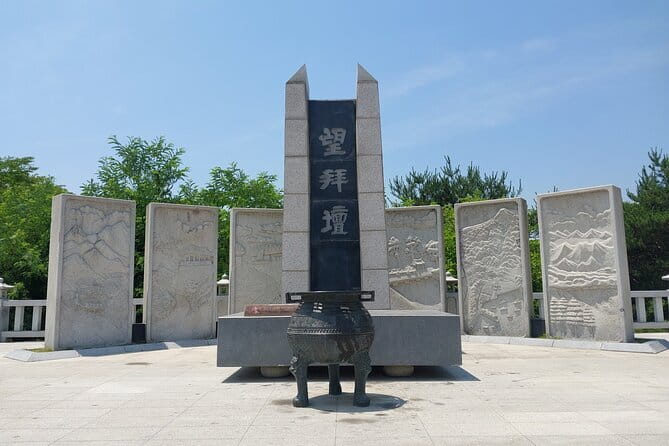
You’ll also go through the park’s exhibits, including places tied to the wartime narrative such as the Mangbaedan Memorial and a steam locomotive at the Jangdan station area. These aren’t just set dressing. They’re physical reminders that the war wasn’t only fought on battlefields—it continued into memory, infrastructure, and identity.
If you care about photos, aim to get your “park” pictures here. Later, camera rules change, especially around the tunnel. So use the first stop for the wider shots and the atmosphere shots.
DMZ theater briefing and the exhibition hall: learn before you stare
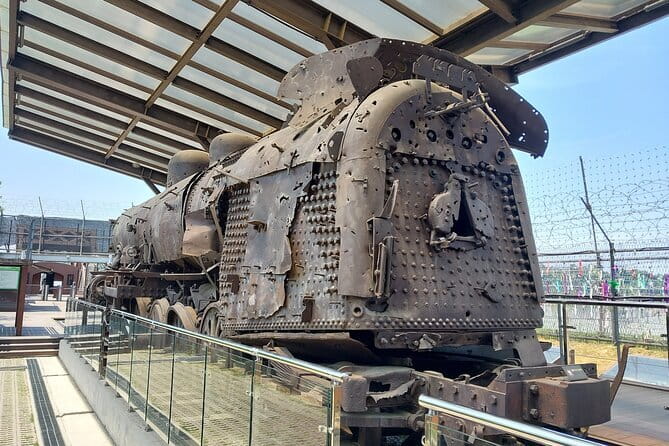
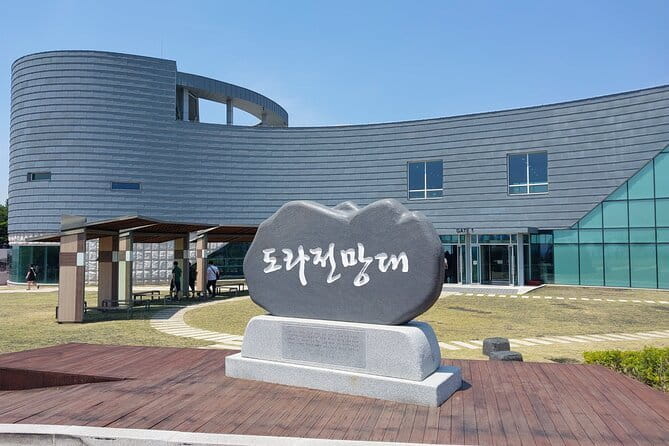
Next comes the DMZ area itself, starting with a short time in an on-site theater. You’ll watch a video clip about the Korean War, then you’ll head into the DMZ exhibition hall for relics, records, and general information.
This is one of those steps that can feel optional if you hate instructions. But it’s not. The theater and hall work like a quick mental map. When you later reach the observatory and the tunnel, you’ll understand what you’re seeing instead of just thinking: I am looking at a fence and some buildings. With the briefing, you start noticing why certain viewpoints matter and why specific structures are talked about.
In my view, this is also where your guide earns their fee. Guides on this tour do a lot of connecting-the-dots work, and the strongest ones—like Bill Hwang and Kane Kim in the group examples—use the short time efficiently. That matters because the whole day is packed.
A small reality check: this stop is timed. You’re not wandering. You’re moving with the group, and you’ll have to keep up with the pace.
Dora Observatory: binocular views into the DMZ
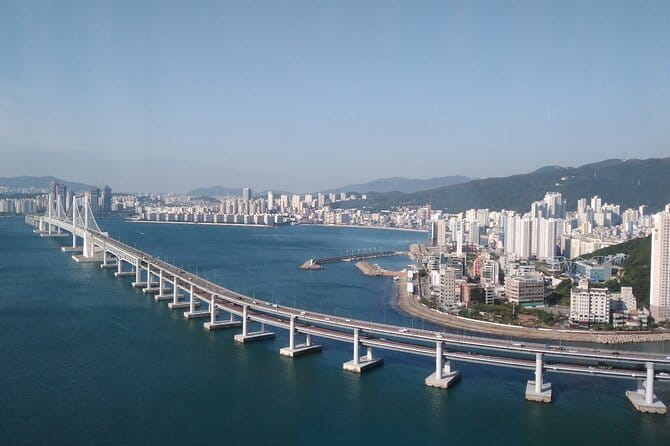
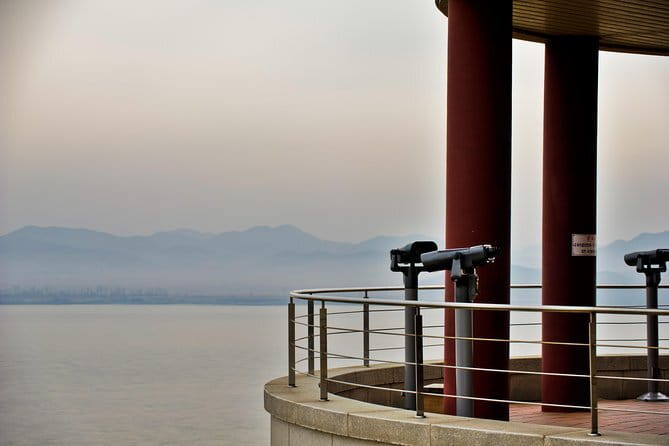
Then you head to Dora Observatory, the classic place where you trade museum reading for actual looking. Here, you get scenic views across the Demilitarized Zone, including North Korean territory, using binoculars.
The observatory experience is built around the fact that distance and restrictions are part of the story. You’re not getting a close-up tour of a border town. You’re getting the view—then you’re letting your brain do the rest.
There are also North-facing features mentioned as part of what you might see from this vantage, including elements like the propaganda village and the jamming tower (when they’re visible from the observatory’s viewing points). Even if your expectations are modest, you’ll likely come away with a more grounded sense of how the border shapes what both sides can “present” and “control.”
Practical tip: bring your patience for the binocular setup. Lines and instructions can slow things down a bit, and it’s worth listening carefully so you don’t waste your moment staring in the wrong direction.
The Third Tunnel walk: steep, narrow, and controlled
The day’s most physically demanding stop is the Third Tunnel. This is the infiltration tunnel associated with North Korea’s digging into the South, shown in a guided context as evidence of intentions to invade.
Wear comfortable clothes and shoes. The tour specifically recommends that you’re ready for a steep and narrow walk. I’d add: treat this like a mini workout, not a stroll.
Some details that can help you plan your effort:
- Inside the tunnel area, there are not many photo chances, and you can’t take certain types of photos—especially photos aimed toward North Korea.
- Camera restrictions are real in the tunnel environment, and personnel on the viewing platform may monitor for improper photo behavior.
- The tunnel slope is steep, but some groups report it’s possible with rest stops and benches during the route.
- One good thing: at least for some routes, people note there aren’t steps down, though the slope still requires stamina.
Also remember: this part of the day is controlled for safety and rules, so don’t expect to linger off-script. Go at your pace, take the rests when they’re offered, and you’ll get through it without turning it into a struggle.
This is also where your guide’s presence matters most. In the best experiences, guides like Bill Hwang have walked with people through the tunnel and kept the group moving safely. That’s the difference between seeing a tunnel and having it feel like something you understand.


War Memorial of Korea: the Seoul payoff after the DMZ
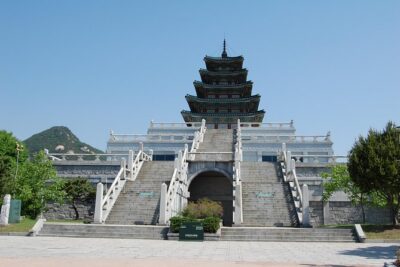
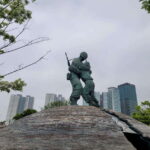
After the DMZ-focused stops, the tour ends with The War Memorial of Korea in Seoul. Admission for this portion is free, and you’ll spend about 1 hour there.
This museum is where the day shifts from viewing restrictions to storytelling. You’ll see records and exhibits related to Korea’s longer history and the Korean War, and your guide will help you make sense of the themes instead of leaving you to wander for an hour.
I love using this as a “reset.” The morning can feel heavy. The museum helps you translate that heaviness into timeline and cause-and-effect. In the experiences I’ve drawn inspiration from, people say the War Memorial gives clarity because the guide tells the stories in a condensed, understandable way.
One honest heads-up: 1 hour is not enough to see everything. If you want every exhibit in detail, plan a separate museum visit later. But for a tour day, the time is used well—especially because it closes the loop on what you watched and looked at earlier.
Tour value for $65: what you’re really buying
At $65 per person (booked often about 22 days in advance on average), you’re not just paying for transit. You’re paying for a full package of timed access, an organized route, and guide context across multiple locations in a single day.
Here’s what you get that usually costs more if you do it yourself:
- Air-conditioned vehicle with parking covered
- Professional tour guide
- Admission tickets included for the key DMZ-related sites: Imjingak Peace Park, the DMZ briefing/exhibition, Dora Observatory, and the Third Tunnel
- War Memorial admission included as free entry
- Mobile ticket
The “not included” part is mostly practical: lunch is not included. That means you should plan for either bringing snacks or buying something nearby on your own timing. Since the day is long and controlled, having a simple plan for food prevents stress later.
In terms of value, the big win is compression. Doing this in bits—park, observatory, tunnel, museum—takes time, effort, and planning around border access rules. This tour strings it together with a guide who can explain what you’re seeing as you go.
Who this DMZ + War Memorial day fits best
This is a strong match if you want a structured, guided DMZ experience without getting stuck on logistics. The tour is also designed for people who can handle moderate physical demands. That matters most because the tunnel walk is steep and narrow.
You’ll likely enjoy it most if you:
- Like history and want the “why” behind what you see
- Prefer a guided pace over independent exploration
- Want the emotional impact of the DMZ paired with a museum-based context at the end
If you’re traveling with limited mobility or struggle with slopes, the tunnel could be a problem even with rest opportunities. The tour suggests moderate physical fitness, and it’s worth taking that seriously.
Also, this isn’t ideal if you hate rules. DMZ and tunnel areas come with restrictions, including camera rules and controlled viewpoints. If you can handle that, you’ll get more out of the day.
Should you book this DMZ + War Memorial tour?
Yes, if you want a guided, one-day plan that connects the DMZ sights to the larger picture. This tour’s strongest advantage is the order: you learn in the theater and exhibition hall, you look from Dora with binoculars, you experience the Third Tunnel with real effort, and then you finish with the War Memorial of Korea so the day doesn’t just end on emotion.
I’d book it if:
- You’re short on time in Seoul and want maximum meaning per day
- You value a guide who can explain, not just chauffeur
- You’re okay with the tunnel’s steep, narrow conditions
I’d hesitate if:
- You’re not comfortable with physical demands or tight spaces
- You need a long, slow museum day (because the War Memorial stop is timed at about 1 hour)
- You’re not ready to carry your passport and follow DMZ-area rules
If you go in prepared—good shoes, passport in hand, and a realistic mindset about viewing restrictions—you’ll come away with a much clearer understanding of what the DMZ represents, and why it still shapes everyday life.
FAQ
What is the duration of the DMZ Tour + War Memorial of Korea?
The tour runs about 8 to 9 hours.
Where does the tour start and end?
It starts at Myeong-dong Station Exit 4 (Subway Line 4) and ends back at Myeong-dong Station. Pickup is from points close to your hotel.
What time does the tour start?
The start time is 7:00 am.
Do I need a passport for the DMZ?
Yes. You must carry your passport on the day of the tour. If you don’t have it, you won’t be allowed to enter the DMZ.
Is lunch included?
No. Lunch is not included.
What’s included in the price?
The tour includes an air-conditioned vehicle, parking fees, a professional tour guide, and admission tickets for the stops. War Memorial of Korea admission is listed as free.
Do I get a mobile ticket?
Yes. The tour provides a mobile ticket.
Is the group size limited?
Yes. The tour has a minimum of 10 travelers and a maximum of 40 travelers.
What happens if there is bad weather or a military issue affecting the DMZ?
The tour is subject to cancellation or delay in the event of an unexpected military issue or bad weather in DMZ. The additional note says no refund in that situation, and the general policy also says you may be offered another date or a full refund if canceled due to poor weather.
What should I wear for the Third Tunnel?
Comfortable clothes and shoes are recommended because the tunnel is steep and narrow.