REVIEW · SEOUL
10day Small Group Discover Korea Tour : History, Food and Culture
Book on Viator →Operated by Here Korea Travel · Bookable on Viator
Jeju to DMZ in one trip. I love the Jeju volcanic sights and the English-speaking guide who helps you make sense of each stop. This tour strings together scenery, temples, markets, and modern Seoul in a way that stays practical even when days get long.
The main drawback is the pace. You’ll move by flight and car multiple times, and some meals are on your own outside the included breakfast, lunch, and dinners.
In This Review
- Key Things That Make This Tour Worth Your Time
- Price and Value: What $3,800 Buys You Here
- Day 1 in Jeju: Dokkaebi Road and the Island’s Quirky Side
- Jeju Day 2: Lava Tubes, Craters, Black Sand, and Sunrise Peak
- Busan in a Day: Stair-Step Houses, Sky Views, and Seafood Markets
- Gyeongju: Silla-Era Stops Plus One Night at Golgulsa
- Jeonju and the Food City Day: Hanok Walking and Rice Wine Evenings
- Seoul Core on Days 7–8: Palaces, Hanok Alleys, Markets, and Tower Views
- The DMZ Day 9: Expect Security Rules and Early Timing
- Final Days in Seoul: NANTA Comedy, Hands-On Cooking, and Myeongdong Energy
- Who This Tour Fits Best (And Who Might Feel Crowded)
- Should You Book It?
- FAQ
- How long is the tour?
- Where does the trip start?
- Are flights and hotels included?
- Is there an English-speaking guide?
- Are meals included?
- Are attraction tickets included?
Key Things That Make This Tour Worth Your Time
- Jeju geology hits early with signature stops like Dokkaebi Road, Manjanggul Cave, and Seongsan Ilchulbong
- Real built-in food time, from Dongmun Market and Jagalchi to Jeonju bibimbap and a k-cooking class
- One-night Golgulsa Temple Stay gives you a change of tempo from city sightseeing
- Seoul classics plus local markets: Gyeongbokgung, Bukchon Hanok Village, Insadong, and Kwangjang Market
- DMZ is handled with rules in mind, including early first-come access timing
- You can customize within reason, with the guide discussing and adjusting the plan and recommending places to eat
Price and Value: What $3,800 Buys You Here
$3,800 per person is not cheap, so I look for the big cost reducers: transport, lodging, tickets, and meals. This tour includes domestic flights (Gimpo to Jeju, then Jeju to Busan), 9 nights in 3.5–4 star hotels, and entrance fees on the planned sites.
On top of that, you get 7 breakfasts, 7 lunches, and 2 dinners. In Korea, once you start paying for everyday transit and attraction entry fees all on your own, those costs add up fast, especially with this kind of route that covers multiple cities.
There’s also a meaningful add-on: 1 night at Golgulsa Temple Stay, plus an AC vehicle and an English-speaking guide. For a guided, multi-city trip, that bundle is where the value lives.
You can also read our reviews of more food & drink experiences in Seoul
Day 1 in Jeju: Dokkaebi Road and the Island’s Quirky Side
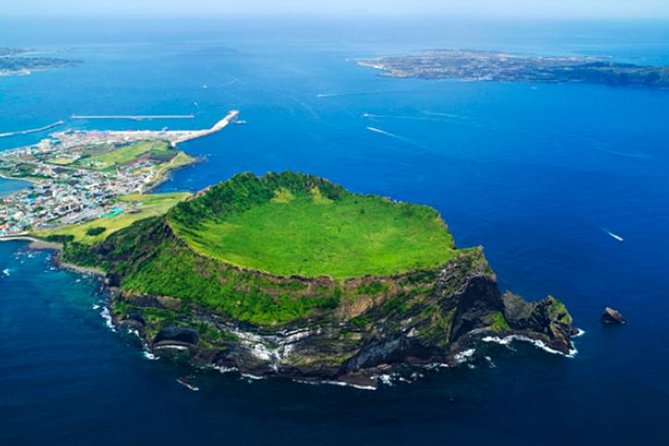
You start at 9:00 am, then fly from Gimpo Domestic Airport to Jeju (about an hour). The plan notes weather can delay or cancel flights, and the day can shift to keep you moving.
Once you land, you meet a driver and head to your Jeju hotel. Hotel check-in is on your own, and meals on this first day are not fully built-in, so you’ll want a little cash or a plan for lunch.
Then the sightseeing starts with Dokkaebi Road (Mysterious Road), a hill that can feel like the laws of physics are taking a coffee break. It’s the kind of stop that’s quick and fun, and the payoff is mostly the experience.
Next is ARTE MUSEUM JEJU, a video-and-light art museum. This is a nice counterweight to all the outdoor stops because it gives you an indoor reset.
You follow that with Spirited Garden, a bonsai-focused park tied to Korean tourism awards and celebrity visits (based on the tour’s description). If you like gardens, it’s a calm moment before you head back to the coast and volcanic formations.
The day finishes with Hyeopjae Beach, where you can relax or grab a cafe with sea views, plus Jusangjeollidae (columnar volcanic rock formations) and Cheonjiyeon Falls. The mix is smart: odd geology, then nature beauty, then a practical beach break.
Jeju Day 2: Lava Tubes, Craters, Black Sand, and Sunrise Peak
Day 2 stays on Jeju full force, and it’s built around the island’s volcanic origin. Start with Manjanggul Cave, described as one of the longest and finest lava tubes in the world. Caves on Jeju often feel like stepping inside the island’s engine room, and this is one of the headline stops.
Then you get Sangumburi Crater, a large flat crater with a big circular footprint. It’s an easy photo stop and a good way to understand the scale of Jeju’s volcanic system.
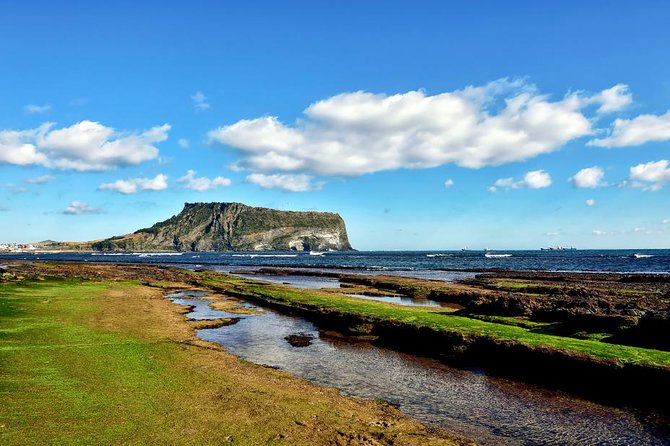
Gwangchigi Beach is the next switch: black sand from basalt and a different look than typical beach scenery. If you’re expecting sand that looks like a postcard, this is your reality check in the best way.
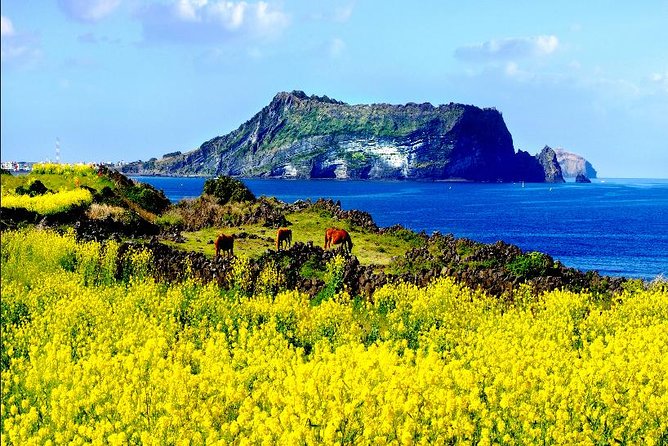
Then comes Seongsan Ilchulbong (Sunrise Peak). You climb up to a crater with grass, and the route is designed so you’re not just staring from the base. It’s short to medium time, but it’s one of those places where the shape of the island becomes obvious.
After that, Seongeup Folk Village gives you indigenous Jeju culture tied to life around Mt. Halla. It’s a useful cultural bridge after all the geology.
Finally, you end at Dongmun Market. Markets are not just shopping; they’re where you see what locals actually eat and buy. The tour keeps it casual, so you can snack, compare prices, and keep your energy for later travel.
Busan in a Day: Stair-Step Houses, Sky Views, and Seafood Markets
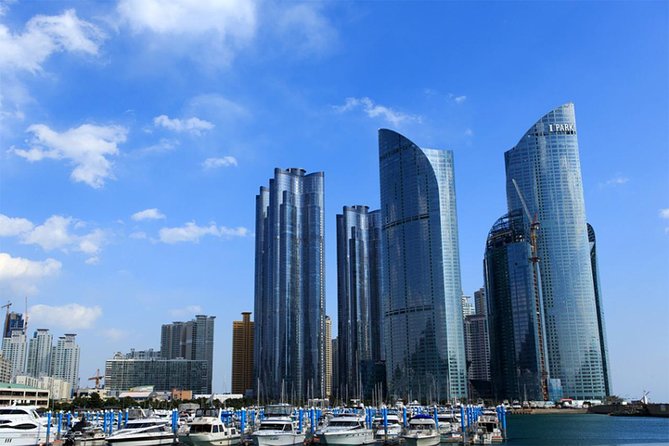
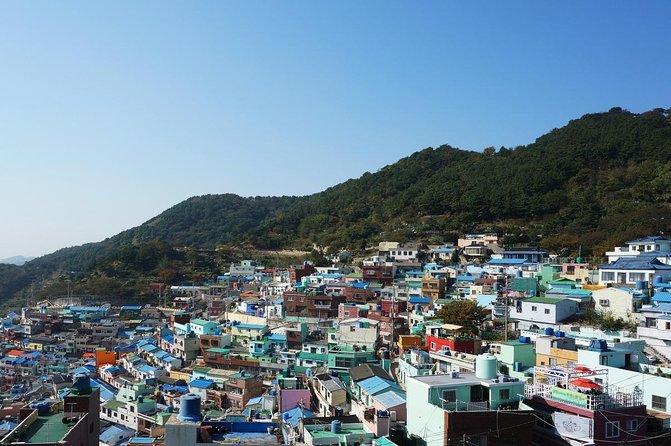
On Day 3, you fly from Jeju to Busan and start immediately. The route begins at Gamcheon Culture Village, with houses built on a steep hillside in a staircase pattern. It’s the kind of place where you walk a lot, take photos, and then realize the real fun is how the streets connect.
Next is Songdo Skywalk with sea views. It’s paired with an optional ocean cable car, so you can choose based on comfort and budget priorities.
You then head to BIFF Square, which is tied to the Busan International Film Festival but functions as a food street too. The tour guide spotlight here is street snacks, especially sweet pancakes.
From there, you visit Jagalchi Market, Busan’s big fish market. It’s interesting in a raw, visual way, and the tour keeps the time short enough that you’re not stuck for hours. If you want seafood without the overload, this is a good hit.
After the markets, you’ll visit the area around Busan’s long double-decker bridge, with nighttime light and festival-type events described as seasonal possibilities like light shows, fireworks, and drone displays. That part depends on what’s scheduled, so I treat it as bonus atmosphere rather than a guaranteed performance.
You finish Busan with Haedong Yonggungsa, a temple by the sea. This is one of those stops where the ocean and the architecture make each other look better.
Gyeongju: Silla-Era Stops Plus One Night at Golgulsa
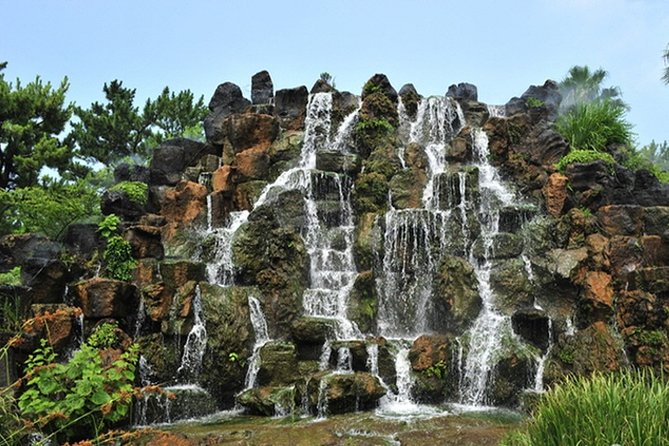
Day 4 shifts you inland to Gyeongju, where the tour focuses on major historic temple sites. You start with Golgulsa Temple, and this is the big difference-maker: it includes 1 day and functions as a temple stay.
Even with limited details in the plan, the value is clear. You’re trading one night of city convenience for a quieter rhythm tied to monastic culture, and that alone breaks up the constant sightseeing tempo.
Then you visit Bulguksa Temple, described as a 1,000-year-old Buddhist temple from the Shilla Kingdom era. After a temple stay, this feels less like a checklist and more like follow-through.
Next is Seokguram, described as the best perfect Buddha statue and linked to a David statue comparison in the tour notes. Either way, it’s a compact stop that pairs well with Bulguksa because you’re still in the same spiritual geography.
Day 5 continues the Silla theme with a deeper history layer. You start at Daereungwon Tomb Complex, which includes multiple tomb sites spread around the area. This is an excellent stop for anyone who likes archaeology-type shapes and scale.
Then Cheomseongdae Observatory comes in as a quick but fascinating science note. The tour frames it as an astronomical observatory, and it’s short enough that you don’t feel rushed.
You add Gyeongju National Museum with Silla artifacts, including a newly renovated Silla art and history gallery. Museum time is practical here because it balances outdoor walking with indoor context.
Then the itinerary saves the mood for night views at Donggung Palace and Wolji Pond. The tour calls out it as the most famous night view spot. You also stop by Woljeonggyo Bridge, positioned as part of that nighttime atmosphere.
You can also read our reviews of more tours and experiences in Seoul
Jeonju and the Food City Day: Hanok Walking and Rice Wine Evenings
Day 6 is a shift from grand temple and palace scale to a more intimate, human-sized experience. After breakfast in Gyeongju, you head toward Jinan (with a drive described as about 2.5–3 hours) and stop at Maisan Mountain.
The tour describes Maisan as shaped like a horse ear, with an observatory stop along the way. If you like quick viewpoint stops, this works well because it adds variety without consuming the whole day.
Then you visit Tapsa Temple, recommended by CNN in the tour notes and famous for over 80 stone pagodas built by Lee Gapyong. That’s the kind of detail you can keep in mind while you walk, and it gives the scenery a story.
After that, you arrive in Jeonju Hanok Village. This stop is directly tied to food: you’ll try bibimbab and there’s a plan for traditional rice wine table at night.
You also get Gyeonggijeon Shrine and Jeondong Catholic Church. The contrast is interesting: Joseon royal portrait history on one side, then Catholic martyr memory on the other.
Then you climb to viewpoints at Omokdae and Imokdae, observatory spots where you look down over the area. It’s a nice way to connect the hanok streets to the larger layout.
Finally, your supper is at 옛촌막걸리 삼천점, described as a Korean style pub where rice wine orders bring out different food on the table, up to a set limit. If you like the idea of ordering into a shared meal, this is a fun ending to a long day.
Seoul Core on Days 7–8: Palaces, Hanok Alleys, Markets, and Tower Views
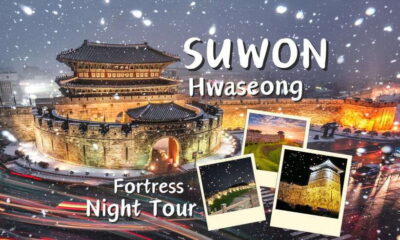
Day 7 moves you to Seoul from Jeonju, with a drive described as about 3 hours. On the way back to Seoul, you stop at Suwon Hwaseong Fortress, specifically identified as a UNESCO World Cultural Heritage Site (designated December 12, 1997).
This is paired with Suwon, where the tour highlights a fried chicken street with many restaurants. It’s also described as having chicken flavors marinated with Korean BBQ sauce-style notes. The point here is simple: you get a concrete place to eat without guessing.
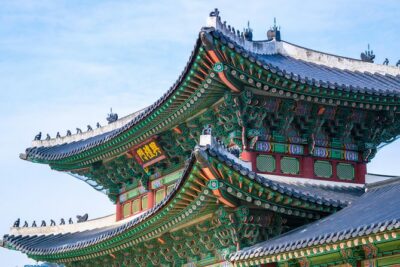
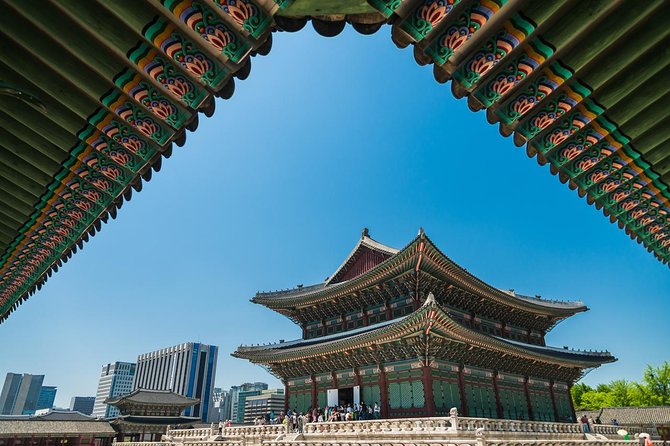
Day 8 is heavy Seoul. You start at Gyeongbokgung Palace, described as the first and largest palace built by the Joseon Dynasty in 1395. It sits on the Gwanghwamun Square side, so the palace experience links naturally with central-city atmosphere.
Next is Insadong, a shopping street with art galleries and traditional-style goods. It’s a good area to buy small souvenirs without making it a full-on shopping day.
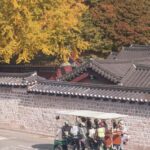
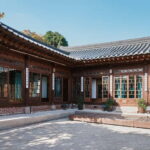
Then you walk Bukchon Hanok Village, where hundreds of hanok cluster in older Joseon-era-style streets. The tour frames it as a labyrinth of closely packed houses. That’s the key: slow down, look up, and don’t rush for photos only.
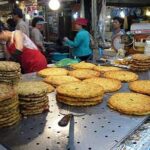
After that, you eat and snack at Kwangjang Market, highlighted for having more than 100 kinds of food. The specific favorites named include munbean pancakes, Korean donuts, gimbab, ddeokbbokki, and fruit juice.
Then you ride up N Seoul Tower for a 360-degree view of Seoul, described as nearly 480 meters above sea level including Namsan Mountain and the tower height. Even if you don’t care about heights, it helps you understand where neighborhoods sit relative to each other.
You finish the day at Jogyesa Temple, noted as meaningful to Seoul people and described as the first temple built in the center of Seoul. It also mentions seasonal festivals, so if you’re there in those periods, the atmosphere can be noticeably different.
The DMZ Day 9: Expect Security Rules and Early Timing
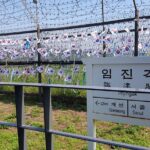
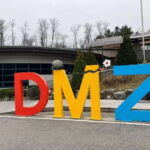
Day 9 is the tour’s most serious day: DMZ. The plan spells out procedures, including that there’s no reservation for DMZ tickets and it’s first come, first served, with an early meeting time needed.
This is where you should plan mentally for constraints. You’re not in full sightseeing mode; you’re in controlled-access mode. The upside is the payoff: you see places most people only hear about.
After the DMZ entry, you go to The Third Tunnel, described as one of the tunnels related to aggression or invasion, dug after the Korean War. The plan notes you can go down into the tunnel and inspect it.
Then you visit Dora Observatory, framed as a highlight where you can see North Korea with binoculars. The tour also mentions you can see Gaeseong city and an industrial complex and a North Korea village area.
Next is Tongil Park (Unification Park), described as the only civilian-controlled area village where people live. You also get shopping for DMZ-themed items and local products there.
You end with a short walk at Gamaksan Chulleong Bridge, described as a Korean War battlefield area turned into a mountain visitors now enjoy. There’s a brief hike, described as about 10 minutes, leading to a view spot.
Final Days in Seoul: NANTA Comedy, Hands-On Cooking, and Myeongdong Energy
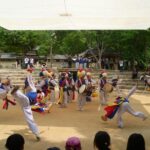
Day 10 starts with culture-as-entertainment: Cookin’ NANTA (Myeongdong). It’s described as a nonverbal comic show using Korean traditional rhythm, and the tour calls it one of the most famous tourist shows.
Then comes the hands-on part: a small group k-cooking class in Seoul. The menu changes each month, but it lists possible dishes like bulgogi, gimbab, kimchi, and pancakes. This is one of the most practical memories you’ll take home because you learn flavors and methods you can repeat later.
After class, you stop at Seonyudo, Gunsan, described as a Han River park-style walking area with panoramic views of Seoul. The wording is a little unusual, so I’d treat it as a viewpoint and walk stop with big skyline views.
Finally, you end at Myeongdong Shopping Street, the classic Seoul street for food vendors and shopping. It’s where the trip’s tone turns from guided structure to your own wandering, and that’s exactly how I like a finish.
Who This Tour Fits Best (And Who Might Feel Crowded)
This works best for you if you want a guided, multi-city route without doing research for every ticket, every transfer, and every meal. It’s also a good pick if you like variety: volcanic geology, coastal temples, old kingdoms, and modern city night views in one string.
You might feel the schedule heavy if you prefer slow travel or if you’re sensitive to early starts, multiple flights, and a car-and-walk day mixed in. The itinerary is packed, so the win comes from embracing it as a full trip, not picking it apart day by day.
The included structure helps different ages keep pace, especially with the English-speaking guide and AC vehicle support, plus the variety of indoor and outdoor stops.
Should You Book It?
Yes, if you want an organized Korea sampler that covers the big emotional hits: Jeju’s volcanic shapes, Busan’s markets by the sea, Gyeongju’s Silla sites, Jeonju’s food-focused hanok day, Seoul’s palaces and neighborhoods, and the DMZ with proper rules.
I’d only hold off if you know you can’t handle fast movement between cities or you strongly prefer self-guided, flexible pacing every day. This tour gives you less freedom than a DIY plan, but it gives you far more structure than most people expect.
FAQ
How long is the tour?
The tour runs for about 10 days.
Where does the trip start?
It starts in Seoul, with Day 1 beginning with a flight from Gimpo Domestic Airport to Jeju Island.
Are flights and hotels included?
Yes. Domestic flights (Gimpo to Jeju, and Jeju to Busan) are included, along with 9 nights of 3.5 to 4-star accommodation.
Is there an English-speaking guide?
Yes, the tour includes an English-speaking tour guide.
Are meals included?
The plan includes 7 breakfasts, 7 lunches, and 2 dinners. Some meals are not planned, so you may eat on your own on certain days or during free time.
Are attraction tickets included?
Yes. Entrance fees for the planned stops are included in the tour package.
![Private Seoul Wall Trekking [Inwangsan, Bugaksan, Naksan Park, N-Seoul Tower] - Inwangsan Mountain: The Steep Start and the View Payoff](https://2.letsgoseoul.com/wp-content/uploads/private-seoul-wall-trekking-inwangsan-bugaksan-naksan-park-n-seoul-tower-400x267.jpg)