REVIEW · SEOUL
2-Day Hike through the Scenic Valleys of Mt. Seoraksan from Seoul
Book on Viator →Operated by Bergen travel · Bookable on Viator
Few mountains feel this dramatic this close. From Seoul, you get a two-day swing through Mt. Seoraksan valleys, famous rock viewpoints, waterfalls at the Twelve Fairy’s Basins, plus temple time. What makes it appealing is the mix of serious hiking (4–5 hours most days) and built-in breaks so the day doesn’t turn into pure suffering.
I like the hands-on guide factor—especially knowing the operator’s guide, Bergen Park, adjusts pace for real bodies and real needs. In past trips, he has tailored routes for an older hiker (age 70) and even worked around a bad knee, and he also plans around crowds in peak foliage season. I also like that the package isn’t just “hike and goodbye”: you get hotel lodging, Korean meals (including makgeolli), and hotel pickup/drop-off in a private vehicle.
The main thing to consider is effort. This is a moderate-fitness hiking trip, and you’ll be walking multiple hours each day on mountain paths that can feel steep. If you want a casual stroll with zero strain, this probably isn’t the right format.
In This Review
- Key points that make this Seoraksan hike worth your time
- Why Mt. Seoraksan feels special from Seoul
- The hike plan: Cheonbuldong granite valleys and the Twelve Fairy’s Basins
- Day 1 in Seoraksan: Ulsanbawi Rock plus valley hiking time
- Day 2: Naksansa Temple, Gwongeumseong Fortress, and the basins/waterfalls vibe
- Temples in between hikes: Sinheungsa and Naksansa as your built-in reset
- Bergen Park’s guide style: what past hikes reveal about the experience
- Food and overnight comfort: Korean BBQ, makgeolli, and the hotel setup
- Price and value: what $899 includes (and why it may still make sense)
- Getting the most out of it: packing and pacing tips
- Who this Seoraksan hike suits best
- Should you book this 2-Day Hike through Seoraksan valleys?
- FAQ
- What does this 2-day Seoraksan tour include?
- How long are the hikes each day?
- What attractions are included in the plan?
- Will there be a temple visit?
- Is the cable car included?
- What time does the tour start?
- Does the tour offer pickup from Seoul hotels?
- What kind of lodging do you get?
- Is this a private tour or shared group?
- Can children join?
- What is the cancellation refund window?
Key points that make this Seoraksan hike worth your time
- Two trail styles, two days: deep granite valley hiking one day, and the Twelve Fairy’s Basins waterfall area the next.
- A guide who adapts: Bergen Park has paced hikes for age 70 and for a traveler with a bad knee.
- Temple stops are built in: you’ll visit Sinheungsa and also Naksansa on the coast.
- More than sightseeing: the schedule includes major rock and fortress viewpoints, not just valleys.
- Meals aren’t an afterthought: lunch boxes, Korean BBQ dinner, and Korean rice wine (makgeolli) on day one.
- Private transport from Seoul: air-conditioned vehicle plus hotel pickup/drop-off.
Why Mt. Seoraksan feels special from Seoul
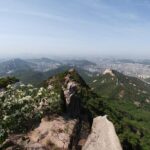
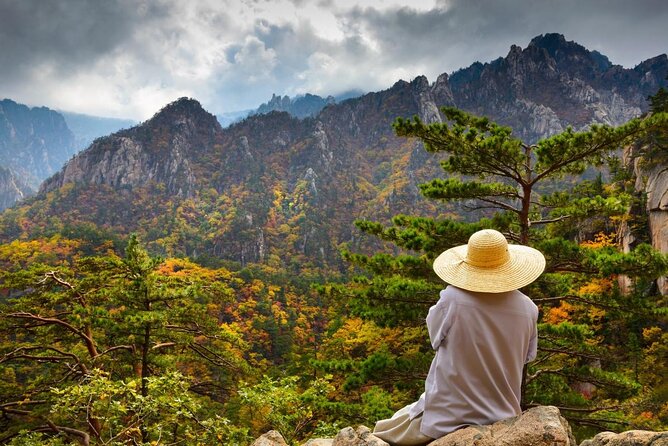
Seoraksan National Park sits in east-central Korea and is one of the country’s most famous hiking mountains for a reason: granite formations, cliffy viewpoints, scenic valleys, and waterfalls. It’s also recognized in a big-picture conservation sense—designated as a nature reserve and later recognized as part of UNESCO’s broader biosphere framework (and the area has been listed as a tentative World Heritage site).
For you, that matters because it shapes the experience. You’re not doing a quick city “green space” walk. You’re stepping into terrain designed to protect natural features—so the scenery feels real, not curated.
This trip is timed from Seoul with about three hours of driving to get you into the mountains without the hassle of arranging your own transport. Then the schedule focuses on meaningful hiking hours rather than endless transfers. You’ll spend your time moving through the valleys, reaching signature spots, and using temples as a mental reset.
You can also read our reviews of more hiking tours in Seoul

The hike plan: Cheonbuldong granite valleys and the Twelve Fairy’s Basins
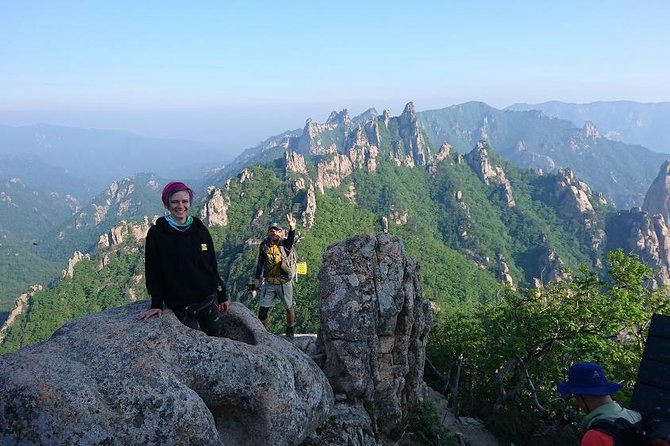
The heart of this tour is hiking two of Seoraksan’s best-known valley experiences across two days. The tour description calls out two trail themes: Cheonbuldong valley with deep granite scenery, and Twelve Fairy’s Basins valley, known for striking basins and waterfalls.
What I like about this setup is how it varies your effort and your payoffs. Granite valleys usually reward steady climbing and careful footing—lots of “form and rhythm” hiking. The basins-and-waterfall day tends to feel more stop-and-look, because the landscape is broken into smaller highlights (each basin is a new moment).
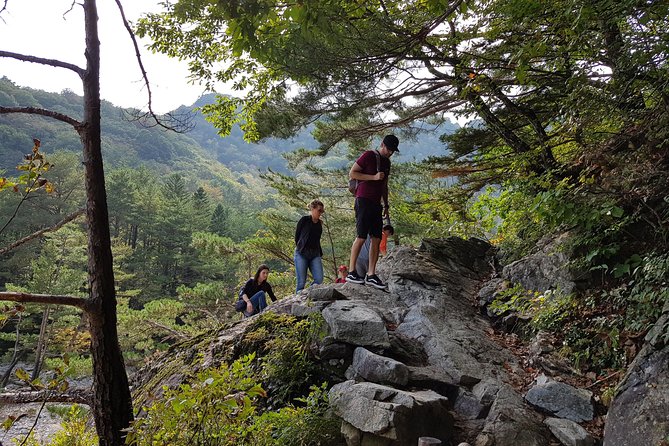
Expect about four to five hours of hiking each day. That’s enough time to feel like you truly hiked, but the trip is paced with temple visits and meals so you’re not stuck grinding from early morning to late afternoon with no structure.
One practical note: the “right” footwear is non-negotiable here. Even if you’re fit, slippery stone and uneven steps can make the difference between a fun day and a miserable one. Comfortable hiking shoes beat sneakers by a lot.
Day 1 in Seoraksan: Ulsanbawi Rock plus valley hiking time
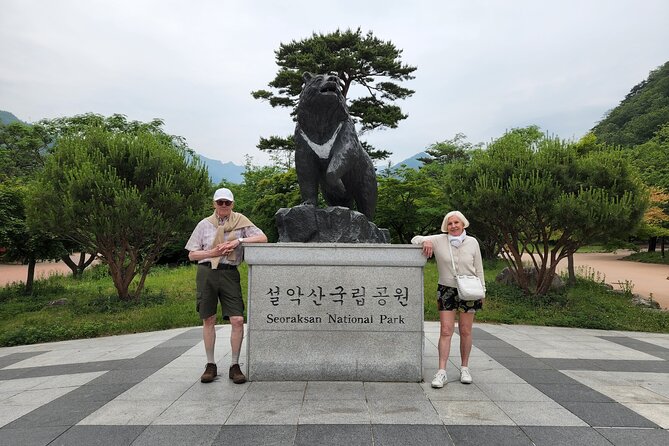
Day 1 starts with the drive from Seoul to the park area and then jumps into the main mountain experience. You’ll spend time in Seoraksan National Park, then move toward one of the park’s best-known rock targets: Ulsanbawi Rock.
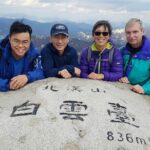
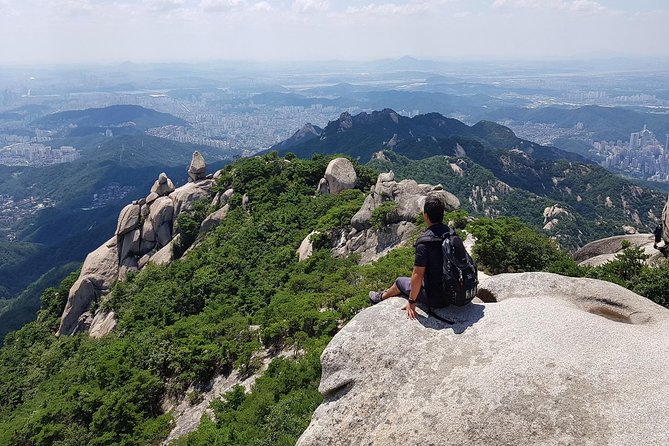
Ulsanbawi is famous because of its weird, dramatic stone shape that stretches from near the base up to a peak around 900 meters above sea level. Even if you don’t chase the highest point, reaching the area gives you that classic Seoraksan “how did they stack that rock?” feeling.
From there, the tour focuses on valley hiking—built around the granite valley idea described in the route themes. In past outings under this same guide style, hikers have been taken through long valley segments and viewpoint points like Deungseondae Rock, and the route timing has been flexible enough to match the group’s pace.
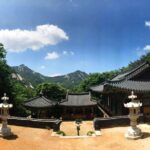
This day is also where the schedule naturally includes a temple break. The tour description says you’ll visit Sinheungsa, so you get at least one quiet cultural stop between hiking segments. It’s not a random add-on. Temples give you a place to catch your breath, rehydrate, and reset your legs.
My advice for day 1: treat it like a warm-up for day 2. You want strong energy for the basins-and-waterfall day, so don’t go out at 100% pace just because the views are tempting.
Day 2: Naksansa Temple, Gwongeumseong Fortress, and the basins/waterfalls vibe
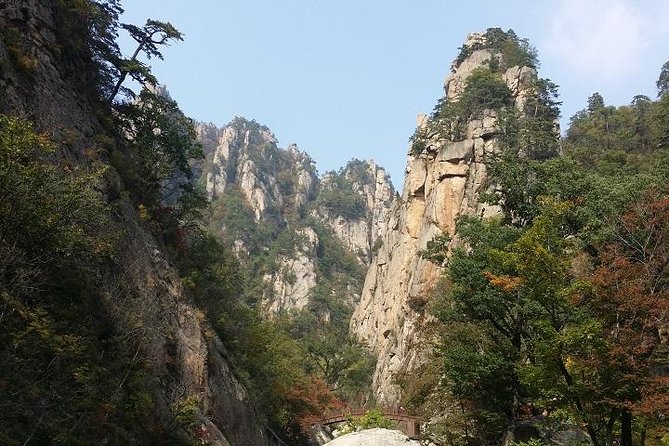
Day 2 shifts from the inland “big mountain” feel to a coastal temple and fortress finale.
The day begins with Naksansa Temple, an older temple site first built in 671. Today’s version reflects many restorations and expansions, and what stands out in the tour description is the setting—Naksansa is described as beach side, so you get that more open, breezier mood compared with deep valley walking.
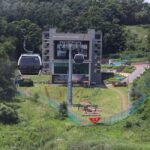
After Naksansa, you’ll head to Gwongeumseong Fortress. The route includes a cable car option as part of reaching the fortress (and the tour notes that the cable car can be optional if timing allows). Gwongeumseong is a good day-ender because it changes the hiking energy: you trade long valley footing for a climb/viewpoint rhythm.
Meanwhile, the tour’s second-day hiking theme is Twelve Fairy’s Basins valley—the place for basins and waterfalls. This is the day where the scenery tends to encourage frequent stops: you’ll want to pause for photos, and you’ll likely appreciate the slower pace because every basin is its own mini destination.
My advice for day 2: wear a fresh pair of socks if you’re prone to blisters. The basins day can mean damp spots near water and lots of footwork. If you’re using hiking poles, day 2 is often where they start paying off.
Temples in between hikes: Sinheungsa and Naksansa as your built-in reset
Many hiking tours treat temples as a checkbox. This one uses them as “human pacing tools,” which I really appreciate.
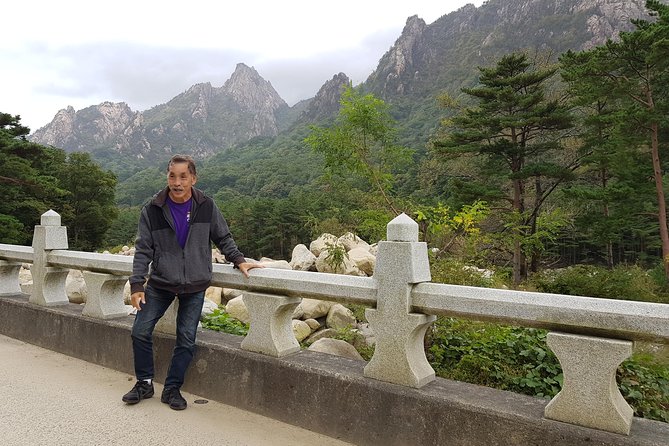
Sinheungsa adds a Buddhist stop during the mountain portion of the trip, giving you a quieter contrast to stone cliffs and waterfall sounds. On day 2, Naksansa brings the coastal setting into the mix. A beach-side temple does something subtle to your body: the air feels less heavy than deep valleys, and you can breathe easier after hours of uphill and uneven footing.
If you’re the type who gets cranky when schedules are rushed, temple breaks help your mood without adding major physical strain. You’ll also get a bit of cultural context during the day because you’re not just walking; you’re moving through landmarks that have long-standing importance in the area.
You can also read our reviews of more tours and experiences in Seoul
Bergen Park’s guide style: what past hikes reveal about the experience
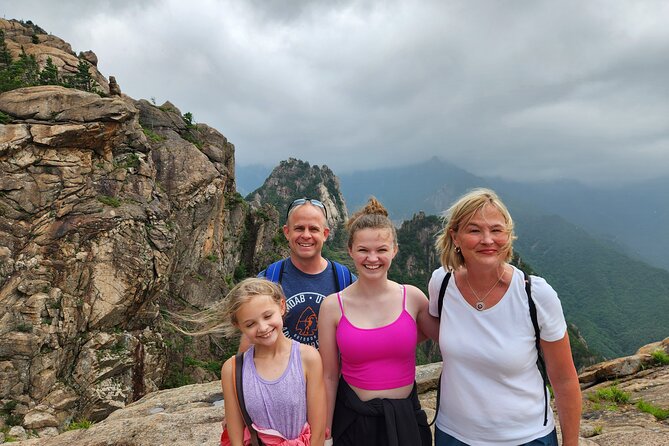
Even if you know nothing about Seoraksan, you should care who leads you. The best detail here is that the guide doesn’t treat the route as a rigid script.
In glowing feedback, people noted that Bergen Park:
- adjusts the itinerary to fit a traveler’s requests,
- plans walking routes that match different abilities, including an older hiker and someone with a bad knee,
- works around crowd pressure during busy seasons (like peak fall foliage),
- and gives practical help beyond the hike—like tips for traveling around Korea.
That last point matters more than it sounds. A good mountain guide can keep you safe and moving. A good tour guide can also help you avoid wasting time on the non-hiking parts of your trip.
This is also a private tour/activity, meaning only your group participates. That matters because you get less “wait for stragglers” energy and more control over your pace. If you’re traveling with family or want a calmer feel, private structure is a plus.
Food and overnight comfort: Korean BBQ, makgeolli, and the hotel setup
This trip feeds you in a way that supports a hiking schedule.
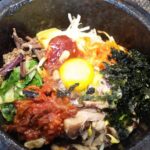
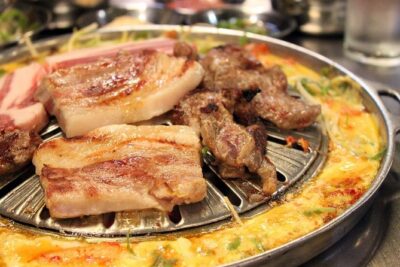
You get breakfast included. You also get lunch boxes for the hiking days and dinner on day one. Dinner is Korean barbecue plus Korean rice wine (makgeolli), which is a nice cultural touch—not just a generic meal.
Then there’s the hotel stay. The description specifies accommodation at a 3- or 4-star hotel, with two people per room (and if there’s an odd number of travelers, it’s handled as two per room and one per room). That’s important because after mountain hiking, room comfort and a proper shower can decide whether day two feels doable.
One small practical thought: makgeolli can hit faster than you expect after a day outdoors. It’s included, so it’s easy to try—but don’t plan to drink heavily if you want to sleep well and hike well the next day.
Price and value: what $899 includes (and why it may still make sense)
At $899 per person, this is not a budget add-on. It’s priced like a guided, private, two-day package with transport and lodging baked in.
So you should read the price as a bundle of costs:
- a private, air-conditioned vehicle from Seoul plus hotel pickup/drop-off,
- professional English-speaking hiking guidance with an official tour guide license,
- admission tickets for the listed stops,
- meals across both days (including makgeolli and dinner),
- and one night of hotel accommodation.
If you tried to rebuild that yourself, you’d likely spend real money on transport, guides, tickets, and hotels—plus time coordinating it all. The biggest reason this price can feel fair is the time you save and the risk you reduce: the schedule is designed to get you onto the trails for the stated hike hours rather than spending your trip figuring out logistics.
Where it might feel expensive is if you already have hiking confidence, can easily arrange transport, and are traveling super light. In that case, you might prefer a DIY plan. But if you want a guided, structured mountain break from Seoul, this is closer to “pay to be taken care of.”
Getting the most out of it: packing and pacing tips
This is a hike with moderate fitness requirements. The tour notes that you should have moderate physical fitness, and you’ll want comfortable clothing and footwear appropriate for hiking.
Here’s how I’d prepare to get the best experience:
- Footwear first: sturdy hiking shoes or boots with grip. Stone paths can be unforgiving.
- Bring layers: mountain weather changes fast, and reviews include hiking in seasons that brought different conditions (including snow on a late March hike). Layers keep you comfortable without slowing you down.
- Plan for the full day feel: you’re hiking about 4–5 hours each day, so treat it like an all-day activity with meal breaks, not a half-day tour.
- Ask for pace matching early: if you have knee issues or are concerned about endurance, this guide style has shown flexibility in past trips. You’ll get better results if you set expectations right away.
- Use the private setup: since it’s only your group, you can ask the guide about timing, photo breaks, and how fast you should move.
Who this Seoraksan hike suits best
This tour is a strong fit if you:
- want a guided Seoraksan experience with English support,
- value having meals and a hotel included,
- like temples as part of your itinerary (not just hiking),
- and prefer private structure over hopping between random buses.
It may be less ideal if you:
- want to hike only lightly and keep everything minimal,
- hate steep, uneven paths,
- or expect a purely scenic “walk around” day. This is real hiking time.
Should you book this 2-Day Hike through Seoraksan valleys?
My take: if you’re visiting Seoul and want one focused mountain trip that feels complete—hiking, viewpoints, temples, food, and a night in a hotel—this is a smart way to spend two days.
I’d book it if:
- you want the trails designed for valley highlights like Cheonbuldong and the Twelve Fairy’s Basins area,
- you appreciate a guide who can adjust for comfort and ability,
- and you want the operator to handle transport and timing so you can just show up and hike.
I wouldn’t book it if:
- you’re chasing a free-and-flexible DIY itinerary,
- you’re very budget-sensitive,
- or you’re not ready for 4–5 hours of daily hiking on mountain terrain.
If you do book, go in with the right footwear, plan for a steady pace, and lean into the temples and meals. That balance is the whole point of this trip.
FAQ
What does this 2-day Seoraksan tour include?
It includes breakfast, dinner, and lunch (lunch for two days). You also get a professional English-speaking hiking guide, Korean barbecue dinner with Korean rice wine (makgeolli) on the first day, hotel accommodation for one night, private air-conditioned transport, and hotel pickup and drop-off.
How long are the hikes each day?
You’ll hike about 4 to 5 hours each day across the two days.
What attractions are included in the plan?
The tour includes Seoraksan National Park highlights, Ulsanbawi Rock, Sinheungsa temple, Naksansa Temple, and Gwongeumseong Fortress. Admission tickets for the listed stops are included.
Will there be a temple visit?
Yes. The tour description includes visiting Sinheungsa and Naksansa.
Is the cable car included?
The cable car is described as optional if time permits, and Gwongeumseong Fortress is reached by cable car.
What time does the tour start?
The start time is 8:00 am.
Does the tour offer pickup from Seoul hotels?
Yes. Hotel pickup and drop-off are included.
What kind of lodging do you get?
You get hotel accommodation at a 3- or 4-star hotel. The description says 2 people per room, or if there’s an odd number of travelers, it’s handled as 2 per room and 1 per room.
Is this a private tour or shared group?
This is private. Only your group participates.
Can children join?
Children under 15 must be accompanied by an adult.
What is the cancellation refund window?
You can cancel up to 3 days in advance for a full refund. Canceling less than 3 days before the start time is not refundable.

![[Private Tour] Nami Island & Snow Viewing and Snow sled (More Members Less Cost) - Nami Island in winter: Winter Sonata vibes and how to use 4 hours](https://2.letsgoseoul.com/wp-content/uploads/private-tour-nami-island-snow-viewing-and-snow-sled-more-members-less-cost-400x267.jpg)