REVIEW · SEOUL
[Private] DMZ & Imjingak Peace Gondola Experience Inter-Korean War
Book on Viator →Operated by Cosmojin Agency · Bookable on Viator
Morning starts with a sobering calm. This DMZ and Imjingak Peace Gondola day is built around guided commentary that turns the security zone into real human stories, and the Imjingak gondola ride gives sweeping views you can actually take in without constant rushing.
You’ll also hit the big, unforgettable stops like the 3rd Infiltration Tunnel and Dora Observatory, with Dorasan Station as a unification-focused moment. The only real catch: you need moderate fitness, because the tunnel section is steep and you may have to lean forward, and the schedule can shift on the day due to weather or DMZ activity.
In This Review
- Key highlights to notice
- A long day from Seoul that starts early on purpose
- DMZ morning: what the security zone does to your brain
- Dora Observatory and Dorasan Station: the viewing windows are the point
- The 3rd Infiltration Tunnel: steep, physical, and not for show
- Imjingak Pavilion and the memorial feel: broken tracks, not broken hope
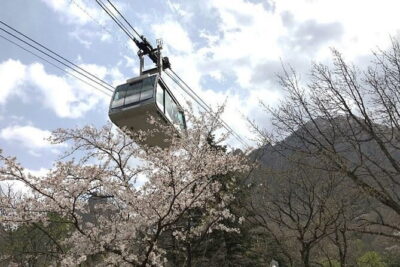
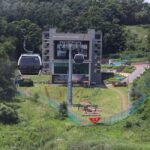
- Imjingak Peace Gondola: views above division, plus a pop-culture twist
- Lunch timing and the unification route: how the day is paced
- What can change on the day: weather and DMZ events
- Price and value: is $195 worth a controlled, high-stakes day?
- Who this tour suits best (and who should skip it)
- Should you book this DMZ & Imjingak Peace Gondola tour?
- FAQ
- How long is the DMZ & Imjingak Peace Gondola experience?
- What time does the tour start and where does it meet?
- Is the tour guided in English?
- What is included in the price?
- Do I need a passport?
- Are there any physical requirements?
- What footwear should I bring?
- Will I see Dora Observatory and Dorasan Station?
- What happens if DMZ access is affected by events or the weather is bad?
- How many people are on the tour?
- What is the cancellation policy for a full refund?
Key highlights to notice
![[Private] DMZ & Imjingak Peace Gondola Experience Inter-Korean War - Key highlights to notice](https://2.letsgoseoul.com/wp-content/uploads/private-dmz-imjingak-peace-gondola-experience-inter-korean-war-1.jpg)
- English-speaking, licensed DMZ guiding that helps the rules, barriers, and security feel understandable rather than random
- The 3rd Infiltration Tunnel—steep, physical, and unforgettable in how “close” it makes the conflict feel
- Dora Observatory and North Korea views from a designated observation area
- Imjingak Pavilion and Dokgae Bridge—built to hold memory in place, including the broken railroad bridge symbol
- Imjingak Peace Gondola—time in the air with panoramic scenery, including Camp Greaves (Descendants of the Sun filming location)
- Smart crowd management with a max group size of 99 and an authorized bus experience
A long day from Seoul that starts early on purpose
![[Private] DMZ & Imjingak Peace Gondola Experience Inter-Korean War - A long day from Seoul that starts early on purpose](https://2.letsgoseoul.com/wp-content/uploads/private-dmz-imjingak-peace-gondola-experience-inter-korean-war-2.jpg)
This tour is priced at $195 per person and runs about 8 to 10 hours, which is exactly what you want for the DMZ zone. You’re not just “checking off” landmarks; you’re moving through controlled access points, waiting periods, and set viewing windows. That takes time, even when everything runs smoothly.
The start is 7:00 am at the President Hotel area (near Euljiro 1-ga Subway Station, exit 8). Plan for a real morning wake-up call. The upside is that you’re in the right place early, when the day still feels organized instead of chaotic. You’ll be in an air-conditioned vehicle with an English tour guide, plus admission fees for the DMZ and the gondola are included.
I also like that the operator uses a mobile ticket, which keeps you from hunting paper vouchers at the worst possible moment. And with a maximum of 99 travelers, you get a large-group setup, but you’re not dealing with a stadium-size mob.
You can also read our reviews of more private tours in Seoul
DMZ morning: what the security zone does to your brain
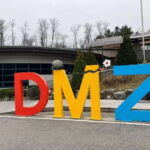
The DMZ portion is designed around a guided visit to major security tourist spots, with commentary tied to real situations on the peninsula. That matters, because without an explanation, the whole experience can feel like you’re looking at fences and signs and hoping for the best.
You’ll go through an ID check and spend time at the DMZ theater and exhibition hall before moving on to the observational parts of the day. This is where the border stops being an idea and becomes a daily, managed reality. If you want the contrast—calm Seoul rhythm versus the hard edges of division—this is the moment that gives it to you.
From what I’ve learned about the guide experience on this route, the best days happen when your guide has both patience and sharp clarity. Names that come up again and again include JJ and Jackie, both described as engaging and attentive. That’s not a small detail. On the DMZ, your guide is translating rules, geography, and human stories into something you can actually process on the spot.
Dora Observatory and Dorasan Station: the viewing windows are the point
![[Private] DMZ & Imjingak Peace Gondola Experience Inter-Korean War - Dora Observatory and Dorasan Station: the viewing windows are the point](https://2.letsgoseoul.com/wp-content/uploads/private-dmz-imjingak-peace-gondola-experience-inter-korean-war.jpg)
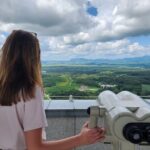
The heart of the DMZ “seeing” portion is the combination of places where you can look north—paired with context for what you’re looking at. Dora Observatory is one of the key stops, and it’s built for observation: this is where you can see across toward North Korea from a controlled site.
Then there’s Dorasan Station, which is framed around the idea of reunification rather than pure sightseeing. Even if trains are not running between the two sides in the way many people imagine, the station still communicates something important: the peninsula isn’t stuck only in the past. There’s a built-in, future-facing message here.
Timing matters too. You don’t linger in these places the way you might at a city museum. You’re guided through specific access steps with set time photo rules. That means you’ll want to be ready to take pictures when you have the chance, not when you feel like it.
One practical note: if the weather is foggy, you may get less visual clarity. This isn’t something you can fully control. The value is still there because the explanations, security context, and tunnel experience don’t disappear—but your “across the border” view may be less dramatic than you hoped.
The 3rd Infiltration Tunnel: steep, physical, and not for show
![[Private] DMZ & Imjingak Peace Gondola Experience Inter-Korean War - The 3rd Infiltration Tunnel: steep, physical, and not for show](https://2.letsgoseoul.com/wp-content/uploads/private-dmz-imjingak-peace-gondola-experience-inter-korean-war-4.jpg)
If you remember one part of the DMZ day, make it the 3rd Infiltration Tunnel. This section is described as steep and physically demanding, and you may need to lean forward. So you’re not looking at history from a bench. You’re moving through it.
This is where you’ll get the strongest sense of how close conflict planning can come to ordinary life. The tunnel is not just a dramatic attraction—it’s an engineered reminder of intent, risk, and the way both sides prepared for real infiltration scenarios.
Because you’ll be leaning forward and navigating an uneven feeling space, bring the right footwear. The tour requires sneakers for safety, and I agree with the rule. If you show up in anything slick or risky, you’re the one who suffers.
If you have a mobility limitation or you know you don’t handle stairs or incline well, treat this as the main decision point. The rest of the day includes walking and viewing stops, but the tunnel is the piece with the most “physical yes/no” energy.
Imjingak Pavilion and the memorial feel: broken tracks, not broken hope
![[Private] DMZ & Imjingak Peace Gondola Experience Inter-Korean War - Imjingak Pavilion and the memorial feel: broken tracks, not broken hope](https://2.letsgoseoul.com/wp-content/uploads/private-dmz-imjingak-peace-gondola-experience-inter-korean-war-5.jpg)
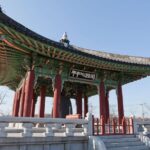
After the DMZ portion, the tour moves into the Imjingak area, which is where the day shifts from strict security to memorial symbolism. Imjingak Pavilion, built in 1972, gives a panoramic view of the area—useful because it helps you understand the layout instead of only the emotional impact.
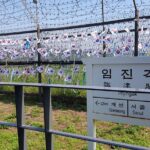
Then you visit Dokgae Bridge, the remnants of the northbound line of the rail bridge over the Imjingang River. The key detail is that the bridge was left broken for nearly 70 years, and that brokenness is the message. It’s a very physical symbol of separation.
This part is also calmer than the main DMZ security zone, which can be a relief after intense checkpoints and packed instruction. You’ll still learn what the sites represent, but you get a little more breathing room to let the story settle.

Imjingak Peace Gondola: views above division, plus a pop-culture twist
![[Private] DMZ & Imjingak Peace Gondola Experience Inter-Korean War - Imjingak Peace Gondola: views above division, plus a pop-culture twist](https://2.letsgoseoul.com/wp-content/uploads/private-dmz-imjingak-peace-gondola-experience-inter-korean-war-6.jpg)
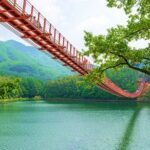
One of the most memorable parts for me is the Imjingak Peace Gondola segment. The gondola ride is timed as a scenic break, and it’s also part of the tour’s broader goal: show you the geography from multiple angles—ground level, observation points, and then from the air.
During the ride, you can even see Camp Greaves, known as a filming location for Descendants of the Sun. That detail might sound light compared to everything else in the day, but it actually adds an interesting layer. The DMZ area isn’t only “military now.” It also has been a stage for storytelling, filming, and daily life around security—right up until it isn’t.
There are also exhibits and memorial-style items in the Imjingak area, and I’ve seen feedback pointing out that displays are available in multiple languages, including English, Japanese, and Chinese. That’s worth noticing if English is your only language—you’ll be able to read more without guessing.
Lunch timing and the unification route: how the day is paced
![[Private] DMZ & Imjingak Peace Gondola Experience Inter-Korean War - Lunch timing and the unification route: how the day is paced](https://2.letsgoseoul.com/wp-content/uploads/private-dmz-imjingak-peace-gondola-experience-inter-korean-war-7.jpg)
You’ll have a lunch stop after the Dora Observatory and Dorasan Station sequence. The itinerary keeps the day structured so you’re not scrambling between checkpoints. Still, since this is a long day, the best move is to treat lunch as fuel, not as a culinary quest.
After lunch, the route continues through additional stops tied to unification and memory, including the Unification Bridge area and other memorial-related sites around Imjingak. There’s also a mention of Bunker Beat 131, which becomes important in one specific situation: when the DMZ schedule changes due to official events or military training.
That’s one reason I like tours like this when they’re run by a company that communicates well in the moment. On the DMZ, things can shift without warning. The goal is still the same: give you access to safe, authorized experiences that communicate the peninsula’s reality.
What can change on the day: weather and DMZ events
![[Private] DMZ & Imjingak Peace Gondola Experience Inter-Korean War - What can change on the day: weather and DMZ events](https://2.letsgoseoul.com/wp-content/uploads/private-dmz-imjingak-peace-gondola-experience-inter-korean-war-8.jpg)
This experience requires good weather. If the tour is canceled due to poor conditions, you should be offered a different date or a full refund.
More importantly, there’s also a DMZ-specific rule: if there’s an unannounced military training or official event in the DMZ, the tour will be replaced with a different set of sites. The replacement option listed includes Tomorrow’s Whistle, Bunker Beat 131, Odusan Unification Tower, and the War memorial of Korea.
So the “don’t be surprised” mindset is key. You should book with flexibility, especially if your trip dates are tight. The day is designed to still deliver the core message even when access changes.
Price and value: is $195 worth a controlled, high-stakes day?
At $195 per person, this is not a cheap afternoon. But the value makes more sense when you consider what you’re buying: licensed DMZ guiding, admission fees for the DMZ and gondola, and an air-conditioned transport day that handles controlled access.
Also, DMZ tours aren’t like museum visits where you can wander and linger. You’re paying for the permissions and the structured route. If you’re trying to do this on your own, the friction is huge—rules, authorized bus requirements, and timing constraints are not casual details.
I’d call this a strong value if you:
- want English-language commentary that helps you understand what you’re seeing
- are okay with a long day and early start
- are willing to do a physical tunnel segment (with the right shoes)
I would think twice if you:
- hate rigid schedules and set photo/time rules
- want lots of free time to wander
- aren’t comfortable with steep, leaning-forward tunnel conditions
Who this tour suits best (and who should skip it)
This is a good fit for people who want the DMZ to feel human and real, not like a drive-by photo stop. If you’re the type who asks why a bridge is broken, what Dorasan Station represents, or how a tunnel fits into security planning, you’ll get more out of it.
It’s also a good choice for solo travelers who don’t want to wrestle with logistics. You get a guide, the transport, and the admissions handled.
But if you’re traveling with a child, the guidance here is clear: children must be accompanied by an adult. And you should be mindful of physical demands, especially around the tunnel.
Finally, remember the group size limit: up to 99 travelers. That means you’ll feel some crowd energy at the major sites. It’s not private-quiet, even if the experience feels thoughtfully guided.
Should you book this DMZ & Imjingak Peace Gondola tour?
I’d book it if your priorities are clarity, access, and the strongest DMZ “wow” components: ID checks, the 3rd Infiltration Tunnel, Dora Observatory, and the gondola ride over the Imjingak area. The gondola and the memorial sites add emotional context that makes the DMZ feel bigger than a single tunnel photo.
Don’t book if you’re physically cautious about steep tunnels, or if weather and schedule shifts would genuinely ruin your trip. This day works best when you treat it like a guided experience you’re willing to adapt with.
If you do book, come prepared: sneakers, a valid passport, and the mindset that you might get a slightly different route depending on conditions.
FAQ
How long is the DMZ & Imjingak Peace Gondola experience?
It runs about 8 to 10 hours.
What time does the tour start and where does it meet?
It starts at 7:00 am at the President Hotel area in Seoul (16 Eulji-ro, Jung District). You can also use Euljiro 1-ga subway station exit 8.
Is the tour guided in English?
Yes. The experience includes an English tour guide.
What is included in the price?
The price includes an air-conditioned vehicle, English tour guidance, and admission fees for the DMZ and the gondola.
Do I need a passport?
Yes. A current valid passport is required on the day of travel.
Are there any physical requirements?
You should have a moderate physical fitness level. The 3rd Tunnel is steep and requires leaning forward.
What footwear should I bring?
The tour requires sneakers for safety.
Will I see Dora Observatory and Dorasan Station?
Yes, those are part of the core route described for the experience.
What happens if DMZ access is affected by events or the weather is bad?
If there’s an unannounced military training or official event in the DMZ, the tour is replaced with Tomorrow’s Whistle, Bunker Beat 131, Odusan Unification Tower, and the War memorial of Korea. The experience requires good weather, and if it’s canceled due to poor weather, you’ll be offered a different date or a full refund.
How many people are on the tour?
The maximum group size is 99 travelers.
What is the cancellation policy for a full refund?
You can cancel up to 24 hours in advance of the experience for a full refund.
If you tell me your travel dates and fitness comfort level with tunnels, I can help you decide if this one fits you—or suggest what to prioritize if the weather doesn’t cooperate.