REVIEW · SEOUL
DMZ Private Tour: 3rd Tunnel, Option(Suspension Bridge, Boat)
Book on Viator →Operated by Leadyourtrip Co..Ltd · Bookable on Viator
A quiet border can feel louder than any city street. This private DMZ day takes you into some of Korea’s most restricted historical spaces, including the 3rd Tunnel and Dora Observatory, plus an optional scenic stop. I especially liked how the day is built around real sites you can stand in front of, not just photos, and how the official guide brings the context into focus. One thing to plan for: you’ll want good weather, because the day depends on conditions in the DMZ area.
You also get real comfort and structure for a long day. Expect an air-conditioned vehicle, pickup offered, a full lunch, and a mobile ticket—so the basics are handled without fuss. The biggest plus for me is the guide approach: the tour is run by an officially permitted guide, with a clear standard of service, and past groups have highlighted on-time timing and patient explanations. The main drawback to consider is that the DMZ can be physically demanding in parts (walking and standing in organized routes), so bring comfortable shoes and be ready for a longer day.
In This Review
- Key Highlights at a Glance
- Why This DMZ Day Feels So Direct, Not Touristy
- Price and Value: What $220 Covers (and Why It Matters)
- Logistics That Keep the Day From Falling Apart
- Stop-by-Stop: Imjingak DMZ Ticket Office and Park (Your First Reality Check)
- The Third Infiltration Tunnel: Why This Stop Hits Hard
- Dora Observatory: Seeing the North and Understanding What You’re Looking At
- Dorasan Station and Unification Village: Borderland Reality, Not Just War
- Your Add-On Choice: Gamaksan vs Majang Lake vs Hwangpo Sailboat
- Gamaksan Suspension Bridge (Chulleong Bridge)
- Majang Lake Suspension Bridge
- Imjin River Hwangpo Sailboat (Rimjin River)
- Lunch and Small Comforts: The Part People Forget to Plan
- How to Prepare: What Will Actually Make Your Day Easier
- Who This Tour Fits Best
- Final Verdict: Should You Book This DMZ Private Tour?
- FAQ
- How long is the DMZ private tour?
- What’s included in the price?
- Do I get pickup from Seoul?
- What DMZ sites does the tour visit?
- What are my options for the extra scenic stop?
- Is the tour private?
- Do I need good weather?
- Is there lunch included?
- Is there individual travel insurance included?
Key Highlights at a Glance
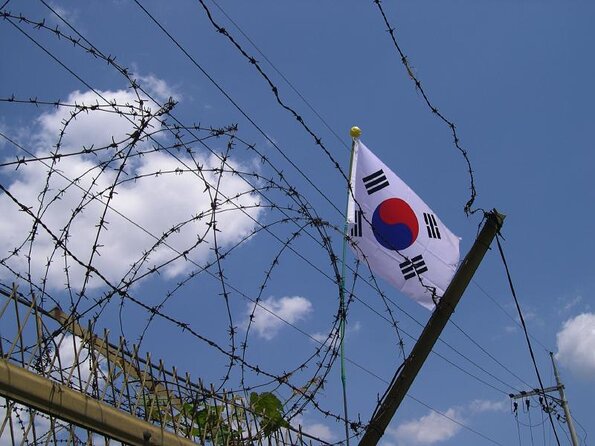
- Official government-permitted guide with a clear no-shopping, no-tip approach
- 3rd Infiltration Tunnel stop that turns war-era plans into something you can see in person
- Dora Observatory for a northward look and on-site explanation of what you’re viewing
- Imjingak Park entry via the DMZ Ticket Office area near Paju
- Pick your add-on: Gamaksan suspension bridge, Majang Lake suspension bridge, or Imjin River Hwangpo sailboat
- Lunch included plus bottled water, so you’re not hunting for food mid-day
Why This DMZ Day Feels So Direct, Not Touristy
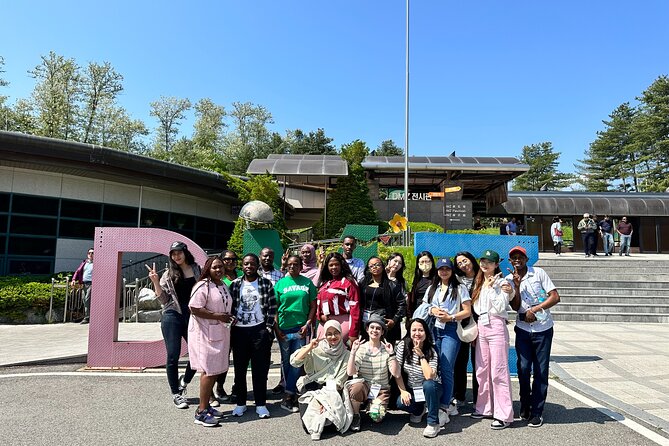
The DMZ isn’t a theme park. It’s a working geopolitical boundary, and that changes how everything feels. From the moment you enter the DMZ ticket area near Paju, the mood shifts from sightseeing mode to “pay attention” mode. You’re there to understand how the Korean War shaped decades of tension—and how that tension still shows in the landscape and the sites you visit.
What makes this tour particularly effective is that it layers information. You don’t just get dropped at a place and left to figure it out. The official guide helps you connect each stop to the bigger story: why these locations matter, how they connect geographically, and what it means to stand where people once planned to cross a line that still holds.
You can also read our reviews of more boat tours in Seoul

Price and Value: What $220 Covers (and Why It Matters)
At $220 per person, you’re paying for more than “transport plus tickets.” This package bundles the DMZ entrance fee, a professional guide fee, and core logistics like tolls, parking, and fuel. You’re also getting lunch (Korean food with stir-fried pork, rice, stew, and vegetables) and bottled water. For a destination like the DMZ—where time, permits, and routes are the real constraints—that value adds up fast.
The private setup is part of the bargain too. Since it’s only your group, you’re not squeezed into a generic pace. That matters on a day where the information is dense and you might want a moment to ask questions or pause for clarity. If you prefer your tour to feel organized rather than rushed, this pricing structure is one of the reasons the experience tends to land well.
Logistics That Keep the Day From Falling Apart
This is a 7 to 9 hour tour, so it’s a full-day commitment. The good news: the tour is built to handle the basics cleanly. Pickup is offered, you ride in an air-conditioned vehicle, and you use a mobile ticket for entry.
Also, this operator emphasizes a no-shopping, no-tip experience. That doesn’t just mean fewer stops. It means the time you’re paying for stays focused on the DMZ and the surrounding sites, instead of being siphoned into retail detours.
Stop-by-Stop: Imjingak DMZ Ticket Office and Park (Your First Reality Check)
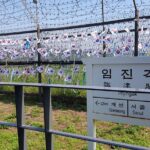
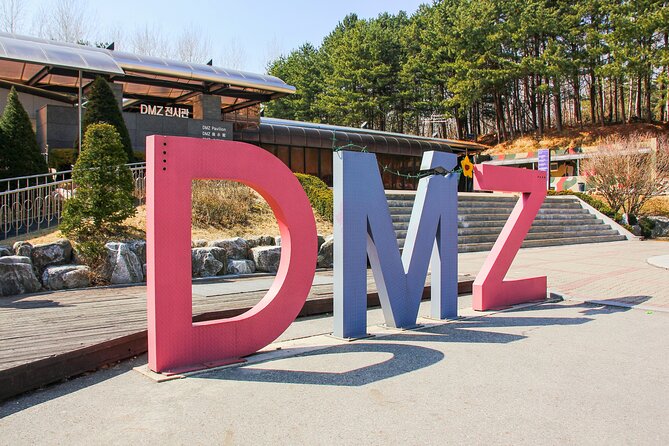
Your day starts at the Imjingak DMZ Ticket Office area near Paju. This is the practical entry point for visiting DMZ-area sites, and it sets the tone. The ticket office area is where you get oriented before you move into the more restricted, story-heavy stops.
Imjingak Park itself is an early anchor in the itinerary. It’s a place where the DMZ isn’t abstract. You can feel the separation—geographically and emotionally—before you even reach the tunnel or observatory. For me, that pacing works: it stops you from arriving already overwhelmed.
One practical tip: treat the early stage like orientation time. Listen closely to the guide’s context before you move deeper. It makes the later sites far easier to understand.
The Third Infiltration Tunnel: Why This Stop Hits Hard
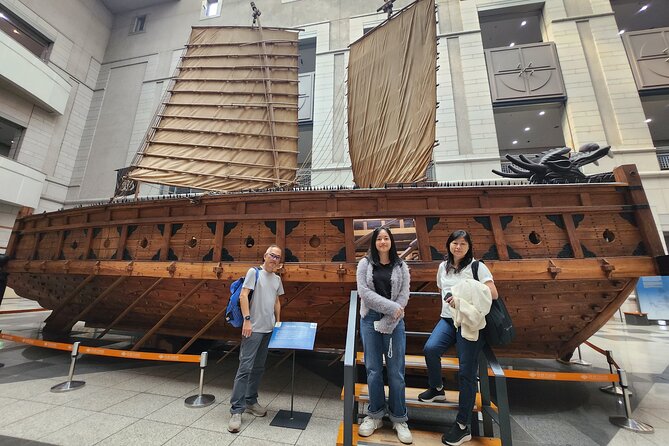
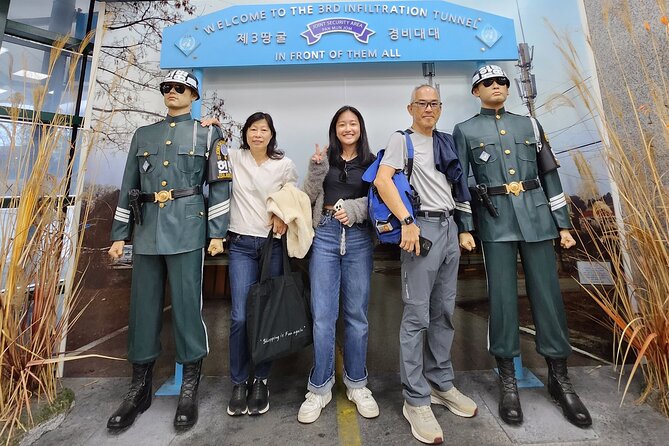
Then you go underground—literally. The 3rd Infiltration Tunnel is a secret passage built by North Korea to infiltrate South Korea. As a tourist site, it’s presented as a war-era artifact, but you experience it physically. That physicality is the point.
A tunnel is not just a historical display. It forces you to think about intention and engineering under pressure. Standing in or around the tunnel area turns map thinking into lived space. You begin to understand how infiltration plans depended on secrecy, timing, and terrain—because that’s what the tunnel design communicates.
This is also one of those stops where good guiding matters. If the explanations stay superficial, you’ll just see a tunnel. With strong narration, you start noticing why specific aspects were built the way they were and how the tunnel fits into the larger pattern of conflict.
You can also read our reviews of more private tours in Seoul


Dora Observatory: Seeing the North and Understanding What You’re Looking At
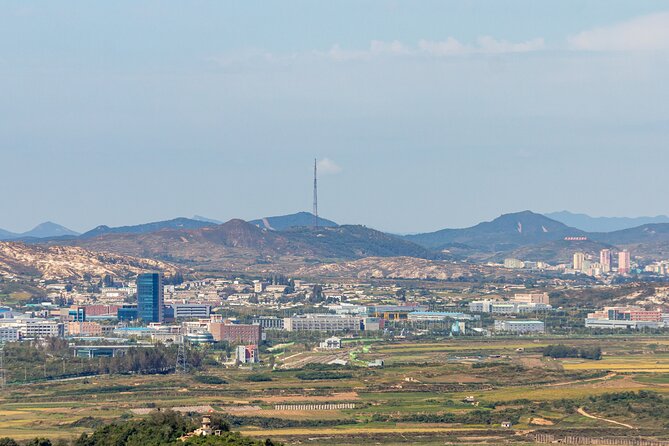
After the tunnel, Dora Observatory brings a different kind of impact: sightlines. The observatory area is positioned for a view toward North Korea, including reference points like the Kaesong Industrial Complex. You’re not just looking at land; you’re looking at how distance and politics shape daily life across borders.
What I like about Dora Observatory in a tour format is that it gives you a mental frame for what you see. The guide can help you connect the visible features to the narrative—what’s been there, what has changed, and why these locations are referenced in the broader story of separation.
This stop also benefits from pacing. If you try to rush it, you miss the meaning. Take a moment, let your eyes adjust, and listen for the guide’s explanation of what the view represents.
Dorasan Station and Unification Village: Borderland Reality, Not Just War
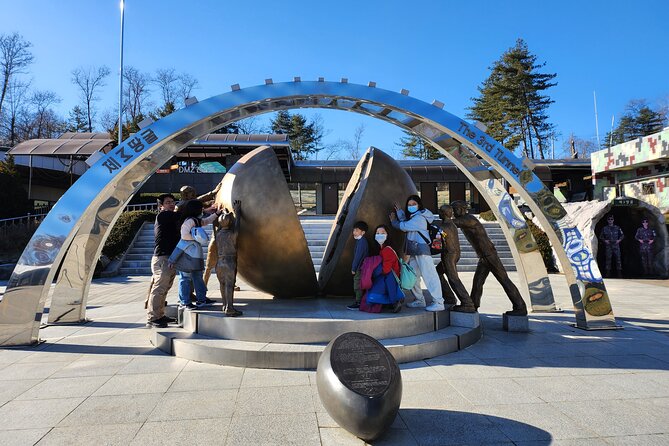
Beyond the “big named” sites, the DMZ experience becomes more real when you spend time in border-related spaces such as Dorasan Station and Unification Village (mentioned among the DMZ highlights for this route). These areas help show the contrast between what the peninsula has tried to do—connect, rebuild, reopen—and what the border still prevents.
Even if you don’t get dramatic action here, that contrast is the value. You see how the DMZ is not only about past battles. It’s about stalled routes, unfulfilled plans, and the way policy shapes ordinary movement.
Your Add-On Choice: Gamaksan vs Majang Lake vs Hwangpo Sailboat
The DMZ is intense, so the optional scenic stop is a smart design choice. It helps your brain process what you just learned with a change of scenery.
Gamaksan Suspension Bridge (Chulleong Bridge)
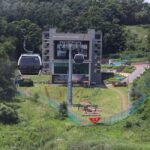
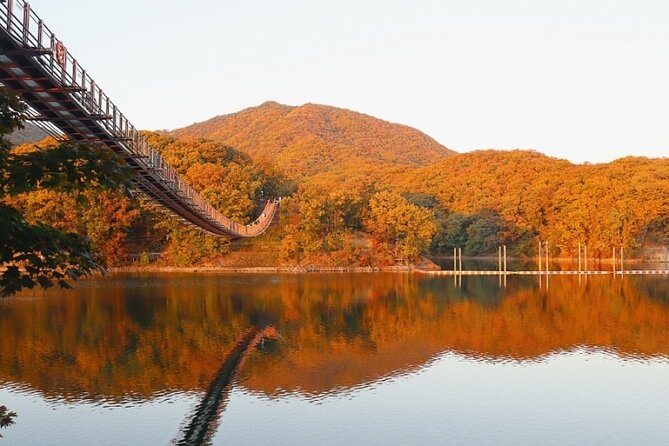
If you choose the Gamaksan Chulleong Bridge, you get a pedestrian suspension bridge experience with views toward Gamaksan Mountain. Suspension bridges naturally slow you down, and that’s useful after the tunnel and observatory stops. You’re outside, you can stretch, and the photos start making sense again.
The tour lists this as part of the suspension-bridge course included with the experience. If you want your day to end with a “fresh air” feeling rather than more history, this is the option that likely fits best.
Majang Lake Suspension Bridge
If you pick the Majang Lake Suspension Bridge, the vibe shifts. Instead of mountain views, you’re crossing over a calmer water-and-lake setting. This tends to feel gentler on the body after hours of structured DMZ walking.
If you want scenery that’s scenic first and historical second, this option keeps the day balanced.
Imjin River Hwangpo Sailboat (Rimjin River)
If you select the Imjin River Hwangpo Sailboat, you trade walking time for a cruise experience along the Imjin River. This is listed as a tour option and noted as free in the add-on section of the experience details.
I like this idea because it’s a different sensory channel after a day of serious sites. A boat ride also gives you a chance to slow down without feeling like you’re losing time.
Lunch and Small Comforts: The Part People Forget to Plan
You’ll be fed. Lunch is included and it’s Korean food—stir-fried pork, rice, stew, and vegetables—plus bottled water. That’s a big deal on a DMZ day because your schedule is fixed. You don’t want to arrive hungry or pay for quick snacks that don’t match the tone of the day.
A calm lunch also helps you keep your attention through the afternoon. The DMZ is information-heavy, and having a real meal means you’re more likely to enjoy the observatory moments instead of just counting minutes.
How to Prepare: What Will Actually Make Your Day Easier
The tour requires good weather, so keep an eye on forecasts and be ready for changes if conditions are poor. Beyond that, pack like you’re doing a long day that includes walking and waiting.
I’d bring:
- Comfortable walking shoes
- A light layer (conditions can change through the day)
- Water or plan to use the bottled water provided
- Sunscreen or a hat if the day is clear
Also, treat this as an “attention day.” If you like asking questions, you’ll likely enjoy the pace more. The tour’s format is designed around an official guide who can explain what you’re seeing and why it matters.
Who This Tour Fits Best
This is a strong choice for you if:
- You want a private day rather than a crowded group pace
- You care about context, not just checking boxes
- You want an official guide and a structured route
- You like having one scenic option to reset after the DMZ
It may feel like too much if you prefer short outings or you’re not up for a full day. Also, if your main goal is pure relaxation, note that the core DMZ stops are serious and the day is built to keep moving.
Final Verdict: Should You Book This DMZ Private Tour?
If you’re going to do the DMZ from Seoul, I think booking this private Third Tunnel-focused tour is a smart move. The value isn’t just the price—it’s the package discipline: official guide, DMZ entrance covered, lunch included, and optional scenic time to balance the intensity. Plus, the tour’s service approach aims to keep the day from turning into a sales route.
Book it if you want a guided, structured DMZ day that respects the subject. Pass if you’re hunting for an easy half-day or you’re uncomfortable with long, structured travel in a high-control environment. For the right traveler, it’s one of the most focused ways to understand how the DMZ shapes the peninsula.
FAQ
How long is the DMZ private tour?
The tour runs about 7 to 9 hours.
What’s included in the price?
The price includes a professional guide fee, the DMZ entrance fee, transport in an air-conditioned vehicle, tolls/parking/fuel, lunch (Korean food), and bottled water. The listed suspension-bridge course is also included.
Do I get pickup from Seoul?
Pickup is offered, and the tour includes an air-conditioned vehicle.
What DMZ sites does the tour visit?
You visit Imjingak Park (via the DMZ ticket office area), the 3rd Infiltration Tunnel, and Dora Observatory. Dorasan Station and Unification Village are listed among the DMZ highlights.
What are my options for the extra scenic stop?
You can add one of these: Gamaksan Suspension Bridge, Majang Lake Suspension Bridge, or an Imjin River Hwangpo Sailboat.
Is the tour private?
Yes. It’s a private tour, so only your group participates.
Do I need good weather?
Yes. The experience requires good weather. If it’s canceled due to poor weather, you’re offered a different date or a full refund.
Is there lunch included?
Yes. Lunch is included and includes stir-fried pork, rice, stew, and vegetables.
Is there individual travel insurance included?
No. Individual travel insurance isn’t included.