REVIEW · SEOUL
Day Trip to UNESCO: Suwon Fortress Adventure from Seoul
Book on Viator →Operated by I Love Seoul Tour · Bookable on Viator
Suwon packs a lot into four hours. This half-day trip turns UNESCO Hwaseong Fortress into a story you can actually follow, thanks to an English-speaking guide and round-trip transport from Myeong-dong. I love that the walking route comes with clear explanations, including the idea behind the fortress gates and the Joseon Dynasty setting.
Hwaseong Haenggung Palace is the second big win: it’s a war-time retreat tied to King Jeongjo and royal family worship rituals, not just another photo stop. And I really like that the pace is short enough to keep your Seoul afternoon open for your own plans.
One consideration: if weather or timing throws off the day, you can lose some of the best photo moments—so wear grippy shoes and don’t bank on perfect conditions.
In This Review
- Key points before you go
- Why Suwon Fortress is a smart UNESCO day trip from Seoul
- Getting to Myeong-dong and out again (without a travel headache)
- Walking Hwaseong Fortress: what you’re really seeing
- The directional gate stories and King Jeongjo’s motivation
- Hwaseong Haenggung Palace: a palace built for war and worship
- The guide makes the morning: clear English, pacing, and photo help
- What can go wrong (and how to protect your photos and time)
- Price and value: what $48 buys you
- Who this tour suits best (and who should think twice)
- Should you book this Suwon Fortress adventure?
- FAQ
- What’s the duration of the Suwon Fortress half-day tour?
- What’s the price per person?
- Where do I meet the tour in Seoul?
- Is transport included from Seoul?
- Are admission tickets included?
- Are meals included?
- Do they drop you back in Seoul after the tour?
- Does the tour stop at shopping centers?
- How big is the group?
- Can I cancel if plans change?
Key points before you go
- UNESCO in a tight timeline: Hwaseong Fortress + Haenggung Palace in about four hours
- Gate explanations that make the walls make sense: directional doors aren’t random
- King Jeongjo’s personal story: filial piety connects architecture to real motive
- A palace with a wartime job: Haenggung was built for retreat, not just ceremony
- Guides can shape the whole morning: many guides (like Sophie, Stella, Henry, Park, JL) get praised for clear English and context
- No shopping-center detours: you stay focused on historic stops
Why Suwon Fortress is a smart UNESCO day trip from Seoul
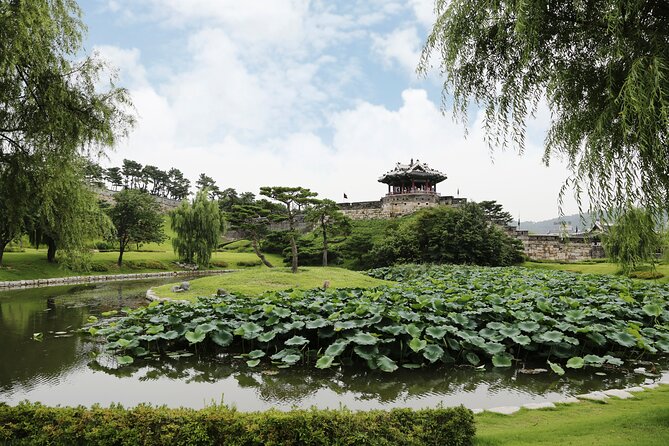
If you’ve been to Seoul’s palaces and want something with more “outside-the-wall” atmosphere, Suwon is a great second act. Hwaseong Fortress is UNESCO-listed, and it feels bigger and more layered because it’s tied to how a city functioned, not just how a king looked while posing.
The tour keeps it simple: fortress first, then the largest Hwaseong Haenggung Palace. You’re not spending all day commuting, and you’re not stuck in a long checklist of stops that blur together. At $48 per person, the value comes from what’s included—guide, round-trip coach/minivan, and admission tickets—so you’re paying for convenience plus guided interpretation.
The strongest part is how the tour ties architecture to motive. The fortress wasn’t built as an abstract project. It was connected to Joseon Dynasty ideas of duty, including King Jeongjo’s filial piety toward his father. That kind of context changes how you read walls, towers, and gates while you walk.
You can also read our reviews of more tours and experiences in Seoul

Getting to Myeong-dong and out again (without a travel headache)
The meeting point is in central Seoul: Myeongdong Station Exit 1061-7, Chungmuro 2(i)-ga, Jung District. Start time is 8:20 am, and you’re dropped back in the Myeong-dong area at the end.
Hotel pickup exists, but it’s not universal. It’s only available for centrally located hotels; if your lodging is farther out, you’ll meet the guide at the nearest central hotel or nearest subway station. Also, hotel pickup and drop-off aren’t included as a guarantee, so plan around the Myeong-dong meeting point.
This matters because a half-day tour lives or dies on time. A morning start like 8:20 am helps you reach Suwon and still return before lunch chaos. And since there’s no stop at shopping centers, the schedule stays clean—good if you want your “Seoul time” back for other plans.
Practical tip: keep your ticket on your phone. This tour uses a mobile ticket, which saves you from hunting for paper confirmations at the counter.
Walking Hwaseong Fortress: what you’re really seeing
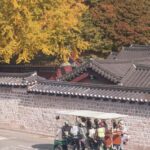
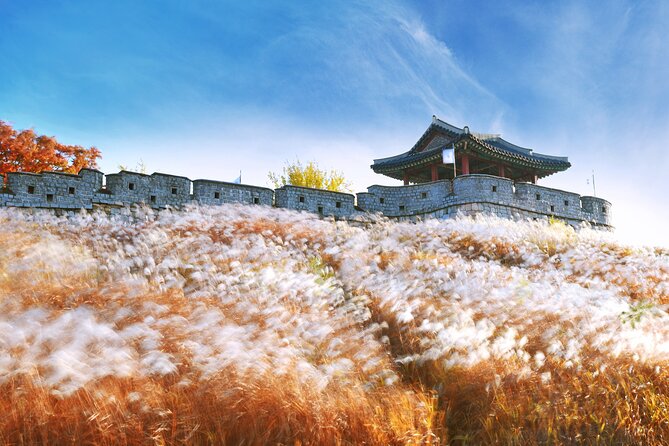
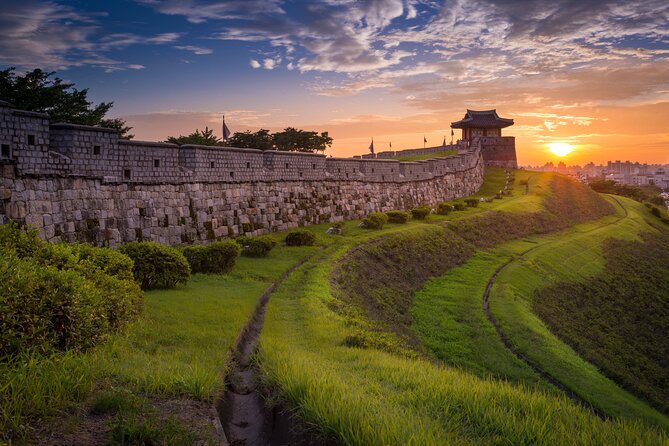
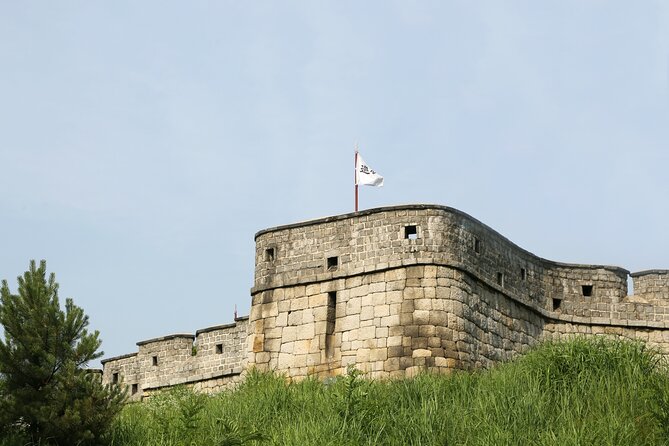
Hwaseong Fortress is from the later Joseon period (1392–1910), and the point of the visit is not just the walls’ size. It’s how the fortress design reflects the era’s thinking about defense, governance, and city life.
You get about 1 hour 30 minutes at Stop 1 with admission included. That’s enough time to walk key sections, stop at notable points, and still hear the guide’s explanations without the whole group feeling like they’re sprinting.
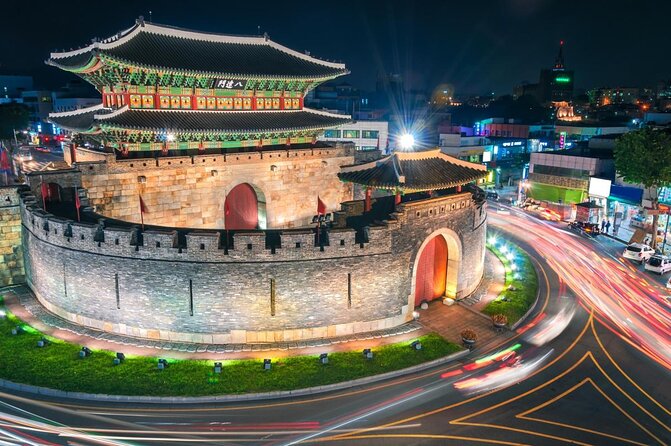
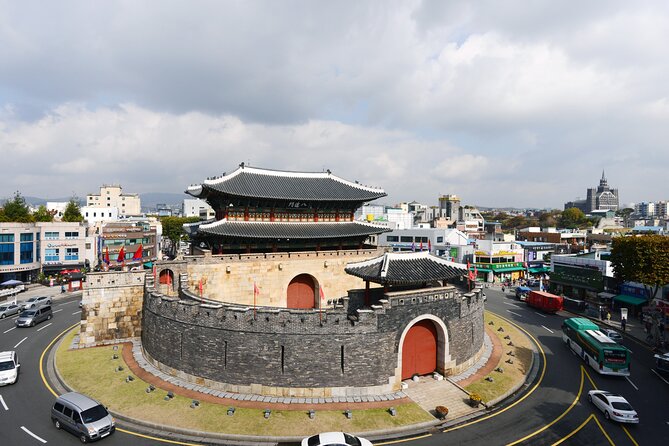
What makes the fortress special on this kind of guided route is how you interpret the walls as a system. You’re learning the significance of directional gates—those gate points weren’t just decorative entrances. They were part of how movement and meaning worked in the city plan.
One review-based detail that matches the overall experience: the tour is described as organized and on schedule, with many guides offering photo help. If you like getting shots with context—like a view plus what you’re looking at—this style of guiding is a plus.
Shoes matter here. Fortress walls and paths can involve uneven ground. Plan for walking, and bring a light layer even if Seoul looks mild. You’ll be happier if you’re comfortable for the whole wall time, not just the first ten minutes.
The directional gate stories and King Jeongjo’s motivation
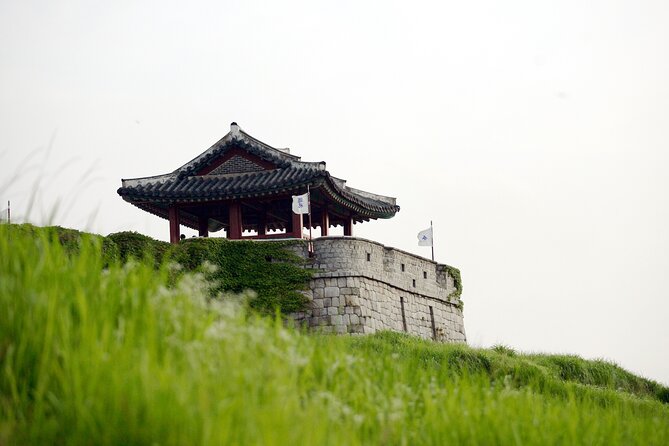
Architecture gets way more interesting when someone gives you the “why,” not just the “what.” The guide explains the fortress highlights and the importance of directional gates, so you can connect each stop to a bigger idea: how a king and a government wanted the city to function.
The tour’s historical thread centers on King Jeongjo and his father. Hwaseong Fortress was built as a public expression of King Jeongjo’s filial piety—his devotion shown through major construction. That connection matters, because it turns the fortress from a wall you look at into a monument with an emotional backstory.
Even if you don’t read Korean history chapter-and-verse, you’ll still feel the difference. When you hear how the design choices fit the Joseon mindset, the fortress stops being a backdrop and becomes part of the narrative.
If you’re the kind of traveler who likes “explain it to me like I’m five” history, this is a good fit. Several guide names come up with praise for clear, approachable explanations and good English, including people like Sophie, JL, Shin, Henry, and Stella. That doesn’t mean every guide will be identical, but it does suggest the tour’s guiding style tends to work for international visitors.
Hwaseong Haenggung Palace: a palace built for war and worship
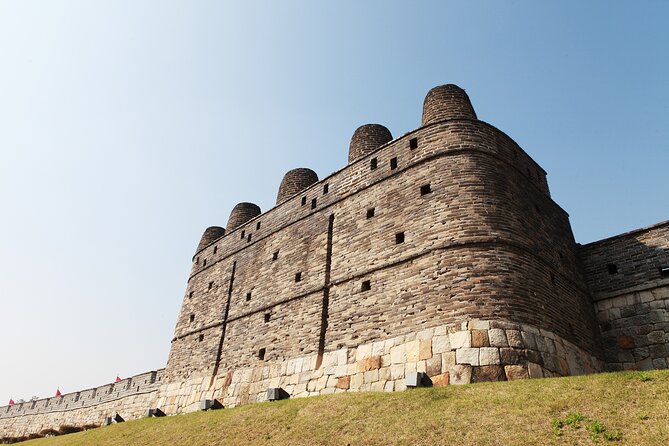
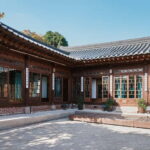
After the fortress walk, you switch gears at Hwaseong Haenggung Palace, where you get about 30 minutes. Admission is included again, so you’re not doing the “show your ticket, shuffle, queue, repeat” routine.
A Haenggung is a temporary palace—built for when the king and royal family needed to retreat during wartime. In other words, it’s not only ceremonial architecture. It’s a practical one designed for survival, movement, and control.
This particular Haenggung is the largest one associated with that royal system. It was used by Joseon kings from the time of King Jeongjo. And here’s the detail that helps you understand why it’s worth your time: King Jeongjo also stayed here during trips to worship at his father’s tomb.
So you’re not just looking at royal rooms. You’re seeing architecture tied to both conflict and devotion. That blend is what makes this stop feel different from typical “palace visits” that mainly focus on ceremonies and aesthetics.
With only 30 minutes, you should keep your expectations realistic. You’ll want to watch what the guide points out, then take a few photos from the spots that feel most meaningful to you. If you’re the type who likes slowing down and wandering, you might feel a little time pressure here. That’s the trade-off of a half-day format.



The guide makes the morning: clear English, pacing, and photo help
This tour lives and dies by interpretation. And the pattern in the experiences shared is strong: guides are frequently praised for making Korean history feel understandable and for adjusting pacing so people don’t feel rushed.
Different guide names show up in the best feedback, including Sophie, JL, Shin, Henry, Stella, Thomas, Park, Chloe, and Leo. The common thread isn’t the exact person—it’s the style: friendly, attentive, and focused on connecting the fortress and palace to the bigger Joseon story.
You’ll also get practical help. Many accounts mention guides offering tips for taking photos, knowing good spots, and taking time to respond when questions come up. If you’ve ever done tours where the guide speed-walks and you’re stuck filming blurry walls, this is the opposite.
One more plus: the tour avoids a shopping-center detour, which keeps energy for the historic time. In a half-day window, that matters.
What can go wrong (and how to protect your photos and time)
Even the best morning can get weird. One clear example that came up: weather can impact how much of the planned experience you actually get. If it’s raining or conditions are poor, outside stops like fortress walls can be less comfortable, and you may not cover everything as expected.
Another timing wrinkle that appeared in feedback: there can be moments that feel like waiting, such as time spent on a ride element that some people found gimmicky or not as useful as lingering at certain photo points. If your priority is photography, be ready to focus on what the guide considers the best opportunities and ask if you should reach a front position earlier for any show moments.
Also remember the structure: 1 hour 30 minutes at the fortress, 30 minutes at the palace. If you want extra time for slow walking and independent wandering, this might feel tight. That doesn’t mean it’s not worth it. It means you should treat it as a guided hit of the best essentials—not a full-day exploration.
Protect your experience:
- Wear grippy shoes for wall sections
- Bring a light rain layer if the forecast looks iffy
- Keep your afternoon flexible for a bit of extra walking in Suwon if you want more time
Price and value: what $48 buys you
At $48 per person, this isn’t the cheapest way to see Suwon. But it’s also not trying to be a luxury transfer. The value is in the bundle: professional guide, air-conditioned coach or minivan, plus admission tickets for both stops.
If you were to DIY Suwon, you’d still pay for museum/fortress admissions and spend time figuring out transport. Here, you outsource that planning to the tour schedule. For a half-day from Seoul, that’s often the difference between seeing a highlight and wrestling with transit times.
The tour also runs with group discounts and provides a mobile ticket, which keeps friction low. And it’s capped at up to 100 travelers, so you’re not likely to feel like you’re in an airport cattle line.
One caution on price-to-experience: if the day gets disrupted enough that you miss key moments, you might feel the cost more sharply because it’s a paid guided format. That doesn’t happen all the time, but it’s worth keeping in mind if you’re booking for a date with heavy rain forecasts.
Who this tour suits best (and who should think twice)
This fits best if you:
- Want a UNESCO site without sacrificing a whole day
- Prefer guided context for Joseon-era sites
- Like a morning plan that leaves your Seoul afternoon open
- Enjoy history explanations, including motive behind architecture
It might be less ideal if you:
- Want to spend hours wandering freely without a set itinerary
- Care most about being in the best photographic position at the right exact time and would be unhappy if pacing is fixed
- Are booking expecting the day to follow a perfect script regardless of rain or conditions
If you’re traveling solo, as a couple, or as a family, it also tends to work because the tour is structured and not overly long. Many accounts describe the experience as feeling smooth and organized, and some mention it felt small-group enough to ask questions easily.
Should you book this Suwon Fortress adventure?
I’d book it if you want a focused, high-impact UNESCO morning with minimal logistics stress. Hwaseong Fortress is the main event, but the Haenggung Palace stop is what keeps it from feeling like only walls and views. You get the “war and worship” angle tied to King Jeongjo, which makes the day more than a walk around stone.
Skip it or reconsider if your biggest goal is slow, independent exploration. This tour is built for a schedule. It’s also most satisfying when you’re comfortable with short stops that prioritize guidance over wandering.
One last practical thought: reserve with enough lead time. The tour is commonly booked about a month in advance, so if Suwon is on your must-do list, plan early and don’t wait for the last minute.
FAQ
What’s the duration of the Suwon Fortress half-day tour?
It runs for about 4 hours, approximately.
What’s the price per person?
The price is $48.00 per person.
Where do I meet the tour in Seoul?
You meet at Myeongdong Station Exit 1061-7 in Jung District. The start time is 8:20 am.
Is transport included from Seoul?
Yes. You get transport by air-conditioned coach or minivan. Hotel pickup is only available for centrally located hotels, and if your hotel isn’t in that area, the guide meets you at a nearby central hotel or subway station.
Are admission tickets included?
Yes. Admission is included for both Hwaseong Fortress and Hwaseong Haenggung Palace.
Are meals included?
No. Meals and drinks are not included.
Do they drop you back in Seoul after the tour?
Yes. You’re dismissed in the Myeong-dong area at the end.
Does the tour stop at shopping centers?
No, it does not stop at shopping centers.
How big is the group?
The maximum group size is 100 travelers.
Can I cancel if plans change?
Yes. You can cancel for a full refund if you cancel at least 24 hours before the start time.