REVIEW · SEOUL
DMZ; NK Defector, 3rd Tunnel, Suspension Bridge,Hotel pickup
Book on GetYourGuide →Operated by Seoul City Tour · Bookable on GetYourGuide
A trip to the DMZ changes how you see Korea. This Seoul day tour takes you into the Third Infiltration Tunnel area and up to Dora Observatory, where you can look across the border zone with an expert guide. Two big wins are the tunnel experience and the North Korea reality-check you get from the defector add-on; one thing to consider is it’s a long day (about 7 hours) that requires a passport and tight checkpoint timing.
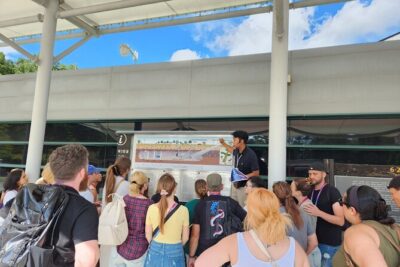
I like that the pace is structured but not rushed at every stop, and the guide time is used for meaning—not just photos. Guides highlighted in recent tours, including Lily, Yoon, Grace, Katie, and AJ, are known for keeping the bus lively, explaining the why behind each location, and helping you get pictures at the right moment. If you want a DMZ visit with organization, English support options, and built-in context, this is a strong way to do it—especially for first-timers.
In This Review
- Key Things You’ll Remember
- DMZ From Seoul: The 7-Hour Day That Packs in Meaning
- Passport + Checkpoints: The Part You Should Treat Seriously
- Imjingak Park Stops: Mangbaedan, Freedom Bridge, and the Steam Locomotive
- Third Infiltration Tunnel: Walking the Line Between War Plans and Real Stone
- Dora Observatory: Looking Across the DMZ With Real Tools
- Unification Village: A Quick Pass With Big Symbolism
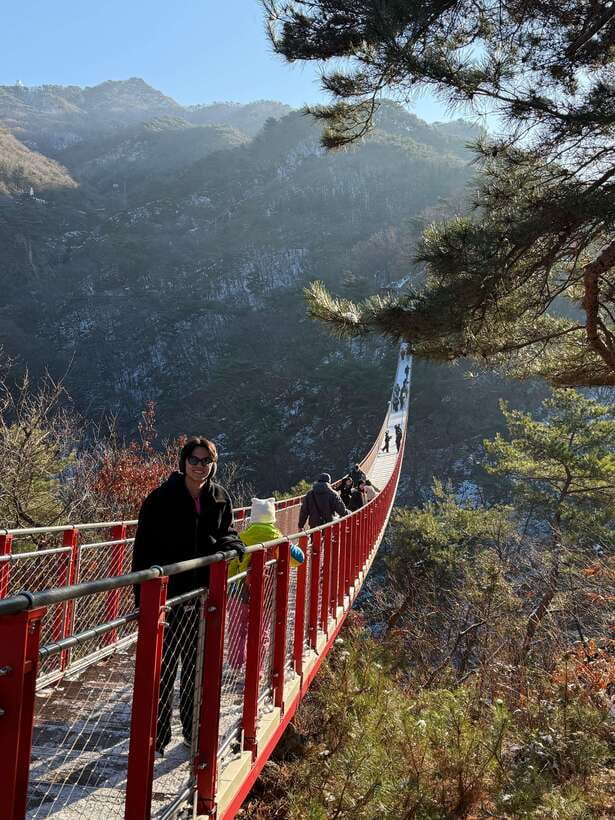
- Optional Suspension Bridge Add-Ons: Pick the View You’ll Enjoy Walking Toward
- North Korean Defector Meet-Up + North Korea Experience Hall
- Tour Guides and Pace: Why People Keep Saying the Same Names
- Value at About $45: What You’re Actually Paying For
- Who Should Book This DMZ Tour (and Who Might Not)
- Should You Book This DMZ Tour?
- FAQ
- Do I need a passport for this DMZ tour?
- How long is the DMZ tour from Seoul?
- Is hotel pickup included?
- Does the tour include entering the Third Infiltration Tunnel?
- Are suspension bridges part of the experience?
- Can I add a North Korean defector meet-up?
- What languages are available?
- What happens if I’m booking for a Monday?
- Is free cancellation available?
Key Things You’ll Remember
- Third Infiltration Tunnel: the experience of being near the tunnel entry and seeing why it mattered.
- Dora Observatory: binocular viewing of North Korea from one of the DMZ’s most famous lookouts.
- Imjingak Park landmarks: Mangbaedan, Freedom Bridge, and the Steam Locomotive stop for emotional context.
- North Korean Defector meet-up option: an add-on tied to the North Korea Experience Hall at Imjingak Park.
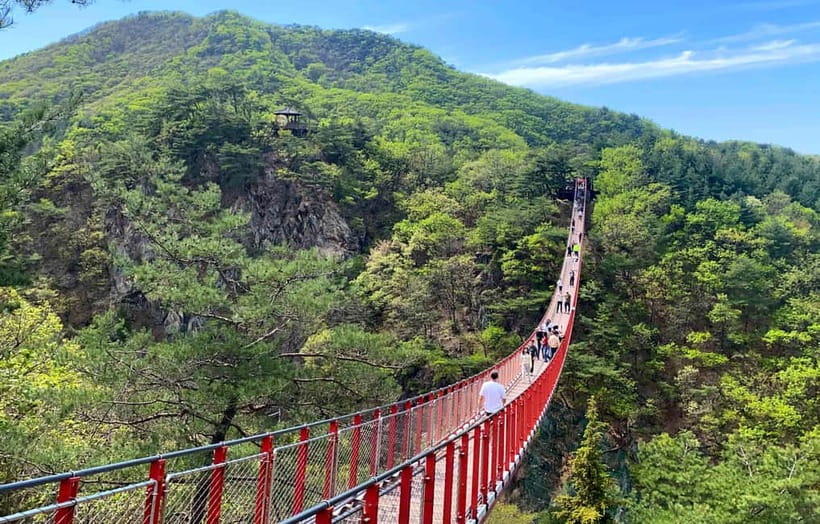
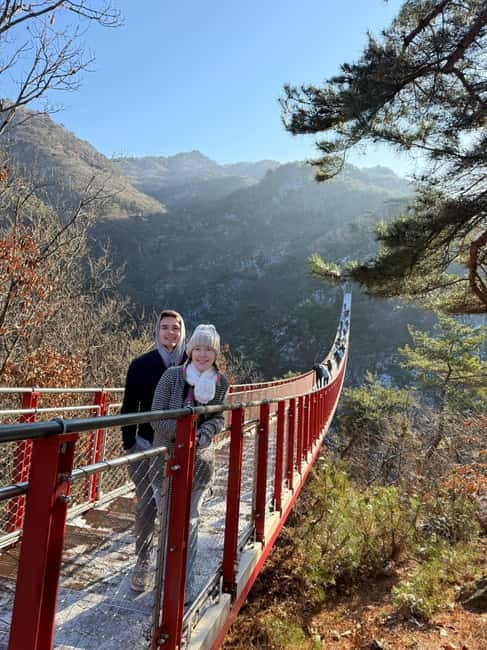
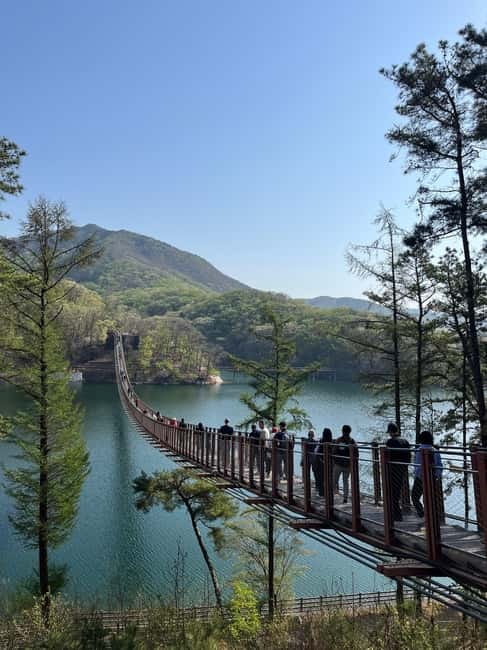
- Optional suspension bridge add-on: Mt. Gamaksan Red Suspension Bridge or Majang Reservoir Suspension Bridge.
- Tight but varied flow: checkpoints, guided segments, and just enough time to absorb each site.
DMZ From Seoul: The 7-Hour Day That Packs in Meaning
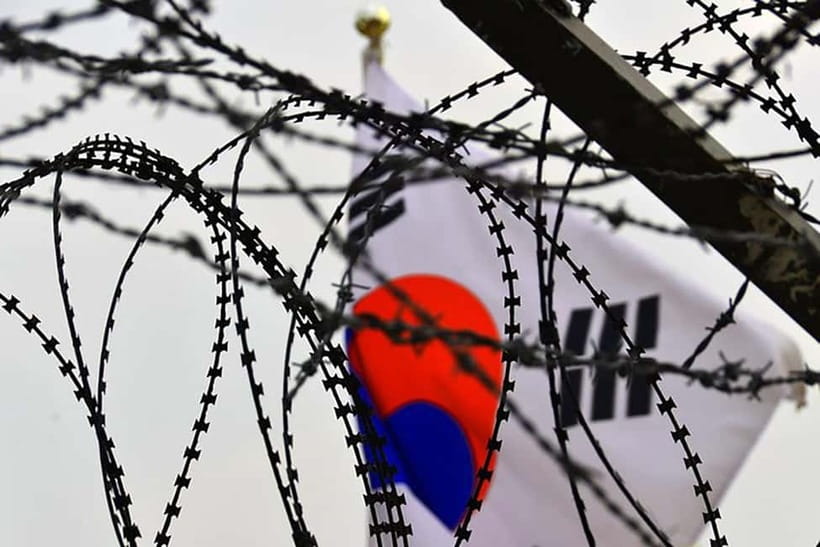
This is a classic Seoul-area half-day that turns into a full-on border-zone day. Expect round-trip coach time plus guided stops, for a total of about 7 hours (listed as 510 minutes). That length matters because the DMZ isn’t a quick walk-and-go place. You’re dealing with travel time, security flow, and the reality that you’ll be hearing a lot of explanation while you’re moving.
You’ll start with either a designated meeting point or optional hotel pickup (for the private-style option, pickup and drop-off at your hotel is offered). Once you’re on the bus, the rhythm is simple: you arrive, you get briefed, you move as a group, and you get guided time at each major site. If you hate waiting around, you’ll appreciate that the stops are timed and structured. If you’re sensitive to cold or long days, plan for comfort—some of the stops are outdoors.
The tour is offered in Chinese, English, and Japanese (Chinese/Japanese require a minimum number of people; if not met, it moves to English). In practice, this is the kind of day where having a guide who can keep the story clear really helps you connect the dots.
You can also read our reviews of more tours and experiences in Seoul.

Passport + Checkpoints: The Part You Should Treat Seriously
Bring your passport. That’s not just “nice to have.” All guests must carry it (a military ID or ARC is accepted as well). This is one of those tours where you don’t want to be the person scrambling at the last minute.
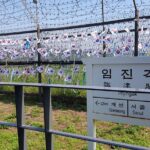
Also, understand the day runs on official access rules. You pass through checkpoint procedures as you head toward the border-zone points. When you’re waiting, you’ll be waiting with the group. Keep your documents ready, and keep your focus—checkpoint areas don’t work like a normal sightseeing district.
One more timing note: the DMZ is officially closed on Mondays. On those days, the operator runs a different course called the Starbucks DMZ Tour (morning timing, different observation stops and suspension bridge options). If Monday is your only option, this is worth checking before you book, so you’re not surprised by the change in what you’ll see.
Imjingak Park Stops: Mangbaedan, Freedom Bridge, and the Steam Locomotive
Imjingak Park is the emotional opener. It’s where the border story stops being abstract and starts feeling real. You’ll spend guided time here, usually around an hour, and you’ll hit landmarks that visitors associate with separation, war memory, and the hope of reunification.
You’ll visit Mangbaedan and Freedom Bridge, plus a stop connected to a Steam Locomotive display. Even without turning it into a museum tour, the guide narration helps you understand why these spots are repeatedly referenced in DMZ conversations. It’s not just scenery. It’s a curated setup for what comes next.
A practical tip: wear layers. This area is outdoors and can feel much colder than Seoul city streets. Also, don’t treat this as a casual photo stop. You’ll get more out of it if you listen to the explanation and then take pictures after you understand what you’re looking at.
Third Infiltration Tunnel: Walking the Line Between War Plans and Real Stone
The highlight for a lot of people is the Third Infiltration Tunnel (sometimes labeled the Tunnel of Aggression). This is the part that turns the DMZ from a geopolitical topic into something physical—something dug, built, and intended to be used.
In your day flow, you’ll pass through the Unification Bridge checkpoint area before arriving at the tunnel location. Then you’ll get guided time there (around an hour). The key value here isn’t only the scale of the site. It’s the guided explanation of why North Korea dug tunnels and how the South planned, responded, and adapted over time.
Two things to keep in mind:
- This isn’t a “peek and leave” stop. You’ll have enough time to experience the space, not just stand at a fence line.
- You may be walking and moving in and around secured zones, so comfortable shoes matter.
A possible drawback: the tunnel experience can feel intense. If you’re expecting a thrill ride, you might be disappointed. If you want to understand how conflict planning becomes architecture, it lands hard—in the best way.
Dora Observatory: Looking Across the DMZ With Real Tools
Next comes the Dora Observatory, one of the most famous DMZ viewpoints. You’ll spend about an hour there with guided time. The big payoff is that you’re not only hearing about the border—you’re seeing it.
This is also where binocular viewing comes into play. The guide will help you get your bearings so you can actually make sense of what you’re looking at, rather than staring at a distance and guessing. And on a clear day, it tends to feel surreal: you’re in South Korea, but the view forces your brain to accept a complicated reality.
The guide’s commentary is what makes Dora more than a lookout. You’ll connect the geography to the tensions, and you’ll understand why the DMZ is set up the way it is.
If you’re the kind of person who likes asking questions, Dora is a good time to do it—your guide can connect what you see to the story they’re telling throughout the day.



Unification Village: A Quick Pass With Big Symbolism
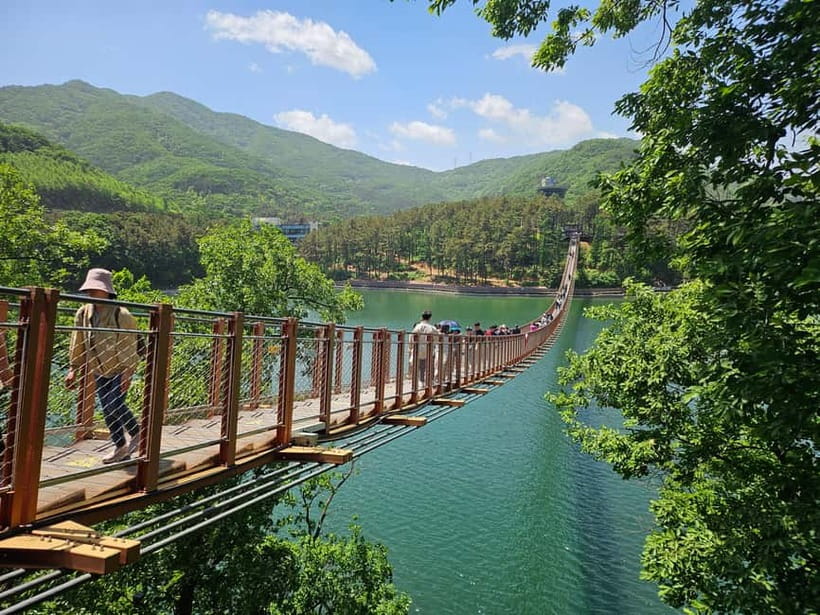
After Dora, you’ll go to Unification Village. You don’t stay long—listed time is about a 5-minute pass. That short stop can feel anticlimactic if you expected a full visit.
But it also makes sense for how the DMZ works. Unification Village is a symbol of what might happen someday, while the checkpoints and access limits are reminders of what prevents it today. Even with a short pass, your guide framing helps you understand what the place represents, not just where it is.
If you want more time for photos here, you’ll likely need to be decisive, because the group flow moves forward quickly.
Optional Suspension Bridge Add-Ons: Pick the View You’ll Enjoy Walking Toward
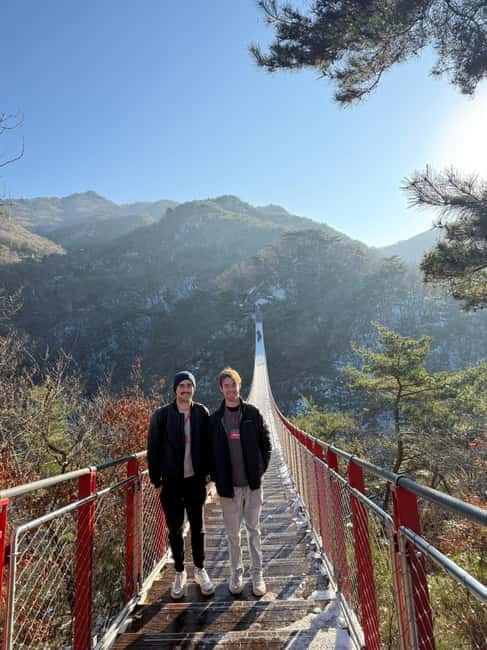
This tour includes suspension bridge options as add-ons, and the best choice depends on what you want from the day.
You can choose one of these:
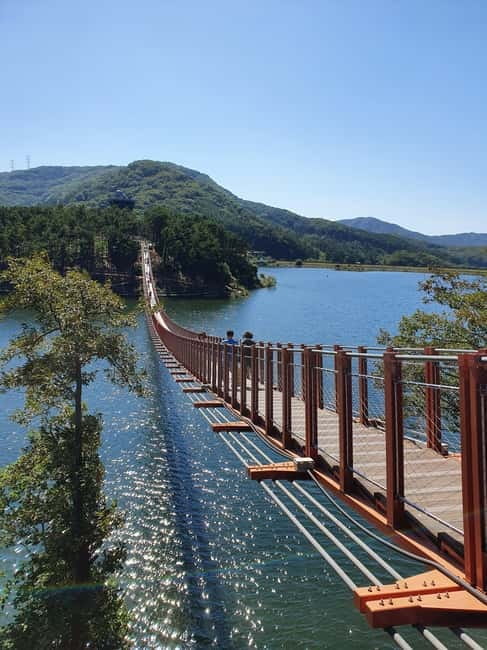
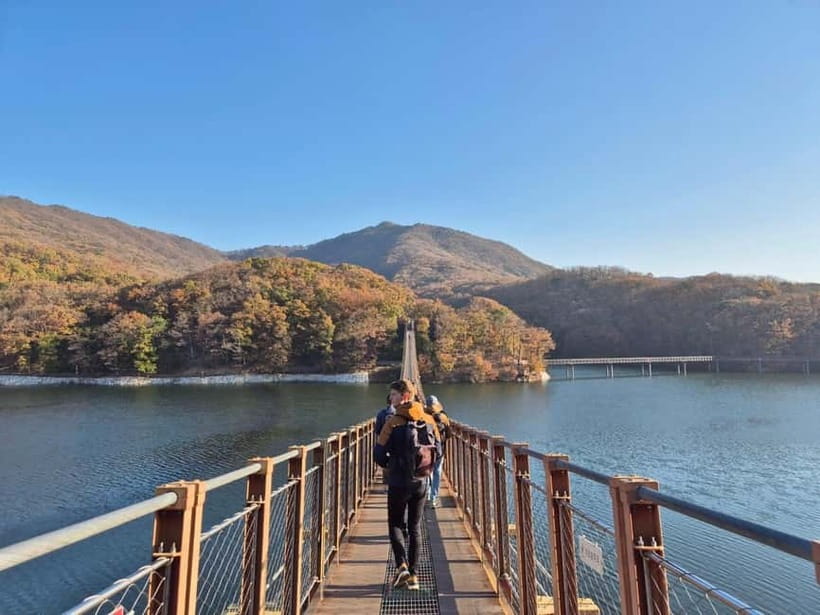
- Mt. Gamaksan Red Suspension Bridge option (you’ll get guided time here, about an hour).
- Majang Reservoir Suspension Bridge option (also around an hour guided).
These aren’t required, but they add variety. After hours of border-related stops, it’s a different kind of experience: open-air, a walking segment, and views that feel like a break—without leaving the DMZ area story behind.
A drawback to consider: suspension bridges add time on your feet. If you’re already tired from the day, the bridge might feel like extra effort rather than a relief. On the other hand, if you like photo moments with fresh air, it’s a solid trade.
North Korean Defector Meet-Up + North Korea Experience Hall
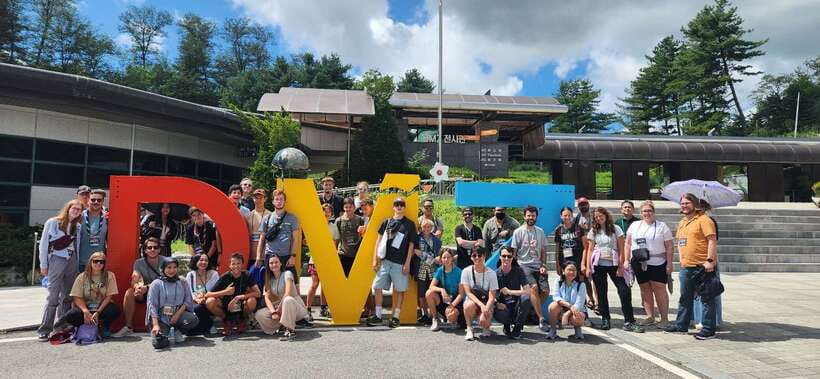
If you’re choosing the add-on, this is the part that can make the DMZ day feel less like a history lecture and more like a rare window into everyday reality.
The tour includes a North Korean defector meet-up option tied to the North Korea Experience Hall at Imjingak Park. The hall recently opened (April 22, 2025). In this experience, you can meet a real North Korean defector and learn more about North Korea.
This is presented as an exclusive option through Seoul City Tour, and it’s the segment that many guides and guests treat as a top moment of the day. The Q&A-style format (and your ability to ask questions) is often where the most memorable moments happen—because you stop thinking in generalities and start hearing specific life details.
Worth noting: this is still a guided, controlled setting. You’ll want to be respectful and focused, and you’ll likely get limited time depending on how the session runs. If you’re hoping for an unstructured conversation, manage expectations.
Tour Guides and Pace: Why People Keep Saying the Same Names
A big reason this DMZ tour scores so high is the human factor. The names that show up again and again—Lily, Yoon, Grace, Katie, Chloe, Erica, Miel, AJ, and Sadie—are described in similar ways: high energy, clear explanations, and strong organization.
In plain terms, here’s what that means for you:
- You’re less likely to feel lost. You get context before you arrive at key sites.
- The guide is actively helping with questions and photo moments.
- The bus time isn’t wasted. Guides often keep things interactive and keep the group together so no one falls behind.
You’ll still be in a group environment, so patience helps. But the guide style described in recent experiences makes the day feel smoother and more meaningful.
Value at About $45: What You’re Actually Paying For
$45 per person sounds almost too low for a full DMZ day. Here’s why it can still feel like good value: the price includes round-trip transport from Seoul and DMZ admission tickets, plus a licensed professional guide.
What you’re really buying is access and interpretation. Getting to the DMZ on your own is harder and slower. And the DMZ is the kind of place where looking around without context can turn into a checklist. A guide helps you understand why each stop matters, and that’s what turns transportation into an experience.
Food and drinks are not included, so plan for that. Bring water if you’re allowed and practical within your schedule, and budget for a meal somewhere during the day if you need one. Also, travel insurance isn’t included, which is normal for many day tours—so if you rely on it, add it separately.
If you want a cost-effective DMZ day with strong guide support, this is one of the easier ways to do it.
Who Should Book This DMZ Tour (and Who Might Not)
This tour fits best if you:
- Are visiting Seoul for the first time and want a structured DMZ day.
- Want the core hits: Imjingak Park, the tunnel experience, and Dora Observatory.
- Are comfortable spending a full day in coach + guided zones.
- Have interest in the optional North Korean defector meet-up and the North Korea Experience Hall.
You might think twice if you:
- Need a slow pace or lots of free time. Some areas are guided and move with checkpoints.
- Dislike long outdoor stretches in cold weather.
- Don’t want intense political context. The day is educational, but it’s not a casual sightseeing loop.
If you’re a solo traveler, you can still get value from the group format because you’ll have guidance and built-in flow. For couples and small groups, it’s also easy to enjoy without the stress of independent planning.
Should You Book This DMZ Tour?
Yes, I’d book it if you want a well-run DMZ day from Seoul that focuses on the places people actually remember—especially the Third Infiltration Tunnel and Dora Observatory—and you’re open to adding the North Korean defector session for a more personal, hard-to-replicate perspective.
Do it with these smart checks:
- Bring your passport and keep it accessible.
- Pick the suspension bridge option only if you’ll enjoy an extra hour outdoors.
- If you’re traveling on a Monday, confirm you’re aware of the different course (the DMZ is closed, so the tour adjusts).
- If you care about Q&A and direct questions, prioritize the defector add-on.
This is one of those days where the details matter. When the guide’s energy is high and the timing works, the DMZ stops being a box you tick and becomes a story you actually understand.
FAQ
Do I need a passport for this DMZ tour?
Yes. All guests must bring the passport. A military ID or ARC is also accepted.
How long is the DMZ tour from Seoul?
The DMZ tour is listed at about 7 hours (510 minutes).
Is hotel pickup included?
Hotel pickup is optional. A private DMZ tour option includes meeting at your hotel and dropping off back at your hotel.
Does the tour include entering the Third Infiltration Tunnel?
Yes. The route includes the Third Infiltration Tunnel with guided time.
Are suspension bridges part of the experience?
Suspension bridges are optional. You can add the Mt. Gamaksan Red Suspension Bridge option or the Majang Lake suspension bridge option.
Can I add a North Korean defector meet-up?
Yes. There’s an optional add-on for a North Korean defector meet-up and the North Korea Experience Hall at Imjingak Park.
What languages are available?
Tours are offered in Chinese, English, and Japanese. For Japanese/Chinese, a minimum number of participants is required; otherwise it shifts to English.
What happens if I’m booking for a Monday?
The DMZ is officially closed on Mondays, so the operator runs a different course called the Starbucks DMZ Tour with a separate morning schedule and stops.
Is free cancellation available?
Yes. You can cancel up to 24 hours in advance for a full refund.