REVIEW · SEOUL
Master Korean traditional cooking with a Kimchi chef
Book on Viator →Operated by OME COOKING LAB · Bookable on Viator
Kimchi tastes better when you buy the ingredients first. This Seoul class pairs a walk through the market with real cooking time in a Korean-style home, all led by a kimchi-focused chef experience. I really like the small-group size, because it keeps the pace calm and the questions coming.
You’ll also get a true market-to-kitchen flow, starting at Jegi-dong Station and ending back there after you eat what you made. I find that structure helps you understand Korean flavors, not just copy a recipe.
Chef Minseon is the kind of instructor who slows things down when you need it, and that patience matters when you’re learning new techniques. The class is hands-on with multiple dishes (3 menu items), so you’re cooking more than watching.
One consideration: you’re on your own for getting to the meeting spot near Jegi-dong Station—there’s no subway pickup—so do yourself a favor and plan your arrival early.
Why this cooking class works in real life
- Gyeongdong Market run: you shop for the exact ingredients you’ll cook
- Hands-on, not a demo: you work at the stove with your group
- Chef-led details: clear guidance that supports beginners
- Dishes change by day: samgyetang, kimchi, bulgogi-japchae-doenjang jjigae, bibimbap, or desserts
- Tea included: a small but welcome Seoul morning touch
- Private-by-group feel: you won’t be mixed with random strangers outside your party
In This Review
- Seoul Kimchi Cooking Starts at a Real Market (Not a Studio Screen)
- Finding Your Meeting Spot Near Jegi-dong Station Exit 2
- Gyeongdong Market: Buying Your Flavor Blueprint
- Cooking in a Korean-Style Home Kitchen
- What You Cook Depends on Your Day (So Pick the Right Day)
- The Food You Make: More Than One Technique
- Pace and Group Size: Why Small Feels Easier Here
- Included Meal and Morning Tea: A Proper Seoul Start
- Value Check: Is $85 Worth It for 3.5 Hours of Real Cooking?
- Who Should Book This Class (And Who Might Skip It)
- Should You Book This Kimchi Chef Cooking Class?
- FAQ
- Where do I meet for the class?
- How long is the experience?
- What dishes will I cook?
- What food is included?
- Is the group small?
- Can I get vegan or halal options?
- Is there free cancellation?
Seoul Kimchi Cooking Starts at a Real Market (Not a Studio Screen)
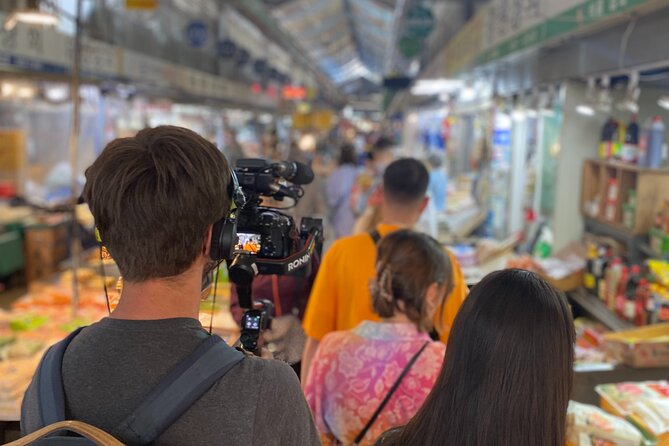
This class is built around one smart idea: if you want Korean food to make sense, you should start seeing the ingredients in their natural habitat. You meet near Jegi-dong Station Exit 2 around 10:00 am, then you walk through local streets to the Gyeongdong Market area where the shopping happens.
The timing matters too. Going in the morning keeps the experience focused: you’re hungry for learning, not just trying to squeeze in one activity between museum stops. And since you’re guided the whole time, you’re not stuck translating ingredient names while everyone else moves on.
I also like how the experience stays practical. You’re not just told what gochugaru is; you’re standing in a place where chili powder, fermented flavors, and everyday staples are part of normal life.
Finding Your Meeting Spot Near Jegi-dong Station Exit 2
Meet-up is at Jegi-dong Station (Line 1), Exit 2, and the area is close to Dongdaemun. The meeting point is near the Seoul Oriental Medicine Market, which is a nice extra layer because it reinforces how Korean food culture connects with herbs and traditional ingredients.
You should plan to arrive a little early so the start feels easy. There’s no subway station pickup, and the class begins at 10:00 am, so being a few minutes late can throw off your whole morning rhythm. Once you’re there, everything else runs smoothly: the guide takes charge right away, keeps the group together, and leads you step by step.
If you’re using transit, you’ll probably find Line 1 is the simplest route for getting to the station. Then it’s just a short walk to the meet-up point.
You can also read our reviews of more cooking classes in Seoul
Gyeongdong Market: Buying Your Flavor Blueprint
The market stop is where the cooking class turns from an activity into a skill. Your guide helps you pick up ingredients for the planned menu for your day. That means you’re learning what to buy, not just what to cook.
You’ll see how Korean kitchens build flavor with basics that sound simple but behave differently when combined: aromatics, fermented condiments, seasonings, and vegetables treated with specific care. Even if you’ve cooked before, this part helps you understand why Korean dishes taste the way they do.
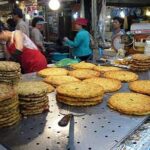
One of the best touches is that this is not a rushed shopping sprint. The walk gives you context, and you’re not just checking off items on a list. On some sessions, you might even sample something along the way, like traditional Korean donuts, which makes the market portion feel more like a morning outing and less like logistics.
Cooking in a Korean-Style Home Kitchen
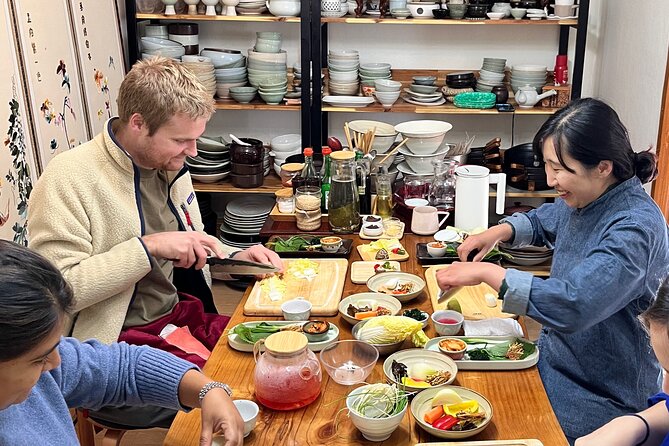
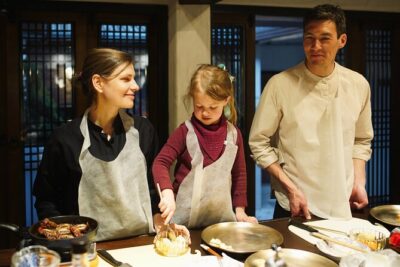
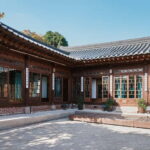
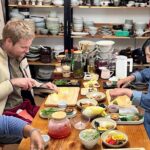
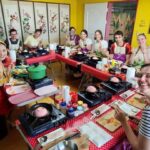
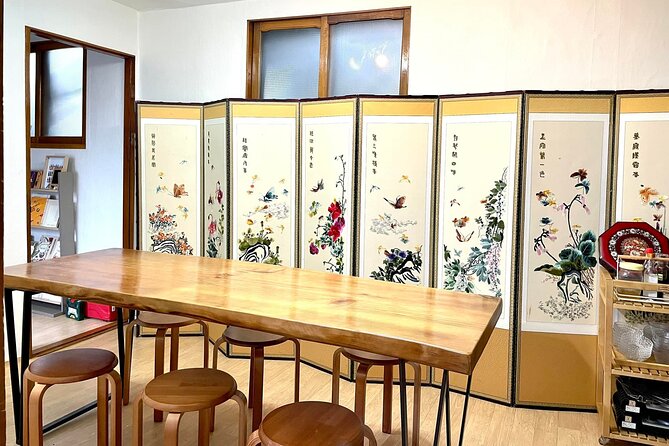
After the market, you head to a Korean-style house in a local neighborhood. This is where the class becomes truly hands-on: you’re set up in the kitchen with your group, and you start cooking your assigned menu items.
The home setting helps. It’s not a giant cooking school where you’re stuck watching from the back row. You get closer to the tools, the flow of the kitchen, and the way Korean meals are built dish by dish.
And yes, the experience is designed for beginners. Chef Minseon, in particular, is described as patient and supportive, with clear instructions that make it easier to follow even if you’re not a regular cook. You’re also able to keep up with the pace because everything is taught while you’re actively doing it.
Another plus: dietary options are available. The class notes vegan and halal options, and people in the reviews mention that instructors can accommodate restrictions. So you’re not signing up and hoping for the best—you’re communicating up front and cooking something that fits.
What You Cook Depends on Your Day (So Pick the Right Day)
This is the part that can make or break your choice, because your menu changes by day. The class is built around three different menu items, and which dishes those are depends on what day you book.
Here’s the day-by-day menu:
- Monday: samgyetang
- Thursday: kimchi
- Tuesday or Saturday: bulgogi, japchae, and doenjang jjigae
- Friday: bibimbap
- Sunday: a variety of Korean desserts
If you want a direct kimchi focus, Thursday is your obvious pick. If you want a broader Korean meal experience, Tuesday or Saturday hits a lot of key flavors in one go: savory grilled beef (bulgogi), chewy-satisfying noodles (japchae), and that deep fermented soybean stew (doenjang jjigae).
If you’re craving comfort food, samgyetang is a strong option. And if you want a dish you can repeat at home without a ton of guesswork, bibimbap is a practical anchor because it teaches you about balance—rice plus toppings plus sauce.
Sunday desserts are also a good choice if you want to leave with a sweet set of skills rather than only savory cooking.
The Food You Make: More Than One Technique
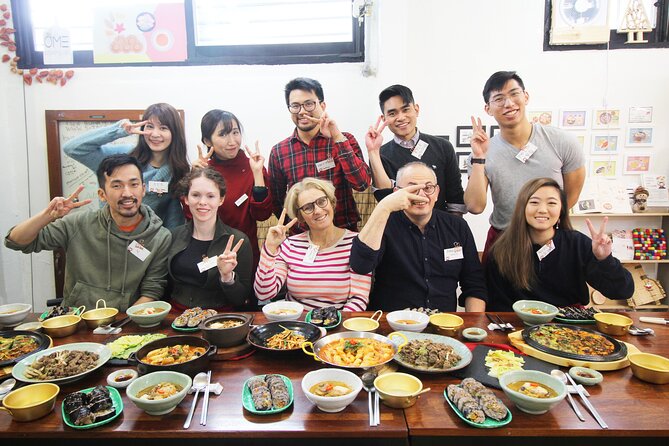
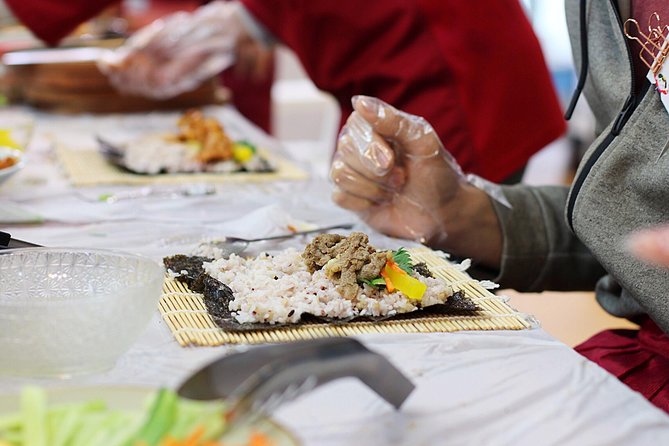
Even though the class is only about 3 hours 30 minutes, you end up doing real cooking work. In practice, that means you’re learning a set of techniques—prep, mixing, heat control, and seasoning adjustments—rather than memorizing one step.
On days that include kimchi, you learn how fermentation-based flavors are built with the right balance of seasoning. On a bulgogi/japchae/doenjang jjigae day, you get variety: sizzling sweet-savory meat, stir-fried noodle strands, and a stew that teaches patience and seasoning depth.
If you’re doing bibimbap, you’ll get a better understanding of how Korean meals assemble: toppings are prepared with purpose, not thrown together at the end. And on dessert days, the class gives you a look at Korean sweets beyond just one famous item.
Also, the class is designed so you can sit down and eat what you made. That matters. You taste, you compare, and you learn from the result immediately instead of guessing if you followed the instructions correctly.





Pace and Group Size: Why Small Feels Easier Here
This experience is designed for a small group, and the booking cap is limited. The overall promise is intimate, with a group size limited to seven, and the activity listing also notes a maximum of 10 people per booking.
In a kitchen, that difference matters. Smaller groups mean you get more attention, fewer long lines at cutting boards, and easier troubleshooting when your sauce looks off or your timing slips.
If you’re traveling with a friend or family member, the private-by-group style is also helpful. You’re not trying to share space with strangers whose cooking habits you don’t know. That can reduce stress, especially if one person is more comfortable than the other.
From the reviews, what comes through most clearly is that the instructor keeps everyone engaged and makes sure each person is actually cooking. That’s the difference between a class that feels like a fun tour and one that gives you skills you can repeat later.
Included Meal and Morning Tea: A Proper Seoul Start
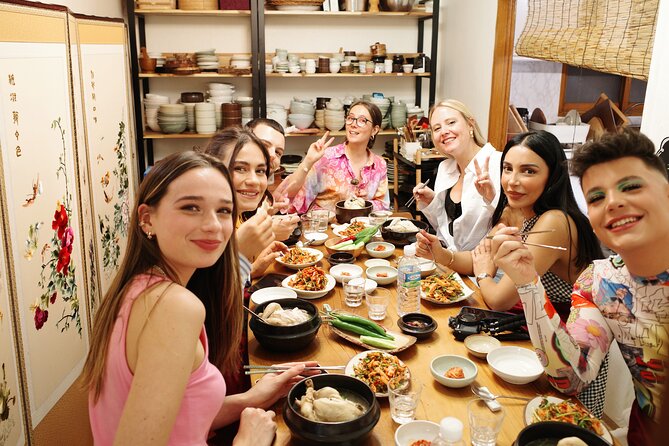
You’ll have morning tea included on all tours. It’s a small detail, but it sets a friendly tone before the market walk and cooking begins.
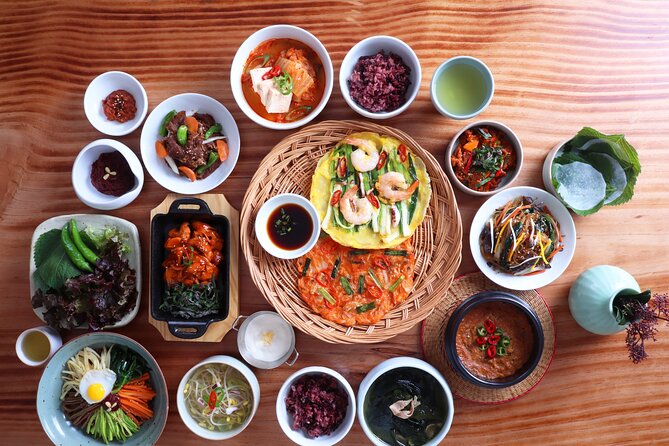
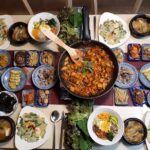
Then you eat the meal you make. The class includes lunch (or dinner, depending on selection and time) or dessert depending on your day. Since you’re cooking the food yourself, you get the satisfaction of tasting your own work right away, and that helps the recipes stick in your head for later.
This is also a social part of the experience. You sit with your group and chat with the instructor while you eat. It’s a good time to ask practical questions like how to adjust flavor at home or what ingredients are hardest to replicate outside Korea.
Value Check: Is $85 Worth It for 3.5 Hours of Real Cooking?
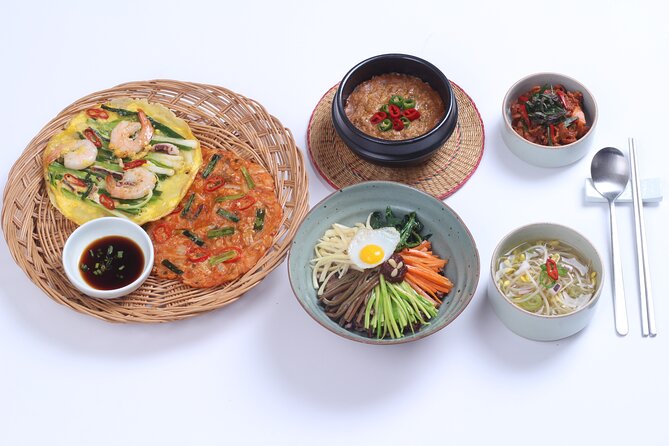
$85 sounds like a “foodie splurge” at first, but the value starts to make sense when you look at what’s included and what you learn.
You’re paying for:
- a guided walk through a major local market to shop for ingredients
- hands-on cooking time in a Korean-style home kitchen
- an instructor who can help you follow techniques step by step
- a sit-down meal (lunch/dinner) or desserts
- morning tea included
A typical cooking class that skips the market tends to leave you with a recipe but not the ingredient literacy. Here, you get both: you learn what to buy and how to use it. For many people, that combination is what makes the class worth repeating back home, because you’re not stuck substituting random pantry items and hoping for the best.
Also, the class runs about 3 hours 30 minutes, which is a realistic chunk of time for a hands-on experience. You’re not signing up for something that burns half a day with mostly waiting.
The main “cost” isn’t money; it’s time. So if your Seoul schedule is packed, pick a day you can fully commit to the morning rhythm.
Who Should Book This Class (And Who Might Skip It)
This is ideal if you:
- want a kitchen-based skill, not just a food sample
- like hands-on learning, especially with new ingredients
- enjoy morning activities and don’t mind a short walk through the neighborhood market
- want dishes that are practical to cook again later
You might skip it if you’re only looking for a quick taste of Korean food and already feel confident with Korean cooking ingredients. In that case, a shorter tasting-focused activity could fit better.
If you’re the type who wants to learn Korean food culture through the ingredients themselves, this class is a strong match. It turns Seoul food into something you can recreate, not only remember.
Should You Book This Kimchi Chef Cooking Class?
I’d book it if you want the full experience: market shopping, hands-on cooking, and a meal you eat at the end. The small-group format and patient chef instruction are real advantages, especially if you’re not a confident cook.
Choose your day based on what you most want to learn:
- Kimchi focus: Thursday
- Complete meal variety: Tuesday or Saturday
- Comfort food: Monday (samgyetang)
- Assemble-and-balance cooking: Friday (bibimbap)
- Sweet skills: Sunday desserts
If you can show up on time at Jegi-dong Station Exit 2 and you’re open to cooking three dishes with guidance, you’re very likely to leave happy—and with recipes you can actually use.
FAQ
Where do I meet for the class?
You meet at Jegi-dong Station, Exit 2. The start time is 10:00 am, and the meeting area is noted as near the Seoul Oriental Medicine Market.
How long is the experience?
It’s approximately 3 hours 30 minutes.
What dishes will I cook?
The menu depends on the day you choose. Examples include samgyetang (Monday), kimchi (Thursday), bulgogi/japchae/doenjang jjigae (Tuesday or Saturday), bibimbap (Friday), and Korean desserts (Sunday).
What food is included?
The class includes a meal or dessert depending on your selection and time. It also includes morning tea on all tours.
Is the group small?
Yes. It’s described as a small-group experience limited to seven people, with an activity booking maximum of 10 people per booking.
Can I get vegan or halal options?
Yes. The activity states that vegan and halal options are available.
Is there free cancellation?
Yes, free cancellation is available. You can cancel up to 24 hours in advance for a full refund.