REVIEW · SEOUL
Full Day- Essential Seoul City Tour & Gourmet Tour(including Lunch and Dinner)
Book on Viator →Operated by Bergen travel · Bookable on Viator
Seoul in one long food-and-history day. This full-day tour strings palace, hanok streets, temples, and two market meals into one smooth route, with snacks and an English guide.
I especially like the included meals that go beyond a single sit-down stop, plus the fact that you’re seeing both old-school neighborhoods and modern Seoul in the same day.
What I like most is the food plan: lunch is ginseng chicken soup (samgyetang) at a famous Michelin restaurant, and dinner is street food at Gwangjang Market with Korean rice wine (makgeolli). If tea and snacks are your thing, you’ll also get traditional bites and drinks during the route.
One possible drawback: it’s a long day with lots of walking—plan for about nine miles and bring a game plan for heat or rain, even when the guide adjusts.
In This Review
- Key takeaways before you go
- Why this Seoul city + gourmet tour is such a smart first day
- The 9-hour route: what you’ll hit and how it feels
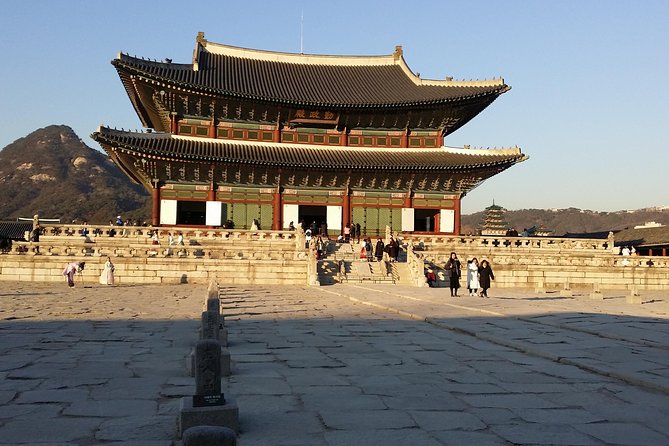
- Gyeongbokgung Palace: where the day earns its start
- National Folk Museum: the context stop that makes the rest click
- Bukchon Hanok Village (and Baek In-je’s House): classic Seoul, minus the confusion
- Jogyesa Temple and Insadong: tradition in the middle of the city
- Traditional tea at Kyung-In’s Dawon Garden: your reset button
- Cheonggyecheon Stream: modern Seoul with a human pace
- Gwangjang Market dinner: street food + makgeolli (the real payoff)
- Price and value: is $299 per person actually fair?
- Guide style: why names like Bergen Park and Tony keep coming up
- How much walking is too much?
- Who this tour suits best
- Should you book this Seoul city + gourmet tour?
- FAQ
- What places does the tour include?
- How long is the tour?
- What time does the tour start?
- Do they pick me up from my hotel?
- Is this tour private?
- Are meals included?
- Are entrance fees included?
- Do you offer vegetarian options?
- What language is the guide?
- What’s not included in the price?
- Can I cancel for a full refund?
Key takeaways before you go
- A single-day Seoul essentials loop: palaces, hanoks, temples, and city-stream walks without juggling transit.
- Two real meals plus tastings: Michelin-style lunch, then Gwangjang Market dinner with street food and makgeolli.
- Admission included where it matters: Gyeongbokgung Palace and several museums/temples have tickets covered.
- Central Seoul neighborhoods, on purpose: Insadong and Cheonggyecheon show a different side than Bukchon.
- Guide style can make or break it: names like Bergen Park, Tony, Shawn, and Kimsoo show up in the best experiences—often with flexibility.
Why this Seoul city + gourmet tour is such a smart first day
If you’re landing in Seoul and only have a short time, this kind of tour is a time-saver. In one day you cover major landmarks that normally require careful planning: palace grounds, hanok village lanes, a Buddhist temple in the city center, and two food-focused market zones.
I also like that the day isn’t only “look at buildings” sightseeing. You’re constantly switching modes—palace formality, museum context, traditional tea, then street food chaos at Gwangjang Market. That rhythm helps the whole day feel less exhausting, even though it’s still a full commitment.
The big practical win is the setup: hotel pickup and drop-off, an air-conditioned vehicle, and a licensed English-speaking guide who handles the flow. On days when you’d otherwise spend energy figuring out bus routes and lines, you can spend it actually seeing Seoul.
You can also read our reviews of more city tours in Seoul
The 9-hour route: what you’ll hit and how it feels
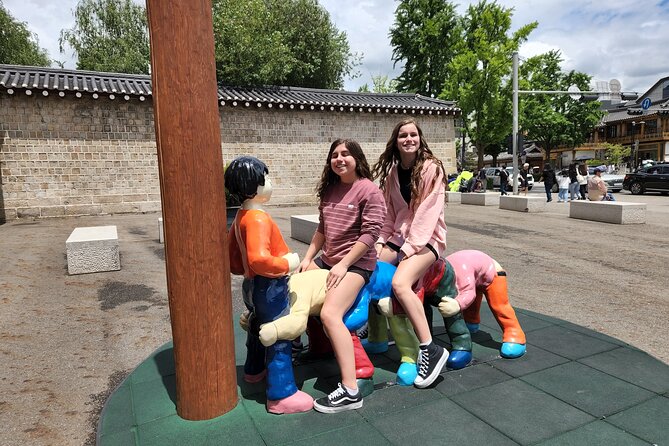
The tour runs about nine hours (start time 9:00 am). It’s designed so you’re not stuck in one neighborhood the whole day. Instead, you move across central Seoul in a logical arc, with walking mixed in between driving segments.
Here’s the feel of the day, stop by stop:
- Gyeongbokgung Palace: a solid first anchor for Joseon-era Seoul (about 1 hour, admission included).
- National Folk Museum of Korea: daily life stories from birth to the grave (about 30 minutes, admission included).
- Bukchon Hanok Village: hanok residential lanes and traditional rooflines (about 40 minutes, admission-free).
- Jogyesa Temple: calm central-city Buddhism (about 30 minutes, admission included).
- Insadong: traditional craft and older Seoul vibe (about 1 hour, admission-free).
- Dawon Traditional Tea Garden (via Kyung-In Museum of Fine Art): a breather with tea (about 30 minutes, admission included).
- Cheonggyecheon Stream: a walk along Seoul’s famous eco-waterway (about 20 minutes, free).
- Baek In-je’s House (inside Bukchon): another hanok look with museum context (about 1 hour, free).
- Gwangjang Market: the food finale (about 1 hour, free), with dinner and makgeolli.
If you love pacing that keeps you moving, this works. If you like slow museum time, you might feel the schedule is “fast but efficient.” You do get breaks in the form of short stops and a tea break, but the day still adds up.
Gyeongbokgung Palace: where the day earns its start
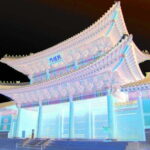
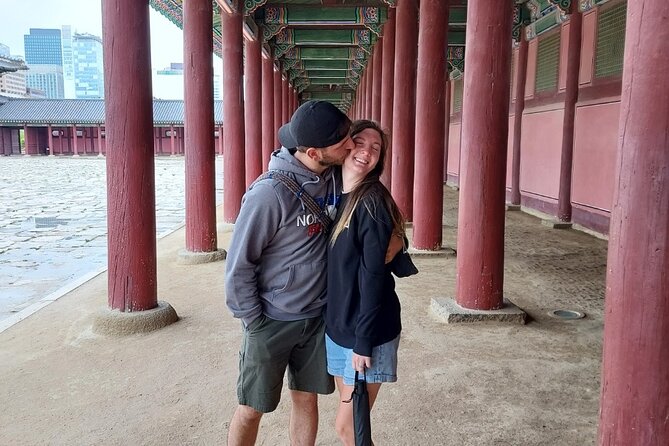
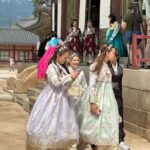
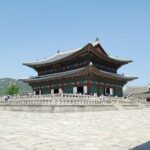
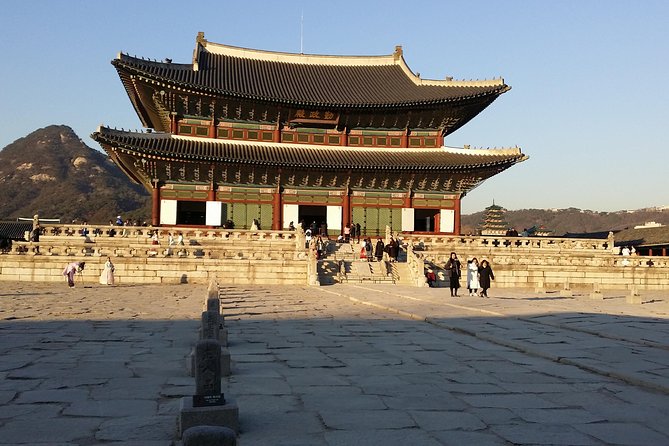
You begin at Gyeongbokgung Palace, the main palace built in 1395 during the Joseon dynasty. This stop is a strong choice for first-timers because it gives you a visual framework for what you’ll keep seeing later—gateways, court structures, and the overall palace layout.
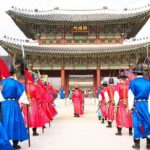
Plan for more than photos. You’ll have about an hour, and the tour includes palace admission. In the best versions of this day, you also get the moment people remember most: the changing of the guard, when it’s happening. It’s a dramatic slice of pageantry, and it helps the palace feel alive rather than just “another big complex.”
One more practical note: because this is a high-demand site, keep your sense of patience switched on. The guide is the one managing tickets and timing, but you’ll still want to move with the group.
National Folk Museum: the context stop that makes the rest click
Next comes the National Folk Museum of Korea. This is one of those stops that can make the day feel more meaningful because it explains what everyday life looked like in Korea—spanning from early life to end-of-life traditions. You get about 30 minutes here, with admission included.
Even if you’re not a “museum person,” I’d treat this as your shortcut to understanding what you’re seeing later in neighborhoods like Insadong and Bukchon. Without it, hanoks and traditional streets can feel like scenery. With it, they start feeling like lived-in culture.
Bukchon Hanok Village (and Baek In-je’s House): classic Seoul, minus the confusion
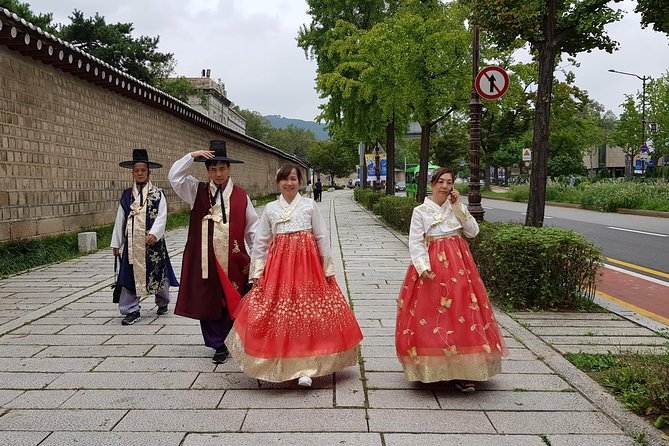
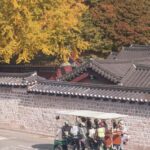
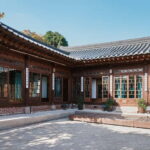
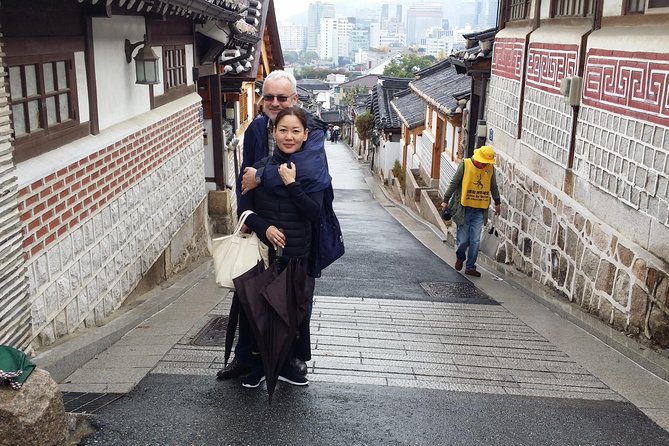
Bukchon Hanok Village is the traditional residential area known for its hanok houses, where the rooftops and narrow streets create that iconic old-Seoul look. You’ll spend about 40 minutes here, and the basic village area is free to enter.
The tour doesn’t stop at the “photo lanes.” You also visit Baek In-je’s House, which gives more structure to the hanok experience. That’s another 1 hour and it’s free. This pairing is smart: village stroll first, then a more focused look at a preserved hanok.
If you’re trying to spot details—roof shapes, courtyard patterns, and how residents historically organized indoor-outdoor life—this is where you’ll slow down naturally.
You can also read our reviews of more tours and experiences in Seoul

Jogyesa Temple and Insadong: tradition in the middle of the city
In central Seoul, Jogyesa Temple offers a quieter contrast to palaces and market streets. You’ll have about 30 minutes, and admission is included. This is also a good stop if you want a break from crowds—temple spaces tend to reset your senses quickly.
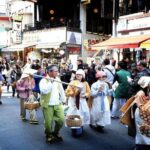
Then you head to Insadong, a traditional cultural area where you’ll find older Seoul energy: craft streets, cultural shops, and that “walk and browse” rhythm (about 1 hour, free).
Here’s the thing I’d watch for: Insadong is popular with visitors, so it can feel dense near the main streets. The guide helps keep you pointed in a direction that fits the schedule, so you’re not wandering for an hour trying to find the interesting parts.
Traditional tea at Kyung-In’s Dawon Garden: your reset button
This tour includes a stop that many people underestimate: traditional Korean tea in the Dawon Traditional Tea Garden connected with the Kyung-In Museum of Fine Art. You get about 30 minutes, with admission included.
Tea time matters because it cools down the day mentally. After palace stone and market pace, this is where your brain catches up. The tea stop is also described as a top-tier traditional tea house (ranked within the top five), which is a nice signal that you’re not being herded into an average experience.
If you’re not a tea drinker, you might still enjoy it as a calm cultural pause—just ask the guide what’s available in a way you can handle.
Cheonggyecheon Stream: modern Seoul with a human pace
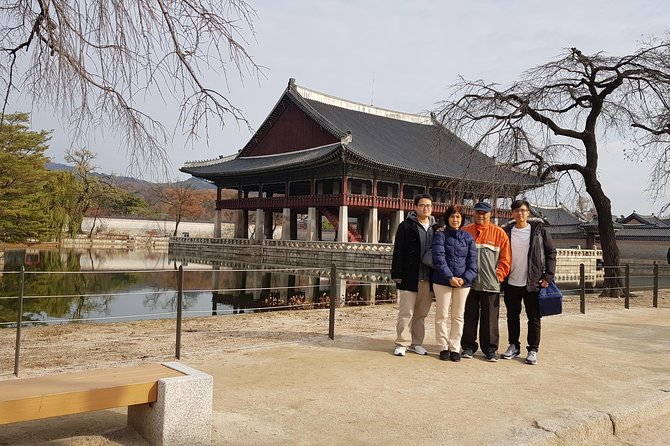
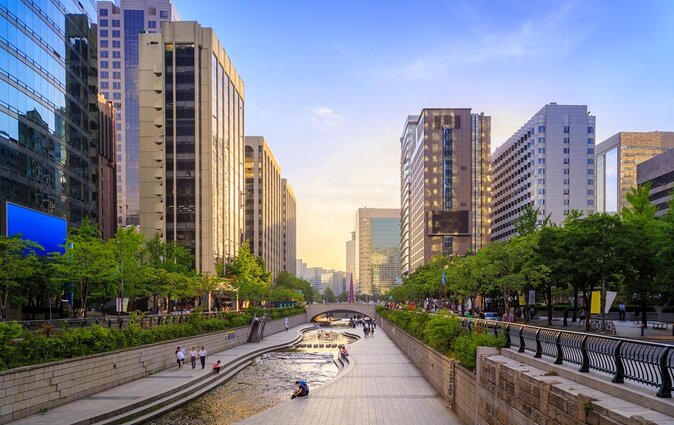
After tea, the tour shifts again with Cheonggyecheon Stream. It’s an 11 km eco-waterway running through downtown Seoul. You’ll walk for about 20 minutes, and it’s free.
This stop works because it’s not another “must-see building.” It’s a landscape change—water, walking paths, and an urban setting that feels gentler than major roads. Also, it’s a reminder that Seoul modernized without forgetting public space.
If you’re photographing, this area tends to give you great city textures. If you’re tired, it’s still a manageable stretch—short enough to feel refreshing, not exhausting.
Gwangjang Market dinner: street food + makgeolli (the real payoff)
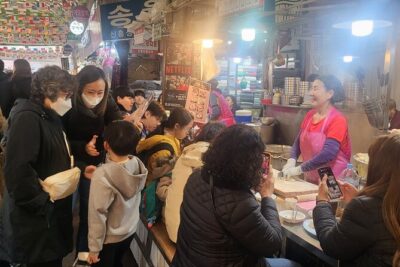
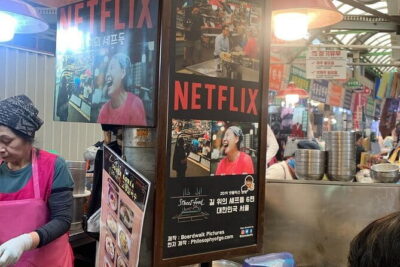
The endgame is Gwangjang Market, where you get dinner and the full “eat like a local” atmosphere. The tour includes an approximately 1-hour visit here, and the market area is free to enter.
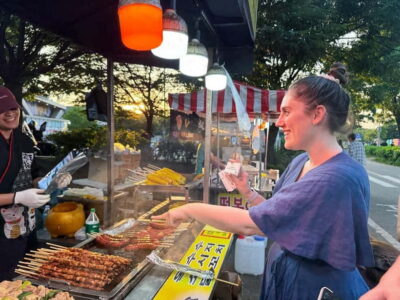
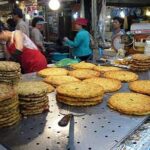
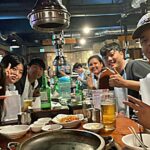
Dinner includes various traditional street foods, and you’ll also be served makgeolli (Korean rice wine). This is the moment many people remember most because the food variety is high and the energy is real. You’re not just ordering one dish and leaving; you’re tasting and comparing.
Lunch and dinner are both key to why the price feels more reasonable than typical “tour only” packages. Lunch is samgyetang (ginseng chicken soup) at a famous Michelin restaurant, and dinner is street food where the choices feel wider and more spontaneous.
There’s also a practical detail that matters: the lunch option includes a vegetarian restaurant availability. So if you don’t eat meat, you aren’t forced into a sad substitute.
Price and value: is $299 per person actually fair?
At $299 per person, this isn’t a budget tour. But value isn’t only cost—it’s how much stress it saves and how much is bundled.
Here’s what you’re paying for:
- English-speaking licensed guide who leads the whole day.
- Hotel pickup/drop-off within Seoul.
- Air-conditioned private transportation.
- All fees and taxes (including several key admission tickets).
- Meals: lunch with samgyetang at a Michelin restaurant, plus dinner at Gwangjang Market.
- Snacks and beverages during the tour.
Also, several stops are free to enter on their own (like Insadong, Cheonggyecheon, Bukchon’s basic areas, and Gwangjang Market). That means your money isn’t going to “pay again later” at every corner.
Is it perfect value for everyone? Not always. If you already know Seoul well and love building your own day, you could replicate parts of the route. But if you want an efficient first visit—especially with food handled for you—the package does a lot of work for one price.
Guide style: why names like Bergen Park and Tony keep coming up
The tour experience seems heavily influenced by the guide. In the best versions of this day, guides like Bergen Park, Tony, Shawn Park, and Kimsoo show up with the same pattern: they explain what you’re seeing, then adjust when life happens.
For example, you may notice:
- A guide who is early to pick you up and keeps timing steady.
- Flexibility if you have mobility limits (one account noted a bad knee and an adjusted approach).
- Food choices that feel local rather than generic.
That flexibility is also why the day can feel smooth even with so many stops. And if you’re the kind of traveler who likes asking questions, guides tend to respond with context—why palaces were laid out as they were, what daily life looked like in Joseon times, and why markets matter beyond shopping.
One caution: because the schedule includes multiple tasting moments and food orders, be clear about allergies or dislikes at the start. You’ll enjoy the day more if your guide knows what to avoid early.
How much walking is too much?
This is the part you should plan for. Even with driving between areas, you’re still moving across multiple neighborhoods with several walking segments. One person estimated the day at about nine miles.
So if you’re someone who gets sore easily, think about:
- using comfortable shoes you trust
- bringing a light layer for weather changes
- setting expectations that you’ll be tired by evening
The upside is that the day includes structured breaks—museum time, tea time, and meal time. The downside is that it’s not the kind of tour where you can casually “pop in” and pop out slowly.
Who this tour suits best
This is a great match for:
- First-time visitors who want Seoul essentials without planning every turn
- Food-focused travelers who want both restaurant lunch and market dinner
- People who like a guide translating history and culture into something practical
It might be less ideal if:
- You want a mostly relaxed pace with minimal walking
- You hate group schedules and prefer total freedom
- You’re extremely sensitive to personal contact or food-handling preferences (say your comfort level early)
If you’re flexible and communicative, you’ll likely feel taken care of—especially during the food portions, where the guide’s job is basically to keep you from missing the good stuff.
Should you book this Seoul city + gourmet tour?
I’d book it if you want your first day in Seoul to feel complete: palace to museum to hanok streets to temple to stream to market. The included lunch and dinner make it feel less like a sightseeing-only day, and the route covers both the classic and the everyday Seoul you’d otherwise have to piece together.
I’d think twice if you’re chasing a slow, low-walking day or if you’re very picky and need total control over every food choice. In that case, you might prefer building your own route around one or two neighborhoods.
If you do book, come with curiosity, wear good shoes, and tell your guide about any must-avoid items or pace needs right away. That’s the recipe for turning a long day into a memorable one.
FAQ
What places does the tour include?
The tour includes Gyeongbokgung Palace, the National Folk Museum of Korea, Bukchon Hanok Village, Jogyesa Temple, Insadong, Kyung-In Museum of Fine Art (with Dawon Traditional Tea Garden), Cheonggyecheon Stream, Baek In-je’s House, and Gwangjang Market.
How long is the tour?
It runs for about 9 hours.
What time does the tour start?
It starts at 9:00 am.
Do they pick me up from my hotel?
Yes. Pickup and drop-off at your hotel in Seoul is included.
Is this tour private?
Yes. It’s a private tour/activity, so only your group participates.
Are meals included?
Yes. Lunch is included (Jinseng Chicken Soup/samgyetang at a Michelin restaurant), snacks and beverages are included, and dinner is included at Gwangjang Market with street foods and makgeolli.
Are entrance fees included?
Yes. All fees and taxes are included, and admission tickets are listed as included for stops such as Gyeongbokgung Palace, the National Folk Museum of Korea, Jogyesa Temple, and Kyung-In Museum of Fine Art.
Do you offer vegetarian options?
A nice vegetarian restaurant is listed as available for lunch.
What language is the guide?
The guide is an English-speaking guide with an official tour guide license.
What’s not included in the price?
Gratuities (optional) are not included.
Can I cancel for a full refund?
Yes. Free cancellation is available up to 24 hours in advance for a full refund.