REVIEW · SEOUL
Noryangjin Fish Market Dinner
Book on Viator →Operated by Honey Trail · Bookable on Viator
Fish markets are usually a daytime thing. This one turns dinner into a story. You get to pick seafood at Noryangjin Fish Market, eat it right away, and then walk off the meal with a quick stop at Sayuksin Park.
I like how the night is designed for real people, not a factory line. With a maximum group size of seven and Korean-speaking guide Lee, you’ll spend less time guessing and more time understanding what you’re seeing and eating.
One thing to consider: the seafood selection changes with the day’s market situation, and crab or lobster costs extra. If you’re craving a specific luxury item, plan to pay for it separately and be flexible about the rest.
In This Review
- Key things to know before you go
- Enter Noryangjin: Why this dinner feels different
- Meeting at Noryangjin Station and keeping the night smooth
- A small group with guide Lee: the language barrier gets handled
- Choosing your seafood at the market: what the guide helps with
- What you might eat: the realistic range of a market dinner
- The restaurant dinner inside the market: simple, direct, and satisfying
- Sayuksin Park after dinner: tombs, views, and a calmer beat
- Price and value: what $112.55 really buys
- Logistics that matter: when it runs and how to plan
- Who should book this Seoul fish market dinner
- Tips to make the night go smoothly
- Should you book Noryangjin Fish Market Dinner with Honey Trail?
- FAQ
- Where does the tour start and end?
- How long is the Noryangjin Fish Market dinner experience?
- What’s the group size?
- Is a guide provided, and what language do they speak?
- What is included in the price?
- Are drinks included?
- Does the tour include crab or lobster?
- What if there aren’t enough participants?
Key things to know before you go
- Max 7 people means you get time to ask questions while the guide talks to vendors.
- Pick your seafood at Noryangjin, then it gets prepared at a restaurant inside the market.
- Seasonal variety is normal here, so your menu can change day to day.
- Crab and lobster are extra, and drinks are not included.
- Short walk to Sayuksin Park adds a calmer view of the Han River after dinner.
- Mobile ticket and a start/end at Noryangjin Station make it easy to fit into your Seoul days.
Enter Noryangjin: Why this dinner feels different
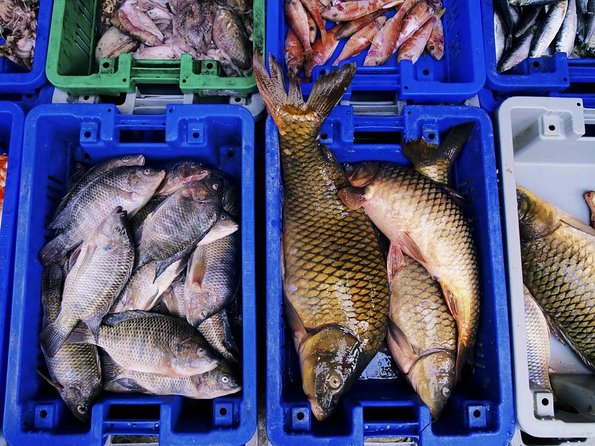
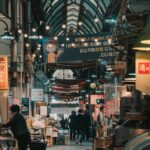
Noryangjin Fisheries Wholesale market is one of those places where “fresh” isn’t a marketing word. It’s a working wholesale-and-retail market that handles about 50% of metropolitan seafood volume and moves roughly 250 to 300 tons of products every day. That scale matters, because it explains why the seafood looks the way it does and why the guide’s choices feel practical, not random.
This tour also avoids the usual tourist pattern of “walk, stare, leave.” You choose your seafood, then you eat it prepared. That simple loop is what makes the experience click.
You can also read our reviews of more shopping tours in Seoul
Meeting at Noryangjin Station and keeping the night smooth
You start at Noryangjin Station in Seoul and the tour ends back at the meeting point. That matters more than it sounds. Seoul transit is great, but a fish market dinner works best when you’re not adding extra transfers after you’re already hungry.
The tour runs about 2 hours. It’s long enough to shop, eat, and take in Sayuksin Park, but not so long that you feel stuck in one neighborhood all evening. You also get a mobile ticket, which is convenient if you’re already juggling subway apps and other tickets.
A small group with guide Lee: the language barrier gets handled
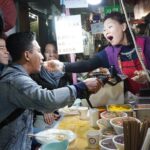
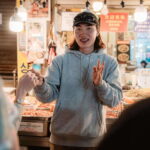
The whole experience is set up for a small group of up to seven people. With that size, you’re not just a body moving through aisles. You can actually talk. You can ask what things are. You can point. You can slow down without holding everyone up.
Guide Lee is the key. In real situations like this, the difference between ordering and understanding is huge. Lee helps you navigate the stalls and communicate smoothly, so you’re not stuck relying on guessing games, hand gestures, and hope.
And yes, Lee is also the kind of guide who keeps things light. You’ll likely find yourself chatting during the process, not just following directions. In places like Noryangjin, that makes the night feel personal instead of staged.
Choosing your seafood at the market: what the guide helps with
The market portion is where the experience turns from sightseeing into decision-making. You’ll walk through the retail side of the market and pick the seafood you want. Since it’s both wholesale and retail, you’ll see lots of options, but you’re also dealing with a daily reality: availability, freshness, and price shift depending on the market situation.
Here’s what I think is most valuable: you’re learning the logic behind Korean seafood shopping. The guide isn’t only translating words. Lee helps you understand what matters in the moment, from what’s in good shape to what makes sense for dinner preparation.
Because the seafood changes daily, the food you get can vary from one night to the next. The tour provider also notes that they will not include crab/lobster in the base selection. Those are typically available if you want to upgrade, but they cost extra.
What you might eat: the realistic range of a market dinner
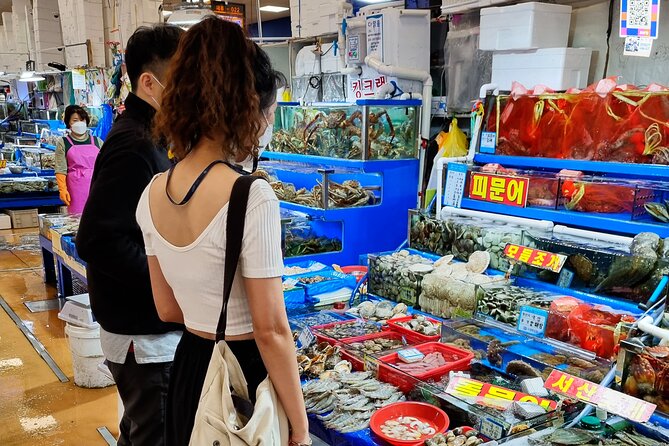
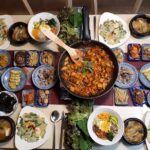
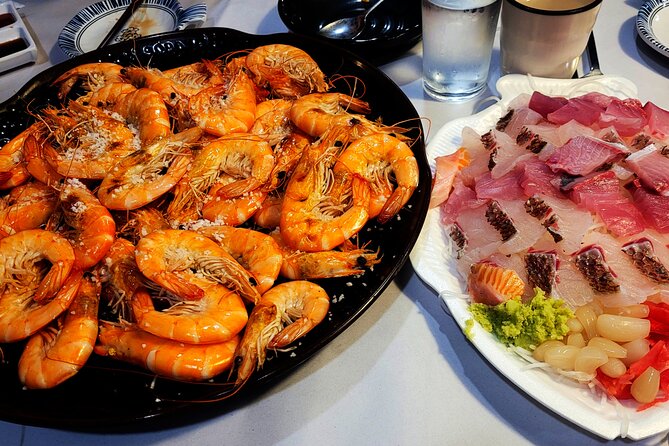
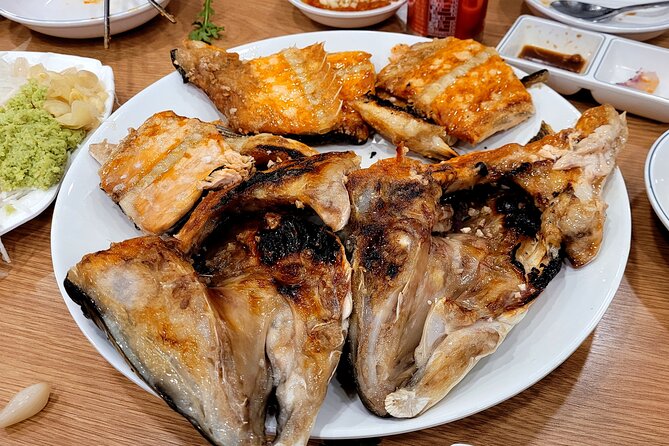
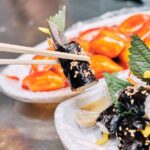
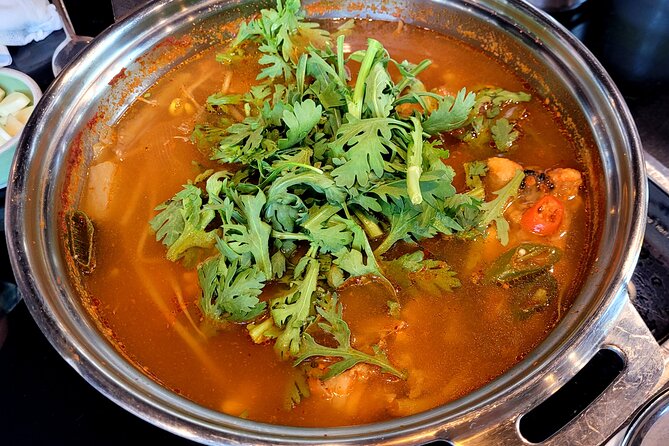
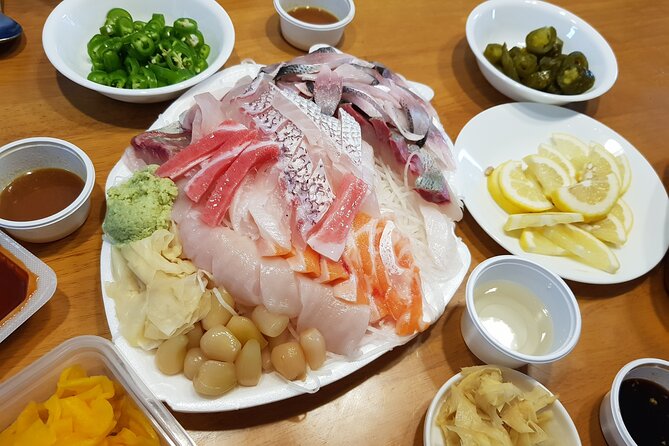
This isn’t a fixed “same menu every night” situation. The guide selects seafood based on what looks best that day, and the restaurant prepares it afterward. That means your dinner could include a mix of raw and cooked items depending on what’s available and what the restaurant can do that evening.
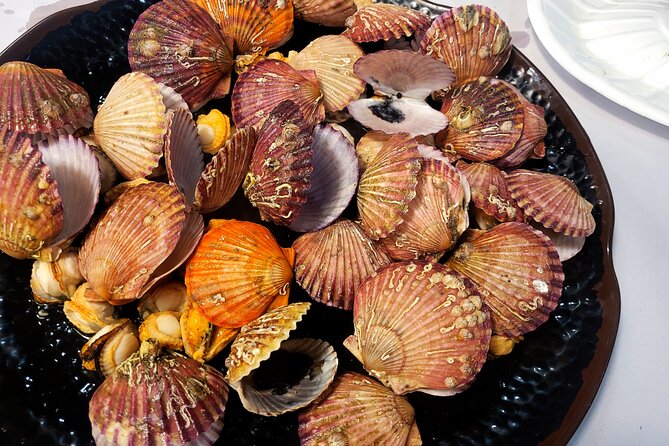
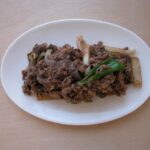
From actual dinner experiences, you might see items like sashimi, shrimp, abalone, sea pineapple, sannakji, or even spoon worms. Don’t treat that as a promise, though. It’s an example of the kind of variety that can happen when you’re eating at a working market rather than a restaurant with one standard lineup.
If you’re adventurous, this is a great way to test your comfort level. If you’re cautious, you can still enjoy the experience by asking for seafood that feels more familiar within that day’s selection. Just remember: the guide decides what’s included, and the selection can vary.
You can also read our reviews of more tours and experiences in Seoul
The restaurant dinner inside the market: simple, direct, and satisfying
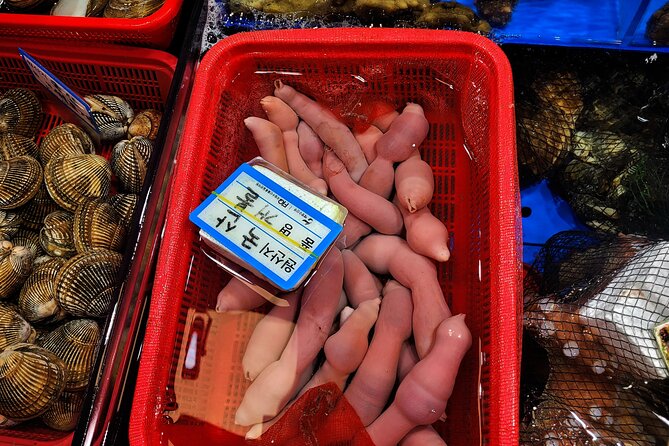
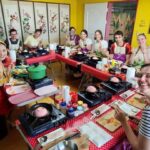
After you choose your seafood, you head to a restaurant within the market. That location detail is a big deal. It reduces the time between shopping and eating, and it keeps the whole flow tightly connected to the market experience.
Dinner is included in the price, but drinks are not. That’s common for Seoul food experiences, but it’s worth budgeting for. If you like pairing beer or soju with seafood, plan for that extra cost.
Also, the tour notes that crab/lobster are not included in the base dinner. If you’re thinking about ordering them, the best move is to treat it as an optional upgrade rather than part of the default feast.
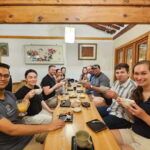
Many market dinners also include conversation during the meal. With a small group, you’re more likely to share opinions on flavors and textures while the guide answers questions. The result is that you’re learning why certain seafood is eaten in certain ways in Korea, not just eating without context.
Sayuksin Park after dinner: tombs, views, and a calmer beat
Once you finish eating, you’ll stroll to Sayuksin Park. This spot is known for the tombs of King Danjong’s seven loyalists, and you get nice views of the Han River.
This is the perfect timing. If you did only market shopping and dinner, the evening could end with you feeling stuffed and slightly chaotic. The park walk gives you a breather and a different kind of Seoul scene—less about food, more about place.
It also works well as a “last chapter” for the night. You’re moving from sensory intensity to open views, which helps the whole experience feel complete instead of rushed.
Price and value: what $112.55 really buys
At $112.55 per person for about 2 hours, you’re paying for four things working together:
- Access to the market with a guide who can communicate with vendors.
- A small-group format (maximum of seven) that keeps things practical.
- Dinner included, using the seafood selected for you that day.
- A structured flow: pick → eat → park walk, all starting and ending near Noryangjin Station.
The value part depends on your style. If you love food and want one organized way to handle the language gap, this price starts to make sense quickly. If you just want a casual market wander, you might do something cheaper on your own—but you’ll lose the selection help and the clear plan for turning purchases into dinner.
Also, remember what’s not included: drinks and crab/lobster. If you’re the kind of eater who plans upgrades, your total will rise. But that’s also true of most market-style experiences. The difference here is that the upgrade path is clear: the guide can help you try what you want.
Logistics that matter: when it runs and how to plan
This experience only operates when at least two participants are signed up, because the restaurant needs a booking. If there aren’t enough people, you’ll get a full refund. That’s a good safety net, and it also means you should book with some flexibility if your Seoul days are tightly scheduled.
Most travelers can participate, and it’s near public transportation. Since it’s a market-based dinner, wear comfortable shoes. You’ll be walking around and switching between the market and restaurant areas.
The tour length is short, so it’s easier to plan around it than a half-day excursion. If you’re trying to fit seafood into a packed itinerary, this one is sized right.
Who should book this Seoul fish market dinner
This tour is a strong match if you want:
- Hands-on seafood (you choose what you’ll eat)
- A guide to handle Korean language and vendor communication
- A dinner that’s tied to a real working market, not a staged show
- A small-group pace with time to talk and ask questions
It may not be the best fit if:
- You want a guaranteed, fixed menu every time
- You only eat familiar foods and don’t want your dinner to depend on what’s available that day
- You strongly dislike seafood exploration, since market dinners often include things with bold textures and flavors
If you’re somewhere in the middle—curious but not fearless—you can still enjoy it by leaning toward seafood that feels approachable within that day’s options.
Tips to make the night go smoothly
A few practical moves help you get the best dinner out of a market experience.
First, come hungry. Fish markets are busy and decision-making takes a little time, so you’ll want your appetite ready for the restaurant portion.
Second, be open about the included seafood. Since the guide chooses based on daily market conditions, your “dream menu” might not match the day’s supply. If you’re craving crab or lobster, treat it as an add-on and ask what’s available.
Third, if you have allergies or strong dietary limits, ask clearly through the guide before the seafood is selected. The seafood is seasonal and varies, so it’s better to communicate early than hope for changes later.
Finally, wear comfortable shoes for the market walk and the short stroll afterward. This is not a sit-everywhere evening.
Should you book Noryangjin Fish Market Dinner with Honey Trail?
If you want a seafood dinner that feels connected to how Koreans actually shop and eat, this is a smart booking. The combination of market selection, a Korean-speaking guide (Lee), and dinner included creates real value for the money, especially in a short 2-hour window.
I’d book it if you’re excited about learning what you’re eating and you like the idea of a day-of-the-market dinner rather than a fixed menu. I’d hesitate only if you need crab or lobster included automatically, or if you’re not comfortable with the idea that your seafood will change with the season.
FAQ
Where does the tour start and end?
The tour starts at Noryangjin Station in Seoul and ends back at the meeting point.
How long is the Noryangjin Fish Market dinner experience?
It runs for about 2 hours.
What’s the group size?
The experience has a maximum of 7 travelers.
Is a guide provided, and what language do they speak?
Yes. The tour includes a Korean-speaking guide to help you avoid the language barrier.
What is included in the price?
Dinner is included.
Are drinks included?
No. Drinks are not inclusive.
Does the tour include crab or lobster?
No. The guide selects the seafood, but crab/lobster are not included and may cost extra.
What if there aren’t enough participants?
The experience is only operated when at least 2 participants are signed up because a restaurant needs to be booked. If not enough people sign up, you’ll receive a full refund.