REVIEW · SEOUL
Korean Kimchi Making Day Experience with a Local Market Tour
Book on Viator →Operated by cookorean · Bookable on Viator
Four kinds of kimchi start with a market walk. This Seoul experience mixes a stroll through Mangwon Market with hands-on coaching from Korean chef Jomin, then you eat what you make and take it home. I like the small cooking group setup because you get actual help, not a spectator seat.
Two more things I really liked: Jomin walks you through how to choose ingredients in the market, and then guides you step-by-step through making four different kimchi styles with fresh produce like Korean cabbage, radish, and cucumber. The one drawback to plan for is practical: you’ll leave with a lot of kimchi, so bring luggage space and be ready for fridge life.
In This Review
- Key Highlights Worth Your Time
- Mangwon Market Meet-Up: learning kimchi ingredients before you cook
- Jomin’s Cooking Studio: a small-group kimchi class that teaches technique
- Four Kimchi Styles: how cabbage, radish, and cucumber change the flavor
- Market snacks and a real meal: eating kimchi the Korean home way
- Take-Home Kimchi: how much you bring back and how to pack smart
- Price and value in Seoul: what $89 really buys you
- Who should book this kimchi making day in Mangwon?
- Should you book? My practical take
- FAQ
- Where do I meet for the kimchi making class?
- How long is the experience?
- How many people are in the group?
- What will I learn to make?
- Is the class vegetarian or vegan friendly?
- Do I get to take kimchi home?
- What do we eat after cooking?
- What happens if it gets canceled or I need to cancel?
Key Highlights Worth Your Time
- Mangwon Market ingredient scouting: You learn what to look for before you touch the recipe
- Up to four people in the cooking class: More hands-on time, less waiting around
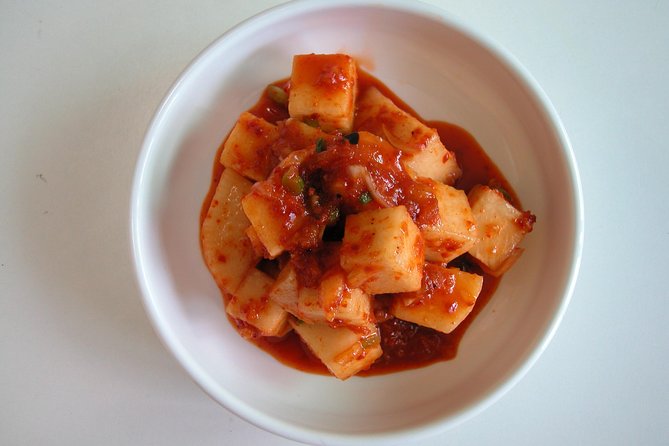
- Four types of kimchi, not just one: You practice different flavor approaches using fresh vegetables
- Eat the results right away: Your meal includes kimchi with boiled pork and fried tofu
- Take-home container for leftovers: You’re not stuck with only photos
- Vegetarian and vegan options: The class can adapt to plant-based diets
Mangwon Market Meet-Up: learning kimchi ingredients before you cook
You start at Mangwon Station (Line 6), entrance 2. That’s a good sign for two reasons: you’re using real public transit, and the meeting point is clear enough that you won’t spend your morning hunting for your group.
Before you ever get into a kitchen, you walk through Mangwon Market with Jomin. This is where the experience earns its value. Instead of treating kimchi like a single recipe, Jomin connects it to the ingredients you can actually buy. Expect to see staples like Korean cabbage and other vegetables that show up in different kimchi styles, plus lots of Korean pantry items you might not recognize on your own.
There’s also time for small tastings and quick bites during the market walk. This matters because kimchi flavor is built from layers: salt, spice, aromatics, and the vegetable itself. When you taste street snacks in the market context, you start to understand how Korean flavor works in real life, not just on paper.
One practical note: you’ll be walking from the station to the cooking studio. The class is only about 3 hours 30 minutes, so comfortable shoes help.
You can also read our reviews of more shopping tours in Seoul


Jomin’s Cooking Studio: a small-group kimchi class that teaches technique
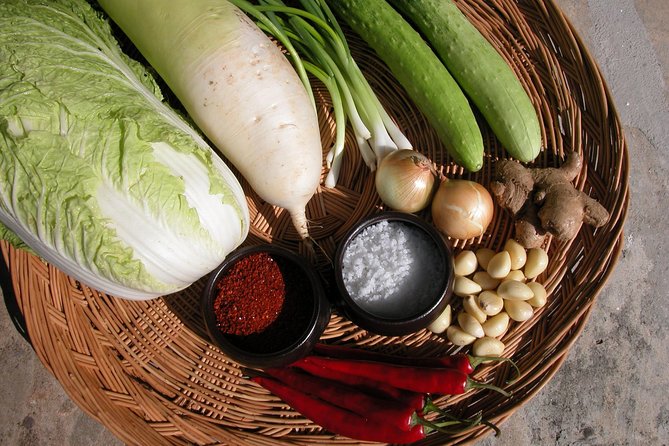
Once you reach the cooking studio, the tone shifts from street browsing to full hands-on work. The class is set up so you’re cooking with guidance, not watching a demo. Jomin teaches you how to prepare four types of kimchi using fresh ingredients (including Korean cabbage, radish, and cucumber), and you follow along step-by-step.
A standout feature is the small size. The cooking portion is capped at a maximum of four people, which changes everything. In a bigger group class, one slow step can leave you behind. Here, you get coaching when you need it, and you can ask questions without feeling like you’re stealing time.
You also get a built-in foundation for making kimchi later at home. The class isn’t just about producing tasty jars for the trip. It’s designed to give you the method: how vegetables are handled, how seasonings are combined, and how the end texture should feel.
And yes, you’ll work up a smell. That’s part of the deal. Kimchi isn’t a “watch from the distance” food. It’s hands-on, spicy, and slightly messy in the best way.
Four Kimchi Styles: how cabbage, radish, and cucumber change the flavor
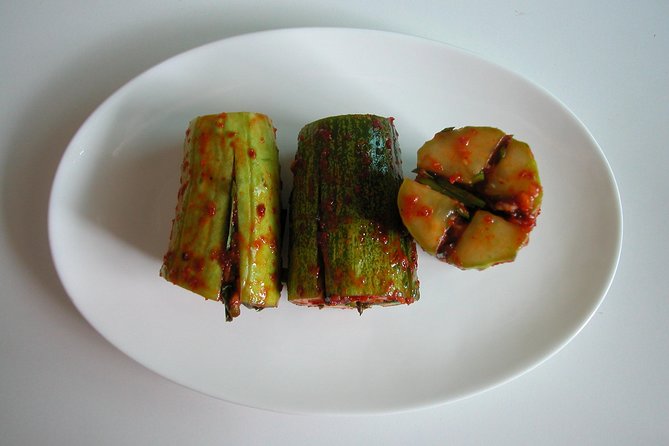
The headline is four types of kimchi. What makes that useful is that it broadens your understanding beyond the most common cabbage-only version people often know.
Even if you’re new, you can learn patterns fast. Each kimchi style has a different base vegetable, and that vegetable drives most of the outcome:
- Cabbage tends to bring a different crunch and salt absorption than softer vegetables.
- Radish often changes the bite and can add a different kind of sweetness after seasoning.
- Cucumber can shift the texture and how the mixture clings.
In class, Jomin guides you through the prep and combination process for each style. You’re learning the “why” behind the steps, not just copying motions. That’s what lets you keep making kimchi after the jar you bring home is gone.
You’ll also taste what you’re making. That’s a big deal for beginners. Kimchi is forgiving, but it’s not magic. Flavor balance comes from practice, and tasting in the moment helps you calibrate spice and salt in your head.
If you love food science and if you just want to get it right, this structure works. You leave with more than one jar. You leave with multiple approaches.
Market snacks and a real meal: eating kimchi the Korean home way
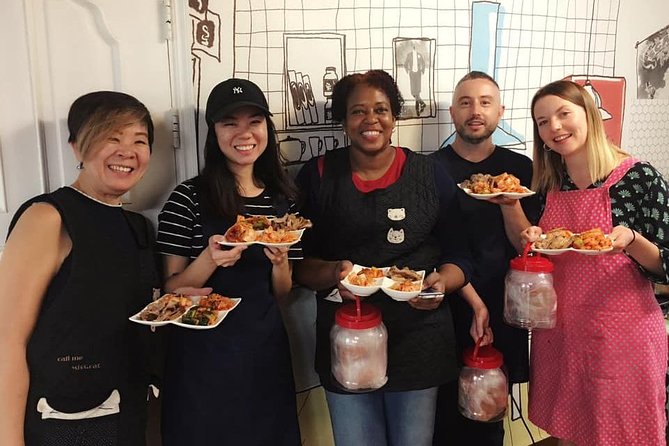
After the cooking, you sit down to eat. Your meal pairs the kimchi you made with boiled pork and fried tofu, described as the kind of comfort pairing many families enjoy.
This part is more useful than it sounds. You’re not eating a random side dish after class. You’re tasting kimchi in a meal context, which helps you decide how you actually want to serve it later. Kimchi can be bright and punchy on its own, but it changes character when it’s next to savory pork and chewy tofu.
In addition, the market portion includes Korean snacks along the way. That means you’re not just learning in a vacuum. You get a slice of Seoul food culture at normal street-food speed, then you get a classroom meal that turns the learning into something satisfying.
If you’re worried the class will feel too light, don’t. You end up fed, and you leave with take-home kimchi too.
Take-Home Kimchi: how much you bring back and how to pack smart
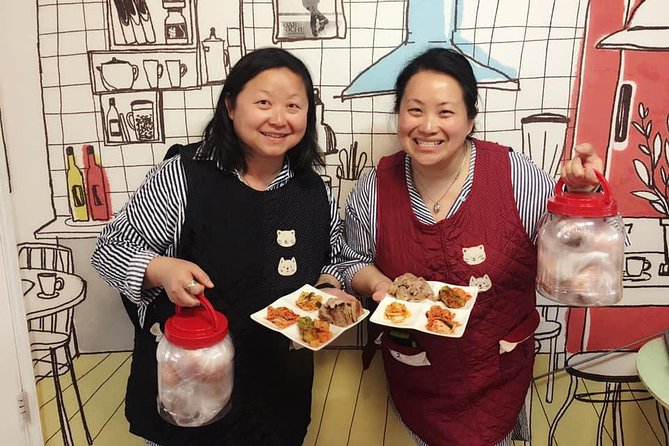
You take home the kimchi you made, including leftovers in a container provided for storage. Expect a lot. This is repeated in the experience accounts for a reason: the class is designed for real results, not tiny bites meant only for the day.
So plan your trip like a realistic fridge courier:
- Bring room for a container and some extra weight in your luggage.
- If you’re carrying bags on planes, make sure you can keep things sealed and avoid leaks.
- Expect you’ll eat it a few times after the class, because you’re going home with more than a souvenir.
Also, if you’re doing other Seoul activities immediately after, give yourself time. Your next plans might involve food stops. But you’ll likely want at least one meal where you use what you made.
This is one reason this class feels like value. You’re paying for education and ingredients, but you’re also buying a ready supply of food for your first days back home.
You can also read our reviews of more tours and experiences in Seoul


Price and value in Seoul: what $89 really buys you
At $89 per person, this is priced like a hands-on food experience, and that’s fair. Where the value comes from is the combination:
- Market time with Jomin, so you learn how to shop for ingredients, not just cook them
- Small-group coaching for making four kimchi styles
- A meal where your kimchi is served with pork and fried tofu
- Take-home leftovers that extend the experience beyond a single night out
Also, it’s booked in advance fairly often (on average about 30 days), which usually signals the dates are popular. If you want a specific time window, don’t wait too long.
Could you do kimchi cheaper with ingredients from a store? Sure. But that misses the point. The class gives you technique, tasting feedback, and a realistic “how do I choose ingredients” skill. That’s hard to replicate with a random recipe video, especially when you’re trying to match the flavor at home.
Who should book this kimchi making day in Mangwon?
You should strongly consider booking if you want more than a cooking demo. This is for people who like to learn by doing, and who enjoy food markets as much as they enjoy eating.
It’s also a good fit if you’re traveling with one other person and you want a shared activity. The cooking setup is small, so your experience won’t feel diluted.
Diet-wise, there are vegetarian and vegan options available. If plant-based eating is your priority, this matters. You can still do the class with appropriate adjustments, rather than skipping it entirely.
If you’re very short on time in Seoul, think carefully. Three hours 30 minutes is not huge, but it’s also not a quick one-hour workshop. The market walk takes time for a reason: it builds the lesson.
And if you hate transporting food, this might annoy you. Take-home kimchi is a highlight, but it’s still a logistical reality. Plan your bags.
Should you book? My practical take
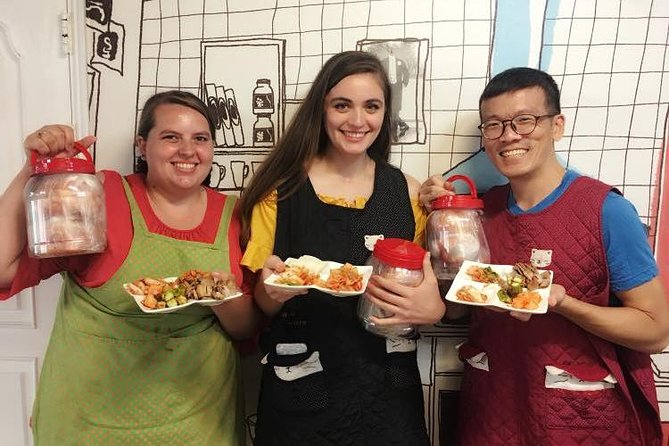
Book this kimchi making day if you want a serious, small-group introduction to Korean fermentation culture with real instruction, not just a fun activity. The market piece is genuinely useful because it teaches you what fresh ingredients look like and how they connect to the final flavor.
Skip it only if you can’t handle the amount of take-home food or you prefer a purely sightseeing-focused day. Otherwise, this is one of those Seoul experiences that gives you knowledge you can use again, plus jars you can actually eat.
FAQ
Where do I meet for the kimchi making class?
You meet at Mangwon Station (Line 6) at entrance 2.
How long is the experience?
It lasts about 3 hours 30 minutes.
How many people are in the group?
The class is maximum four people, and the overall tour has a maximum of 11 travelers.
What will I learn to make?
You’ll learn to make four types of kimchi using fresh ingredients like Korean cabbage, radish, and cucumber.
Is the class vegetarian or vegan friendly?
Yes. Vegetarian and vegan options are available.
Do I get to take kimchi home?
Yes. You can take home any leftovers after the class, and you’ll receive a container.
What do we eat after cooking?
You’ll eat the kimchi you made paired with boiled pork and fried tofu.
What happens if it gets canceled or I need to cancel?
You can cancel up to 24 hours in advance for a full refund. The experience may also be rescheduled or canceled if it does not meet a minimum number of guests (minimum is 4), in which case you’re offered a different date/experience or a full refund.