REVIEW · SEOUL
Seoul: Gwangjang Market Netflix Food Tour
Book on GetYourGuide →Operated by S.A. Seoul · Bookable on GetYourGuide
Food tours are better when they teach you street logic.
This one strings together Insa-dong, Ikseon-dong, and then Gwangjang Market for a guided walk where the history isn’t academic fluff. I like that you’re not just eating on the go—you also get the meaning behind the places, from traditional art and antiques in Insa-dong to the preserved hanok lanes in Ikseon-dong. I also like that the food is built into the route as street-food tastings (usually 3–5 kinds), so it stays fun instead of turning into a long restaurant sit-down.
One consideration: it does not function as a full meal. The tastings are spread out, and the biggest portions tend to come later, so you’ll want to plan your hunger around that instead of showing up too snack-saturated. Guides such as Sam, Charlie, Peter Park, Sally, and Alan come up in the best experiences people describe, often for history context plus smart food choices.
In This Review
- Key highlights before you go
- First stop: Anguk Station to Insa-dong’s art-and-antiques lanes
- Insa-dong Culture Avenue: where street-level culture meets your snack route
- Ikseon-dong’s hanok alleys: old Seoul at walking depth
- Gwangjang Market: how to eat like a local (and not guess wrong)
- How the food tastings are paced (and what to eat before)
- Price and value for a 3-hour guided Seoul walk
- Practical tips: shoes, weather, and how to enjoy the walking pace
- Who this tour is best for
- Should you book the Gwangjang Market Netflix Food Tour?
- FAQ
- How long is the Seoul Gwangjang Market Netflix Food Tour?
- Where is the meeting point?
- Where does the tour finish?
- What languages are the guides available in?
- How much street food is included?
- Does the tour include a full meal?
- Is the tour private or in a group?
- What if the minimum traveler number isn’t met?
Key highlights before you go
- Insa-dong Culture Avenue + Ikseon-dong hanok lanes in one smooth walking route
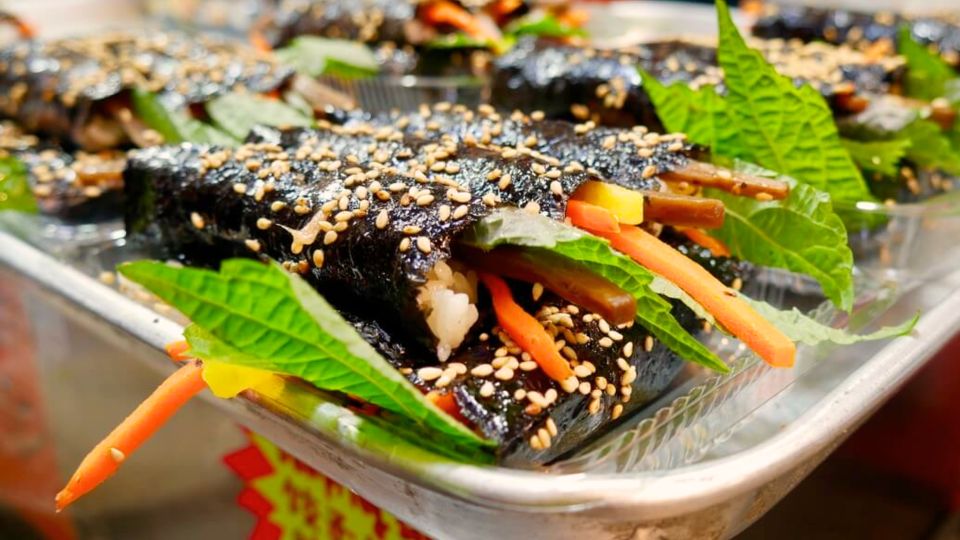
- Gwangjang Market food stops plus local market browsing like textiles and handmade goods
- 3–5 street-food tastings included, depending on the option
- A finish at Gwangjang Market where the heavier bites tend to land
- English or Korean live guide with private or small-group options
First stop: Anguk Station to Insa-dong’s art-and-antiques lanes
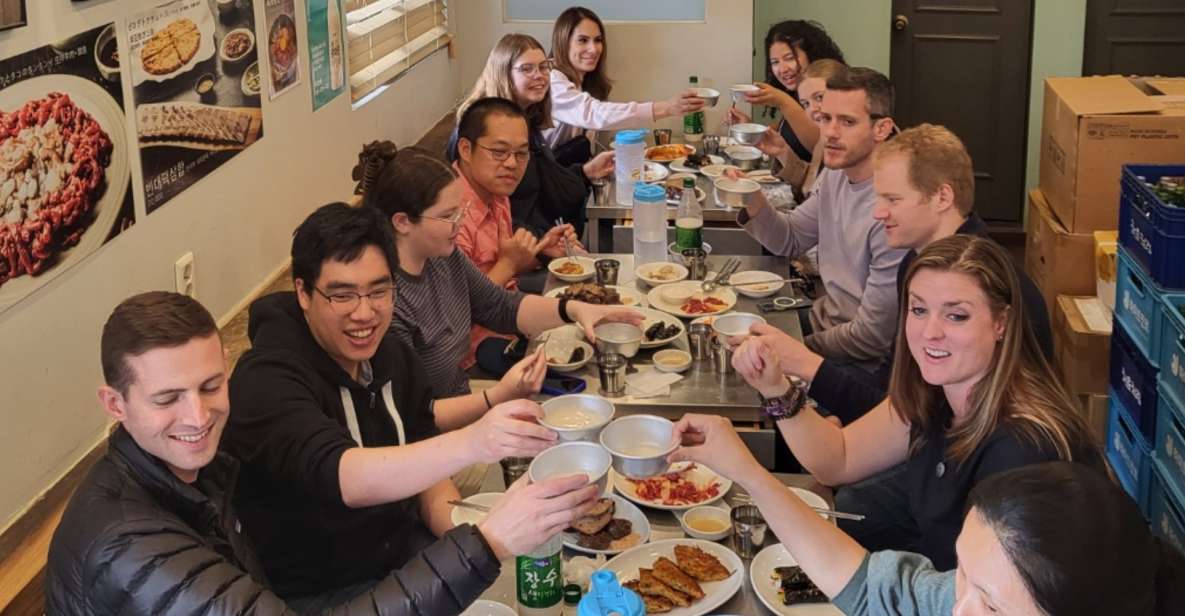
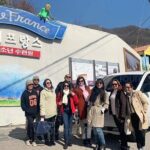
Your tour starts at Anguk Station (Subway Line 3), Exit 6, and I’d treat that like a hard appointment. Arrive 10–15 minutes early so you don’t spend the first minutes playing Seoul maze-chase with a group that already knows where it’s going.
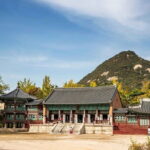
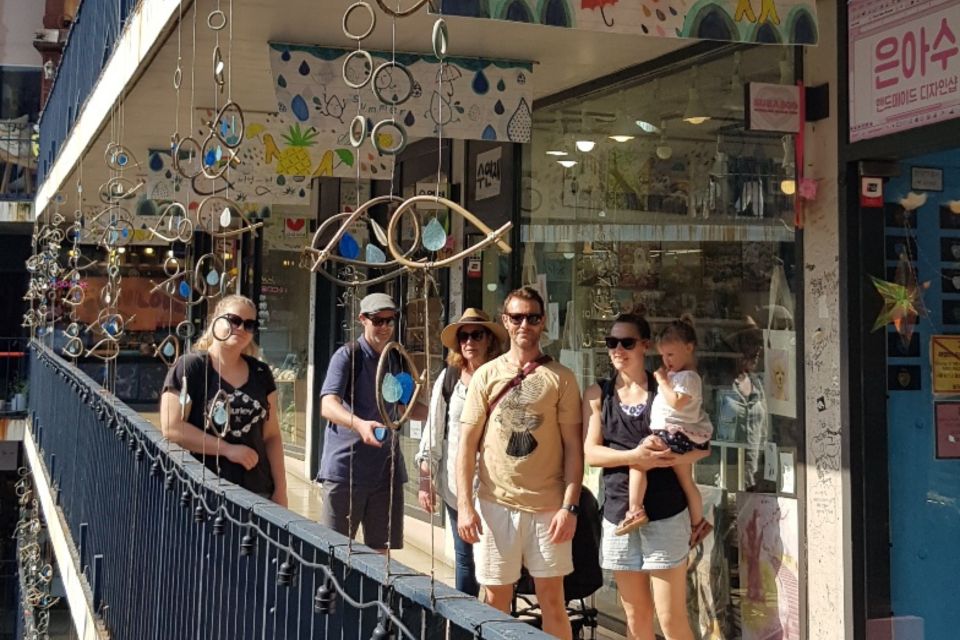
From there, you head straight into Insa-dong Culture Avenue, the kind of place where you can see why Seoul keeps remixing its own past. You’ll walk past art galleries, antique shops, and small boutiques that sell traditional-style items, which makes the whole neighborhood feel like more than just a shopping strip. A good guide helps you read the neighborhood at walking speed, pointing out what to look for and why it matters.
This is also a smart lead-in for first-timers. Insa-dong is the “context” stop: you get a feel for the cultural mood before you start hunting food. If you’re the kind of traveler who likes your photos to have a reason, you’ll enjoy this part.
You can also read our reviews of more food & drink experiences in Seoul
Insa-dong Culture Avenue: where street-level culture meets your snack route
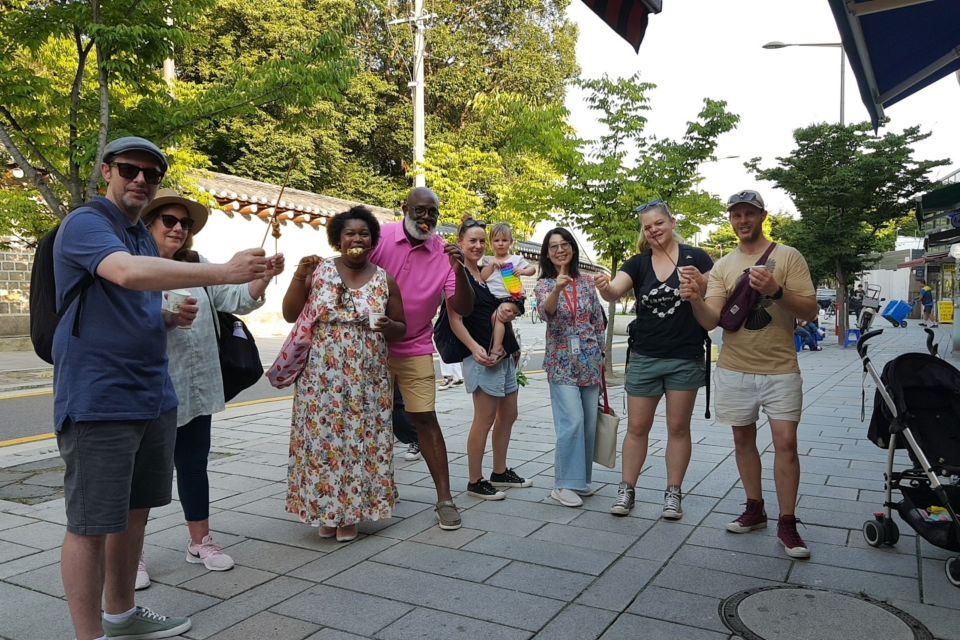
Here’s what I like about Insa-dong on this tour: it’s not just sightseeing, it’s a warm-up for how Korean street culture works. You’ll hear how Insa-dong evolved from a historical center into a neighborhood where old and new share the same sidewalks—art displays next to everyday local life, and antiques next to modern design.
Then the tour starts making sense of your future cravings. When your guide talks about local customs and the role of food in daily life, you’ll start noticing details you’d otherwise miss: which stalls people queue for, how dishes get grouped, and what “tastes” usually mean in a market setting.
And yes, you will snack here—just don’t expect a full meal at the beginning. The tour is structured so the tastings come gradually, and the big portions are generally at the end, which is great for people who like a payoff moment. Just don’t arrive starving and angry. Come hungry enough to enjoy, not so hungry that you feel cheated.
Ikseon-dong’s hanok alleys: old Seoul at walking depth
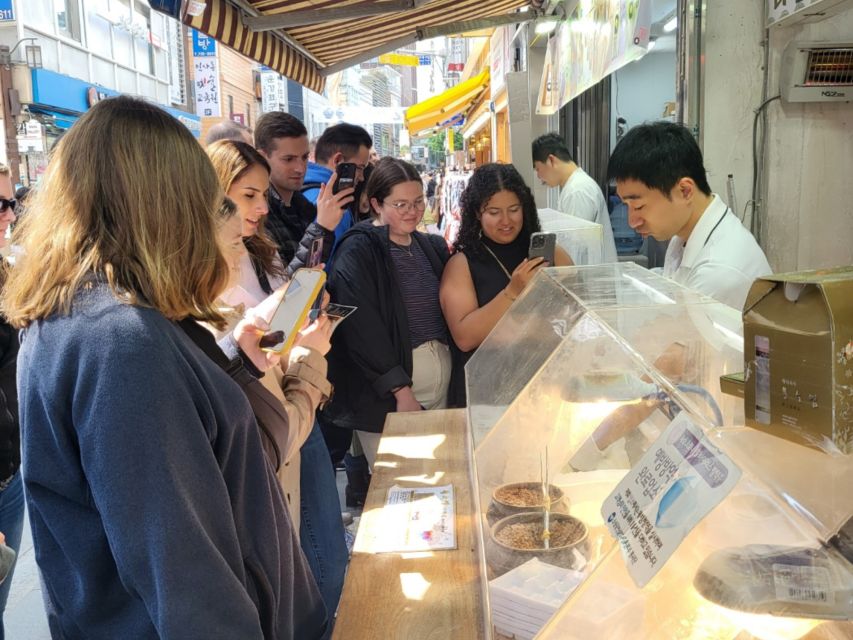
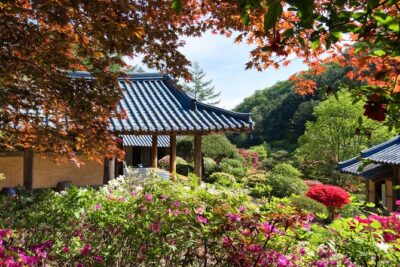
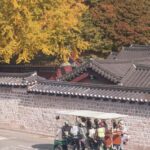
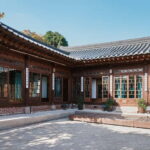
After Insa-dong, you move into Ikseon-dong, often described as the part where you can still feel older Seoul in the bones of the streets. This is where you’ll walk narrow alleys and see hanok buildings (traditional Korean houses) alongside modern cafés. The effect is practical: you get a sense of how Seoul preserves identity while still supporting current life.
This section works well even if you’re not hunting “perfect” architecture photos. The route is designed for pacing—slow enough to notice the shapes and materials, but not so slow you feel stuck watching other people eat. Your guide can point out what makes the hanok style distinctive in real-world terms, not just by name.
Also, Ikseon-dong is a useful change of scenery right before the market. Food tours go best when the walk breaks the mental pattern of “eat, repeat.” Ikseon-dong gives you a breather so the market stops feel like the actual event.
Gwangjang Market: how to eat like a local (and not guess wrong)
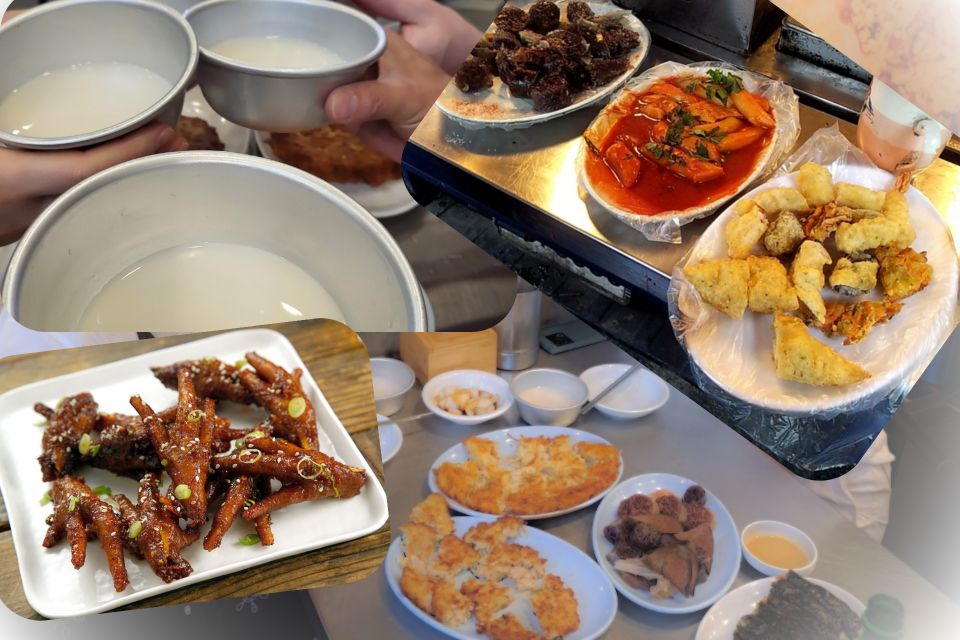
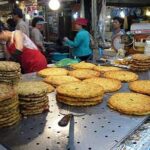
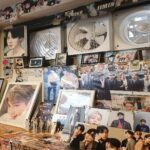
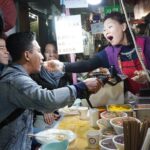
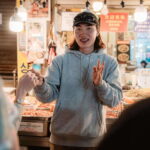
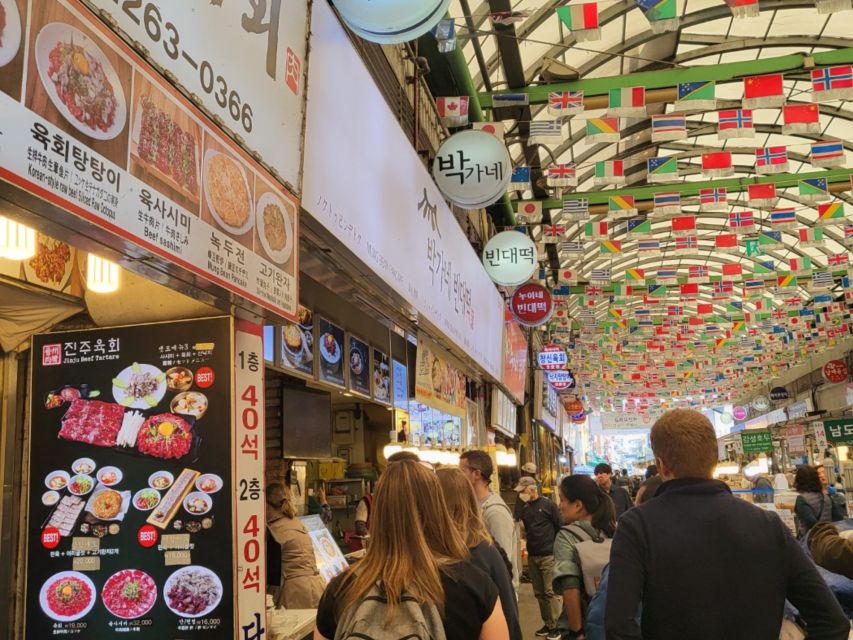
Eventually you reach Gwangjang Market, and this is where your guide earns their fee. Gwangjang isn’t only about food. It’s also textiles and handmade goods, which means you’re not stuck in one narrow aisle of fried things. You’ll get that fuller market feeling—people shopping, vendors working, and lots of small sights along the way.
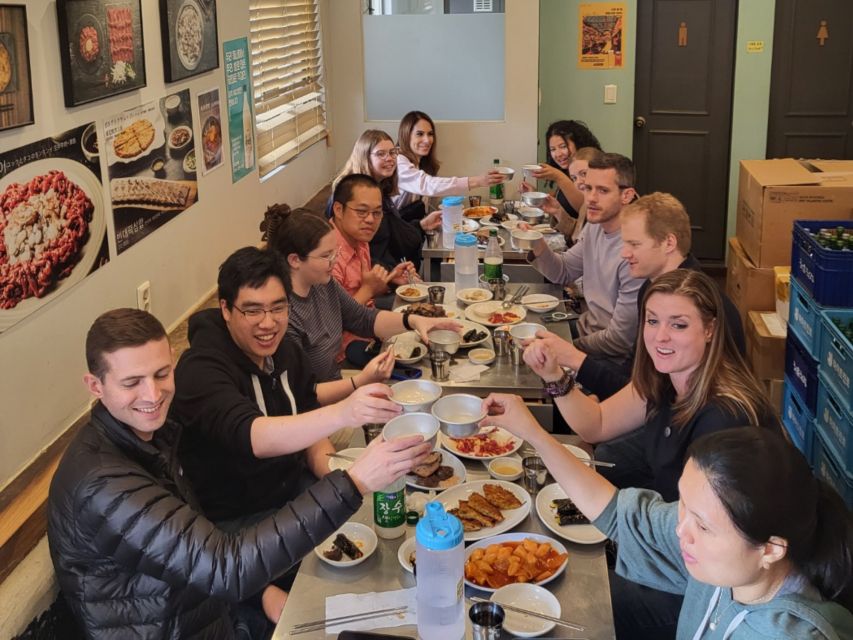
From a food-tour perspective, the key value is that you don’t have to decide everything yourself. You’ll try 3–5 kinds of street food tasting (the exact lineup depends on the option), guided in a way that avoids the common rookie mistake: ordering one dish that looks great but doesn’t translate well to variety.
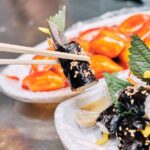
One dish that shows up as a highlight is octopus—particularly the grilled or prepared versions you can find around the market area near the tour’s later stops. Even if you’re not an octopus person, this kind of end-of-tour highlight is usually a signal that you’re approaching the “main event” portion of the route.
As you walk, watch how the tastings are paced. Market food tastes better when you’re not sprinting from one stall to another. The guide keeps you moving, but you’re not just being marched through like a checklist.
How the food tastings are paced (and what to eat before)
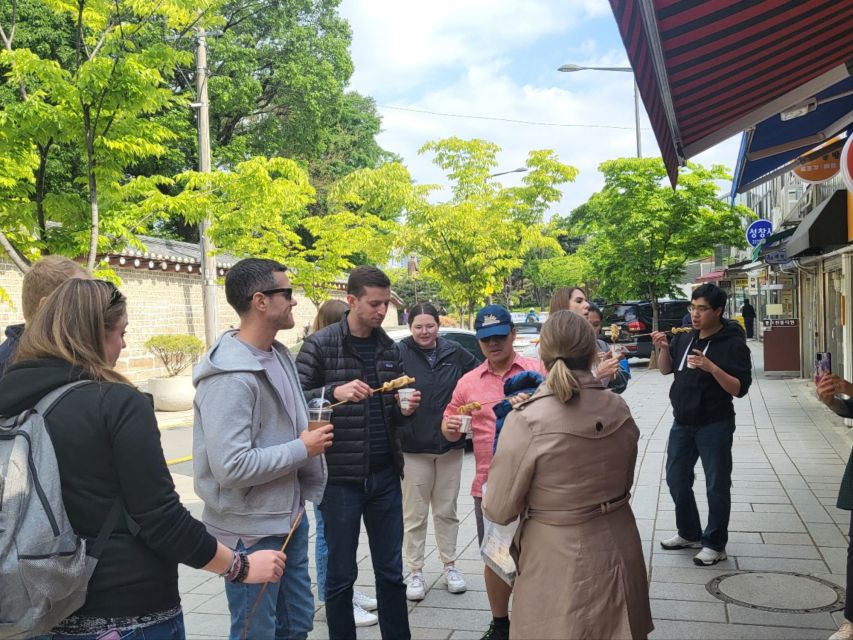
The tour includes tastings, not a full meal. That’s the big rule to remember. You’ll get multiple street-food samples, but the tour explicitly notes that it doesn’t supply a whole meal—and that the greatest portions are at the end.
So I recommend you plan like this:
- Eat a normal breakfast or lunch before you go.
- Expect to nibble early, then get the better payoff later.
- If you’re the type who hates feeling underfed, add a light snack before the tour rather than going on empty.
This approach makes the experience more satisfying. When your hunger level matches the pacing, the tastings feel fun instead of stressful. And if you’re curious about trying multiple things, the guide’s structure helps you sample widely without needing to commit to one huge order.
Also, bring a practical mindset for Korean street food: you may get small-to-medium bites meant for sampling. That’s intentional. The point is variety and learning, not just “fill up.”
You can also read our reviews of more tours and experiences in Seoul
Price and value for a 3-hour guided Seoul walk
At $64 per person for about 3 hours, you’re paying for three things: time with a live guide, the built-in food plan, and the included costs tied to the route (guide + entrance fees + 3–5 tastings).
Here’s why that can be good value. Market food can be cheap, but smart variety is harder on your own than it looks. If you try to copy the tour by yourself, you often end up with fewer tastings, more wandering, and more decisions. A guide reduces that friction, especially if your Korean reading ability is limited.
You also get a route that combines three different “modes” of Seoul: art/antiques (Insa-dong), preserved architectural streets (Ikseon-dong), and a working marketplace (Gwangjang). That mix is exactly what makes a walking food tour worth it. If your goal is just to eat, you could do that on your own. If your goal is to learn the logic of where to go and what to look for while you eat, the structure earns its cost.
If you can get a private or small-group option, it can raise the value for people who want more back-and-forth and less crowd management. The trade-off is simply that small groups can sometimes feel more “guided-to-the-point” if you prefer solo roaming.
Practical tips: shoes, weather, and how to enjoy the walking pace
This is a walking tour, and the route goes through older neighborhood streets that don’t prioritize wide, modern sidewalks. Wear shoes that handle uneven pavement and quick stops. You’ll be taking photos, but you’ll also be listening—so don’t pick a shoe that you can only tolerate for an hour.
Weather matters too. Seoul conditions can swing fast, and food markets don’t care about your comfort level. A guided route helps because you don’t have to invent a plan on the fly if it’s raining. Still, bring a small umbrella or poncho if your forecast looks questionable, and carry something simple for drying hands before tastings.
Finally, arrive on time. These tours move with the group, and being late can break your flow. The meeting point is specific—Exit 6 at Anguk Station—so give yourself buffer time.
Who this tour is best for
I’d suggest this tour if you want a first taste of Korean food culture plus quick cultural context in a compact time window. It’s especially good for:
- First-time Seoul visitors who want a clear neighborhood-to-market progression
- Food lovers who want variety without the guesswork
- Travelers who like photos with meaning—art streets and hanok alleys count
It’s less ideal if you’re already full-on from earlier meals and hate the idea of waiting for larger portions at the end. And if you want a classic, sit-down, multi-course dinner, this tour won’t feel like that. It’s a tasting walk, not a full meal experience.
Should you book the Gwangjang Market Netflix Food Tour?
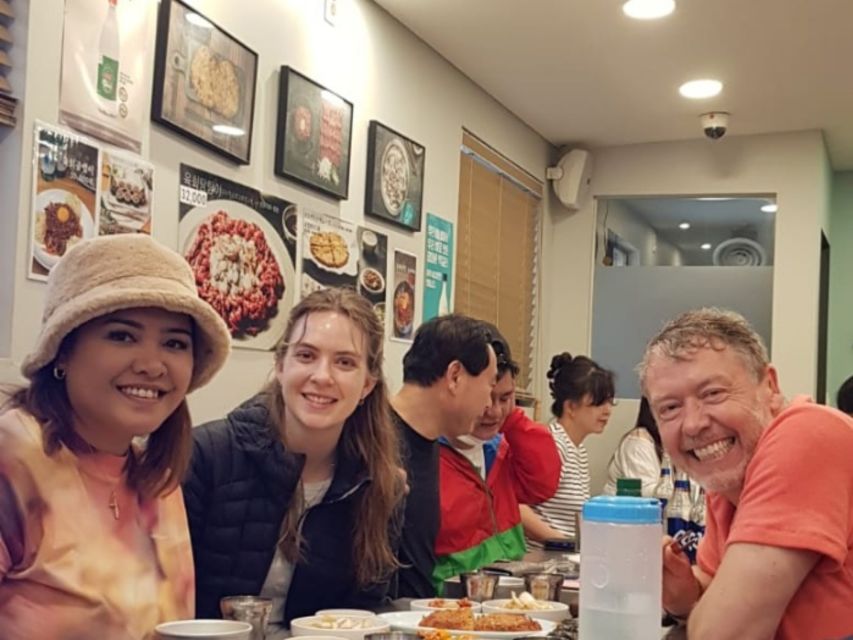
If you like guided walking routes, want to sample multiple Korean street foods without decision fatigue, and enjoy pairing food with neighborhood context, I’d book it. The biggest win is the route: Insa-dong → Ikseon-dong → Gwangjang Market with included tastings and a guide who helps you choose smarter.
If you’re planning meals tightly and hate tasting-size portions, adjust your hunger first, and you’ll be much happier. Come with normal appetite, expect the payoff later, and you’ll get a tour that feels like Seoul in motion.
FAQ
How long is the Seoul Gwangjang Market Netflix Food Tour?
It lasts about 3 hours.
Where is the meeting point?
Meet in front of Exit 6 of Anguk Station (Subway Line 3).
Where does the tour finish?
The tour ends at Gwangjang Market.
What languages are the guides available in?
The live tour guide is available in English and Korean.
How much street food is included?
You’ll get 3–5 kinds of street food tasting (the exact number depends on the option).
Does the tour include a full meal?
No. It includes tastings, not a complete meal, and the greater portions are at the end, so it’s recommended you don’t skip meals beforehand.
Is the tour private or in a group?
It can be private or small groups available.
What if the minimum traveler number isn’t met?
If it’s canceled because the minimum isn’t met, you’ll be offered a different date/experience or a full refund.