REVIEW · SEOUL
Seoul: Gyeongbok Palace, Bukchon Village, and Gwangjang Tour
Book on GetYourGuide →Operated by I LOVE SEOUL TOUR Co., Ltd. · Bookable on GetYourGuide
Seoul moves fast, so this route helps you cover the classics without guesswork. You’ll get a guided walk through Gyeongbokgung Palace with the Royal Guard Changing Ceremony, then hop into traditional Bukchon hanoks and finish with shopping and snacks at Gwangjang Market. I especially like how the guide keeps it organized, with short guided windows that help you move efficiently.
Two standout pulls for me are the unbeatable palace setting plus the quick turn up to viewpoints like Bugak Palgakjeong for skyline photos. The main drawback to consider is pacing: this is a shared, multi-stop day, so you’ll be on your feet for a while, and the tour runs rain or shine.
In This Review
- Key Highlights You Should Know Before You Go
- A Fast, Full-Value Seoul Sampler: Palaces, Hanoks, Viewpoints, Market
- Gyeongbokgung Palace and the Royal Guard Changing Ceremony
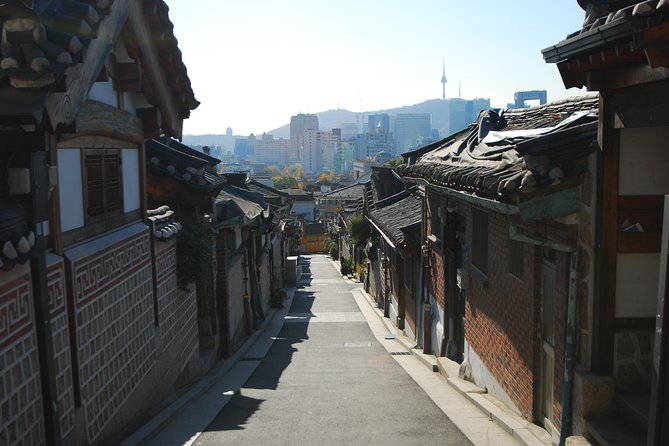
- Bukchon Hanok Village: Walking the Northern Village Lanes
- Bugak Skyway and Bugak Palgakjeong for Seoul’s Best Quick Photo Stop
- Korean Ginseng Museum Stop: Shopping With Context
- Gwangjang Market: Snack-Lunch Decisions Without Stress
- If Your Day Includes N Seoul Tower and Deoksugung
- Full-Day Add-Ons: War Memorial, Jogye Temple, and Tapgol Park
- Timing, Pace, and How to Make It Feel Effortless
- Who Should Book This Tour (and Who Should Skip It)
- Price and Value: Why This $32 Seoul Route Can Actually Be Worth It
- Should You Book This Seoul Palaces and Market Tour?
- FAQ
- How much does the Seoul Gyeongbok Palace, Bukchon Village, and Gwangjang tour cost?
- How long is the tour?
- What are the main stops on the tour?
- Is the Royal Guard Changing Ceremony included?
- Do I need to pay extra for food?
- Is hanbok rental included?
- Is the tour guide available in English?
- Is hotel pickup included?
- Does the tour run in rain?
- Is the observatory at N Seoul Tower included?
Key Highlights You Should Know Before You Go
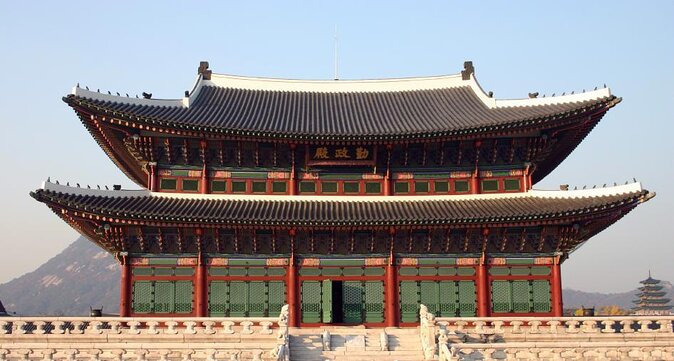
- Gyeongbokgung Palace + Royal Guard Changing Ceremony: A signature Seoul moment built into the tour, not tacked on.
- Bukchon Hanok Village photo time: Short but focused guided viewing in the north-side hanok lanes.
- Bugak Palgakjeong panoramic views: A quick escape from traffic into mountain-side Seoul overlooks.
- Ginseng Museum shopping stop: You’ll browse Korean ginseng products while hearing the story behind them.
- Gwangjang Market end point: Real food options like bindaetteok and mayak gimbap, with lunch on your own.
A Fast, Full-Value Seoul Sampler: Palaces, Hanoks, Viewpoints, Market
This tour is built for travelers who want a lot of Seoul in one day, but still want a guide to steer the story. Depending on which option you pick, you can do a shorter half-day route or a longer full day that adds major sights like the War Memorial and a few temple/park stops.
The price is low for what you get because you’re not just paying for sightseeing. You’re also paying for entrance fees, transport in an air-conditioned van or coach, and a live English guide. That matters in Seoul, where transit time and ticket lines can eat your day fast.
Also, it’s run by I LOVE SEOUL TOUR Co., Ltd., and from the guide names I’ve seen repeatedly associated with this experience, you may get someone like Grace, Sophie, Sunny, Shin, Chloe, Henry, or Winnie. The big pattern is strong energy and clear explanations, which helps if you’re trying to understand what you’re looking at without a study guide.
You can also read our reviews of more tours and experiences in Seoul.

Gyeongbokgung Palace and the Royal Guard Changing Ceremony
Your day starts at Gyeongbokgung Palace, widely considered one of the grandest royal palaces in Seoul, and the tour guide brings it to life with narration. You’ll get about an hour of guided time here, which is enough to understand the layout and focus on the spots that make the palace feel dramatic rather than just big.
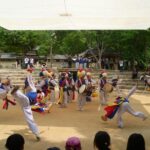
The real headline is the Royal Guard Changing Ceremony. This is one of those events where the details matter: uniforms, timing, and the choreographed feel of the guard sequence. The guide helps you know when to look, so you’re not stuck guessing while everyone else tries to film the same angle.
Practical notes: wear comfortable shoes. Palace grounds mean walking, and the tour is designed to move. Also, the tour rules are strict about timing: you can’t show up after the tour starts and join in. So be at the meeting point early and don’t rely on a last-minute subway sprint.
Bukchon Hanok Village: Walking the Northern Village Lanes
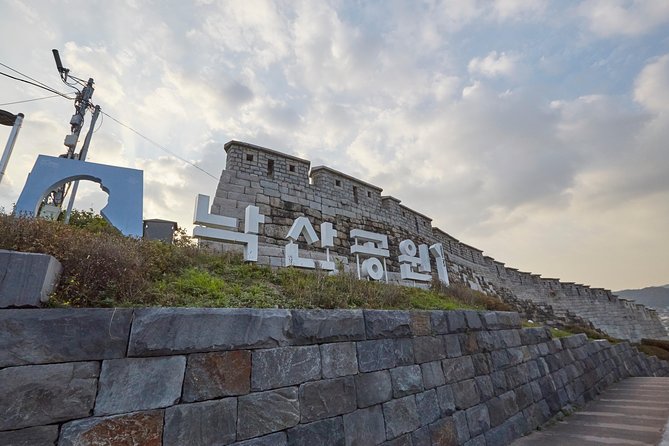
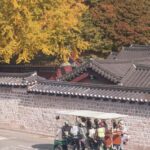
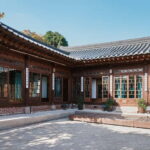
After the palace, you head to Bukchon Hanok Village—the “northern village” area where traditional hanok houses line the streets. You’ll get around 30 minutes with a guide, which is just enough time to learn what you’re looking at and snap photos without burning hours.
Bukchon isn’t only scenic. Many hanoks operate as cultural centers, guesthouses, and restaurants, so you get a sense of how traditional architecture still connects to everyday Seoul. Your guide typically points out the visual cues that make hanoks recognizable, and it’s one of the easiest places on this route to turn “pretty buildings” into “oh, I get why this matters.”
Weather and closures matter too. If Bukchon Hanok Village is closed, the tour visits Namsangol Hanok Village instead. That’s a key detail for planning your expectations: you’ll still get the hanok experience even if the original area isn’t accessible.
Bugak Skyway and Bugak Palgakjeong for Seoul’s Best Quick Photo Stop
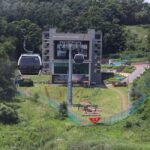
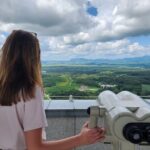
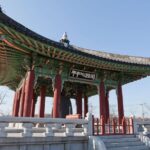
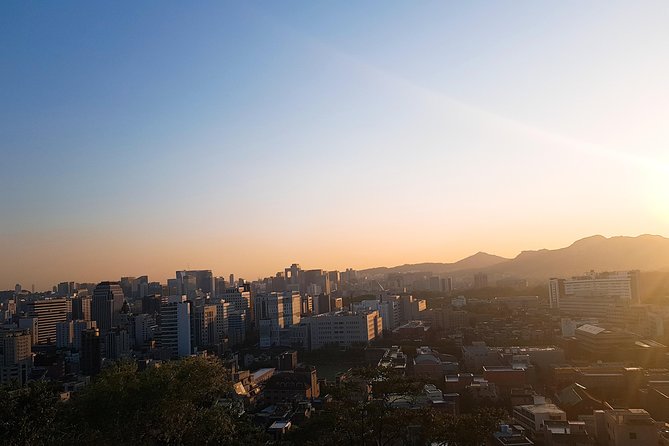
Next up: Bugak Skyway and the viewpoint area Bugak Palgakjeong. This part feels like a reset. You move away from heavy sightseeing motion and into a calmer mountain-slope setting where Seoul spreads out below.
You’ll get guided time at Bugak Skyway (around 30 minutes) and then a short focused stop at Bugak Palgakjeong (about 10 minutes). That might sound brief, but it’s usually long enough to catch photos from multiple angles and get your bearings for the view—especially since the day’s already packed.
The practical angle: bring shoes with real grip and treat this as a photo stop, not a long hike. The tour is still a shared group, so you shouldn’t count on wandering far from the route.
Korean Ginseng Museum Stop: Shopping With Context
Then you’ll visit the Korean Ginseng Museum / Cheongha Korea Ginseng area. You’ll have about 30 minutes here for shopping, but you’re not walking in totally blind. The museum explains Korean ginseng’s place in traditional medicine history, including early mentions dating back to the Han dynasty era.
One detail you’ll hear is that Korean ginseng is studied for adaptogenic properties. I take that as a “here’s what they claim and what researchers have looked into” kind of explanation, not a promise of results. If you buy anything, treat it like a specialty souvenir: compare product types, packaging size, and price per serving rather than assuming the most expensive bottle is always the best.
Good news: this stop is built into the tour flow, so you don’t have to decide on your own whether ginseng shopping is worth your time. Even if you don’t buy, it’s a cultural checkpoint that pairs well with palaces and hanoks.


Gwangjang Market: Snack-Lunch Decisions Without Stress
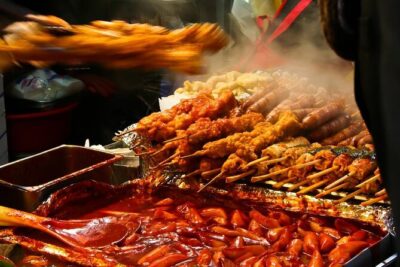
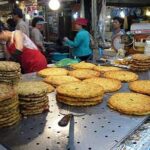
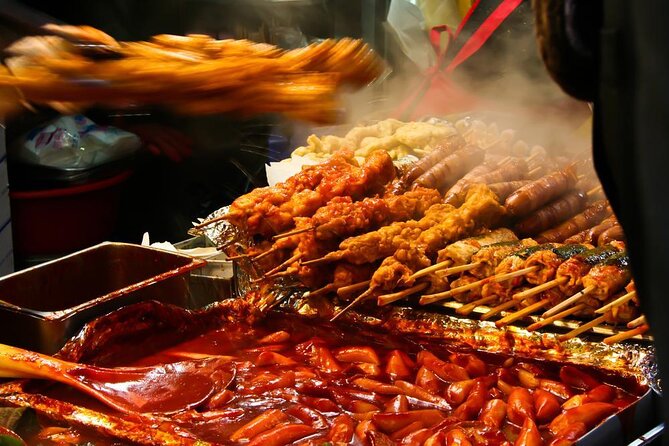
At the end of several options, you’ll drop off at Gwangjang Market, known as Korea’s first market. The vibe here is practical and food-focused. You’ll have time to look around, but the real reason you care is the menu.
This is a great place to try classic market dishes like:
- Bindaetteok (mung bean pancakes)
- Mayak gimbap (seaweed rice rolls)
Lunch is typically on your own, so you can eat what you actually feel like. If you’re traveling with picky eaters, Gwangjang’s variety can be a lifesaver because you can choose something hot, crispy, handheld, or quick.
One more thing I like: dropping you at Myeongdong Cathedral or Gwangjang Market (depending on your chosen option) makes it easier to connect your day to other Seoul plans without dead-end transit.
If Your Day Includes N Seoul Tower and Deoksugung
Some departures add a second layer to the palace theme. On the shared group route that includes Deoksugung Palace (with the Royal Guard Changing Ceremony), you get a contrast to Gyeongbokgung. It’s another chance to see how Seoul stages royal tradition in a modern city.
If your option includes N Seoul Tower, note the fine print: the observatory is not included. That means you can enjoy the setting, but you’ll likely pay separately if you want the top views. If you’re trying to keep costs tight, you can plan around that decision ahead of time.
Either way, this added-palace setup is worth it if you want more than a single “one-and-done” ceremony moment.
Full-Day Add-Ons: War Memorial, Jogye Temple, and Tapgol Park
If you choose the full-day version, you get more emotional and historical weight. After lunch time at Gwangjang Market (paid on your own), you’ll head to the War Memorial of Korea, focusing mainly on the 3rd floor United Nations Memorial Cemetery.
This isn’t just a “see it once” stop. It’s the kind of place where you learn why certain landmarks in Seoul feel so intentional and why the city’s modern identity includes memory and reflection. You’ll want a bit of patience here, because it’s not a photo-everywhere kind of exhibit.
Next comes Jogye Temple, one of Seoul’s well-known temples. It’s a calmer shift from palace ceremony energy and market noise. Then you’ll stop at Tapgol Park, which helps connect history to everyday public space.
You’ll typically finish with a drop-off at Myeongdong Cathedral, which is convenient if you’re planning an evening out in that area.
Timing, Pace, and How to Make It Feel Effortless
The tour duration can range from 4 to 9 hours, depending on which option you select. That spread is why it fits so many schedules: you can do a quick intro day or a longer loop that adds major cultural stops.
Transport helps. You ride in an air-conditioned minivan or coach, and the transport rating is extremely high (95% of reviewers gave a perfect score). That’s a big deal in Seoul, where traffic can swing your timing fast if you try to do everything solo.
Still, the tour is not a slow stroll. It’s a shared-group program, with guided segments ranging from 10 to 30 minutes plus walking time between stops. I’d plan your expectations around that: think of it as a curated path with stops that are long enough to understand, not long enough to get lost.
Rain or shine is another key detail. If you want this day to stay pleasant, bring a compact rain layer or umbrella and keep your shoes comfy and grippy.
Who Should Book This Tour (and Who Should Skip It)
This is a strong match if:
- You’re in Seoul for a short time and want a structured overview.
- You like palaces, old neighborhoods, and street-level culture like markets.
- You want an English guide to explain what you’re seeing without doing research all week.
It’s less ideal if:
- You’re wheelchair dependent. The tour is not suitable for wheelchair users.
- You hate walking or prefer super flexible pacing. This route is designed to keep moving.
If you like group energy, you’ll probably feel right at home. If you’d rather have control, a private group option is available.
Price and Value: Why This $32 Seoul Route Can Actually Be Worth It
At about $32 per person, this tour is priced like a bargain for what’s included. You’re paying for:
- Entrance fees
- A local English guide
- Transportation by air-conditioned vehicle
- (On some options) hotel pickup in central Seoul areas like Gangnam, Myeongdong, Gwanghwamun, Itaewon, and Dongdaemun
Food isn’t included, and that matters. You’ll pay for lunch or snacks at Gwangjang Market, and personal spending can add up anywhere. But the tour itself avoids many hidden costs: you’re not scrambling to buy tickets while your day evaporates.
I also like the “done for you” aspect. Seoul can feel complex when you’re juggling palaces, hanoks, viewpoints, and markets. This route puts it in one timeline.
Should You Book This Seoul Palaces and Market Tour?
I’d book it if you want a smart first-or-second day in Seoul that hits the essentials: Gyeongbokgung Palace, Royal Guard Changing Ceremony, Bukchon hanoks, a viewpoint at Bugak Palgakjeong, a guided ginseng stop, and a practical finish at Gwangjang Market.
Pick the option that fits your time and mood. If you want maximum variety in one day, go for the longer version with the War Memorial and Jogye Temple. If you’re short on hours, choose the half-day schedule that still delivers palaces plus hanoks and ends near food.
Just do two things for the smoothest day: wear comfortable shoes, and be at the meeting point on time so you don’t miss the start.
FAQ
How much does the Seoul Gyeongbok Palace, Bukchon Village, and Gwangjang tour cost?
The price is $32 per person.
How long is the tour?
It runs between 4 and 9 hours, depending on the option you book.
What are the main stops on the tour?
You’ll visit Gyeongbokgung Palace, Bukchon Hanok Village, Bugak Skyway/Bugak Palgakjeong for views, the Korean Ginseng Museum, and then you’ll be dropped off at Gwangjang Market or another nearby location depending on your option.
Is the Royal Guard Changing Ceremony included?
Yes. It is included with the palace visit.
Do I need to pay extra for food?
Yes. Food and drinks are not included. Lunch or snacks are typically on your own at the market or during lunch time on full-day options.
Is hanbok rental included?
No. Hanbok rental is not offered as part of this tour.
Is the tour guide available in English?
Yes. The tour has a live English guide.
Is hotel pickup included?
Hotel pickup is available if you choose the pickup option (for central Seoul locations). If you do not select pickup, meeting points may vary by option.
Does the tour run in rain?
Yes. The tour takes place rain or shine.
Is the observatory at N Seoul Tower included?
No. On the option that includes N Seoul Tower, the observatory is not included.