A fish market tour can sound noisy. This one adds local guidance and real decision-making, with you choosing seafood up close at Noryangjin. I like the hands-on way you get to select fish and seafood from the live tanks, and I like the bonus lesson you get on Korean prep styles like hwe (sashimi) and grilling. One thing to watch: meeting-point mix-ups can happen, so plan to communicate clearly and arrive on time.
This is a private, tailored experience built around Seoul’s best-known seafood wholesale hub. You’ll walk stalls with an expert guide, watch workers prepare items in front of you, then finish with a freshly prepared grilled meal nearby. The price isn’t cheap, but you’re paying for one-to-one attention and a guided seafood run that’s hard to recreate on your own without local context.
In This Review
- Key highlights at a glance
- Why Noryangjin Fish Market is a Seoul seafood must
- How the 3-hour private format helps your choices
- Stop 1: Noryangjin Fisheries Wholesale Market (live tanks, filleting, and hwe)
- From your seafood pick to a grilled meal nearby
- What your guide should be explaining (and what to ask)
- Price and value: what $223.25 per person is buying
- Meeting point and timing: the part that can make or break it
- What to expect in the market (so you’re not guessing)
- Is this tour good for you? Best-fit types of food travelers
- Who runs it and how the booking timeline works
- Quick FAQ
- FAQ
- What is the price per person for the Seoul Noryangjin fish market experience?
- How long does the tour last?
- Is this a private tour?
- What happens at Noryangjin Fisheries Wholesale Market?
- Is there an admission ticket fee for the market stop?
- Do you eat a meal during the tour?
- Where is the meeting point?
- Do you get a mobile ticket?
- When will I receive confirmation after booking?
- Can I cancel for a full refund?
- Should you book this Noryangjin private seafood tour?
Key highlights at a glance
- Live-tank seafood selection: handpick from options like tuna, octopus, and sea urchins
- Korean seafood prep in action: see filleting and hwe preparation right on-site
- Freshly prepared grilled meal included: your seafood selection becomes part of your meal
- Private, just your group: easier pace for questions and clear food choices
- Mobile ticket and admission handled for stop 1: market entry at the first stop is marked free
- Compact 3-hour run: structured enough for value, short enough to fit a busy Seoul day
Why Noryangjin Fish Market is a Seoul seafood must
If Seoul has a seafood front door, Noryangjin is it. This wholesale market is known for live fish and shellfish, plus the street-level reality of how seafood moves from tanks to plates.
What I find especially useful about this tour format is that it turns the market from “just interesting to look at” into something you can use. You’re not only watching people buy. You’re learning how Korean vendors and cooks think about seafood—texture, freshness, and how the same ingredient can be treated differently depending on the dish.
You’ll also get the chance to see the practical side of the business. From tuna to octopus and sea urchins, your guide can point out what you’re looking at and how it’s typically prepared. That matters because walking a market solo is fun, but it’s also easy to miss what’s actually relevant for choosing seafood you’ll eat later.
You can also read our reviews of more private tours in Seoul
How the 3-hour private format helps your choices
This isn’t a long, all-day tour. It’s about 3 hours total, with the market time taking about 2 hours. That makes it a smart fit for people who want a standout food experience without turning the day into a marathon.
Because it’s private, you control the pace. You’re not trying to keep up with a pack while a guide points to things and you guess what they mean. Instead, you can ask about seafood types, preparation styles, and what the vendors are doing while things are happening.
The “tailored” part is where value usually lives in food tours. In a market like this, the choices you make—what you pick and how you want it prepared—shape the whole experience. With a private guide, you’re more likely to get a match between what you like and what the market has that day.
Stop 1: Noryangjin Fisheries Wholesale Market (live tanks, filleting, and hwe)
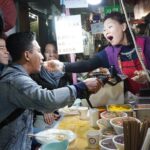
Your main stop is Noryangjin Fisheries Wholesale Market, and it’s structured around the core experience: browsing stalls with an expert guide and selecting seafood from live fish and shellfish tanks.
Here’s what you should expect during this time:
- You’ll walk through seafood stalls where people shop for daily supplies.
- Your guide will help you identify different kinds of seafood and what they’re typically used for.
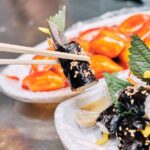
- You can watch skilled workers fillet fish and prepare sashimi (hwe) right in front of you.
- You’ll get to handpick items from options that can include tuna, octopus, and sea urchins.
Why this stop is so important: live-tank selection is one of the most direct ways to understand seafood freshness in Korea. It’s also where the guide’s local knowledge helps most. Without that, you’re often stuck trying to translate labels or guessing what a vendor is recommending.
The big drawback to plan for is sensory and speed. Market areas can be intense—lots of movement, plenty of food activity, and you’ll likely be making decisions while things are happening quickly. A private tour helps, but you’ll still be in a working wholesale environment, not a museum set-up.
From your seafood pick to a grilled meal nearby
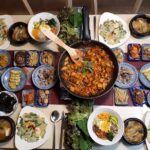
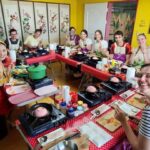
After you select your seafood, the tour moves into the “so what do I eat?” phase. You’ll enjoy a freshly prepared meal at a nearby restaurant, grilled to completion.
This part matters because it closes the loop. Market tours that stop at shopping are fun, but you’re left thinking: will I like what I picked? With this structure, you’re selecting with the expectation that it becomes part of your actual meal.
The guide’s role continues here too. During the market walk, you’ll learn about the different types of seafood and the traditional Korean dishes you can prepare. Then the meal gives you a practical payoff: the seafood you chose gets treated in a Korean way, using the preparation you just watched and discussed.
A small practical note: the description says grilled. That’s good for people who want a clear, satisfying main meal. If you’re only interested in raw seafood, you’ll still see hwe being prepared, but the guaranteed meal element you’ll get here is grilled.
What your guide should be explaining (and what to ask)
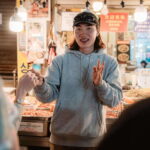
The tour is led by an expert guide who’s described as local and well-versed in Korean culinary traditions. In real terms, that should mean you’re not just walking and pointing. You’re getting explanations tied to what you can eat.
In the market, your guide should be able to connect three dots for you:
- What you’re looking at in the tanks or stalls (species and typical characteristics)
- What it’s commonly used for (Korean preparation styles)
- How vendors and workers handle it (including filleting and hwe preparation)
If you want this to feel truly tailored, come with a couple of anchors. For example:
- Tell your guide what you like (or avoid) before selection time.
- Ask how the seafood you’re considering is usually prepared in Korea.
- If you’re curious about hwe specifically, ask what you’re seeing and how it differs from what ends up grilled.
That’s where a private format pays off: your questions can steer the choices, rather than you feeling like you’re just along for the ride.
You can also read our reviews of more shopping tours in Seoul
Price and value: what $223.25 per person is buying
At $223.25 per person, this is priced for a private guided food experience. That number can feel high if you’ve been thinking of market shopping as a DIY activity. But seafood markets are one of those places where guidance saves time and improves outcomes.
So what are you paying for?
- Private attention for about 3 hours, with a structured market segment and a meal afterward
- A guide who can explain seafood types and Korean preparation methods on the spot
- Live-tank seafood selection plus the experience of seeing filleting and hwe
- A freshly prepared grilled meal at a nearby restaurant
Also, the tour lists group discounts, which can help if you’re traveling with others who share your food interests. If you’re one person going solo, it’s definitely more expensive than doing a market wander. If you’re a couple or small group who can split the value of a guide, it starts to look more reasonable.
In short: if you want a market experience that ends with a meal and real decision-making help, this price is easier to justify. If you mainly want photos and a casual browse, you could spend less on your own.
Meeting point and timing: the part that can make or break it
The tour starts at 14-47 Noryangjin-dong, Dongjak District, Seoul and ends back at the same meeting point. It also says the experience is near public transportation, which is helpful—Seoul is good for getting around, and you’ll be able to reach this area without a car.
Still, the most important practical advice is timing and communication. One mismatch problem was highlighted in a case where the meeting didn’t happen at the planned time. The guide later reported arriving at 1:50 p.m. and waiting until after 2:15 p.m., including taking a timestamped photo, and also noting no call or message came through despite direct contact details being included.
I can’t predict whether that kind of issue happens on your date. But you should treat it as a real risk with any private meeting-point tour. Do this:
- Arrive early enough to absorb any Seoul transit surprises.
- Check your confirmation carefully for direct contact details.
- Send a quick message shortly before the start time so everyone is aligned.
This is the easiest way to protect an experience that otherwise sounds like a perfect food day.
What to expect in the market (so you’re not guessing)
Noryangjin Fisheries Wholesale Market is a working seafood environment. You’re seeing live seafood, you’re walking stalls, and you’re observing skilled workers doing practical prep tasks like filleting and preparing hwe.
That means your mental goal should be: learn what you’re seeing, pick what you want to eat, and then enjoy the result. Don’t expect the market to slow down for you. Plan to keep moving and ask questions as you go.
Also, because you’ll select seafood and then eat it prepared, pay attention to how your guide frames the options. Even if you’re a bit unsure about certain seafood, you’ll have better decision-making if you get clarity on what’s being prepared and how.
And yes, you’ll likely notice that many locals are shopping with purpose. That’s part of the appeal. You’re watching Seoul food culture operate, not just performing it.
Is this tour good for you? Best-fit types of food travelers
This experience fits best if you:
- Want a private food-focused tour rather than a group shuffle
- Enjoy seafood and like learning how ingredients become Korean dishes
- Prefer a structured market experience with help choosing and explaining
- Want an end-of-tour payoff (your grilled meal) tied to what you picked
It may not be the best fit if you:
- Only want a casual walk and don’t care about seafood selection or preparation
- Get overwhelmed by working-market energy and want a slower, less active setting
For most people, it’s described as “most travelers can participate,” and it’s set up as a private activity with only your group. That suggests the core experience is straightforward: walk, learn, pick seafood, watch prep, eat.
Who runs it and how the booking timeline works
The provider is ZenKimchi Experiences. The booking data also gives you an idea of planning style: on average, this is booked around 50 days in advance. That doesn’t mean you must book two months out, but it’s a good sign that prime slots may fill.
Confirmation is handled by the booking platform: you’ll receive confirmation at the time of booking unless you book within 1 day of travel, in which case confirmation comes as soon as possible subject to availability.
Practically, if your trip is tight, book early enough that you’re not waiting for a last-minute confirmation.
Quick FAQ
FAQ
What is the price per person for the Seoul Noryangjin fish market experience?
The price is $223.25 per person.
How long does the tour last?
The duration is about 3 hours.
Is this a private tour?
Yes. It is a private tour/activity, and only your group will participate.
What happens at Noryangjin Fisheries Wholesale Market?
You’ll walk the market with a guide, handpick fresh seafood from live tanks, learn about seafood types and traditional Korean dishes, and watch filleting and sashimi (hwe) preparation.
Is there an admission ticket fee for the market stop?
The first stop lists Admission Ticket Free.
Do you eat a meal during the tour?
Yes. After selecting your fish, you’ll enjoy a freshly prepared meal at a nearby restaurant, grilled.
Where is the meeting point?
The start meeting point is 14-47 Noryangjin-dong, Dongjak District, Seoul, South Korea.
Do you get a mobile ticket?
Yes. The experience includes a mobile ticket.
When will I receive confirmation after booking?
You’ll receive confirmation at booking time unless you book within 1 day of travel. In that case, confirmation is received as soon as possible subject to availability.
Can I cancel for a full refund?
You can cancel up to 24 hours in advance for a full refund.
Should you book this Noryangjin private seafood tour?
If you want a Seoul seafood experience with hand-on selection, clear explanations, and a meal that actually follows your choices, I’d say it’s a strong match. The format is short, private, and built around what makes Noryangjin special: live seafood plus real preparation you can watch.
The main reason to hesitate is logistics sensitivity—private tours depend on correct meeting-point connections. If you’re careful with timing and you communicate clearly before you meet, that risk drops a lot.
My practical call: book it if seafood is a priority and you like the idea of learning while you choose. Skip it if you just want a casual market stroll without the structured selection-to-meal payoff.