REVIEW · SEOUL
K-food cooking Japchae Mandu Tteokbokki & Fishcake
Book on Viator →Operated by sunnysdiningbz · Bookable on Viator
Korean comfort food, handled hands-on. This class stacks four classic K-foods in one 2-hour evening, then finishes with seasonal Korean desserts and an indoor market walk. I like how the whole flow feels ready-to-go, with a calm, organized teaching style that helps you cook without getting lost in the details. One thing to note: the market tour portion is not held on the 2nd and 4th Sundays, so your experience on those dates may be shorter or simpler.
I also like that you get to set up your dishes nicely for photos and social posts, not just toss food in a bowl and leave. In the cooking reviews, the instructor is described as especially approachable and prepared, with one person even mentioning having Jenny all to themselves. If you’re not into cooking at your own station (it’s hands-on), this might feel a bit more work than you expected for a “food show.”
In This Review
- Key Highlights You’ll Actually Care About
- Cooking Four K-Favorites In One Evening
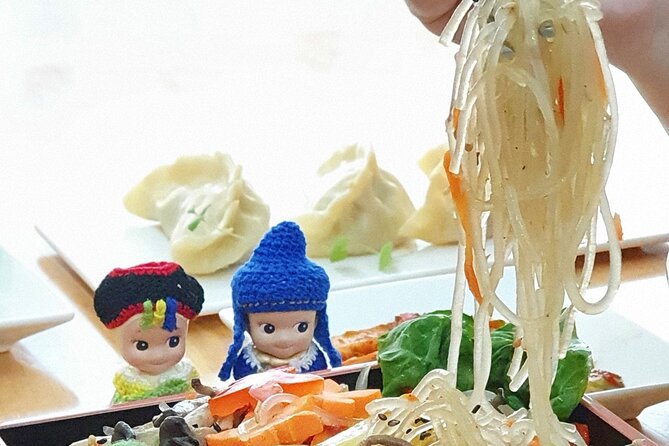
- What You’ll Make: Japchae, Mandu, Tteokbokki, and Fishcake
- The Cooking Setup: Organized, Hands-On, and Photo-Ready
- Tasting and Background: Why These Dishes Matter
- Dessert Break: Seasonal Yakgwa, Wind Rice Cake, and Sesame Rice Cake
- The Indoor Supermarket Tour Across the Street (4 Floors)
- Price and Value: What $81 Gets You in Seoul Time
- Who This Tour Fits Best (And Who Should Skip)
- Practical Logistics That Make It Go Smooth
- Should You Book This Korean Cooking Class?
- FAQ
- What dishes are included in the class?
- How long is the experience?
- Where does the supermarket tour happen after cooking?
- Are seasonal desserts included?
- Is alcohol included?
- Can I get a tax refund for purchases?
Key Highlights You’ll Actually Care About
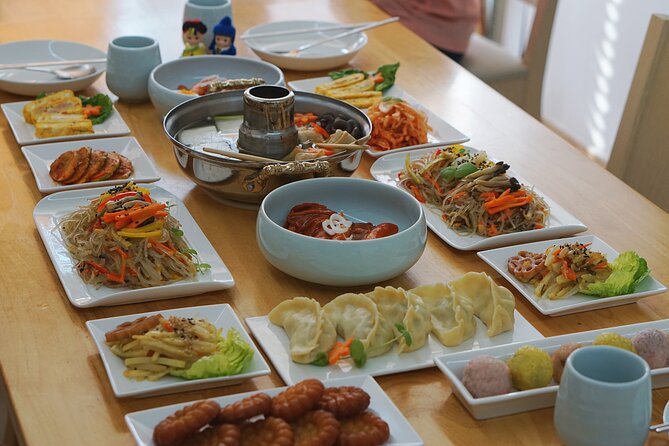
- Four dishes at once: Japchae, Mandu, Tteokbokki, and fishcake in a single session
- Photo-friendly setup: you can plate and film carefully right after cooking
- Seasonal desserts included: examples include yakgwa, wind rice cake, and sesame rice cake
- Indoor supermarket tour right outside: 4 floors, about 30 minutes, with kimchi refrigerators to see
- Tax refund help for purchases: you can get a tax refund immediately for qualifying buys with your passport
- Small group size: maximum of 6 travelers, which usually means more personal help
Cooking Four K-Favorites In One Evening
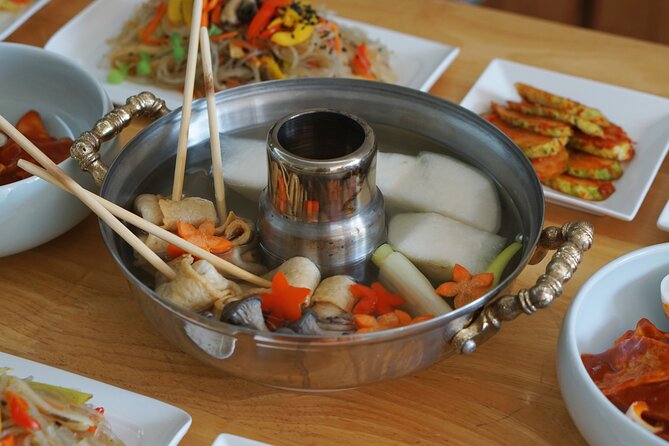
This is the kind of Seoul activity that makes sense even if you only have a day or two to spare. You’re not just sampling Korean food; you’re making it. And because the plan includes multiple dishes, you’ll leave with a stronger sense of how Korean meals “fit together” instead of treating each dish like a separate planet.
You’ll start around 5:30 pm and stay about 2 hours total. That timing is great if you want a late-afternoon-to-early-dinner plan without hunting down a restaurant later. You’ll also appreciate that it’s limited to a small group (up to 6), which helps keep the energy calm and supportive.
One more practical detail: you’ll use a studio setup and you’ll get all materials, tools, and packaging. That matters because Korean cooking classes can fall into two types—ones where you’re scrambling for ingredients and ones where everything is truly staged for you. This one is in the staged-for-you camp.
You can also read our reviews of more food & drink experiences in Seoul
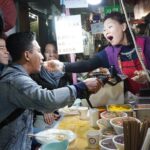
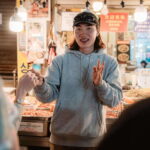
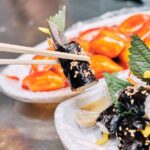
What You’ll Make: Japchae, Mandu, Tteokbokki, and Fishcake
The core promise is simple: you’ll make and eat four representative K-foods.
Here’s the set:
- Japchae (japchae): a crowd-pleasing Korean noodle dish
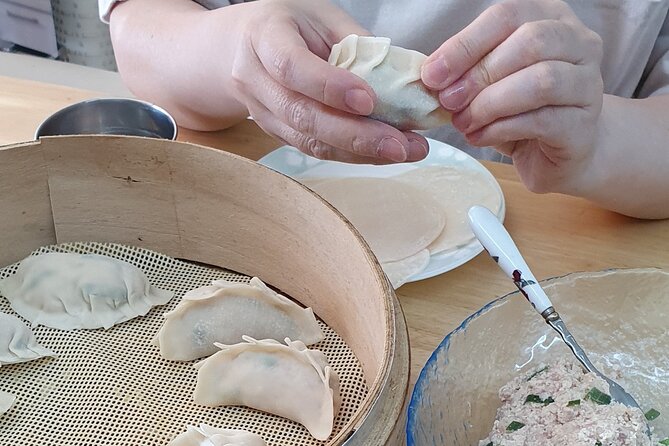
- Mandu: Korean dumplings
- Tteokbokki: the iconic rice-cake dish with sauce
- Fishcake: included alongside the other snack-like favorites
Cooking four items in one night isn’t just about variety. It’s about learning how Korean flavors show up across different textures:
- noodles versus dumplings,
- chewy rice cakes versus savory bites,
- and all of it tied together by sauces and seasonings that you can actually recognize again later.
You’ll taste what you make during the class, and you’ll get explanations plus some background on the food and dessert choices. The exact dessert lineup changes by season, but the structure stays consistent: cook, taste, then learn as you go.
If your goal is to take a few dishes home and impress friends, this format is strong. Four dishes is enough to feel like a real “skills pack,” not a one-off snack.
The Cooking Setup: Organized, Hands-On, and Photo-Ready
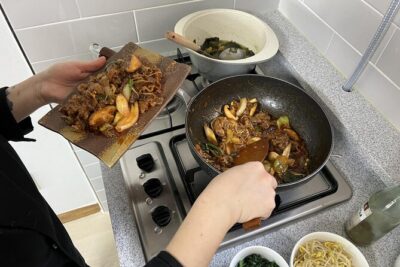
The class is built around a made-for-you workflow. You’re given everything you need—ingredients, tools, and packaging—so you can focus on technique and timing rather than logistics. That’s one reason the experience feels calm in the way people describe it: the teaching style is steady, and the station setup is ready.
You’ll also build a Korean table as part of the experience. That’s more than just scenery. It signals that you’re learning how Koreans actually serve and enjoy the meal. After cooking, you’ll be able to set things up nicely for careful filming and photos for your own social media.
So if you like food photography (or you simply want your dinner to look good), you’re not rushing out the door right after the last bite. You get a built-in moment to style the food and capture it.
A small-but-real consideration: it’s hands-on cooking. The class is designed to keep things easy and manageable, but you’ll still be actively working—chopping, mixing, assembling, and plating.
Tasting and Background: Why These Dishes Matter
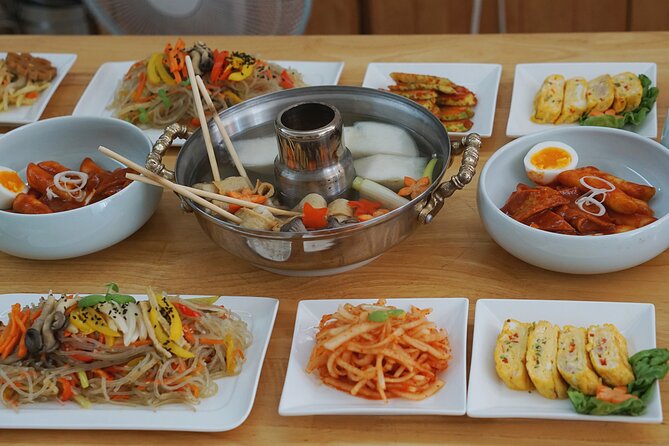
A lot of food tours give you facts after the fact. This one builds explanation into the meal. You taste what you’re making, then you get history and context for the dishes and desserts included.
That pacing is useful because you’ll remember the info better when it connects to flavor. If you’re the type who likes to understand what you’re eating—like why a dish is popular, or how it’s commonly enjoyed—this format works.
It also helps with shopping later. Once you know what you’re actually trying to recreate at home (not just the end result), you can choose seasonings and ingredients more confidently.
Dessert Break: Seasonal Yakgwa, Wind Rice Cake, and Sesame Rice Cake
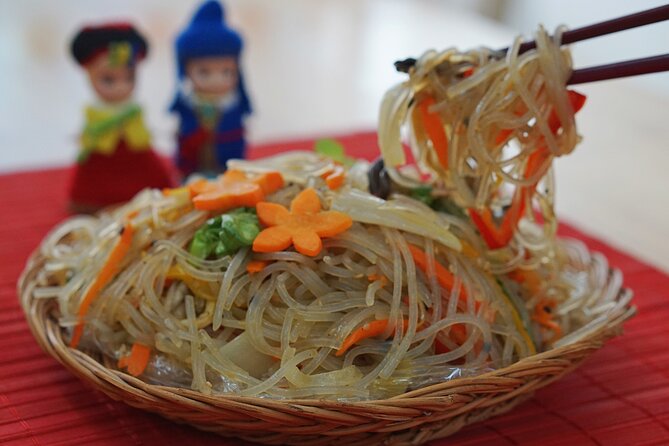
After cooking, you’ll get seasonal Korean desserts. The exact options vary, but the class can include:
- yakgwa
- wind rice cake
- sesame rice cake
You’re not just handed dessert and sent on your way. You’ll taste them and hear explanations. Since the dessert types change by season, you can think of this as a rotating “K-dessert sampler” that keeps the experience fresh.
Dessert matters here because it rounds out the meal. Korean cuisine often balances savory and sweet across a dining rhythm, and it’s easy to miss that on a typical restaurant stop where dessert is optional. Here, dessert is part of the learning arc.
You can also read our reviews of more tours and experiences in Seoul

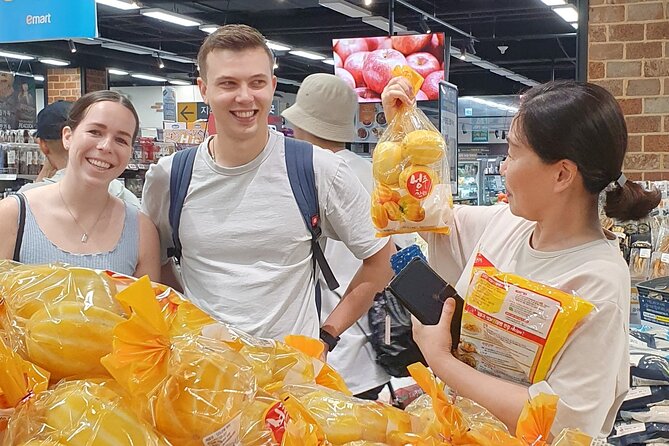
The Indoor Supermarket Tour Across the Street (4 Floors)
Here’s the extra value that turns a cooking class into a mini food field trip. After you eat, you’ll walk across the street for an indoor supermarket tour.
What you get:
- about 30 minutes
- a tour across four floors
- examples of what you’ll see include kimchi refrigerators used by Koreans
That’s a great moment for anyone who wants to understand how Korean households stock and store food, not just what’s sold to tourists. You also get help in choosing what to buy, especially if you want a K-snack or a lot of seasonings.
There’s also a practical tax benefit built in. The experience includes guidance around the purchase process for qualifying items, and you can get a tax refund immediately for purchases over 30,000 won (including VAT) if you bring your passport.
Two important notes:
- The market tour is not held on the 2nd and 4th Sundays.
- That means if you’re booking for those dates, you should expect the supermarket part won’t happen the same way.
Price and Value: What $81 Gets You in Seoul Time
At $81 per person for roughly 2 hours, you’re paying for more than a meal. You’re paying for:
- instruction and a structured cooking workflow,
- ingredients plus tools and packaging,
- four dishes plus desserts,
- and a supermarket tour component (when it runs), including purchase help and tax refund guidance.
In Seoul, restaurant meals can add up quickly—especially if you want a full dinner plus dessert plus snacks to take home. This class compresses a lot of those experiences into one evening.
The value gets even better if you’re planning to shop for Korean ingredients anyway. The chance to see kimchi refrigerators, learn what to look for, and get help picking seasonings can save you from buying the wrong thing twice.
One thing to consider is what you’re optimizing for:
- If you mainly want to eat and not cook, you may feel like this is more work than you want.
- If you want to leave with both food and know-how, it’s a solid deal.
Who This Tour Fits Best (And Who Should Skip)
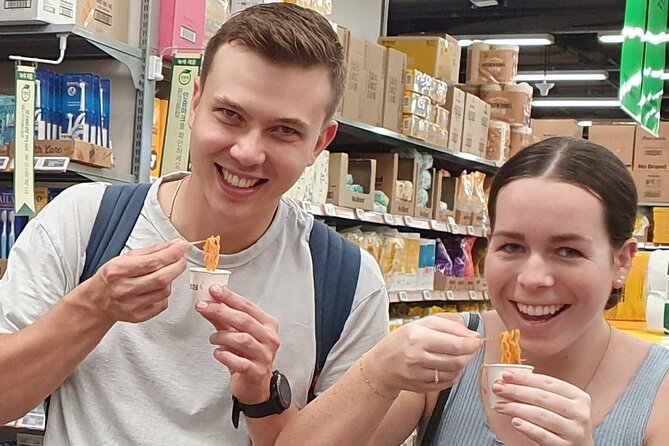
This experience is a great match for:
- couples or small groups who want a social evening without a big crowd,
- food lovers who like learning as they cook,
- first-time visitors who want representative Korean dishes, not a random menu,
- travelers who plan to buy ingredients or snacks to take home.
It may be less ideal if:
- you dislike hands-on cooking,
- you’re mainly chasing nightlife and want zero structure,
- you’re visiting on a Sunday that falls on the 2nd or 4th, since the supermarket tour portion won’t run.
Age-wise, it’s for children 10 years old and above. Children under 10 can join if they’re with a guardian.
Practical Logistics That Make It Go Smooth
A few details matter because they affect your planning:
- Meeting point: 199 Baekbeom-ro, Mapo-gu, Seoul, South Korea
- Start time: 5:30 pm
- Group size: maximum 6 travelers
- You’ll receive a mobile ticket
- Alcoholic beverages are not included
Also, because it starts in the early evening, I recommend eating lightly beforehand or planning a smaller snack. That way, you’ll arrive hungry enough to enjoy the cooking and still feel comfortable during dessert.
Should You Book This Korean Cooking Class?
Book it if you want an easy, structured way to learn Korean cooking while also seeing a real ingredient-shopping scene. The combination of four dishes, seasonal dessert, and an indoor supermarket tour is the main draw, and the small group setup helps keep it friendly and manageable.
Skip or reconsider if you only want to eat without cooking, or if your dates land on the 2nd or 4th Sunday, when the market tour is not held.
If you’re on the fence, think about your trip goal: do you want a memorable meal, or do you want take-home skills plus a shopping boost? This class is built for the second one.
FAQ
What dishes are included in the class?
You’ll make and enjoy four Korean dishes at once: Japchae, Tteokbokki, Fishcake, and Mandu.
How long is the experience?
It runs for about 2 hours.
Where does the supermarket tour happen after cooking?
After the cooking and meal, you’ll tour a large indoor supermarket located right across the street from the studio. The tour lasts about 30 minutes and covers four floors.
Are seasonal desserts included?
Yes. You’ll have seasonal Korean desserts such as yakgwa, wind rice cake, and sesame rice cake. The exact types can vary by season.
Is alcohol included?
No. Alcoholic beverages are not included.
Can I get a tax refund for purchases?
You can get a tax refund immediately for purchases over 30,000 won (including VAT) as long as you bring your passport after the purchase process of the used materials.