REVIEW · SEOUL
Private Guided Tour in DMZ with Lake (Optional Incheon Layover)
Book on Viator →Operated by Awesome Tour · Bookable on Viator
A border day in Seoul makes politics real. I like that this tour pairs big-picture Korean Peninsula context with hands-on sites like the Third Tunnel and Dora Observatory, and you get it all through a private guide who keeps the story clear and practical. The tone is emotional, and the Third Tunnel walk can feel tight and intense, so plan around that if you’re uneasy with enclosed spaces or long walking.
I also like the pacing: it’s long enough (about 9–10 hours) to actually connect the dots, but it’s not a frantic sprint. Pickup and drop-off make it easy, and the entrance fees and transportation costs are handled up front. One thing to consider: lunch isn’t included, so you’ll want to plan for food breaks on your own or ask your guide for a good nearby option.
In This Review
- Key highlights
- Private DMZ Day From Seoul: Price, Pickup, and What You’re Really Buying
- Imjingak Pyeonghoa-Nuri Park: Freedom Bridge and the Abandoned Steam Train
- Inside the DMZ: Controlled Access and the Reality Check
- The Third Tunnel Walk (73m Down): 73 Meters, 20 Minutes, and No Room for Pretending
- Dora Observatory: Seeing North Korea From the South
- Majang Lake and the Final Choice: Nature to Reset, or Post-War Life Displays
- Your Guide Matters: English Clarity, Tunnel Confidence, and Even Food Help
- Who This DMZ Tour Fits Best (and Who Might Hesitate)
- Should You Book This Tour?
- FAQ
- How long is the DMZ private tour?
- Is this tour private?
- What stops are included?
- Do I have to pay for entrance tickets?
- Is pickup from my hotel included?
- Is lunch included?
- What does the Third Tunnel visit involve?
- Do I need a certain fitness level?
- Is there a cancellation option if my plans change?
- Does the tour offer an Incheon layover option?
Key highlights

- Private guided DMZ route: your group only, with a trained guide from hotel pickup to drop-off
- Third Tunnel access: guide goes in with you; 73m deep and about 20 minutes round trip
- Dora Observatory views: see North Korea from the South at a controlled viewpoint
- Imjingak Park start: Freedom Bridge and an abandoned steam train set the emotional tone early
- Majang Lake photo stop: a short nature walk to cool down after the heavy sites
- Flexible final stop option: you can choose between post-war life displays and a scenic suspension bridge area
Private DMZ Day From Seoul: Price, Pickup, and What You’re Really Buying
At $200 per person for a 9–10 hour private tour, this isn’t a budget add-on. It’s priced like what it is: a full-day, high-demand, high-security region with paid admission sites and a dedicated vehicle.
Here’s the value angle. Your money goes toward the parts that are hardest to DIY: a clean private vehicle, hotel pickup/drop-off, and all the entrance/parking/toll/fuel costs. You’re also not stuck translating confusing signage under time pressure. The guides on this kind of route can make the day feel like a coherent story instead of a checklist.
In the real world, demand matters. The average booking window is about 72 days ahead, which is a hint to reserve early if you want a smooth schedule—especially if you’re traveling around a busy season or have flight timing constraints.
If you’re passing through South Korea and have an Incheon layover, the tour is listed as having an optional layover connection. The smart move is to confirm timing directly with the provider so you don’t end up rushing through border-day fatigue.
Finally, remember the one missing piece: lunch isn’t included. For a long day like this, I treat that as a planning task, not an afterthought.
You can also read our reviews of more guided tours in Seoul


Imjingak Pyeonghoa-Nuri Park: Freedom Bridge and the Abandoned Steam Train
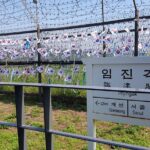
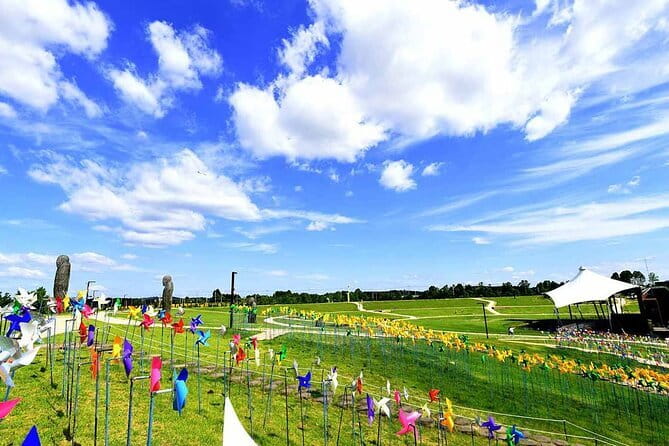
Most DMZ tours begin by “dropping you at the border.” This one starts earlier, with Imjingak Pyeonghoa-Nuri Park, a park built for displaced people. That matters. You get context before you get visuals.
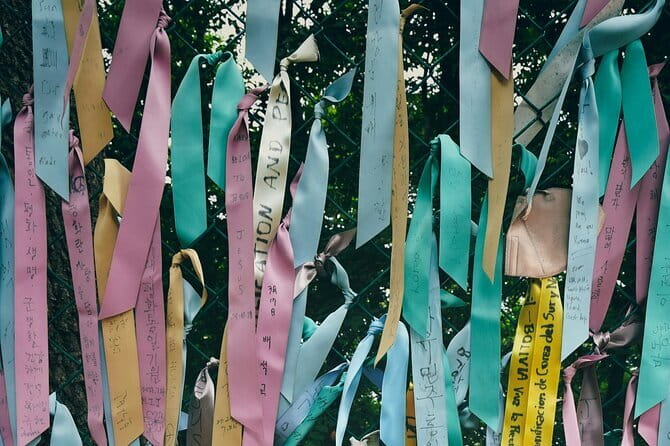
You’ll walk around the park and see the Bridge of Freedom, plus an abandoned steam train. Those objects do the emotional work that maps can’t. Before you even reach the DMZ, you’re reminded that the peninsula’s division isn’t just a political diagram—it’s a lived disruption.
The stop runs about 1 hour, and admission is included. It’s long enough to take it in without turning it into a lecture marathon.
A practical note: this first site sets the mood. If you’re hoping for a purely scenic day, you might feel the tone more strongly here than you expected.
Inside the DMZ: Controlled Access and the Reality Check
After Imjingak, the tour heads into the DMZ itself. You’ll have about 2 hours there, with admission included.
What you’re actually buying with those hours isn’t just the novelty of seeing restricted territory. It’s the structured way you’re guided to look, notice, and understand. Views are controlled, movements are timed, and what you can see from one angle might be different from another. That’s why a guide helps: they help you interpret what you’re looking at, instead of leaving you to guess.
This part is politically complex by nature, and this is the day where that complexity stops being abstract. You’ll hear clear framing about how the Korean Peninsula’s division shaped South Korea’s economy and society, not just its headlines.
The drawback? The DMZ is heavy. If you’re sensitive to the subject, take breaks during the day where you can and don’t try to force upbeat energy. A private guide can pace you better than a big bus crowd.
The Third Tunnel Walk (73m Down): 73 Meters, 20 Minutes, and No Room for Pretending
The Third Tunnel is the signature stop, and it’s the one that tends to stay in your memory longer than the photos.
You’ll spend about 1 hour total at this stop, and the tunnel visit itself is about 20 minutes round trip. The tunnel is 73 meters (240 ft) deep, and here’s the key detail: the guide goes into the tunnel with you and explains what you can see.
That “with you” piece matters. In a tunnel, it’s easy to focus only on your breathing and forget what you’re looking at. With a guide present, you get context in real time—what the space meant, why it matters, and how it fits into the bigger security story of the peninsula.
There’s also a specific piece of information you may hear during the visit: the guide mentions an estimate that North Korea could send 30,000 soldiers in an hour through the tunnel. Even if you treat it as a rough figure, it gives you a sense of scale.
Is it physically easy? Not really. The tour says a moderate fitness level is required, and one review noted the tunnel walk felt daunting for someone who’s quite tall. If that’s you—tall, claustrophobic, or prone to discomfort—consider whether you’ll be okay with enclosed, confined-feeling spaces. This is where your expectations need to match your body.
Dora Observatory: Seeing North Korea From the South
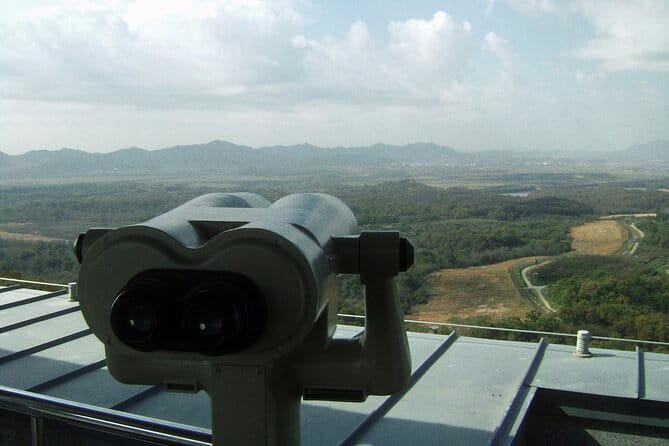
Next comes Dora Observatory, where you’ll have about 1 hour.
This is one of those rare travel moments where you can point your eyes across the border and realize you’re looking at a place that affects daily life for millions, even if you’ll never step there. From the South side, you’ll see North Korea at a controlled viewpoint.
This stop often hits hardest on clear days. One review specifically called out that they had a really clear day, which made the view over to North Korea especially striking. You can’t control weather, but you can manage expectations: if the day is hazy, the location still matters, but the skyline detail won’t feel as sharp.
What you gain here is a mix of visibility and perspective. The guide ties what you see to how the North’s situation limits freedom and affects the economy.
It’s not just observation. It’s a chance to feel why this division matters beyond politics.
You can also read our reviews of more private tours in Seoul


Majang Lake and the Final Choice: Nature to Reset, or Post-War Life Displays
After the main DMZ portion, the itinerary includes a final sightseeing element, and you’ll have a choice in the program. The idea is simple: after absorbing serious material, you get either a nature break or a look at post-war life.
One common option in the schedule is Majang Lake, with about 30 minutes on site. You’ll walk around together and the guide helps with pictures, which is a genuinely useful service after a day of standing and looking across the border.
Another option is a museum-style stop that focuses on life in Korea right after the war, using real objects displayed for visitors. The goal is to understand how division shows up in everyday life, not just political speeches.
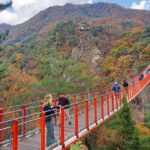
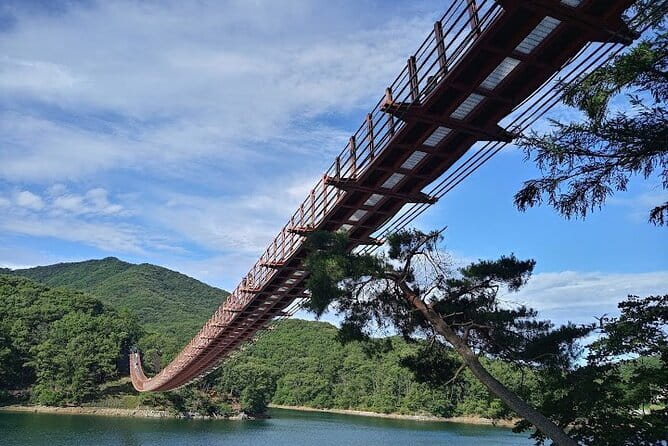
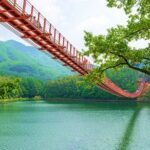
There’s also an option involving a suspension bridge with lake or mountain scenery. This tends to feel like a palate cleanser: moving outdoors, changing soundscape, and getting a different kind of viewpoint.
If you’re trying to decide, I’d choose based on what your brain needs most that day:
- If you want a calmer reset, pick Majang Lake.
- If you want context that connects directly to human experience, pick the post-war life displays.
- If you want scenery and a less somber angle, pick the suspension bridge.
Either way, this part helps your day end with something more than emotional whiplash.
Your Guide Matters: English Clarity, Tunnel Confidence, and Even Food Help

This is a private tour, and the reviews make one thing clear: the guide experience can make or break the day.
On this route, I look for three traits:
1) Clear explanations that don’t feel like a lecture
2) Comfort leading you through the tense stops
3) Flexibility when real-world pacing needs adjustment
The guides associated with this tour have come up repeatedly by name—Hun Lee, Hyun Soo, and Taylor Woo—and the consistent theme is strong English and an easygoing approach. One review praised the guide’s attentiveness and how they went above and beyond for a practical need: finding a gluten-free Korean restaurant. That’s not “tour content,” but it’s real value when you’re on a tight schedule.
Also, pacing matters for families. Another review mentioned the guide was flexible and didn’t rush, which helped when traveling with parents in their 80s. If you’re bringing older relatives or you’re physically slower, this kind of pacing can be the difference between enjoying the day and just surviving it.
One more small point: at photo-friendly stops like Majang Lake, the guide helping with pictures isn’t fluff. It saves time and gives you better results than juggling your phone while trying to remember your history lesson.
Who This DMZ Tour Fits Best (and Who Might Hesitate)
This tour fits best if you want:
- A private, structured DMZ experience rather than a bus-queue day
- Clear context about Korean Peninsula politics, economy, and society
- Access to the Third Tunnel and Dora Observatory, which are the emotional core of many DMZ itineraries
- A guided visit that includes walking, with admission costs covered
You might hesitate if:
- You dislike enclosed spaces or feel anxious about tunnels
- You’re expecting a purely scenic day with light content
- You’re not comfortable with the moderate physical demands of a full day (including the tunnel round trip)
If you love history but hate heavy lessons, this isn’t a museum-only vibe. It’s a reality-based day. It’s intense, but it’s also the reason it feels meaningful.
Should You Book This Tour?
Yes—if you want the DMZ experience to feel understandable, not chaotic. The biggest reasons I’d book are straightforward: the private guide, the included access (Third Tunnel, Dora Observatory, DMZ, plus park and nature stop), and the way the day is paced to connect the story from beginning to end.
If you’re price-sensitive, you might compare options. But once you factor in private pickup/drop-off, a dedicated vehicle, admission and parking costs, and the guide time, this becomes less of a “nickel-and-dime” experience and more of a turn-key day.
My decision rule:
- Choose it if you want the full DMZ core plus an outdoor reset like Majang Lake.
- Skip it (or ask about alternatives) if you know tunnels are a hard no for your comfort level.
- Book early if your dates are fixed; the average booking timeline suggests it fills up.
FAQ
How long is the DMZ private tour?
It runs about 9 to 10 hours (approx.).
Is this tour private?
Yes. It’s a private tour, and only your group participates.
What stops are included?
The main stops are Imjingak Pyeonghoa-Nuri Park, the DMZ, the Third Tunnel, Dora Observatory, and Majang Lake.
Do I have to pay for entrance tickets?
Entrance fees are included for the listed stops.
Is pickup from my hotel included?
Pickup is offered, and the tour includes hotel pickup and drop-off.
Is lunch included?
No. Lunch isn’t included.
What does the Third Tunnel visit involve?
The Third Tunnel is about 73 meters deep and takes about 20 minutes for a round trip, and the guide enters the tunnel with the tourists.
Do I need a certain fitness level?
The tour notes you should have a moderate physical fitness level.
Is there a cancellation option if my plans change?
Yes, there is free cancellation up to 24 hours in advance for a full refund.
Does the tour offer an Incheon layover option?
It’s listed as optional, but you’ll need to coordinate the timing for your specific layover.
![The Seoul Pub Crawl [official] - Hongdae vs Itaewon: Choosing the Right Night Out](https://2.letsgoseoul.com/wp-content/uploads/the-seoul-pub-crawl-official-400x267.jpg)