REVIEW · SEOUL
Seoul: UNESCO Sites tour: Palace, Shrine & Bukchon Village
Book on GetYourGuide →Operated by I LOVE SEOUL TOUR Co., Ltd. · Bookable on GetYourGuide
Palaces, shrines, and hanoks in one day. This tour stands out for its clear English storytelling at Changdeokgung Palace and Jongmyo Shrine, plus the way guides like Park, Leo, and Chloe (KyungAh Park) make architecture and royal rituals make sense fast.
I also like that the day is built around walking and seeing, not just sitting on a bus. One possible downside: it’s a long, packed schedule, and lunch costs extra since the meal isn’t included.
If you want a strong first-day orientation to Korean royal heritage and don’t mind moving between neighborhoods, this is a satisfying pick. Expect rain or shine, and a ride that ends back in Myeongdong near the subway.
In This Review
- Key things I’d bookmark before you go
- Morning Start in Myeongdong: timing, transit, and what the day feels like
- Bukchon Hanok Village: the hanok streets that make Korea feel close-up
- Jongmyo Royal Shrine on the calendar: ancestral rites and court music
- Tuesday swap: Jongmyo closed, Insa-dong added
- Changdeokgung Palace (or Gyeongbokgung on Mondays): gardens plus royal architecture
- Monday swap: Changdeokgung replaced by Gyeongbokgung
- Cheongha Korea Ginseng: a cultural stop that fits the day
- Afternoon in Suwon: Hwaseong Fortress brings the royal story to defense
- Lunch, entrances, and what your $36 actually covers
- Guide quality makes the difference: clear English, fun energy, lots of helpful photos
- Who should book this tour, and who should skip it
- Practical tips to make the day easier
- Should you book this UNESCO Seoul and Suwon tour?
Key things I’d bookmark before you go
- UNESCO sites you can actually connect: Changdeokgung Palace and Jongmyo Royal Shrine get explained in plain, human terms.
- Bukchon Hanok Village with photo-friendly streets: hanoks lined along lanes, with many homes turned into cafés and cultural spots.
- Smart day-specific swaps: Tuesdays switch Jongmyo for Insa-dong, and Mondays swap Changdeokgung for Gyeongbokgung.
- A second UNESCO hit in Suwon: Hwaseong Fortress brings military engineering into the story in the afternoon.
- A guided stop at Cheongha Korea Ginseng: you learn the long East Asian background of ginseng and what it’s used for.
Morning Start in Myeongdong: timing, transit, and what the day feels like
Your day begins early. You meet outside exit #10 of Myeong-dong subway station at 08:30 am, then you head out by van with a driver and a professional guide. The pace is steady: you’ll be walking at each main site, then moving on before the next stop.
A big plus here is that the tour takes care of the heavy logistics—entrance fees and transport are included—so you can focus on actually seeing. Another practical point: the tour runs rain or shine, so plan for wet ground near palaces and shrine areas. Good shoes matter more than you think.
Also, do keep an eye on your email. Your exact meeting point and time are confirmed by the local partner, and that message can sometimes land in spam.
You can also read our reviews of more tours and experiences in Seoul.

Bukchon Hanok Village: the hanok streets that make Korea feel close-up
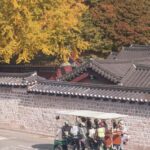
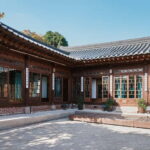
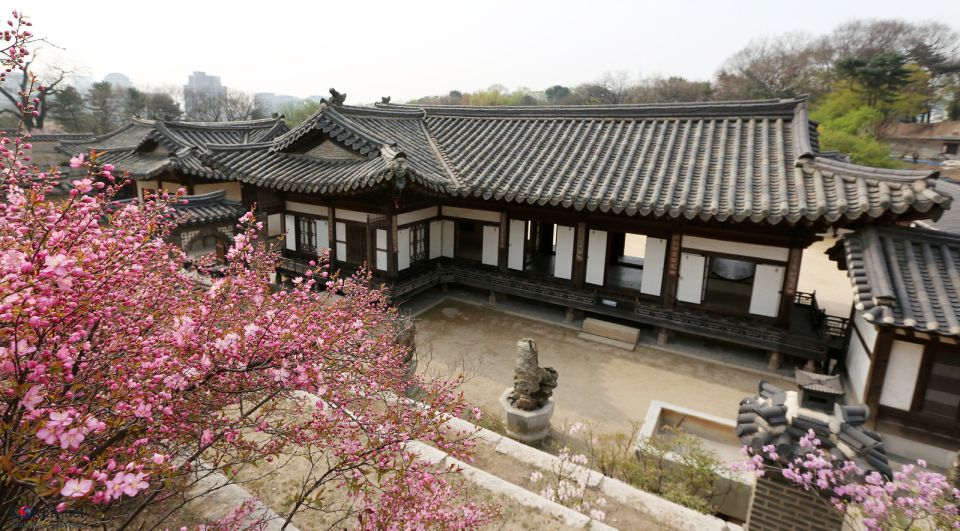
Bukchon Hanok Village is where the day turns from “lecture mode” into “look at this with your own eyes.” You’ll stroll through streets lined with traditional houses—hanok—that are beautifully preserved. Many homes have been adapted into cafés and cultural centers, so it’s not just a museum look. It’s a living neighborhood vibe where old forms meet modern routines.
This stop is also built for photos. With a guide walking you through what to notice, you’ll spot the architectural details that are easy to miss when you’re just wandering. If you’re into cultural details, this is the kind of place where your brain starts recognizing patterns—roof lines, entrances, and the way homes sit along the hills and lanes.
One thing to plan for: if Bukchon Hanok Village is closed, it’s replaced with a trip to Namsangol Hanok Village. So if you’ve heard you’ll get Bukchon no matter what, don’t count on it—go in expecting a similar hanok experience.
Jongmyo Royal Shrine on the calendar: ancestral rites and court music
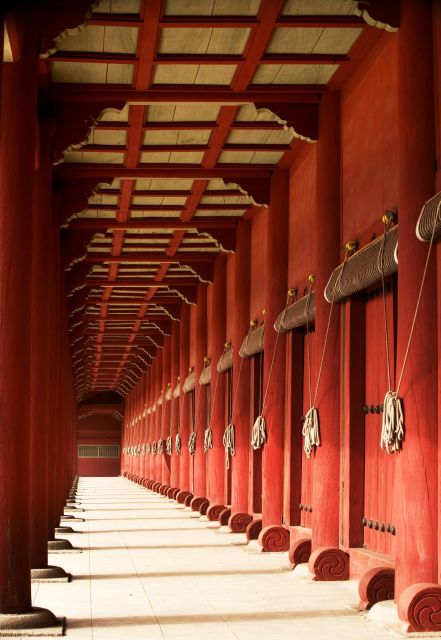
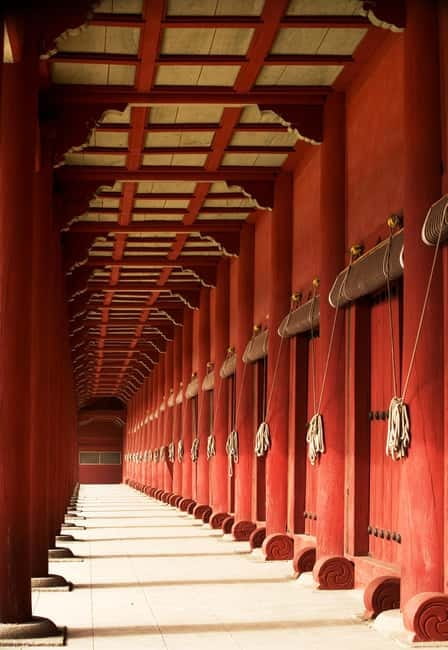
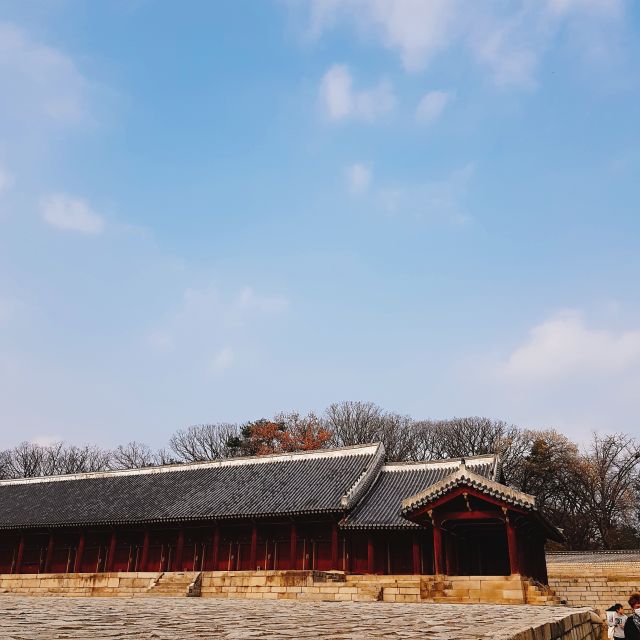
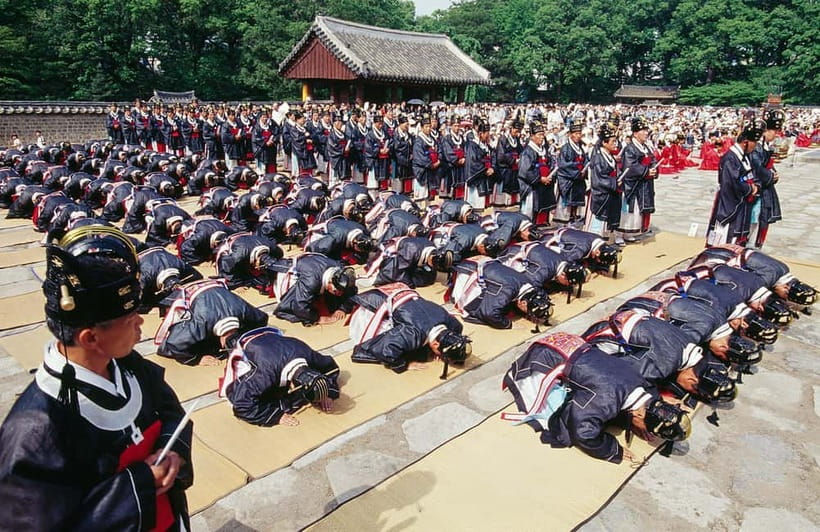
Next up is Jongmyo Royal Shrine, a sacred site built nearly 600 years ago for royal ancestral rites. The core idea is simple: kings came here to pay respects to past monarchs, and that ritual purpose still shapes the place today.
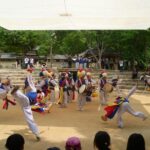
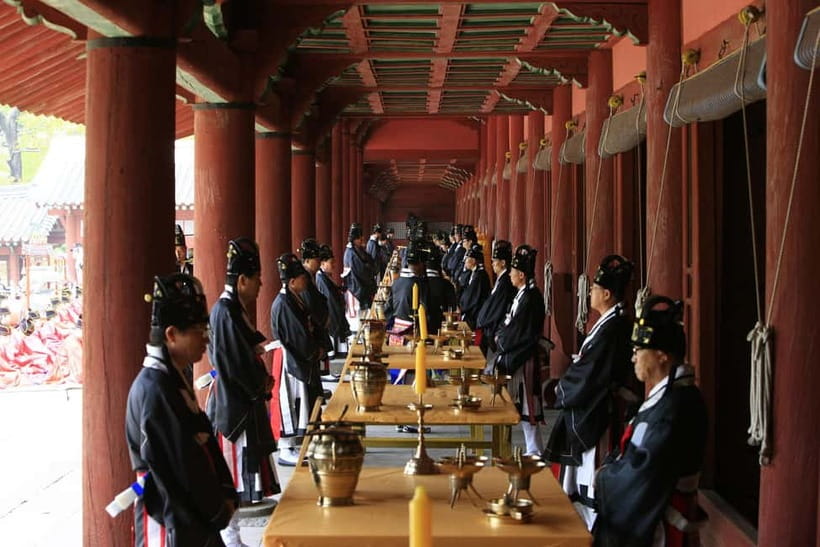
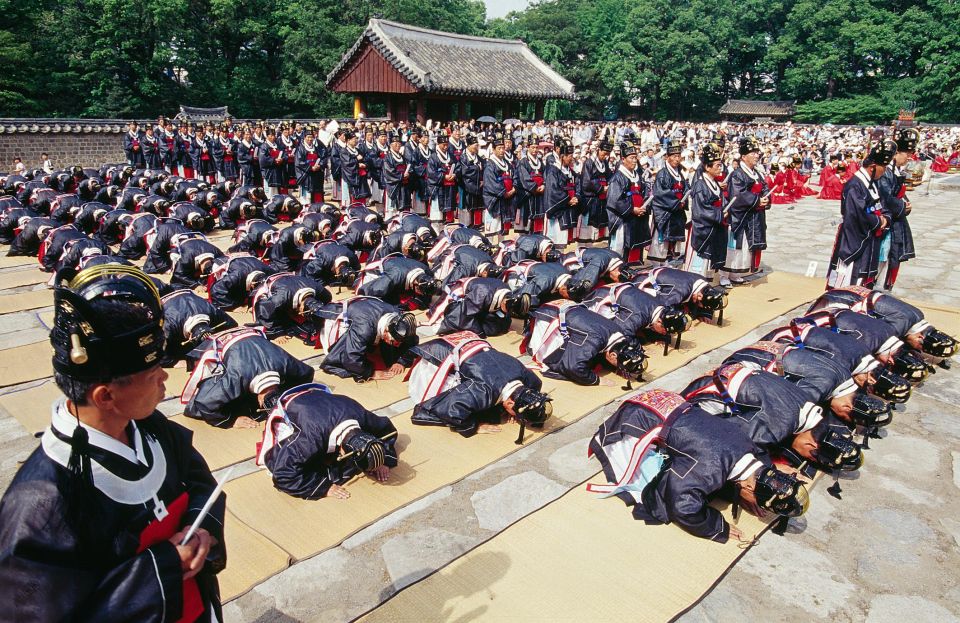
Jongmyo is a UNESCO World Heritage Site, and the atmosphere is different from a palace courtyard. It’s quieter and more focused, which helps the guide’s explanations land. Sometimes the shrine hosts traditional memorial ceremonies and court music performances—so it’s the kind of place where you might catch more than just buildings and plaques.
Even if you’re not the type who loves ceremonies, the storytelling helps. You start to see how religion, governance, and tradition were connected, not separate worlds.
Tuesday swap: Jongmyo closed, Insa-dong added
If your tour day is Tuesday, Jongmyo is closed. In that case, the shrine visit is replaced by a guided tour of Insa-dong Culture Street, known for antique shops, galleries, and traditional tea houses. It’s a different mood—more street-level culture and shopping energy—but it still keeps the theme: traditional Korea in a very walkable area.
Changdeokgung Palace (or Gyeongbokgung on Mondays): gardens plus royal architecture
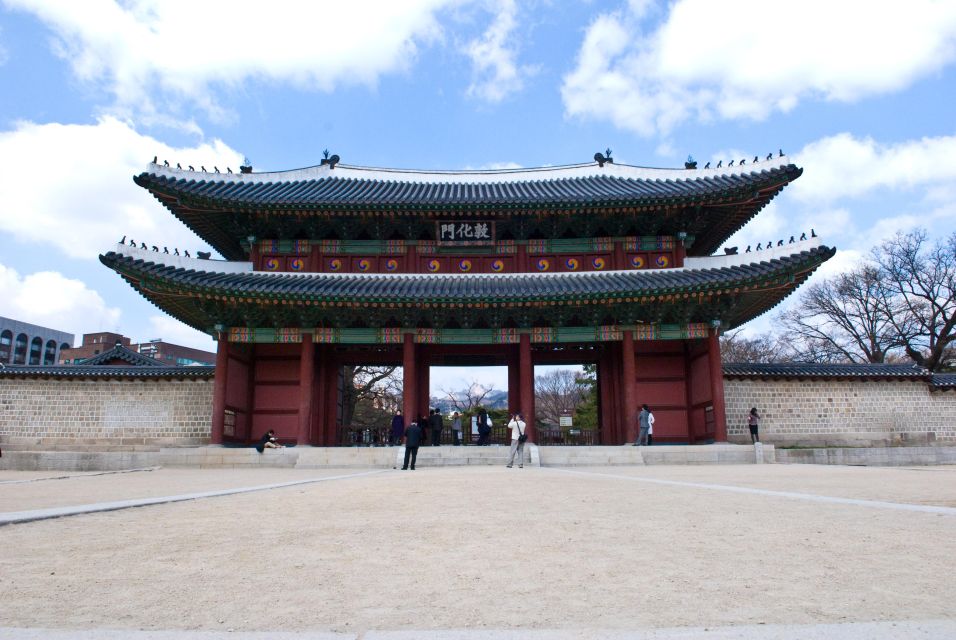
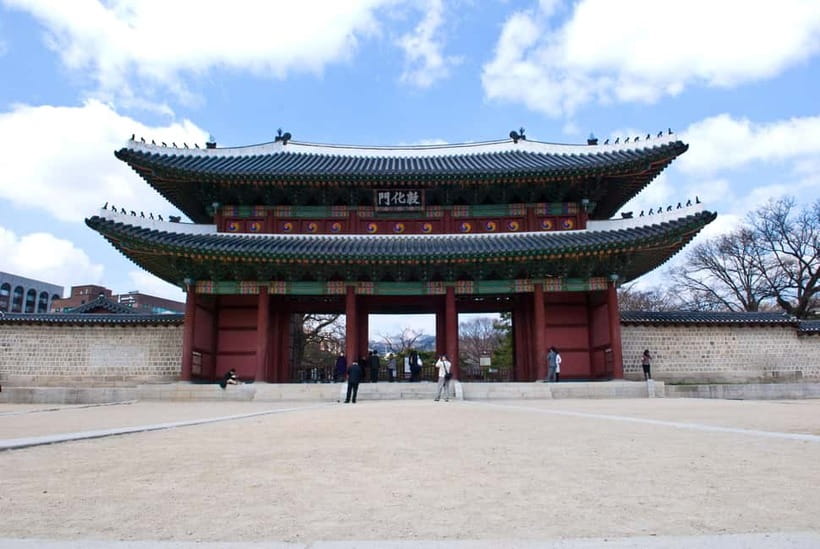
After Jongmyo, you move to Changdeokgung Palace, another UNESCO World Heritage Site. Changdeokgung matters because it was a royal residence, and it’s admired for both architecture and its landscaped gardens. The garden design is meant to match traditional Korean aesthetics, so the palace doesn’t feel like it’s fighting the land—it’s designed with the space.
This is a strong stop for history enthusiasts and also for anyone who thinks palaces are just pretty buildings. The guide’s job here is to translate. Once you understand how the grounds were used and why certain layouts exist, the palace starts to feel logical instead of random.

Monday swap: Changdeokgung replaced by Gyeongbokgung
On Mondays, Changdeokgung Palace is replaced by Gyeongbokgung Palace. Same UNESCO royal-palace universe, different site. If your travel dates are flexible, it’s worth knowing that the palace you see can change based on the weekday.
Cheongha Korea Ginseng: a cultural stop that fits the day
Midday brings the Cheongha Korea Ginseng stop. Here, you’ll learn about ginseng’s history in East Asian medicine, including how it’s linked to ancient documentation and has been used for centuries. The explanation focuses on Korean ginseng specifically and how it’s valued for adaptogenic properties—supporting the body with stress resistance and overall health.
This isn’t a random tourist add-on. It’s a chance to understand one of Korea’s most recognizable traditional products through context, not just shopping. It also gives your legs a breather before the afternoon transfer.
What I’d suggest: if you’re going to buy anything, treat it like a normal shopping stop. Use your time to ask questions if your guide can, then decide based on what you actually want to take home.
Afternoon in Suwon: Hwaseong Fortress brings the royal story to defense
After lunch, the tour moves to Suwon in Gyeonggi-do Province. This is where the itinerary widens beyond Seoul and adds a UNESCO site that’s built around engineering and defense.
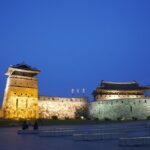
You’ll visit Suwon Hwaseong Fortress, a UNESCO World Heritage Site. What makes it special is how well it’s preserved and the advanced military engineering from the late 18th century. It’s not just “old walls.” You’re looking at a system meant to function, protect, and control movement.
Then you’ll also visit Hwaseong Haenggung Palace, a temporary residence used when kings traveled outside the capital. That palace link matters. It connects the fortress to the people who would have used and moved through the area during times of travel.
It’s a smart ending stretch because the day stops being purely ceremonial and becomes practical: governance, security, and travel logistics—seen in stone.
Lunch, entrances, and what your $36 actually covers
At $36 per person, the value is strongest if you like packed routes with included essentials. Here’s what you should count on being included:
- entrance fees
- professional guide
- van transfer and driver
What’s not included:
- meals (lunch costs extra)
- pickup (you’re responsible for getting yourself to the meeting point)
- hotel drop-off (the tour ends back in Myeongdong)
That lunch detail is the only real budget surprise. Since the meal isn’t included, I’d plan on spending additional money around that point. The good news is you can keep the rest of your day simple—no buying separate tickets for every major stop and no fighting transit maps between neighborhoods.
Guide quality makes the difference: clear English, fun energy, lots of helpful photos
One of the most consistently praised parts is the guide experience. People highlight guides like Park, Leo, and KyungAh Park (often mentioned as Chloe), plus Orota and Heidi. The thread through it all is easy English explanations, strong storytelling, and a sense of humor that keeps the day from feeling like a checklist.
You’ll also get help with practical photo moments. Several guides are praised for taking photos for everyone at each location, and one guide even helped guests find a hanbok shop—useful if you want traditional clothing photos without guessing your way through the city.
If you’re someone who learns faster when a real person is pointing things out, this is where the tour shines.
Who should book this tour, and who should skip it
This tour is a great fit if:
- you’re a history enthusiast who wants context at each site, not just walking through
- you want a strong first-day plan that covers major UNESCO names in both Seoul and Suwon
- you like guided walking with frequent stops and photo opportunities
It’s less ideal if:
- you need wheelchair access, because the tour is not suitable for wheelchair users
- you get grumpy with long days and want lots of free time (this itinerary keeps moving)
- you prefer a fully self-paced style. Here, the schedule and weekday swaps shape what you see
Also note the rules: alcohol and drugs are not allowed. It’s a standard policy, but it matters if you were thinking about bringing anything with you.
Practical tips to make the day easier
- Wear shoes you can walk in for hours. Palaces and shrine areas involve uneven ground and lots of steps.
- Bring a camera or phone with storage space. The hanok streets and palace grounds are photo magnets.
- Expect weekday changes. If you’re coming on Monday or Tuesday, part of the day changes to match closures.
- If you don’t get your confirmation email, contact the local partner and check spam folders.
- Budget for lunch. Entrance fees are included, but your meal is not.
Should you book this UNESCO Seoul and Suwon tour?
If you want one day that hits two UNESCO sites in Seoul plus one in Suwon, with a guide who explains the meaning behind the buildings, then yes—this is a smart value pick. The $36 price works especially well because you’re not paying separate entry fees and you’re getting transport handled.
I’d book it if your ideal day is: meet early, walk historic neighborhoods, get clear English context, and end back in Myeongdong with a plan for dinner and shopping.
If you want lots of free time, strict wheelchair-friendly routing, or a slower pace, you’ll probably be happier with a more self-paced option.