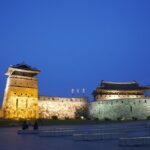
The DMZ feels real, not museum-real. This half-day trip out of Seoul takes you through one of the world’s most heavily guarded borders with retired military officer guides and a day-of choice of where you’ll get the clearest North Korea view.
I love the way the briefing style turns into real context at every stop. You’ll get on-the-spot guidance on what you’re seeing, plus a Odusan vs Dora decision that’s based on visibility and live conditions that morning.
One drawback to plan for: the schedule is structured, the checkpoints take time, and the best viewing depends on weather and visibility, so passport control matters.
In This Review
- Key Things I’d Plan Around
- Why This DMZ Tour Feels Like a Briefing, Not a Bus Ride
- Price and Value at $45: What You Actually Get
- How the Day Really Flows: Timing, Checkpoints, and Weather
- Stop 1: DMZ Entrance With ID Checks, Bridge of Freedom, and Mangbaedan
- Stop 2: The Third Tunnel Walk—Tight Space, Big Stakes
- Stop 3: Dora Observatory for Wide Views Toward North Korea
- The Human Side: Mangbaedan Stops and Why Facing North Matters
- Stop 5: Jangdan Station Steam Locomotive and the Gyeongui Line Story
- Stop 7: Odusan Unification Observation Deck for the Closest Look From Seoul
- The Best Part: Real Q&A and Personal War Context From the Guide
- What to Expect From the Group Experience (Private, But Not Isolated)
- Practical Tips That Make This Day Easier
- Should You Book This PLK Travel Half-Day DMZ Tour?
Key Things I’d Plan Around
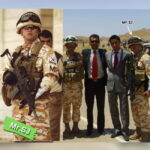
- Retired-officer storytelling that sticks: guides include Agent SJ (Special Forces Major, Iraq war veteran with 707 Battalion), Agent Tiger (former artillery commander with 20+ years on the front line), and Agent Eddie (infiltration tunnel expert who briefed U.S. and Korean brass).
- A real-world view strategy: each morning the team checks weather, visibility, and live CCTV to pick Odusan or Dora Observatory for that day.
- The Third Tunnel is the star for many people: a tight walking section with reported dimensions around 1.95 m high and 2.1 m wide.
- You get symbolism and history, not only viewpoints: Bridge of Freedom, Mangbaedan, and the steam locomotive at Jangdan Station of the Gyeongui Line.
- Short on paper, longer in real time: it’s about 6–7 hours including bus travel.
- No shopping focus: the day is built around border sites and viewpoints, not stops designed to sell stuff.
Why This DMZ Tour Feels Like a Briefing, Not a Bus Ride
This is the kind of tour where you’re not treated like you’re just collecting photos. The tour’s biggest strength is the guide format: retired military officers who can explain what matters and why, as you move from place to place.
I also like that the day has a practical goal. The organizers don’t just say you’ll see North Korea. They decide where your eyes will have the clearest shot that day, then build the route around it.
If you’re the type who wants “here’s what you’re looking at, and here’s what it means,” this works well. If you’re hoping for a relaxed scenic drive with minimal thinking, you might find the structure a bit intense.
You can also read our reviews of more tours and experiences in Seoul
Price and Value at $45: What You Actually Get
At $45 per person, this feels aimed at value rather than souvenirs. You’re paying for roundtrip transfer, a licensed guide, admission fees, and an observatory ticket (either Odusan or Dora), which is usually where DMZ tours can quietly add up.
Also, it’s described as a half-day outing but runs about 6–7 hours once you count bus time. That’s not a bad thing if you’re prepared, but it changes how you plan the rest of your trip.
You’ll also get a mobile ticket, and there’s mention of group discounts. For groups of 10+, the tour includes free hotel pick-up, which can make the experience smoother if you’re traveling with others.
For me, the value case is simple: you’re getting the border sites plus the admissions, and the guide team is the main reason people talk about this tour so often.
How the Day Really Flows: Timing, Checkpoints, and Weather
Expect a structured timeline. The tour is designed around getting you through the process at the border area and still reaching the observatory that offers the best visibility.
The day can shift due to military training schedules, traffic, or weather. That’s not a minor detail here—it’s part of how the DMZ operates, and it’s why the observatory choice is made with visibility and live monitoring in mind.
Pack for a day outdoors. Even if the tour is “half-day,” you’ll stand, walk, and wait in lines. If you’re sensitive to cold or heat, bring layers so you’re not uncomfortable during the ID checks and observation time.
Also, bring your current valid passport. That’s not optional for this kind of day, and the checkpoint steps are built into the start of the experience.
Stop 1: DMZ Entrance With ID Checks, Bridge of Freedom, and Mangbaedan
The day begins with the transition into the DMZ area, including an ID check before you go deeper. This part sets the tone: it’s controlled, official, and focused on safety and procedure, not casual tourism.
Before you move on, you’ll look through key symbolic points tied to the Korean War era. You’ll pass by or get views oriented toward the Bridge of Freedom and the Mangbaedan Altar area tied to the war and its aftermath.
This is a meaningful start because it frames what comes later. You’ll understand that the DMZ isn’t only about military lines—it’s also about families separated, promises broken, and a border that shapes daily life.
A practical consideration: this segment is often where your patience matters most. Lines and checks can’t be rushed, so I’d keep your mindset set to “process first, photos after.”
Stop 2: The Third Tunnel Walk—Tight Space, Big Stakes
If you want one moment that gives you a visceral feel for division, it’s usually the Third Tunnel. This is a walking course inside the tunnel area, and the tour highlights its reported tight dimensions, including about 1.95 m high and 2.1 m wide.
The time here is about 40 minutes, and it’s the kind of stop that can surprise you even if you’ve read about the DMZ before. You’re going from a normal tour bus mindset into a controlled, close-quarter space where the physical environment forces you to notice scale.
Moderate fitness is recommended, and that makes sense for a tunnel walk. If you’re claustrophobic, this might be challenging. If you’re comfortable in tight, dim spaces, you’ll likely get more out of the experience.
One useful tip: treat the tunnel as an explanation room. Let the guide’s context do the heavy lifting. The tunnel is impressive, but the meaning sticks when it’s connected to what the DMZ represents strategically.



Stop 3: Dora Observatory for Wide Views Toward North Korea
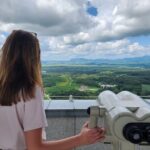
Dora Observatory is a major part of the tour’s view plan. It’s described as the northern-most point of the western front, and it’s where you can look toward North Korean territory for real sights.
What you’re aiming to see includes the Gaeseong Industrial Complex and Songhaksan Mountain in a single viewing perspective. That combination is part of why people care about picking Dora on the right weather day.
How to think about Dora: it’s not just “a place to see far away.” It’s one of the best attempts at understanding the geography of division from the South side. You’ll get a sense of how close and how far at the same time.
The key variable is visibility. If air clarity isn’t great, your view may be softer. That’s why the tour makes the Odusan vs Dora decision based on the morning conditions.
The Human Side: Mangbaedan Stops and Why Facing North Matters
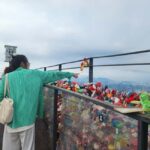
You’ll encounter Mangbaedan as a symbolic altar where separated families pay tribute to ancestors, facing north across the DMZ. It’s included as a stop with admission noted as free.
Even if you’re not someone who usually seeks memorial sites, this part changes how the rest of the day lands. The DMZ can feel abstract when it’s only a boundary on a map. These moments bring it back to people.
This is also one of the easiest stops to overrun if you’re rushing for photos. Slow down here. Let the guide explain what the altar represents before you move on.
In a day full of military history and observing lines, it’s the reminder that the border affects families long after the fighting ended.
Stop 5: Jangdan Station Steam Locomotive and the Gyeongui Line Story
The tour includes a short look at the steam locomotive at Jangdan Station of the Gyeongui Line. It was destroyed by U.S. forces during the Korean War in 1950 to block the Chinese advance while transporting UN supplies northward.
This locomotive matters because it’s a physical reminder of how transportation and logistics were part of the conflict. It’s not only tanks and tunnels. It’s rail lines, supply routes, and control of movement.
You’ll spend a short amount of time here. That’s typical for border-day tours, but it can still be memorable if you connect it to the rest of the day’s theme: the division of systems, not just land.
If you enjoy war history that connects tactics to everyday infrastructure, this is a good stop.
Stop 7: Odusan Unification Observation Deck for the Closest Look From Seoul
Odusan is the alternative observatory option, and it comes with a key pitch: it’s about 2 km from North Korea. The tour also notes it’s one of the closest points from Seoul where you can clearly view North Korea with your own eyes.
Odusan is the stop you’d hope for when conditions are right and you want closeness in your line of sight. Like Dora, you’ll get the observatory time with the guide explaining what you’re looking at and how to interpret distance.
The day-of method matters here too. The organizers choose the observatory that day for best visibility, so your plan shouldn’t be just “I want Dora.” It should be “I want the clearest view that the day offers.”
The Best Part: Real Q&A and Personal War Context From the Guide
One of the most praised elements is the guide format itself. You’ll hear detailed explanations of what you see, and the guide is there to answer questions in plain language, not just facts thrown out for memorization.
Different retired officers are part of the tour concept. For example, Agent SJ is described with Special Forces background and Iraq war experience (707 Battalion). Agent Eddie is described as an infiltration tunnel expert who has briefed U.S. and Korean brass. Agent Tiger is described as a former artillery commander with more than 20 years on the front line.
Other guides named in the guide rotation include Julie, Dylan, and Jay, and the consistent theme is that they keep the bus ride active with context and humor. That matters because this day is long and structured—an engaging guide turns the time into learning rather than waiting.
For you, the take-home is simple. Go in with questions. Ask things like what a specific structure or viewpoint is meant to show, and how the geography affects what each side could do. The guide approach here is built to handle those questions.
What to Expect From the Group Experience (Private, But Not Isolated)
This is described as a private tour/activity, meaning only your group participates. That can help the day feel more personal, even though it still operates under strict procedures.
The tour is also “compact yet powerful.” Translation: fewer distractions, more time on border sites and viewpoints. You won’t be spending the day on shopping detours, which is a relief if you’ve done other DMZ outings that feel like a sales circuit.
Group size can influence how much question time you get. If you’re traveling with friends or family, you’ll probably get more back-and-forth during the observatory and tunnel segments.
If you’re traveling solo, this kind of tour can still feel worth it if you want guided structure and a strong narrative line for the day.
Practical Tips That Make This Day Easier
You won’t need fancy travel skills, but a few basics help.
First, wear shoes you can walk in comfortably. You’ll do steps at checkpoints and a tunnel walk where footing and posture matter.
Second, bring something light for the day even if lunch isn’t included. Lunch isn’t listed as included, so plan a meal before or after depending on your schedule.
Third, treat visibility as part of the itinerary. The tour’s observatory choice is based on morning conditions, so if the sky is hazy, your view might not be as crisp as you hoped.
Finally, don’t overpack your expectations. The DMZ isn’t built to feel like a theme park. It’s closer to a guided briefing on a real, tense political reality.
Should You Book This PLK Travel Half-Day DMZ Tour?
I’d book this if you want a DMZ outing with real officer-level perspective and a strong emphasis on understanding what you’re seeing. The retired military officer guides and the day-of observatory selection are the two biggest reasons it feels different from a generic border tour.
You should also book it if you care about efficiency—this day is described as skipping the fluff, with no shopping focus and a route aimed at border highlights.
I’d hesitate only if you hate structured schedules, dislike tight indoor spaces, or rely on consistently clear visibility for good photos. Since the tour depends on weather and live conditions, you’re taking a small gamble—but the organizers are actively managing that gamble by choosing the best view option that day.
If your goal is to leave Seoul with a stronger understanding of Korea’s division, plus a tunnel experience that actually hits, this tour is a solid choice.

![[Private] DMZ & Imjingak Peace Gondola Experience Inter-Korean War - Dora Observatory and Dorasan Station: the viewing windows are the point](https://2.letsgoseoul.com/wp-content/uploads/private-dmz-imjingak-peace-gondola-experience-inter-korean-war-400x267.jpg)