REVIEW · SEOUL
Traditional Gourmet
Book on Viator →Operated by Gastro Tour Seoul · Bookable on Viator
Three hours, one hungry shortcut through Seoul.
This Traditional Gourmet walk is built for first-timers who want real Korean food without fumbling menus, and it starts in Bukchon where history and everyday life sit side by side.
I especially like the Hanok-house lunch plus coffee or tea, because the meal isn’t just food. It’s part of the experience. The other thing I like is the guide who helps you get around the language barrier with personalized food recommendations and even eating-etiquette basics.
One thing to consider: this is on foot with a moderate walking pace, so comfortable shoes matter, especially in rainy or very warm weather.
In This Review
- Key points to know before you go
- Bukchon is your tasting map, not just pretty houses
- Meet your guide: food language help and personal picks
- Hanok lunch: the real core of the $120 value
- Walking Stop 1 in Bukchon: hanok streets, workshops, and real texture
- Walking Stop 2: House of Baek Inje and preservation you can picture
- Walking Stop 3: Yun Bo-seon’s birthplace and a rare large hanok
- Tea, pacing, and that street-food sweetness habit
- Price and logistics: what you get, what you pay for
- What to wear and how to keep it comfortable
- Who should book this Traditional Gourmet tour
- Should you book Traditional Gourmet in Seoul’s Bukchon?
- FAQ
- FAQ
- How long is the Traditional Gourmet tour?
- Where does the tour start in Seoul?
- What is included in the price?
- Is lunch served at a traditional Korean house?
- Can I request a vegetarian option?
- Does the tour run in all weather?
- Is transportation included from my hotel?
- What’s the walking like?
- Can solo travelers join the tour?
- What is the cancellation policy?
Key points to know before you go
- Hanok-house lunch: Traditional Korean dishes served in a hanok setting, included in the price
- Language support: Get food recommendations that work even if your Korean is limited
- Bukchon context: Walk through an area many visitors skip because it takes time to understand
- Small group size: Maximum 12 people, so the tour doesn’t feel like a cattle call
- Tea stop included: A final sit-down that keeps you fueled for the rest of your day
Bukchon is your tasting map, not just pretty houses
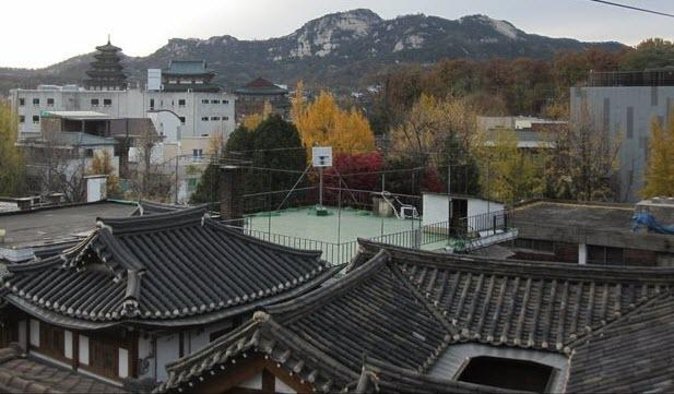
If you’re coming to Seoul for the first time, it’s easy to focus on the “big names” and miss the neighborhoods where food culture actually lives. This tour puts you in Bukchon, an area filled with traditional hanok houses, small workshops, and shops—exactly the kind of place where the right guide can turn a casual walk into a meaningful food story.
What makes this plan work is the mix of old-world setting and very practical eating help. You’re not just looking; you’re learning what to eat, how to eat it, and how to make sense of Korean dining culture while you’re in it.
And because the tour is short—about 3 hours—it fits neatly into a first week itinerary without wrecking your day.
You can also read our reviews of more tours and experiences in Seoul.



Meet your guide: food language help and personal picks
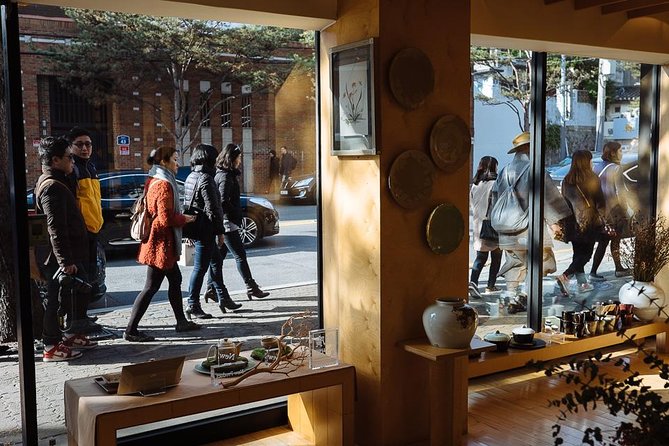
A food tour only really helps if you can order with confidence. Here, the big advantage is simple: you get a professional guide who helps you overcome the language barrier.
That means you’re not stuck translating everything word-for-word or guessing what dish is worth your money. Instead, you’ll receive personalized recommendations for what to try and where to focus your attention. This matters in Korea because the “same-looking” menu items can have different flavor styles, and the best choice often depends on what you like and what’s in season.
One guide name that comes up in the experience details is Veronica. Guests describe her as friendly and strong on both food culture and practical guidance. Even when lunch and the tea house are doing their jobs, it’s the guide who helps you connect the dots—like eating etiquette and how to recognize quality food products later, when you’re shopping on your own.
Hanok lunch: the real core of the $120 value
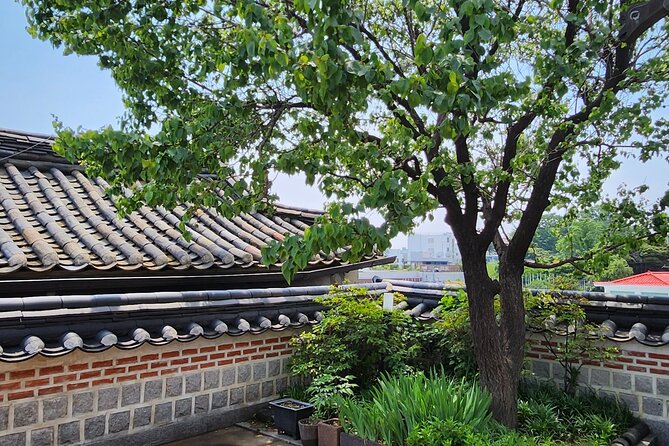
Let’s talk money for a second. At $120 per person for roughly 3 hours, it’s not the cheapest thing you can book. But it’s also not just a “walk and snack” deal.
Your price includes:
- A professional guide
- Lunch: authentic traditional Korean dishes prepared in a hanok traditional house
- Coffee and/or tea
That combination is the value engine. Lunch is the hardest part to solve as a visitor. It’s where language issues usually hit hardest, and it’s where you can waste time chasing a place that looks good but isn’t right for what you want.
In fact, one of the most memorable surprises shared in the experience details is that the sit-down lunch has even landed at a Michelin restaurant for at least one group. That’s not something you should assume will happen every time—but it’s a strong signal that the lunch stop is taken seriously.
Also, because the lunch is tied to a hanok setting, it’s not only about taste. You get a sense of how traditional Korean home life connects to meals and hospitality.
Walking Stop 1 in Bukchon: hanok streets, workshops, and real texture
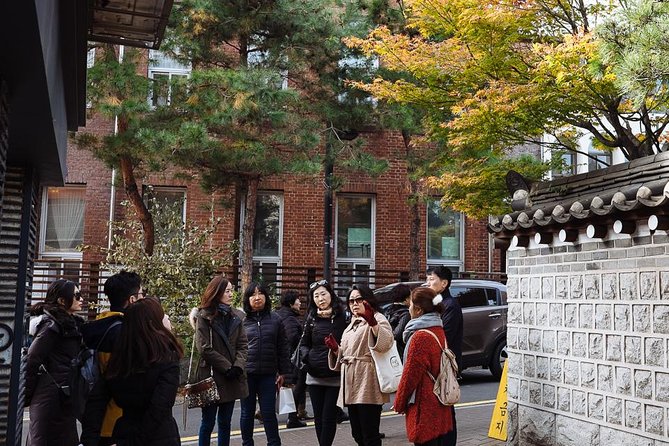
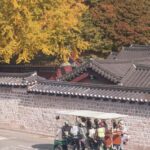
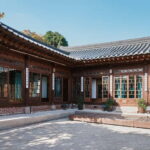
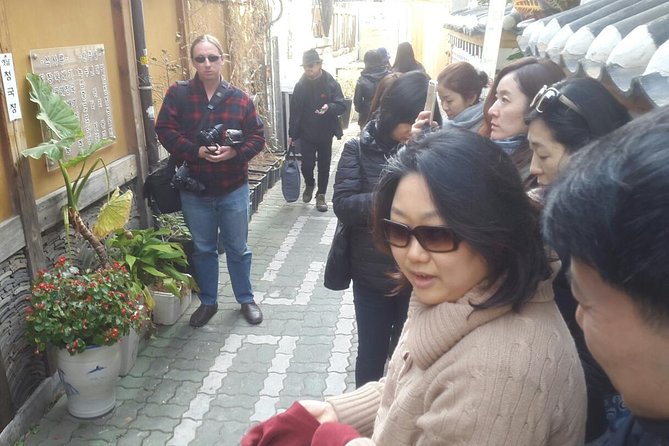
The first part of the tour focuses on Bukchon Hanok Village, with about 1 hour 30 minutes for walking time. This is the heart of the neighborhood’s traditional streetscape, where old houses line up in a way that’s hard to replicate in other parts of Seoul.
What I like about starting here is that it sets the tone quickly. Before you start thinking about what to eat, you get oriented in the area—how the streets feel, what the architecture looks like up close, and what kinds of small businesses operate in the neighborhood.
You’ll also see workshops and shops built into the traditional-style setting. That matters because it helps you understand the area isn’t just a photo spot. It’s a living district where people work, sell, and maintain craft.
One practical note: you’ll be walking, so if you’re hoping to do this in the same day as another big sightseeing block, plan your schedule with breaks in mind. The tour duration is short, but the walking is real.
Walking Stop 2: House of Baek Inje and preservation you can picture
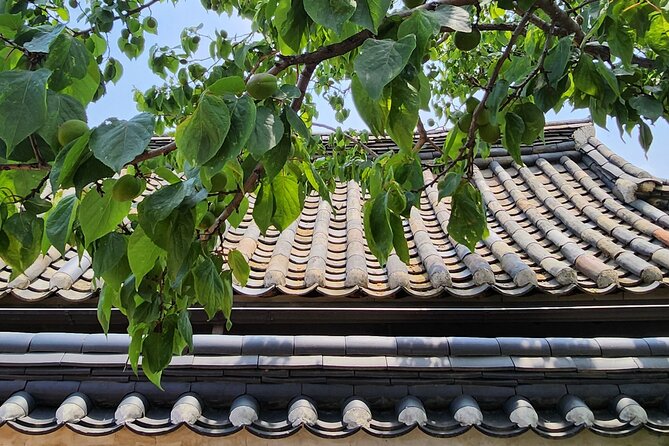
Next comes the House of Baek Inje, a hanok built around 1900. The emphasis here is on preservation and historical value. This building is described as using the best technology of its time, and it was known as the home of a powerful family in its day.
For me, this stop is where the “food tour” label quietly expands. You start to see why meals and kitchens in traditional homes mattered, and why hanok buildings are about more than aesthetics. When you see a hanok designed with its era’s engineering choices, it becomes easier to respect the traditional Korean approach to living—especially when lunch is also part of a hanok setting.
Even if architecture isn’t your main interest, you’ll probably appreciate the human story angle: a private home that once belonged to someone influential, now preserved enough for you to experience it today.
The visit time is about 30 minutes, with admission indicated as free for this stop.



Walking Stop 3: Yun Bo-seon’s birthplace and a rare large hanok
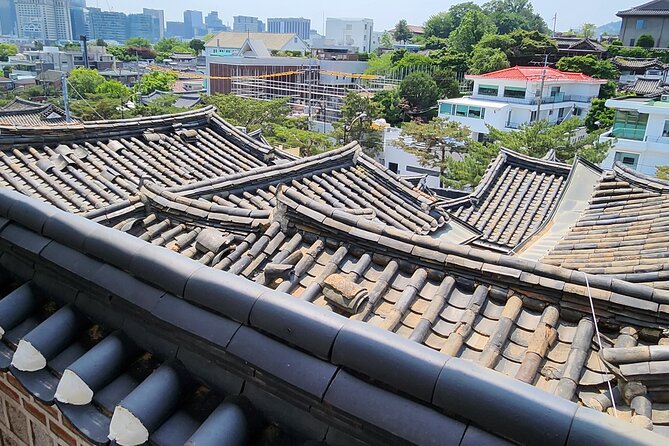
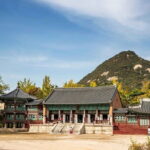
The tour’s final main stop highlights the birthplace of Korea’s second president, Yun Bo-seon. This location is noted for being a well-built hanok mansion that’s rare in Seoul, and it’s also described as large.
That combination—rarity plus size—changes what you notice when you look around. Smaller hanoks can feel like intimate snapshots. Larger ones feel like institutions, almost like a center of household organization. And because the granddaughter-in-law currently lives there, you’re not just seeing a museum-like building. You’re seeing a traditional residence with continuity.
This stop is a smart way to end the walking portion because it puts the neighborhood back in a broader national context. You’re still in Bukchon, still looking at traditional houses—but now you understand why certain homes mattered beyond their walls.
Tea, pacing, and that street-food sweetness habit
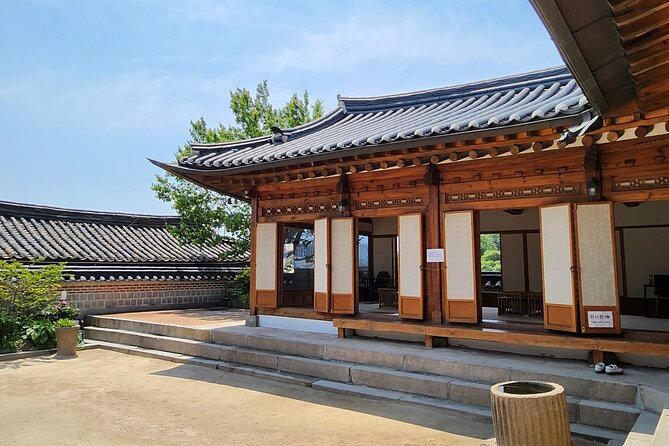
After you finish the main sights, you’re set up for the food portion to keep going. Your tour includes coffee and/or tea, and the tour format usually brings you into a sit-down tea stop atmosphere where you can slow down.
In the experience details, one memorable flow is: lunch, then a walk for a street-food dessert that was freshly made and delicious. That sort of add-on is exactly the kind of thing a guide can handle—because street food ordering gets easier when someone knows what to point at and how to guide you.
Even without assuming that specific dessert stop will happen every time, plan on this mindset: tea and optional sweet moments are part of how Korean meals often finish. You’ll leave less likely to crash later.
Also, alcohol isn’t included (it’s available to purchase), so if you want something with your tea or meal, you’ll be making that choice yourself.
Price and logistics: what you get, what you pay for
Here’s the clean breakdown.
You pay $120 per person. In return, you get:
- 3 hours approx with a professional guide
- Traditional hanok lunch plus coffee and/or tea
- A small group (maximum 12)
What you don’t pay for:
- Transportation to or from the sights
- Extra food and drinks
- Alcoholic drinks (not included)
Your meeting point is 164-6 Anguk-dong, Jongno District, Seoul and the tour ends back at the meeting point. There’s also a note that it’s near public transportation, and the tour uses a mobile ticket.
One more value factor that’s easy to miss: this tour is often booked ahead. The average booking lead time listed is 71 days. That suggests it’s popular, so if you’re traveling during peak season or on weekends, I’d treat it like a “book early” activity, not a last-minute idea.
What to wear and how to keep it comfortable
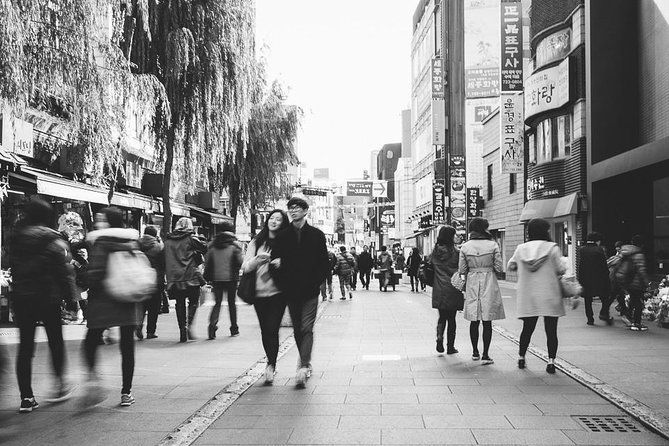
This is an on-foot experience with moderate physical fitness suggested. That means you don’t need to be an athlete—but you should expect steady walking.
Bring:
- Comfortable walking shoes (seriously)
- Weather-appropriate layers, because it operates in all weather conditions
If you’re traveling with someone who hates walking or you’re doing this while recovering from jet lag, you might want to set expectations. The tour is short, but it’s not a sit-in-a-car tour.
Also, if you have dietary needs, you should know a vegetarian option is available if you request it at booking.
Who should book this Traditional Gourmet tour
This tour is a great fit if:
- You want Korean food context, not just a list of dishes
- You feel stuck when you can’t read menus confidently
- You like mixing food with neighborhood walking, especially in traditional areas like Bukchon
- You prefer small groups and a guide who can adapt to questions
It’s also a good choice for first-time Seoul visitors because the whole point is getting you oriented on a side of the city that can be overlooked if you only chase landmark stops.
If you’re traveling solo, there’s an important detail: there’s a minimum of 2 people required, but solo travelers can contact the provider individually to see if they can join.
Should you book Traditional Gourmet in Seoul’s Bukchon?
Book it if you want a practical food education wrapped in a traditional neighborhood walk—and you like the idea of getting help ordering and understanding eating etiquette. The included lunch in a hanok house is the main reason this feels worth the price, and the guide support is what makes it work even if Korean isn’t your strength.
Skip it (or swap to something else) if you hate walking, or if you’re already fully confident navigating Korean menus and dining culture on your own. This tour’s strength is guidance plus structure, not total freedom.
FAQ
FAQ
How long is the Traditional Gourmet tour?
It runs for about 3 hours.
Where does the tour start in Seoul?
The meeting point is 164-6 Anguk-dong, Jongno District, Seoul, South Korea.
What is included in the price?
The tour includes a professional guide, lunch (authentic traditional Korean dishes in a hanok), and coffee and/or tea.
Is lunch served at a traditional Korean house?
Yes. Lunch is prepared in a Traditional Korean House called Hanok, and it’s included.
Can I request a vegetarian option?
Yes. A vegetarian option is available if you advise the provider when booking.
Does the tour run in all weather?
Yes, it operates in all weather conditions, so you should dress appropriately.
Is transportation included from my hotel?
No. Transportation to and from the attractions isn’t included, and there is no hotel pickup or drop-off.
What’s the walking like?
The tour is on foot with a moderate physical fitness level suggested. Comfortable walking shoes are recommended.
Can solo travelers join the tour?
A minimum of 2 people is required per booking. Solo travelers should contact the provider individually.
What is the cancellation policy?
Free cancellation is available up to 24 hours in advance for a full refund. If you cancel less than 24 hours before the start time, the amount paid is not refunded.