REVIEW · SEOUL
Makgeolli Brewing Class
Book on Viator →Operated by The Sool Company · Bookable on Viator
Milky wine, made hands-on. I love that this workshop happens at a working makgeolli brewery in Hyehwa, so you learn from people doing the craft day after day. You also use a mobile ticket, which keeps check-in smooth.
My second favorite part is the teaching pace. You go through the process step by step, including washing rice and the final filtering stage, then you taste what you’ve helped create.
One consideration: it’s a tight 2 hours 30 minutes, and alcohol tasting is part of the experience, so plan your evening around a slightly focused schedule.
In This Review
- Quick Hits Before You Go
- Meeting at 229 Changgyeonggung-ro: Getting Oriented Fast
- Inside the Brewery: What You’ll Actually Make
- From Washing Rice to Filtering: The Core Brewing Lessons
- Sool, Fermentation, and Cultural Context That Doesn’t Feel Like Homework
- Tasting Session: Learning by Sampling
- Your Take-Home Makgeolli: Kit or Bottle Choice
- The Shop After Class: Drinks Across South Korea
- Price and Value: Is $75 Worth It?
- Who This Class Suits Best (and Who Might Want Something Else)
- Should You Book This Makgeolli Brewing Class in Hyehwa?
- FAQ
- What is the duration of the makgeolli brewing class?
- How much does it cost?
- What do I get to take home?
- Is there alcohol tasting in the class?
- Where do I meet for the class?
- How big is the group?
- Can I cancel for a refund?
Quick Hits Before You Go
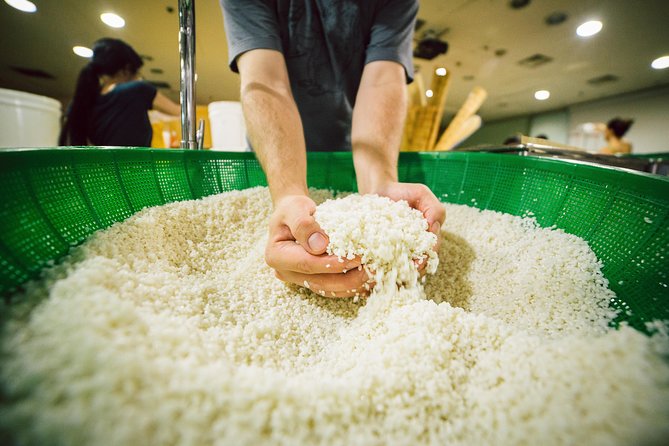
- Step-by-step brewing: from washing rice to the filtering process
- Real tasting + practical instructions: you sample makgeolli as you learn
- Industry-led guidance: taught by specialists with years in the Korean alcohol scene
- Two take-home options: either a kit to brew again or a bottle of makgeolli
- Bonus shop visit in the same area: grab a few alcohol picks from across South Korea
- Small group size: up to 20 people, so questions don’t get lost
Meeting at 229 Changgyeonggung-ro: Getting Oriented Fast
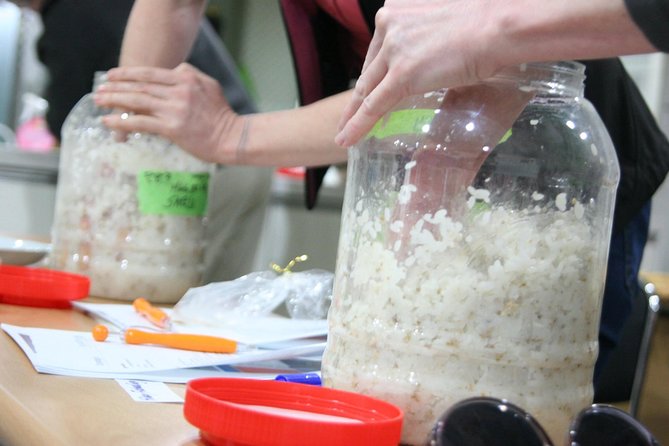
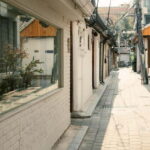
Your day starts at a clear meeting point: 2nd floor, 229 Changgyeonggung-ro, Jongno District, Seoul. The class begins at 1:00 pm, and the whole activity runs about 2 hours 30 minutes.
For planning, I like that it’s near public transportation. That means you can slot it into an afternoon without treating Seoul like a guessing game. It’s also capped at 20 travelers, which usually translates to more time with the instructor and less “watch from the sidelines” energy.
Once you’re inside, you’re not just learning about makgeolli on paper. The fact it’s a fully functional brewery matters. You’re standing in the place where fermentation and brewing logistics actually happen—so the steps you’re taught make practical sense right away.
You can also read our reviews of more tours and experiences in Seoul
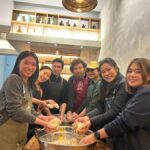
Inside the Brewery: What You’ll Actually Make
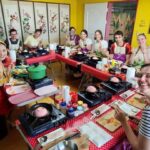
This is a hands-on makgeolli brewing class focused on how Korean rice wine works. You’ll learn the fundamentals with a practical, do-it-with-your-hands approach.
Expect an experience that follows a real brewing flow. They take you from early stages like washing rice through later stages like the final filtering process. That end-to-end structure is one of the reasons this works so well: you don’t just taste and leave. You understand what comes before the drink, and why those steps matter.
You’ll also cover different types of sool and fermentation techniques that make Korean alcohol special. The goal is simple: when you leave, you’re not just saying you had fun. You’re leaving with the knowledge to make makgeolli at home.
From Washing Rice to Filtering: The Core Brewing Lessons
If you care about food technique, this part is the heart of the class. The session walks you through major brewing stages in a logical order, so you can connect cause and effect.
Here’s what you’ll work through:
- Washing rice as an early step, before fermentation becomes the main event
- Progressing through the process with guidance from the brewery specialists
- Reaching the filtering stage, which is key to that milky texture people love
I like that they don’t skip the “messy middle.” Some alcohol classes show you the glamour step—then you’re gone. Here, the emphasis is on the practical workflow. You’ll get a feel for what each stage tries to accomplish, and that makes it much easier to repeat later.
If you’ve ever wondered why home brewing instructions can look intimidating, this class helps you translate them into human-sized steps. You get a sense of rhythm: you’re not just collecting tips, you’re building a sequence.
Sool, Fermentation, and Cultural Context That Doesn’t Feel Like Homework
Makgeolli is more than a drink, and the class treats it that way. It includes history alongside alcohol tasting and practical instruction.
That mix is smart. History alone can turn into lecture mode. Practical instruction alone can feel like a recipe without meaning. Here, the cultural context supports the technical steps—so when you hear about sool and fermentation techniques, it clicks as part of why the drink exists in the first place.
Also, I appreciate that they talk about fermentation techniques as techniques, not as magic. You’re not expected to become a fermentation scientist. Instead, you learn enough to follow the process responsibly and confidently later.
Tasting Session: Learning by Sampling
You’ll taste makgeolli before you finalize the practical part and create your own. That’s a great teaching tool because it gives you a reference point. You can associate flavor and texture with what the class is doing in real time.
Alcohol tasting is included in the overall experience, which is part of the fun. It’s also why timing matters. This workshop is planned as a full arc, not a quick “try one sip and go.”
From the way instructors are described, you can expect room for questions and explanations at a slow enough pace to actually absorb things. Names that show up in participant feedback include Omar and Inji. One note that stands out is how much time the instructors take to answer questions and how detail-focused Inji’s guidance is.
That kind of attention matters for something like brewing, where tiny differences in steps can change outcomes at home.
You can also read our reviews of more tours and experiences in Seoul


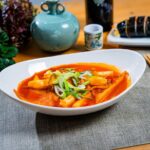


Your Take-Home Makgeolli: Kit or Bottle Choice
At the end, you get an option that fits two different travel styles.
You can either:
- Take home an ingredient kit to create your own brew later, or
- Take away a bottle of makgeolli
This is a big value point. The class isn’t only about what you learn in the moment. It gives you a way to extend the experience into your own kitchen—or at least bring a taste home if you prefer the drink without extra cooking work.
Which should you choose? Here’s how I’d decide:
- Pick the kit if you want the satisfaction of repeating the process and you like home projects.
- Pick the bottle if you want an easy souvenir that still connects you to what you learned.
Either way, you leave understanding the method, not just the result.
The Shop After Class: Drinks Across South Korea
After the brewing portion, you’ll visit the shop area for alcoholic drinks from across South Korea. Think of it as a chance to expand your palate beyond one style of sool.
I like this add-on because it turns the class into a doorway, not an endpoint. Once you start to understand makgeolli, it’s easier to appreciate what other regional drinks are offering—both in flavor and in cultural context.
One practical note: since the workshop is about 2.5 hours total, don’t assume you’ll have unlimited time in the shop. Treat it as a bonus stop. If there’s something you especially want, be ready to pick it up promptly.
Price and Value: Is $75 Worth It?
At $75 per person, this isn’t a budget activity, but it also isn’t just a tasting event.
You’re paying for:
- Hands-on brewing instruction through major stages like washing rice and filtering
- History and fermentation technique teaching, not just a recipe
- Tasting as part of the learning flow
- A take-home option (either an ingredient kit or a bottle)
- A small group format capped at 20 people
So the value comes from coverage. Two and a half hours inside a functional brewery, plus tasting and a take-home souvenir, can be a strong deal compared to paying separately for a class and then separately buying a bottle and ingredients later.
If your goal is pure nightlife or bar-hopping, this might feel more “workshop” than “party.” If your goal is a skill you can practice at home—or at least a deeper understanding of makgeolli—then $75 starts to make sense fast.
Who This Class Suits Best (and Who Might Want Something Else)
This works especially well if you:
- Enjoy hands-on experiences more than lectures
- Want a practical food-and-drink skill you can repeat
- Like Korean culture but prefer it tied to real food processes
- Want a Seoul activity that’s small-group and question-friendly
It may be less ideal if you:
- Want a super-flexible schedule with lots of free time built in
- Don’t want alcohol tasting as part of the experience
Because the group size is limited and the steps are structured, the class rewards people who enjoy following a workflow and asking questions.
Should You Book This Makgeolli Brewing Class in Hyehwa?
Yes, if you want an experience that gives you both story and technique. The strongest reasons to book are the end-to-end brewing focus (washing rice to filtering), the inclusion of tasting, and the fact you leave with either a kit or a bottle. That take-home option turns the class into something you can extend, rather than something you quickly forget.
Book it if you like learning by doing and you appreciate a structured approach. The small group limit also helps you get real answers, not just general tips. If you’re the kind of traveler who wants your souvenir to mean something, this is a solid pick.
FAQ
What is the duration of the makgeolli brewing class?
It lasts about 2 hours 30 minutes.
How much does it cost?
The price is $75.00 per person.
What do I get to take home?
You can choose either a take-home ingredient kit to make makgeolli at home or a bottle of makgeolli.
Is there alcohol tasting in the class?
Yes. The experience includes alcohol tasting as part of the workshop.
Where do I meet for the class?
Meet at 2nd floor, 229 Changgyeonggung-ro, Jongno District, Seoul, South Korea.
How big is the group?
The maximum group size is 20 travelers.
Can I cancel for a refund?
You can cancel up to 24 hours in advance for a full refund.