REVIEW · SEOUL
Seoul: Deoksugung Palace Heritage Walking Tour
Book on GetYourGuide →Operated by S.A. Seoul · Bookable on GetYourGuide
Seoul history works best when it comes with street-level context. This Deoksugung Palace walking tour stitches together late Joseon palace life, Korea opening to the world, and the modern city vibe around City Hall. You’ll follow expert English-speaking guides who turn monuments and backstreets into stories you can actually place in your mind.
I especially like the way the route connects Korean and Western threads in one continuous walk. The guide line through Jeongdong-gil covers major institutions and embassies—like Paichai Academy, Chungdong First Methodist Church, the Russian Embassy, and Gyeonggyojang—and it doesn’t feel like a random list. One practical note: this is a real walking tour, so plan for roughly three hours on foot and bring comfortable shoes.
In This Review
- Key highlights worth your attention
- A 3-hour loop from City Hall to Cheonggyecheon-ro
- Deoksugung Palace: Joseon power and the 1592 turning point
- Jeongdong-gil: a street where Korea meets Western institutions
- Donuimun Museum Village: Seoul houses preserved from the 1900s to the 1980s
- Gwanghwamun Square: the government corridor and the stories behind monuments
- Cheonggyecheon: from drainage ditch to a gentle city walk
- Who the guide style fits best (and why it matters)
- Price and value: what $56 buys you in real-world terms
- Small logistics that affect your comfort
- Best for whom: the sweet spot of this walking tour
- Should you book this Deoksugung Palace Heritage Walking Tour?
- FAQ
- How long is the Seoul Deoksugung Palace Heritage Walking Tour?
- Where do I meet the guide?
- What’s included in the price?
- Which entrance tickets are included?
- Is it a walking tour?
- Are there private group options?
- What’s not included?
Key highlights worth your attention
- Deoksugung Palace: Joseon-era power, including how it shifted into a principal palace during the 1592 Japanese invasion
- Jeongdong-gil history trail: missionary institutions and foreign embassies, with stops tied to specific sites
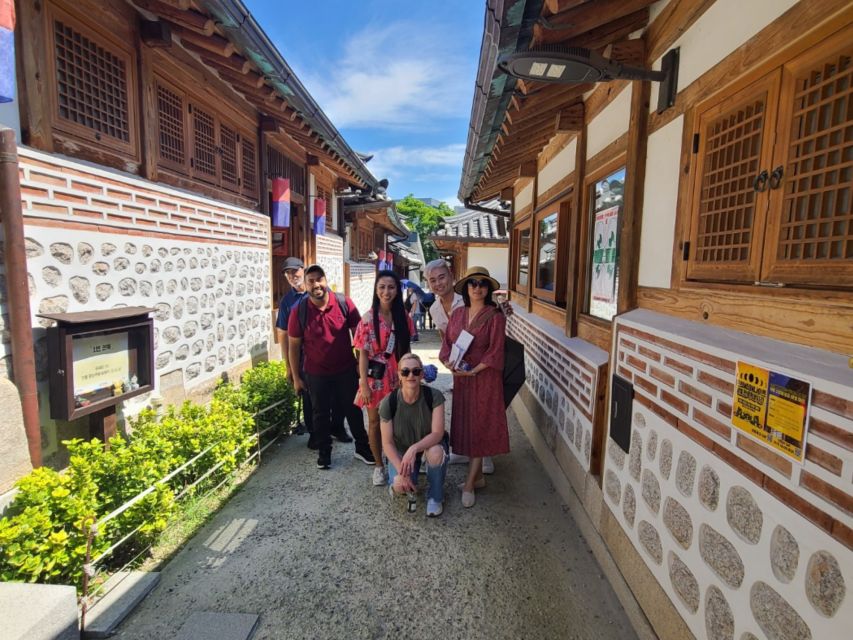
- Donuimun Museum Village: preserved Saemunan houses spanning homes from the 1900s through the 1980s
- Gwanghwamun Square monuments: the stories behind major statues and what they represent in Korea’s journey
- Cheonggyecheon stream walk: a pleasant stroll along a redeveloped waterway known for sculptures and cafés
A 3-hour loop from City Hall to Cheonggyecheon-ro
This tour is set up like a focused “greatest-hits” walk for Seoul’s older core, without feeling like it’s cramming too much. You start at City Hall Station (Exit 2), meeting in front of the Deoksugung Palace ticket office, then you slowly work your way from palace grounds into the surrounding historic streets and onward toward Gwanghwamun Square and Cheonggyecheon.
The pacing is practical: the schedule includes a short café break, and the walking segments are spaced out so you’re not just marching nonstop. You also get pre-booked tickets for Deoksugung Palace and Donuimun Museum Village, which helps you avoid the usual “what line is this?” moments.
The main downside is also the obvious one: this is not a sit-and-listen tour. If your legs tire easily, the route can feel like more than three hours on a calendar. Still, the segments are short enough that you can manage it with a good pace and that scheduled coffee stop.
If you want control, you can choose a private group option. If you like meeting other people and bouncing questions off the guide, the group format is the better fit.
You can also read our reviews of more walking tours in Seoul
Deoksugung Palace: Joseon power and the 1592 turning point
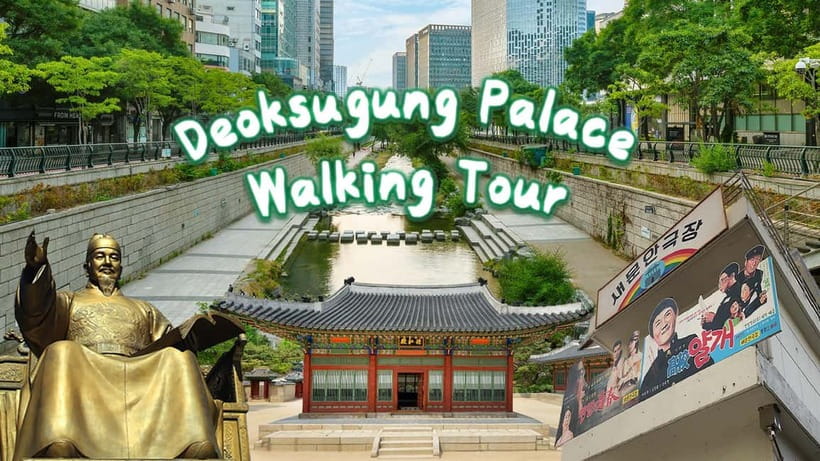
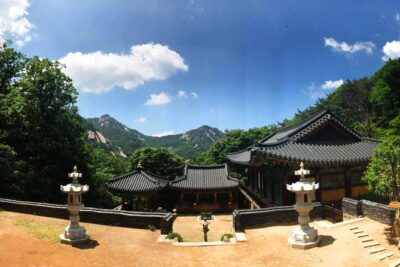
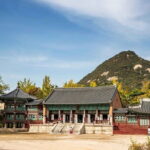
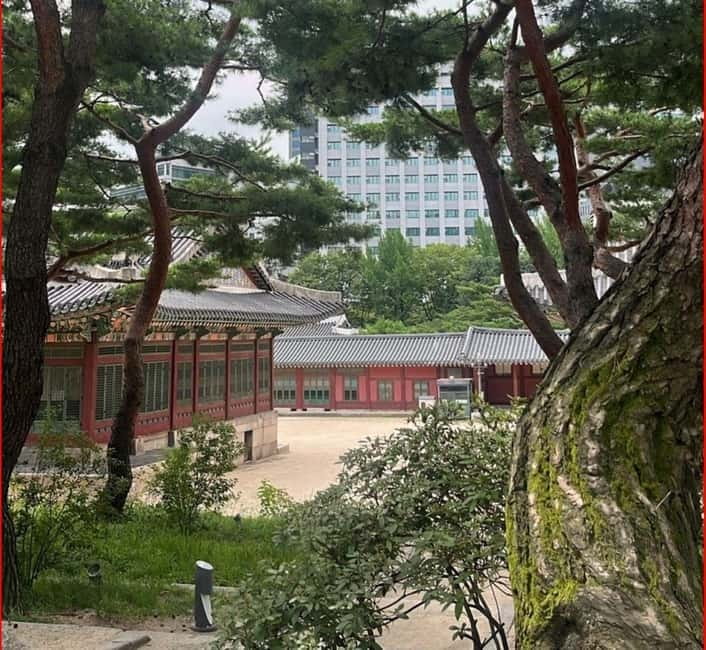
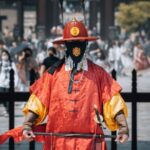
Deoksugung Palace is the anchor of the whole experience, and it’s more interesting than its role as a “pretty palace” suggests. The tour frames it through the late 14th century origins and the Joseon Dynasty’s longer arc—then brings you to the moment when the palace’s status changed during the Japanese invasion of 1592. That historical pivot matters because it explains why the site feels layered: it wasn’t only ceremonial. It was connected to real political and military shifts.
I like the way the guide’s approach turns architecture and grounds into a timeline you can follow. You’re not just looking at gates and walls—you’re learning how a royal relative’s residence evolved into a major palace, and how that legacy shaped what you see now.
Practical tip: palaces can involve uneven surfaces, and your time inside is part of that guided plan (about 45 minutes at Deoksugung). You’ll get more out of it if you wear shoes you can trust for long steps and quick turns.
Also, keep in mind that Deoksugung is only one stop in a larger walk. So if you love palace details and want lingering photos, you might feel slightly time-compressed. The tradeoff is you’ll still leave with a broader sense of how the area connects to the city’s foreign-contact story.
Jeongdong-gil: a street where Korea meets Western institutions
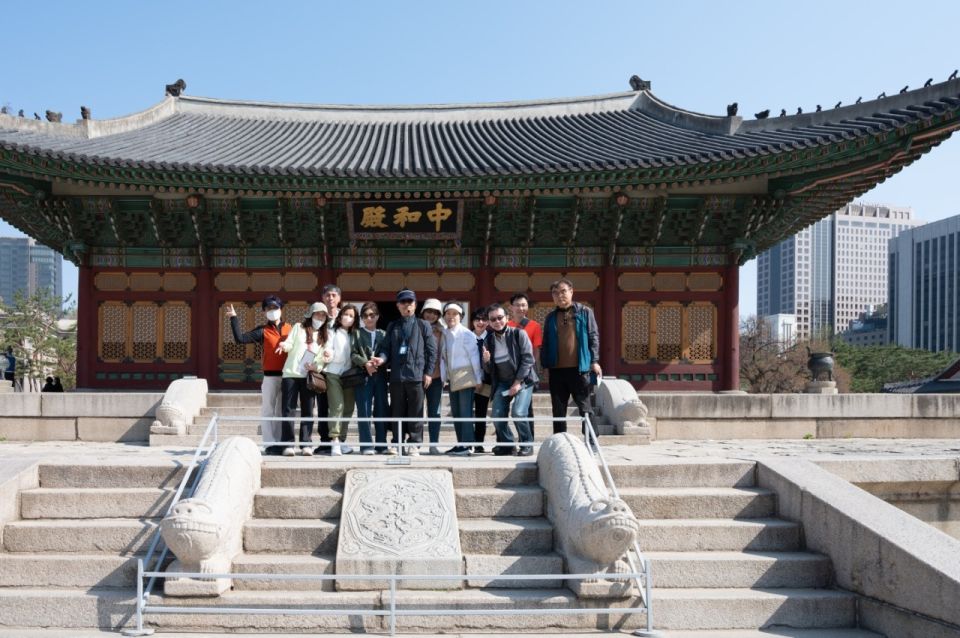
After Deoksugung, the tour shifts from palace grounds to the street level, and that’s where it starts to feel special. Jeongdong-gil is described as a key place tied to foreign missionary institutions and prominent foreign embassies—so the tour doesn’t treat “opening to the world” like a vague headline. It ties that idea to actual addresses and known institutions.
You’ll walk through a stretch of history and pass several named stops, including:
- Paichai Academy
- Chungdong First Methodist Church
- The Russian Embassy
- Gyeonggyojang
What I like here is the cause-and-effect storytelling. The tour helps you see how those institutions fit into Korea’s modern path, rather than treating them as isolated landmarks. You also get a guided sense of why this road became important—so you’re not just collecting facts. You’re building a mental map for how cultures interacted in real places.
This portion also gives the tour its “heritage walking” identity. Jeongdong-gil isn’t just scenery. It’s a corridor where you can connect the palace world to the foreign presence that shaped Korea’s later development.
One consideration: you’ll be walking on city sidewalks between stops, so pay attention to your footing. There’s no hint that the route is wheelchair-friendly (it’s described as a walking tour with comfortable shoes recommended), so plan accordingly if mobility is an issue.
Donuimun Museum Village: Seoul houses preserved from the 1900s to the 1980s
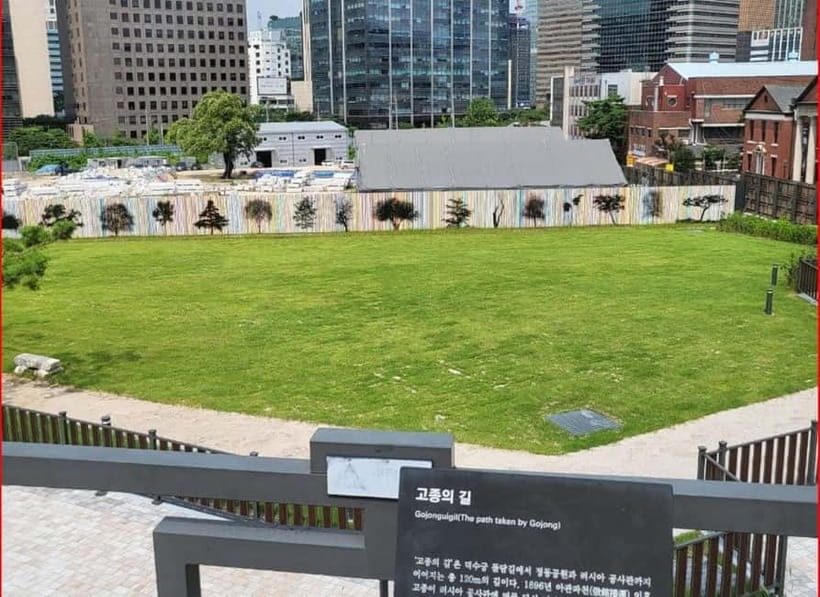
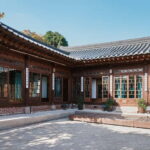
Next comes Donuimun Museum Village, an outdoor museum village that focuses on Seoul architecture. This is a smart counterbalance to the palace stop. Instead of official power structures, you get everyday housing forms—so you can better understand what “modern Korea” growth looked like from the ground up.
The village shows examples of homes from the 1900s through the 1980s, and it’s not an empty set built for tourism. It’s tied to a specific historic district: Saemunan. The tour information highlights that Donuimun Museum Village was founded in September 2017, preserving 40 out of 63 houses in the original historic area.
You get about 20 minutes with guided focus here, which is enough time to understand the idea without turning it into a long slog. I like these shorter museum segments because they keep the tour moving while still giving meaning to each place.
A practical point: because it’s an outdoor village, weather matters. On rainy days, you’ll want a rain plan. On hot days, you’ll probably appreciate the earlier break before you head into this walking section.
Gwanghwamun Square: the government corridor and the stories behind monuments
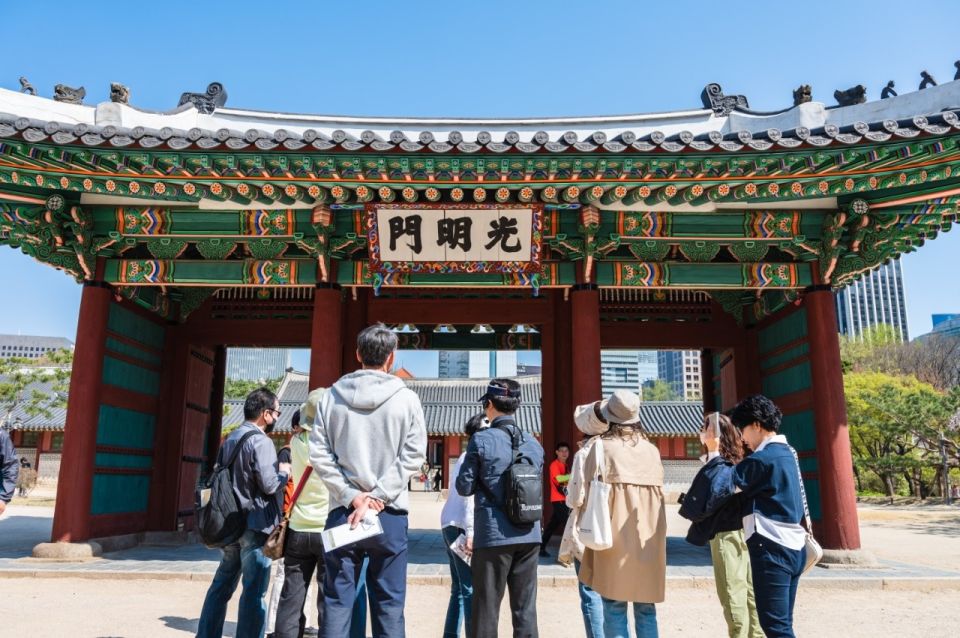
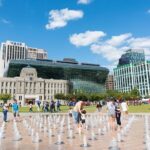
As you move toward Gwanghwamun Square, the tour leans into public symbolism: statues, monuments, and the meaning behind them. The tour specifically frames this as the area that feels like a government corridor, then explains the stories behind famous monuments and what they represent in Korea’s journey.
This stop is built for meaning rather than just sight time. You spend about 30 minutes with guided interpretation here, which is ideal if you’re the type of person who likes to know why a statue matters. Instead of taking photos and moving on, you’ll learn what each major monument is meant to communicate.
I also like that this stop ties back to the earlier palace context. Deoksugung teaches you Joseon-era structures and authority. Gwanghwamun shows you the modern public face of the state—so you get a sense of continuity without the tour needing to spell it out every minute.
If you’re a first-time visitor, this is also a good “orientation anchor.” It helps you understand why this part of Seoul feels central, not just busy on a map.
You can also read our reviews of more historical tours in Seoul

Cheonggyecheon: from drainage ditch to a gentle city walk
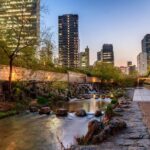
Finally, the tour lands at Cheonggyecheon, a stream that the tour describes as once an unsightly drainage ditch and now a renovated cultural focus. This ending feels like a reward. The pace slows into a pleasant walk where you can actually enjoy your surroundings.
You’ll cover about 30 minutes here, with time for sightseeing along the water. The tour highlights that the stream area includes sculpture pieces, restaurants, and cafés, plus festivals at various times of the year. Even if you’re not there during a festival period, it’s a nice final stretch because the setting is visually engaging without being as intense as a palace interior.
The bigger value is tonal. After palace history and foreign-contact street details, Cheonggyecheon gives you a modern Seoul moment—one that still connects to how the city reshapes older spaces into something people use daily.
You end at 1 Cheonggyecheon-ro, Jongno-gu, which is convenient if you plan to continue your day around the same area.
Who the guide style fits best (and why it matters)
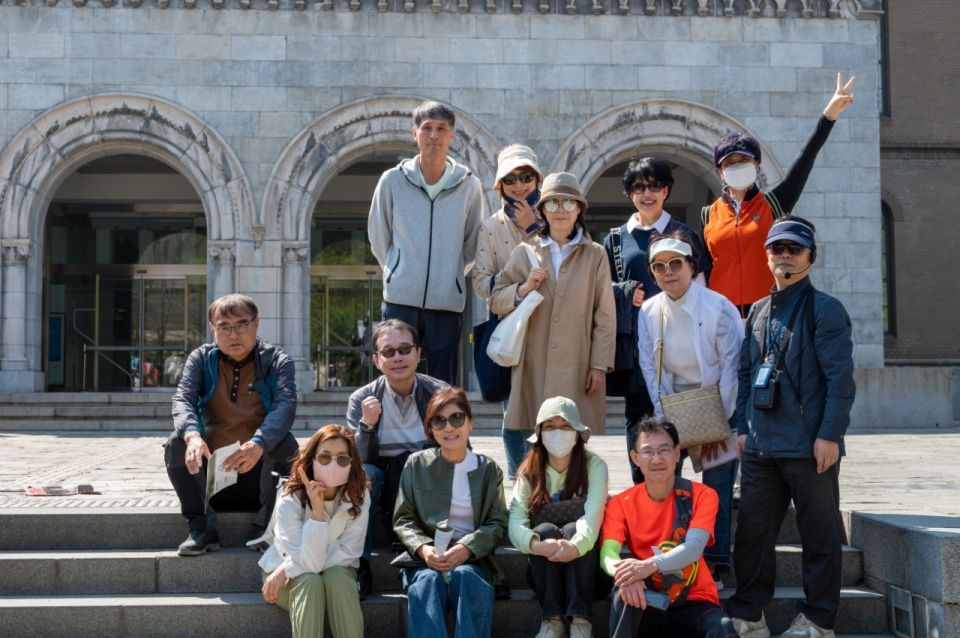
The guide can make or break a heritage walk, and this one is built around storytelling. The tour is described as led by expert English-speaking guides, and that shows in how you can ask follow-up questions.
One guide named Mitch stands out in the way he handles not only site history but also broader culture topics, including working life and the school system in Korea. That kind of answer style is worth it because it helps you connect what you see to how people live today. It also turns the tour into something more than a checklist.
If you like conversations—asking why something happened, or how a period connects to what you’re seeing now—this route is a good match. If you prefer quiet, self-paced wandering, you may find the guide’s pace a little more structured than you like. But the time windows are short enough that you can still take your own photos and pause when you want.
Price and value: what $56 buys you in real-world terms
At $56 per person for about 3 hours, the value comes from three things you don’t have to manage yourself:
- An English-speaking historical guide
- Entrance tickets for Deoksugung Palace and Donuimun Museum Village
- A guided route that bundles multiple key areas into one logical walk
You’re also not paying for transportation as part of the fee, which means the price is mainly paying for guide time and tickets. For many visitors, that’s the cleanest kind of package: you show up, walk, learn, and then leave with a coherent story instead of bouncing between standalone attractions.
Is it the cheapest option? Probably not. But if you factor in the time saved from figuring out what to see and the cost of tickets plus a guide’s interpretation, it often pencils out as a solid deal for a short visit. The tour’s strength is that you get multiple historical “angles” in one go—palace authority, foreign-contact corridors, preserved residential architecture, and modern redevelopment along Cheonggyecheon.
Small logistics that affect your comfort
A few practical items will make this tour easier:
- Bring comfortable shoes. You’ll be walking across several areas.
- Plan for a short café break (about 15 minutes). Food and drinks are not included, so bring your own preference or budget for a drink.
- Meet on time at the Deoksugung Palace ticket office area (Exit 2 of City Hall Station).
- Have an instant messaging method for emergencies on the day of the tour.
There’s also a minimum traveler requirement. If the tour doesn’t meet that threshold, it can be canceled with notice and an alternative date or full refund offered.
Best for whom: the sweet spot of this walking tour
This tour suits you if:
- You like guided context, not just photos
- You want both Korean and Western influences connected to real named sites
- You’re curious about Korea’s opening to the world and how it shows up in physical places
- You enjoy walking through a neighborhood, not jumping between far-flung stops
It may be less ideal if:
- You struggle with walking for about three hours
- You’d rather do large attractions at a slower pace without a guide keeping time
- You want food included (food and drinks are not part of the package)
Should you book this Deoksugung Palace Heritage Walking Tour?
If you want a Seoul heritage experience that ties palace history to street history and then ends with a pleasant modern stroll, this is a strong choice. The best part is the structure: each stop supports the next one, so you leave with a clearer understanding of late Joseon, foreign contact along Jeongdong-gil, preserved residential architecture in Donuimun, and the symbolic meaning of Gwanghwamun.
I’d book it if you’re on a first Seoul trip, you like stories with names (not just eras), and you want a guide who can answer more than palace facts. It’s also a good option when your time window is short and you want tickets handled for you.
If you’re mainly chasing only one kind of attraction—say, only palaces—or you don’t like walking, you may prefer a different format. But for most people looking for value and coherence in three hours, this one makes sense.
FAQ
How long is the Seoul Deoksugung Palace Heritage Walking Tour?
It lasts about 3 hours.
Where do I meet the guide?
Meet in front of the Deoksugung Palace ticket office, Exit 2 of City Hall Station.
What’s included in the price?
The tour includes an English-speaking historical guide and entrance tickets.
Which entrance tickets are included?
The tickets included are for Deoksugung Palace and Donuimun Museum Village.
Is it a walking tour?
Yes. Expect to walk during the tour, and comfortable shoes are recommended.
Are there private group options?
Yes, private group options are available.
What’s not included?
Food and drinks and transportation are not included.