REVIEW · SEOUL
Full-Day Palace Tour in Seoul
Book on Viator →Operated by SEOUL CITY TOUR CO. LTD. · Bookable on Viator
Palaces and temples, all in one loop. This 8-hour Seoul palace tour strings together Gyeongbokgung Palace, UNESCO-listed Changdeokgung, and Jogyesa Temple with hotel pickup and drop-off so you spend less time figuring out transport and more time seeing the real sites. I also like how the plan includes the places that explain how royal Korea and everyday life fit together, plus a lunch break that keeps the day from turning into one long snack hunt.
One thing to weigh: this is a full schedule. Expect moderate walking and shorter stops, so if you like slow, linger-long photos at every corner, you may feel a bit rushed.
In This Review
- Key highlights at a glance
- Why this Seoul palace day tour works (and for whom)
- Morning start: pickup, Blue House pass, and getting oriented
- Gyeongbokgung Palace: the main royal stage
- National Folk Museum (inside Gyeongbokgung): quick cultural context
- Jogyesa Temple in the city center: calm among crowds
- The ginseng center stop (and why it’s included)
- Lunch break at a traditional Korean restaurant
- Changdeokgung Palace: UNESCO time, more preserved spaces
- When palaces swap: Monday and Tuesday alternatives
- Insadong for Korean streets: shopping and snack energy
- Namdaemun Market: old-school Seoul for bargains and bites
- The tour guide effect: what made this experience score so high
- Timing, transport, and pacing: the real logistics you should plan for
- Value check: is $79 worth it?
- Should you book this Seoul Palace Tour?
- FAQ
- What time does the tour start?
- How long is the tour?
- Does it include hotel pickup and drop-off?
- Is lunch included?
- Are entry fees included?
- Is a guide provided?
- What happens if a palace is closed?
- How much walking is involved?
- Is there a shopping stop?
Key highlights at a glance
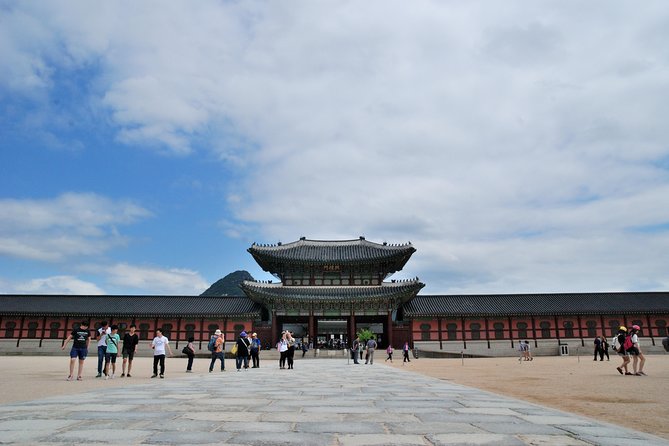
- UNESCO Changdeokgung: one of the most well-preserved royal palaces in South Korea
- Two major palaces + one big temple: Gyeongbokgung, Changdeokgung, and Jogyesa
- Hotel pickup/drop-off: fewer logistics headaches in the middle of a busy city
- Lunch + entry fees included: better value than piecing it together on your own
- Insadong and Namdaemun time: souvenirs and street food opportunities without planning
- Day swaps for closures: Changdeokgung or Gyeongbokgung may be replaced on certain weekdays
Why this Seoul palace day tour works (and for whom)
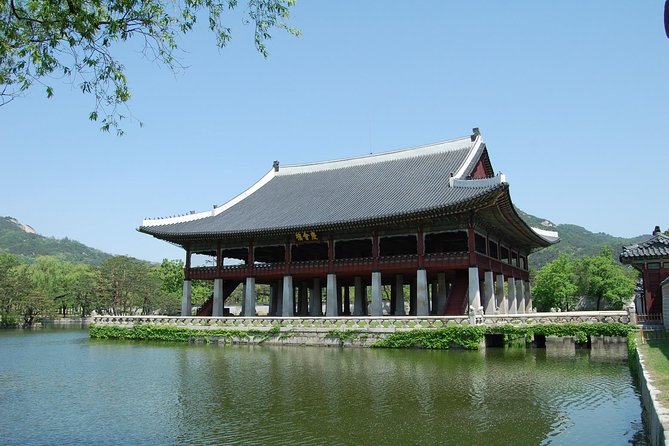
If you’re trying to understand Seoul quickly, this tour is built for that. It’s a single-day circuit that hits the headline royal sites and the center-of-city temple experience, all by air-conditioned coach. You’re also not stuck juggling tickets, because entry fees (where noted), lunch, and round-trip hotel pickup are part of the package.
I like the balance here: you get “big-hammer” monuments like Gyeongbokgung Palace and Changdeokgung Palace, then you get the human scale of a temple inside the city at Jogyesa Temple. The pacing is tight, but the structure makes it easier to remember what you saw and why it matters.
This tour is a strong fit if you:
- want a first-day or early-trip overview of Seoul’s major historic sites
- prefer guided context so you don’t miss the key stories
- would rather pay once than buy multiple tickets and plan each transfer
It may feel less ideal if you’re the type who wants hours of free time at one palace, or if your travel style is all about roaming off-script for long stretches.
You can also read our reviews of more tours and experiences in Seoul

Morning start: pickup, Blue House pass, and getting oriented
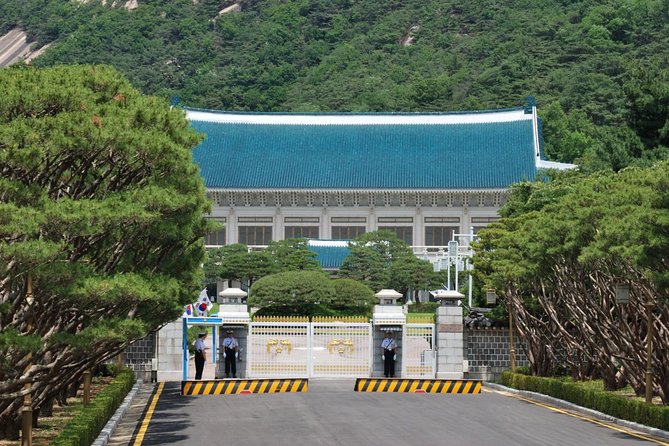
The day begins around 9:00am, with pickup from your Seoul hotel and a coach ride led by a professional guide. Early on, you’ll pass by the Blue House, the official residence of the Republic of Korea. Even if you can’t linger there, it’s a helpful visual anchor—one more way the modern capital sits on top of older traditions.
The practical win: the coach gets you moving without wrangling public transit, especially helpful if you’re arriving to Seoul with jet lag or planning to squeeze in multiple attractions in a single day.
From here, the tour steers you toward the first palace stop.
Gyeongbokgung Palace: the main royal stage
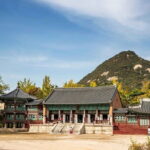
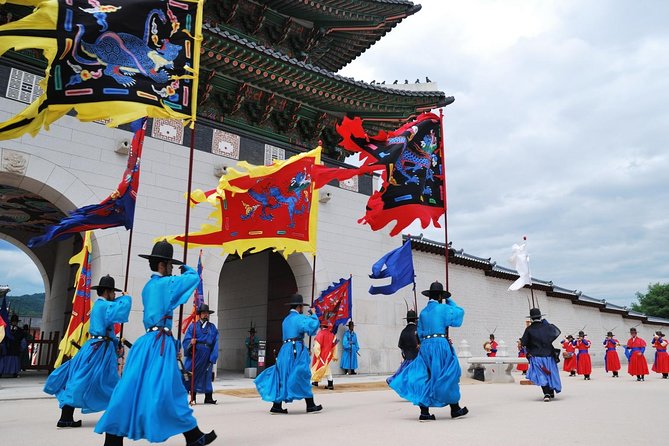
Gyeongbokgung Palace is the big one on this route—the biggest and most important of the royal palaces. You’ll have about 45 minutes here, and it’s guided with explanations of Korea along the way. The Changing of the Guards is often part of what people look forward to, and the guards’ colorful uniforms are exactly the kind of detail that makes the site feel alive rather than like a museum label.
In a short visit like this, I think the guide context matters most. Without it, a palace complex can feel like “lots of gates, lots of courtyards.” With guidance, you start noticing where ceremonies happened, how the layout supported royal life, and why Gyeongbokgung sits at the center of the Joseon era story.
Consider: 45 minutes goes fast. Wear shoes you can trust, and keep your energy for the change-of-pace moments—stepping between buildings and looking back toward the larger grounds.
National Folk Museum (inside Gyeongbokgung): quick cultural context
Inside the Gyeongbokgung area, you’ll also visit the National Folk Museum of Korea. Your time here is about 15 minutes, and admission is free on this stop. This is not the kind of museum you should expect to read cover-to-cover in such a short window.
Instead, it works as a setup: it helps you connect palace life to ordinary life—homes, tools, daily customs, and the cultural patterns that shaped society beyond the royal court.
This stop is a good reminder that Korean culture wasn’t just ceremonies for kings. It’s also about how people lived, worked, and celebrated in everyday settings.
Jogyesa Temple in the city center: calm among crowds
Next up is Jogyesa Temple, with about 30 minutes on site. Admission here is free. Even better: this is a temple experience right in the middle of Seoul, so you’re not commuting far out of town to find it.
Jogyesa is known as one of the biggest temples in South Korea, and the setting is the point. In a day full of palace architecture, a temple stop shifts your senses: different sounds, different rhythm, and a chance to see how spiritual practice remains part of daily city life.
Drawback to note: temple visits can vary by crowd levels and timing. You’re only there for a half hour, so don’t plan to “deep read” everything. Use the guided moments to orient yourself, then take a slow walk around what you’re seeing.


The ginseng center stop (and why it’s included)
Before lunch, the tour includes a ginseng center stop (about 30 minutes), where you’ll learn about Korea’s ginseng industry. Admission is free here, but it’s clearly positioned as a shopping-and-information stop: this tour includes one shopping center.
I don’t treat these stops like filler, because they can be useful for understanding a product that’s part of Korean health culture and souvenir economy. But it is time you spend inside a store-like environment. If you’re not interested in buying or learning about ginseng, treat it as a quick cultural detour rather than a must-see highlight.
If you do want to shop, it’s nice that you have a dedicated window for it instead of being surprised later by souvenir options you don’t have time to sort through.
Lunch break at a traditional Korean restaurant
Lunch is included, and it happens after the ginseng stop. You’ll have about 1 hour at the restaurant.
One detail that stands out from guide-driven experiences: some tours have been set up to handle dietary restrictions for lunch, so it’s worth mentioning your needs when you book. Even if the restaurant isn’t identical for every group, this is a built-in part of the day, which makes the schedule more comfortable.
This hour is also the best time to regroup. Your legs and your brain will both appreciate the pause before the UNESCO highlight.
Changdeokgung Palace: UNESCO time, more preserved spaces
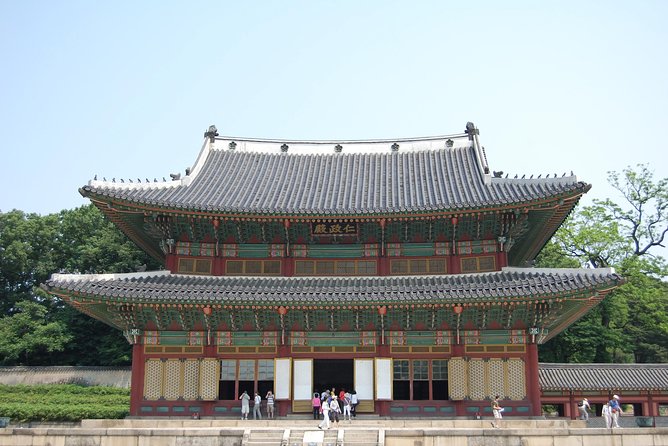
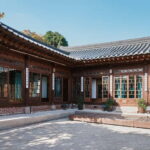
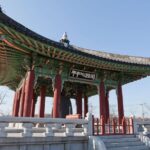
The last major palace stop is Changdeokgung Palace, a UNESCO heritage site added in 1997. You’ll get about 1 hour here, and admission is included.
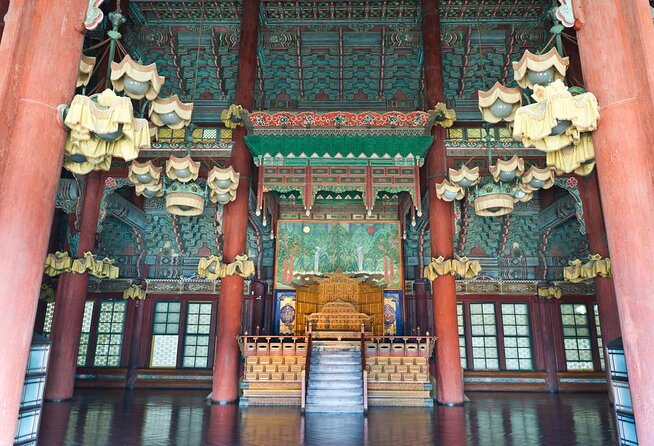
Changdeokgung is often the reason people book a palace tour in the first place. The difference from Gyeongbokgung is the feeling of preservation—more of the palace complex still reads as “royal space” rather than only “royal buildings in a big city.” Even in guided time, you’ll likely spend more attention looking at how the palace was maintained and how it’s laid out.
Tip for getting the most out of your hour: don’t try to capture every photo from every angle. Pick a few vantage points and soak them in first. Then use the guide’s cues to move through the most meaningful sections.
When palaces swap: Monday and Tuesday alternatives
This tour has built-in flexibility when palace schedules change. It’s smart, because otherwise you could show up for a closed site and waste the day.
- Mondays: Changdeokgung Palace may be closed, and you’ll visit Bukchon Hanok Village instead.
- Tuesdays: Gyeongbokgung Palace and the National Folk Museum may be closed, and you’ll visit Deoksu Palace and the History Museum instead.
So if you’re visiting on Monday or Tuesday, don’t panic. You’ll still get the historic focus—you just get a different set of major stops.
Insadong for Korean streets: shopping and snack energy
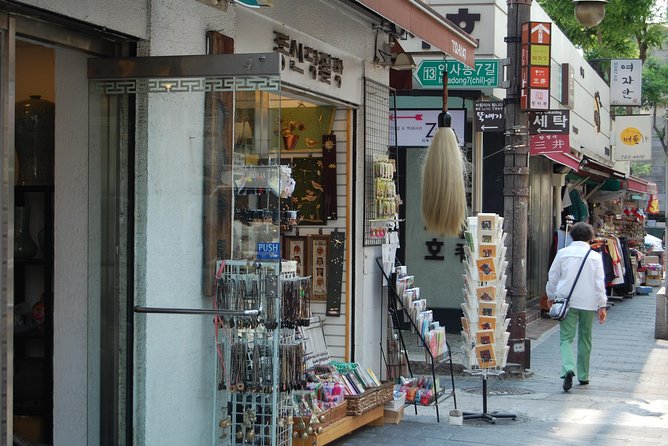
After Changdeokgung, you’ll move toward Insadong, with about 30 minutes for free-time shopping. Admission is free on this stop.
Insadong is where Korean souvenirs and traditional culture mix into one walkable street area. You’ll likely see tea shops and chances to try street-style foods, plus crafts and small goods that are easier to browse when you only have half an hour.
This isn’t a “deep shopping day,” but it’s enough time to:
- grab a few practical gifts
- taste something small
- pick up items you can’t easily find in airport stores
If you’re the type who loves hunting for specific artisan products, you may want to return later on your own. The tour gives you the taste, not the full marathon.
Namdaemun Market: old-school Seoul for bargains and bites
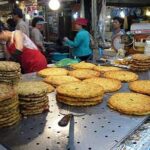
The final stop before the hotel return is Namdaemun Market, about 1 hour. It’s described as the biggest and oldest market in Seoul, and that checks out in the way it feels—older, wide-ranging, and full of everyday commerce.
Here you can expect lots of categories: clothing, gadgets, electronics, and food. This is where the tour stops being only historic and starts being about current Seoul life.
If you want good value, this is one of the better moments to shop because:
- the market setting is built for browsing
- you have time to compare before you leave
One practical note: markets can be intense in terms of walking and crowd flow. Keep your bag secure and pace yourself.
The tour guide effect: what made this experience score so high
The biggest pattern in the positive feedback is people felt supported and informed, without losing freedom. Guides like Katie, Sally, Lily, Mia, Lizzy, and Chloe are specifically praised for being friendly, energetic, patient, and ready to help with photos and questions.
That matters more than it sounds. In a day that touches multiple sites, you’re not just collecting stops—you’re building connections between them. A good guide helps you see why a palace gate matters, why a temple’s location in the city is significant, and what to notice when time is short.
You also want a guide who can read the room. Some experiences note having freedom to walk around and explore on your own, which is exactly what you want at big complexes where your interests might run ahead of the group schedule. If you want to stand for a view longer, that flexibility can make the day feel more personal.
Timing, transport, and pacing: the real logistics you should plan for
This is an 8-hour tour (approx.) with air-conditioned coach and multiple short site visits. The rhythm looks like:
- palace focus
- museum context
- temple break
- lunch and product stop
- UNESCO palace highlight
- shopping time in Insadong and Namdaemun
- return to your hotel
That schedule is efficient, but it does mean you should set expectations. There are a lot of “arrive, learn, walk, see, move on” moments. Some people will love the packed overview; others wish for more time at fewer stops.
My advice: if you care about photos, decide early what you want most (for example: one signature palace view + one temple atmosphere moment). Then let the rest be “learn and move.”
Also bring comfortable walking shoes. The tour notes moderate walking, and the combination of palaces and markets is rarely gentle on your feet.
Value check: is $79 worth it?
At $79 per person, this tour can be good value because it bundles several things that add up fast if you plan yourself:
- hotel pickup and drop-off
- a professional guide
- lunch
- air-conditioned coach transport
- entry tickets for the included paid stops (and free admission where listed)
You’re also getting a single-day itinerary that covers major Seoul landmarks without needing to connect multiple transit routes and ticket queues on your own.
Where the math gets personal is in what you want. If you love history and want a guided path, the package makes sense. If you mostly want to wander independently, you’ll still likely spend money on entry fees and transport—but you might prefer an on-your-own plan.
Should you book this Seoul Palace Tour?
Book it if you:
- want an easy, guided day that covers Gyeongbokgung Palace, Jogyesa Temple, and Changdeokgung Palace
- like having lunch and entry fees handled
- enjoy shopping time at Insadong and Namdaemun Market as part of the experience
- want hotel pickup to reduce city logistics stress
Skip it (or at least consider alternatives) if you:
- hate “short stop” schedules and want long, slow visits at one site
- want zero shopping center exposure (there is a ginseng center stop)
- know you’ll be frustrated by day-to-day site swaps on Mondays or Tuesdays
Overall, this tour is built for momentum. If you want to get your bearings fast in Seoul’s historic core, it’s a strong bet.
FAQ
What time does the tour start?
The start time is 9:00am.
How long is the tour?
It runs about 8 hours.
Does it include hotel pickup and drop-off?
Yes, hotel pickup and drop-off are included.
Is lunch included?
Yes, lunch is included.
Are entry fees included?
Entry tickets are included for stops marked as included (such as Gyeongbokgung and Changdeokgung). Stops marked as free (such as Jogyesa Temple) don’t require entry fees.
Is a guide provided?
Yes, the tour includes a professional guide.
What happens if a palace is closed?
On Mondays, Changdeokgung Palace may be closed and you’ll visit Bukchon Hanok Village instead. On Tuesdays, Gyeongbokgung Palace and the National Folk Museum may be closed and you’ll visit Deoksu Palace and the History Museum instead.
How much walking is involved?
Moderate walking is involved, so wear good walking shoes.
Is there a shopping stop?
Yes, the tour includes 1 shopping center (a ginseng center).