REVIEW · SEOUL
Full Day Private Tour DMZ (The 3rd Tunnel) & Suspension Bridge
Book on Viator →Operated by Lucky Korea Travel · Bookable on Viator
One sentence that hooks me: This day feels both historic and immediate. You’ll start in Seoul with hotel pickup, then spend hours at Korea’s most controlled borderland sites, including the 3rd Tunnel and Dora Observatory. After the DMZ portion, you’ll head into the mountains for the Gamaksan Chulleong suspension bridge walk, which gives your brain a breather between heavy history.
What I like most is the pace of a private day. You’re not squeezed into a bus herd, and an English-speaking guide can answer questions as you go. I also like the value: entrance fees, lunch, and transportation are built in, so there are fewer money surprises.
One drawback to plan around: it’s a full, tightly scheduled day. If you’re hoping for lots of open-ended time, or you want every political and military angle spelled out in depth, you may feel it moves fast.
In This Review
- Key Highlights You Should Know Before You Go
- What This Private DMZ + Bridge Day Really Feels Like
- Price and What You Actually Get for $160
- The Order of Stops: Why This Route Works
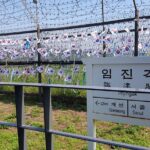
- Imjingak Pyeonghoa-Nuri Park: Your Start Point for Context
- The 3rd Tunnel Experience: The Part You’ll Remember
- Dora Observatory: North-Facing Views With Built-In Story
- Tongilchon-gil (Unification Village): Civilian Life Inside the Off-Limits Area
- Gamaksan Chulleong Bridge: Why the Mountain Stop Is a Smart Finale
- Guide Factor: What English-Speaking Really Means Here
- Timing, Logistics, and How to Make the Day Feel Less Rushed
- A Balanced Take on the DMZ Portion: Powerful, But Ask for the Meaning
- Should You Book This Tour?
- FAQ
- FAQ
- How long is the Full Day Private Tour DMZ and Suspension Bridge?
- What does the price include for $160 per person?
- What stops are included in the tour?
- Is this a private tour?
- Do I need a certain fitness level?
- Can the schedule change?
- What happens if weather is bad on the day?
Key Highlights You Should Know Before You Go
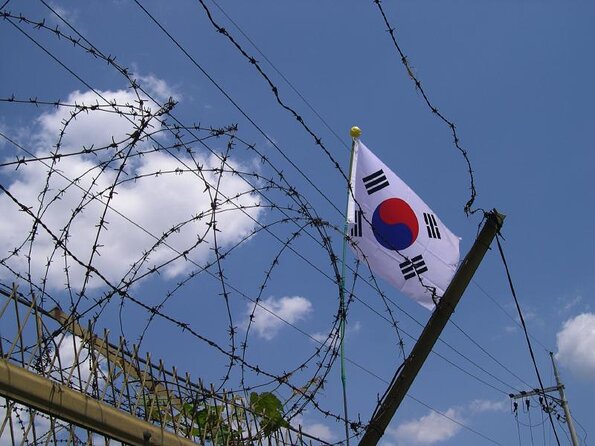
- Private, family-and-friends format with an English-speaking guide and only your group in the vehicle
- Real DMZ stops in a clear order, from Imjingak Pyeonghoa-Nuri Park to the 3rd Tunnel, then Dora Observatory and Tongilchon-gil
- 3rd Tunnel visit includes a short briefing moment (theatrical video) plus time in the exhibition hall before going in
- Dora Observatory is built for layered views, including content on the 2018 inter-Korean summit meeting at JSA
- Gamakaksan Chulleong suspension bridge adds nature and a bit of hiking after the DMZ weight
- Weather and operations can change the route, so you’ll want a flexible mindset for the day
What This Private DMZ + Bridge Day Really Feels Like
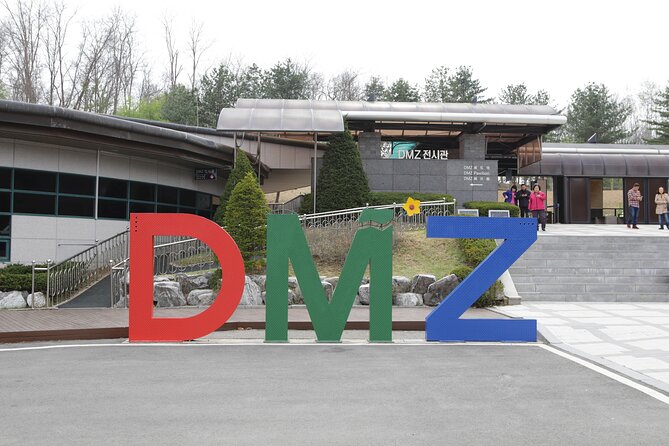
This is one long day that switches gears on purpose. In the morning and early afternoon, you’re walking through places designed to show the reality of division: controlled access, strict geography, and carefully framed exhibits. Then, later, the Gamaksan Chulleong bridge brings you into open air and mountain views.
The best part of doing it privately is control. Your guide can pace you, answer questions, and help you make sense of what you’re seeing without the pressure of keeping up with strangers. On top of that, the itinerary is practical. You start with Imjingak Pyeonghoa-Nuri Park, you move through the DMZ core stops in a logical sequence, and you finish with a physically lighter (but still active) stop.
Yes, it’s intense. But it’s also one of those tours where you can walk away with a clearer picture of how the Korean Peninsula’s split has shaped both the land and daily life around it.
You can also read our reviews of more private tours in Seoul
Price and What You Actually Get for $160
At $160 per person, this is not a bargain-bus excursion. But in practice, it’s priced like a day that includes the big-ticket parts: hotel pickup and drop-off, private air-conditioned transportation, an English-speaking guide, lunch, and entrance fees for the included sites.
That matters because DMZ-related sites often involve costs and timing complexity. Here, you’re paying for fewer unknowns. You’re not trying to figure out separate tickets for each stop or guessing how long check-in will take.
Also worth noting: it’s booked about 36 days in advance on average. That doesn’t mean you must book early, but it does suggest demand is real. If you’re traveling in a busy season or want a specific pickup time, plan ahead.
The Order of Stops: Why This Route Works
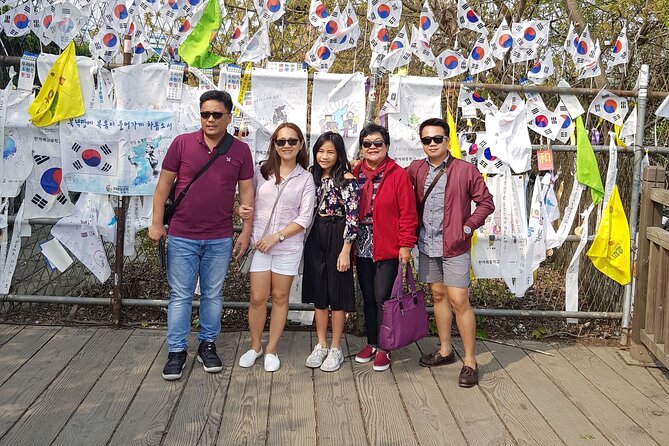
The tour is organized to build understanding step by step. You don’t jump straight into the most dramatic site. You start at Imjingak Pyeonghoa-Nuri Park, which serves as a tone-setter. Then you move into the 3rd Tunnel and Dora Observatory, which are the most visually and emotionally intense points of the day. Finally, Tongilchon-gil connects the DMZ story to ordinary work and civilian life right near the restricted zone. The bridge is the release valve.
That sequence is smart for first-timers. It’s easier to process the tunnel and the north-facing views when you’ve already framed the story. And it’s easier to enjoy the mountain afterward when you’re no longer trying to absorb ten new concepts at once.
Imjingak Pyeonghoa-Nuri Park: Your Start Point for Context
Imjingak Pyeonghoa-Nuri Park is where the day begins, roughly a 70-minute drive from Seoul. The stop is timed so you can get oriented before the DMZ proper.
When you arrive, you’ll buy a DMZ ticket and register your information. That little process is not just paperwork; it’s a preview of the controlled, regulated nature of everything that follows. It also helps you understand why timing and compliance matter on these tours.
The park itself is described as Korea’s representative unification tourist site. It’s the kind of location where you can look around, get your bearings, and set mental context before heading into restricted areas.
The 3rd Tunnel Experience: The Part You’ll Remember
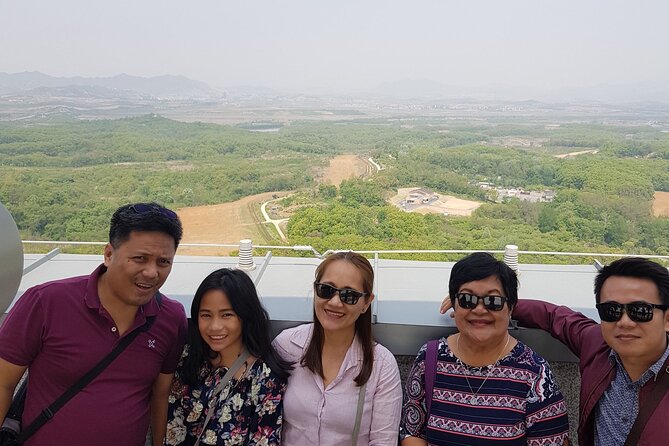
The 3rd Tunnel is the tour’s centerpiece for many people. You’ll start with a short theater presentation with about 8 minutes of video clips related to the DMZ. Then you’ll have time in the exhibition hall, which helps connect the tunnel’s purpose to broader peninsula history.
After that, you visit the 3rd Tunnel itself and spend around 1 hour and 10 minutes there. That time window is long enough to absorb what you’re seeing, not just walk through it and move on.
What’s powerful here is the physical reality. A tunnel is not just a concept. It’s scale, engineering, and effort. You’re essentially stepping into a decision made decades ago, and that makes the history feel less abstract.
One practical note: conditions can be demanding. The tour info says you should have moderate physical fitness. In real life, the tunnel stop can mean walking and standing for stretches, plus a bit of navigating indoor/outdoor transitions. Plan comfortable shoes.
You can also read our reviews of more tours and experiences in Seoul
Dora Observatory: North-Facing Views With Built-In Story
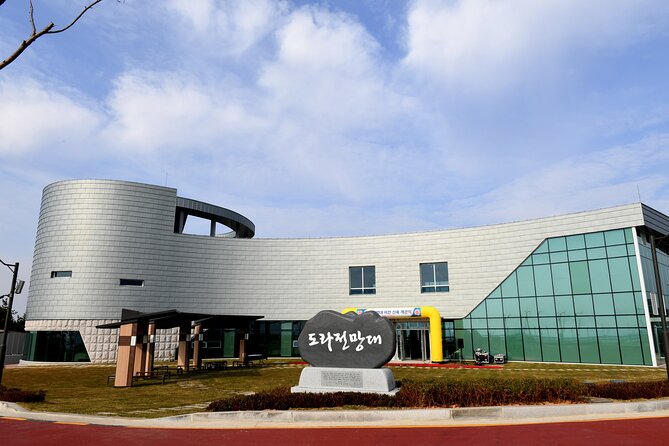
Next comes Dora Observatory, where you can see the view of North Korea. The stop runs about 1 hour, and the building is described as having three floors, which is designed for layered learning.
The first floor includes photos and content about the 2018 inter-Korean summit meeting between former presidents Moon Jae-in and Kim Jong-un at JSA. That’s a reminder that the DMZ is not only about conflict. It’s also about moments of negotiation and political theater.
Dora is a great place to ask questions, because your guide can tie what you see to the structure of the border zone and why certain perspectives are allowed. Even if you’re not a history person, the combination of visuals and commentary makes it easier to interpret.
Tongilchon-gil (Unification Village): Civilian Life Inside the Off-Limits Area
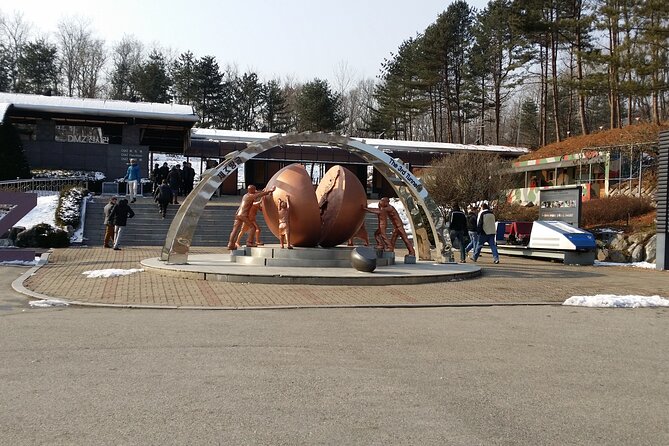
Tongilchon-gil is where the day gets more human-scale. You’ll visit the Unification Village area for around 50 minutes, and it’s free admission in the tour schedule.
This residential area sits inside the civilian off-limited zone. That detail matters: it’s not a museum-only stop. It’s connected to work, farming, and a life built around the constraints of the DMZ boundary.
The information provided says around 500 South Korean farmers cultivate gaesung ginseng and soybeans. That kind of detail helps you see the DMZ story as lived experience, not just headlines.
It’s also a place where you can buy DMZ souvenirs. If you want small, themed gifts that won’t eat your whole luggage allowance, this stop is a logical spot.
Gamaksan Chulleong Bridge: Why the Mountain Stop Is a Smart Finale
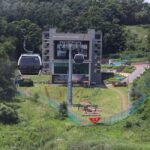
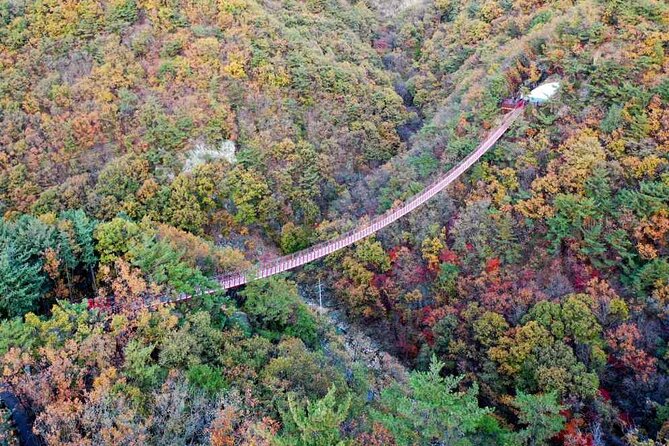
After the DMZ, you head to Gamaksan Mountain for the Gamaksan Chulleong Suspension Bridge. This part is listed as 2 hours 10 minutes, which includes a short hiking segment to the top before you reach the main viewpoint.
The bridge is described as one of the longest suspension bridges in Korea, with 150 meters of length. It also has Korean War history attached to it, described as a fierce battle field during the war. So even here, you’re not escaping history. But the emotional tone shifts. You’re outside. You’re moving. You’re looking at natural scale again.
The walking component is the key variable. The tour info calls for moderate physical fitness, and the climbing back can feel tough for some people. If you’re planning this tour with anyone older, or someone with mobility limits, you’ll want to talk to your guide ahead of time about pacing. In the past, guides such as Andy have been praised for being helpful and accommodating when mobility is limited.
Guide Factor: What English-Speaking Really Means Here
This tour includes an English-speaking guide, and the difference shows up fast. When a guide communicates clearly, you spend less time guessing what something means and more time noticing details.
You might be guided by someone like Emily, who has been praised for punctual pickup and smooth pacing, or Eugene, who has been described as speaking very good English and going above and beyond. Other guides named include Taylor, who coordinated pickup timing through WhatsApp and adjusted based on traffic and hotel location, and Shane and Won, who were highlighted for their DMZ knowledge and helpful explanations.
No matter who you get, the best approach is simple: ask one or two focused questions early. Things like what to look for at Dora, or what the tunnel’s design implies, can turn the day from sightseeing into real understanding.
Timing, Logistics, and How to Make the Day Feel Less Rushed
This is a 7 to 8 hour day. That’s long enough that you’ll want to protect your energy.
Here’s how I’d handle it:
- Start the day rested. This is not a great fit for jet-lagged chaos.
- Wear comfortable shoes. You’ll walk in multiple settings, including hiking on the bridge side.
- Bring water and a light layer. Even on warm days, indoor exhibits and shaded outdoor areas can feel different.
- Eat lunch as if it’s part of your plan, not a bonus. You’ll need fuel after the DMZ block.
One more reality check: some visitors have felt the DMZ day can feel full and a bit rushed. That can happen when sites require strict time use and when roads or queues shift. If your goal is slower, deeper reflection, ask your guide how you can adjust within the permitted windows.
A Balanced Take on the DMZ Portion: Powerful, But Ask for the Meaning
The DMZ stops are built to inform, but they don’t cover everything in the same way every visitor expects. If you care about specific military and political angles, go in ready to ask.
A thoughtful criticism that comes up is that the tour may feel like it’s leaning toward educational framing without giving equal weight to every human cost and international-force story you might expect. If that matters to you, ask direct questions. A good English-speaking guide can often connect the dots beyond the exhibits, especially during transitions between stops.
Also, keep in mind the route can change due to sudden weather deterioration or military operations. That isn’t a failure. It’s part of the place. You’ll get the best experience if you treat flexibility as part of the deal, like you would with any itinerary shaped by real-world constraints.
Should You Book This Tour?
I’d book this if you want a private, guided DMZ day that doesn’t require you to manage the logistics. The combination of the 3rd Tunnel, Dora Observatory, and Tongilchon-gil gives you variety: engineered history, north-facing geography, and civilian life near the boundary. Adding the Gamaksan Chulleong suspension bridge turns the day from a single-topic visit into a complete Seoul-area story.
I would pause and think twice if you prefer a slow, unhurried, deeply reflective tour with lots of open-ended discussion. This day is structured, time-bound, and weather-sensitive.
FAQ
FAQ
How long is the Full Day Private Tour DMZ and Suspension Bridge?
It runs about 7 to 8 hours.
What does the price include for $160 per person?
Hotel pickup and drop-off, private transportation, an English-speaking tour guide, all fees and taxes including entrance fees, and lunch are included.
What stops are included in the tour?
You’ll visit Imjingak Pyeonghoa-Nuri Park, the 3rd Tunnel, Dora Observatory, Tongilchon-gil (Unification Village), and Gamaksan Chulleong Bridge.
Is this a private tour?
Yes. It’s a private experience, and only your group participates.
Do I need a certain fitness level?
The tour notes that travelers should have a moderate physical fitness level.
Can the schedule change?
Yes. The DMZ tour schedule may change due to sudden weather deterioration or military operations.
What happens if weather is bad on the day?
If the experience is canceled due to poor weather, you’ll be offered a different date or a full refund.
If you want, tell me your travel dates and who you’re going with (age range and mobility needs). I can help you judge whether the bridge hiking time is a good match for your group.

![[Premium Private Tour] Mt Seorak & East Sea or Nami island from Seoul - Seoraksan National Park: cable car to the peak area or the easier valley walk](https://2.letsgoseoul.com/wp-content/uploads/premium-private-tour-mt-seorak-east-sea-or-nami-island-from-seoul-400x267.jpg)