REVIEW · SEOUL
Ultimate Korea DMZ Tour from Seoul (Gondola & Suspension Bridge)
Book on Viator →Operated by VIP TRAVEL Co.Ltd · Bookable on Viator
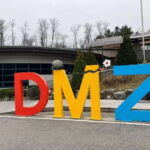
DMZ day trips mess with your head. This one is a long, well-structured day that blends major Korean War sites with the Paju Imjingak Peace Gondola and optional Gamaksan Red Suspension Bridge views near the border.
I like the way it stays organized and story-driven, and the guide names you’ll hear a lot for good reason, like Nancy, Emily, Diane, Hana, and Crystal. The main tradeoff is physical: expect uphill stretches and a fair amount of walking, including the tunnel experience, with limited options if mobility is a concern.
In This Review
- Key Things That Make This DMZ Tour a Smart Pick
- Price and Logistics: What You Actually Get for About $35
- Where You Meet, and How the Day Stays Manageable
- First DMZ Stop: The Tour Starts With the Reality Check
- Imjingak Pyeonghwa-Nuri Park: Peace Symbols With Purpose
- Bridge of Freedom: A Brutal Detail That Stays With You
- The Paju Imjingak Peace Gondola: Worth It If You Want the Border From Above
- Memorial Stops That Add Meaning: Mangbaedan and Dokgae Bridge
- Steam Locomotive and the Peace Bell: Objects You Can Actually Feel
- The Unification Bridge Checkpoint: Bring the Right ID and Stay Calm
- Third Tunnel and Dora Observatory: Two Ways to See North Korea
- The Third Tunnel (Infiltration Tunnel)
- Dora Observatory
- Tongilchon-gil and the “Everyday Life” Layer
- Mount Odu Unification Observatory: Telescope Views and North Korean Products
- Optional Suspension Bridges Near the DMZ: Gamaksan Chulleong Bridge and Majang Lake
- Gamaksan Chulleong Bridge
- Majang Lake Suspension Bridge
- Timing, Walking, and Comfort Tips You’ll Be Glad You Know
- Should You Book This DMZ Tour From Seoul (With Gondola and Suspension Bridge)?
- FAQ
- FAQ
- How long is the Ultimate Korea DMZ Tour from Seoul?
- What does the $35 price include?
- Where do I meet in Seoul?
- Where do I get dropped off afterward?
- Is the DMZ gondola included, or is it optional?
- Are the suspension bridge stops included?
- Do I need a passport for the tour?
- Does the tour allow a lot of people?
Key Things That Make This DMZ Tour a Smart Pick
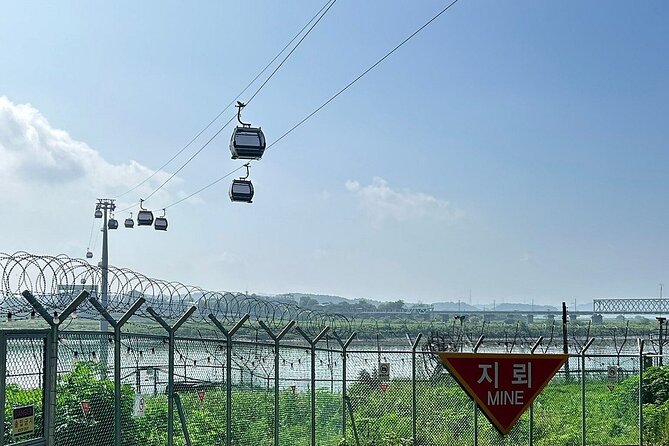
- Paju Imjingak Peace Gondola: birds-eye views while crossing the Imjin River, and it goes beyond the Civilian Control Line
- Third Tunnel + Dora Observatory: two different ways of seeing North Korea, with different feelings and photo rules
- Imjingak Park landmarks: Freedom Bridge, the Peace Bell, and memorial stops with real emotional weight
- Guides keep you on schedule: they manage photo timing and checkpoint rules so you don’t get stuck or stressed
- Optional suspension bridges: Gamaksan Chulleong Bridge (nearby) and Majang Lake for bouncy views over water
Price and Logistics: What You Actually Get for About $35
At $35 per person, this DMZ tour is trying to solve a big problem for most first-timers: getting to the border area without wasting your day on logistics. You’re paying for round-trip bus transport from central Seoul plus admission fees and taxes, and you also get a guide who is there to keep the day moving.
That value is real because the DMZ region isn’t the kind of place you casually “pop over to.” You’re doing multiple stops that each have their own rules, time windows, and limited access. The tour also runs about 7.5 hours, which is long enough to cover the highlights but short enough that it still fits into a normal Seoul itinerary.
Two practical notes to keep expectations steady: lunch is not included, and the tour drop-off happens at Hongdae, Seoul City Hall, or Myeongdong (not at every hotel). If you’re staying outside that triangle, you’ll likely take transit or a taxi afterward.
Also, the day can start earlier than you expect because timing matters around checkpoint procedures and popular DMZ sites. The upside is simple: earlier usually means fewer headaches later.
You can also read our reviews of more tours and experiences in Seoul.

Where You Meet, and How the Day Stays Manageable
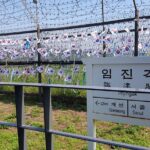
This tour uses three downtown meeting points: Myeongdong Subway Station (Exit 9), Seoul City Hall Subway Station (Exit 6), and Hongdae Subway Station (Exit 3). Pickup is offered, but hotel drop-offs are not.
What I like here is that these are easy, well-connected stations. If you’re already exploring Seoul’s core neighborhoods, you’re not hunting down a random address at dawn. A mobile ticket helps too, since you’re not scrambling with paper on a phone-dead morning.
With up to 150 people on board, it’s big enough that you’ll feel a group pace, but small enough that your guide can still manage the lines at key stops. You’ll spend plenty of time on the bus, but the schedule is built around short visits at each site so you don’t get stuck waiting around one place too long.
First DMZ Stop: The Tour Starts With the Reality Check
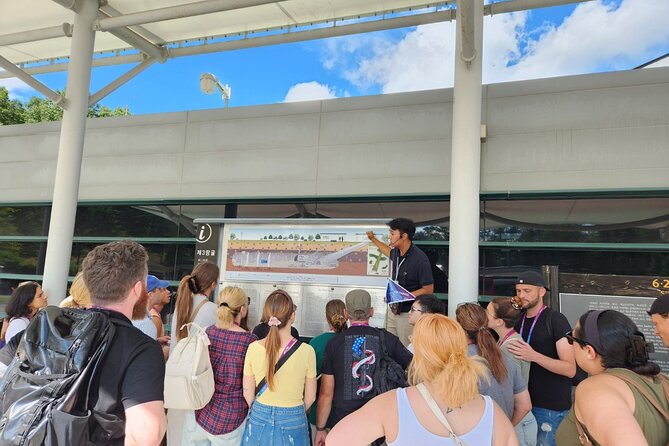
The DMZ itself is introduced as a 4 km-wide strip that has separated North and South since 1953. Even before you get to the most famous lookout moments, the experience sets the tone: the tour frames this as a place where the Korean War never really ended, it just changed form.
One of the most effective parts of this first segment is that it’s sensory. You’ll hear the quiet and notice how the terrain feels different when barbed wire and Cold War-era details are literally part of the view. It’s not just facts on a screen—it’s a space that makes your brain slow down.
This is also where you’ll get guidance on how to behave at military-adjacent places and where photos may or may not be allowed. If you’re the kind of person who loves taking pictures, this is also a moment to accept that rules can change depending on the zone.
Imjingak Pyeonghwa-Nuri Park: Peace Symbols With Purpose
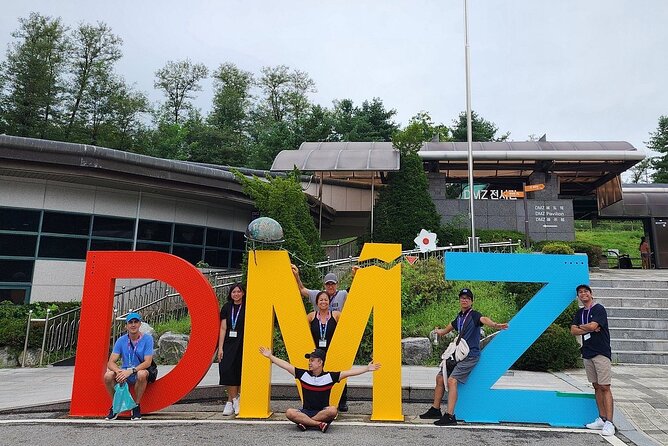
Imjingak Pyeonghwa-Nuri Park is your next foundation stop. This is where the tour shifts from “history as information” to “history as remembrance.” It’s dedicated to reunification themes and includes well-known landmarks tied to the Korean War.
You’ll encounter the Dokgae Bridge and the Seoul Battleship Park within the broader Imjingak area, plus other relic-style visuals that connect the dots between conflict and the longing for separation to end. The mood here feels more human than technical—especially when the guide explains how these places are used as memorial grounds, not just sightseeing stops.
I also like the way this park invites curiosity through objects and stories—things like the rusted Iron Horse train relic tied to the broken rail history. It’s an easier stop for families because it’s a place where you can look around and process without sprinting across multiple viewpoints.
Bridge of Freedom: A Brutal Detail That Stays With You
The Bridge of Freedom is one of those stops where one number hits harder than the rest. This temporary wooden span was built in 1953 after the armistice and replaced a destroyed railroad bridge over the Imjin River. It carried 12,773 prisoners to South Korea.
That’s the kind of fact that doesn’t sound real until you’re standing in the space where the story was meant to unfold. The tour atmosphere tends to be more respectful here, and the guide usually slows down just enough for the meaning to land.
If you want the emotional center of the day, this stop is a strong candidate.


The Paju Imjingak Peace Gondola: Worth It If You Want the Border From Above
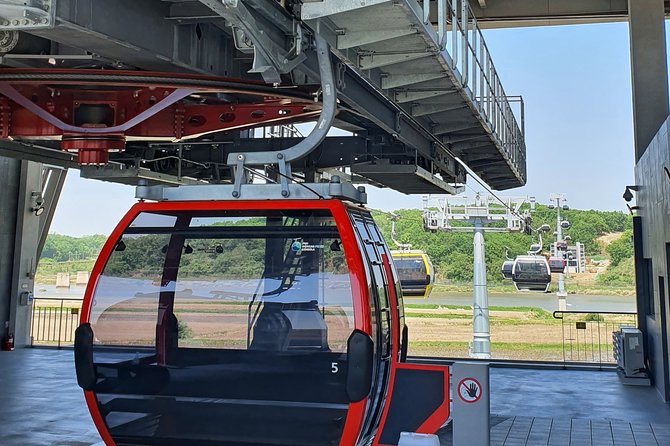
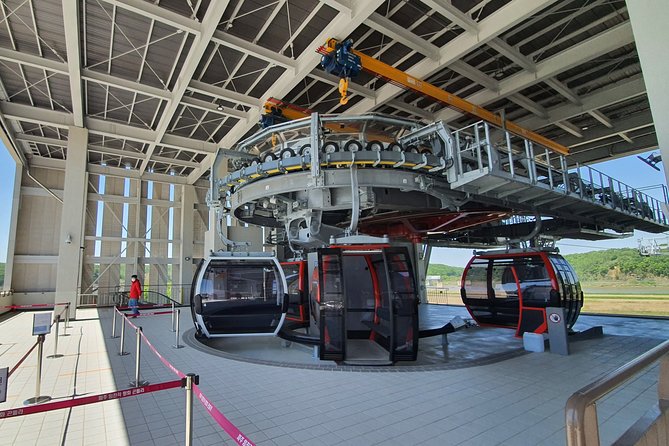
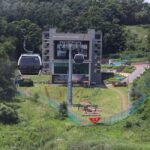
The Paju Imjingak Peace Gondola is optional in the tour structure, but it’s also a major reason many people book this trip. It opened in 2020 and gives you a birds-eye view while crossing the Imjin River. Importantly, it goes beyond the Civilian Control Line, so you’re seeing further toward the North Korean side than you would from some standard viewing points.
From a value perspective, the gondola works because it adds a different angle without adding a second day. A bus trip can feel repetitive if it’s only roadside stops and short walks. Here, you get a steady, controlled viewpoint that turns the border into something more visual and less abstract.
Practical tip: wear shoes you can move in easily even after the gondola. Your legs will still be in “DMZ mode” for the rest of the day.
Memorial Stops That Add Meaning: Mangbaedan and Dokgae Bridge
The tour doesn’t just focus on strategic points—it also includes remembrance sites like Mangbaedan, a memorial altar near the DMZ built in 1987. It’s where families honor loved ones in North Korea, especially around holidays. The tour frames this as prayers on ribbons fluttering in the breeze and a place where incense is part of the atmosphere.
Then you’ll also visit Imjin River Dokgae Bridge, built in 1950 and scarred by the Korean War. It once linked North and South across the Imjin River. Expect a “small details” kind of stop here—weathered beams, the feel of the place, and the natural quiet that makes the war history feel even more surreal.
If you tend to remember places more than dates, these stops are the glue that make the tour more than a checklist.
Steam Locomotive and the Peace Bell: Objects You Can Actually Feel
Two stops feel especially hands-on: the steam locomotive at Jangdan Station of the Gyeongui Line, and Pyeonghwauijong Peace Bell in Imjingak Park.
The locomotive is often described as an Iron Horse relic that once thundered along the line before the Korean War stopped it. This kind of object hits because it’s not propaganda-style—it’s industrial, human-sized, and tangible.
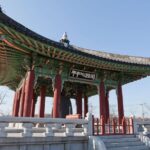
The Peace Bell is even more direct. It’s a 21-ton bronze symbol of reunification cast in 2002. You can touch it, and the guide will point you toward the bell’s deep chime significance. It’s a short stop, but it’s one of those “I’ll remember this sound” moments.
The Unification Bridge Checkpoint: Bring the Right ID and Stay Calm
The Unification Bridge section is a real-world reminder that this is not just a sightseeing route. Soldiers inspect the bus and carry out ID verification checks.
The tour instructions are clear about what to have: a passport, a Military ID Card, or a South Korea-issued ARC. If you show up without the right document, you’re creating risk for the whole group because the checkpoint process is not optional.
This is also where good guides matter. The more your guide explains where you can stand, how you should behave, and when photos are appropriate, the smoother your day stays.
On the way, the bus also crosses over the Imjin River, and you may spot wildlife and birds that live undisturbed since the armistice. It’s a reminder that even this tense border region has ecosystems.
Third Tunnel and Dora Observatory: Two Ways to See North Korea
This is where the tour gets intense.
The Third Tunnel (Infiltration Tunnel)
The Third Tunnel, also known as the 3rd Infiltration Tunnel, is located 12 km from Munsan and about 52 km from Seoul. The tour visit includes a fair amount of movement inside the tunnel area.
Be ready for the tradeoffs: the tunnel walk can be tiring, and the space can feel tight. One consistent warning from experiences on this kind of stop is that you may spend time walking and then get only a limited time window to look through viewing points. Still, it’s a unique way to understand the lengths involved and why people call this a rare, firsthand perspective.
Also, the walk back up can be hard—especially if you’re not used to uneven, uphill terrain.
Dora Observatory
Next comes Dora Observatory, rebuilt in 2018 and offering South Korea’s closest view of North Korea. It’s on Dorasan and established in 1986. This is the “look across the border” stop that many people picture when they think about the DMZ.
The observatory tends to feel emotional in a different way than the tunnel. You’re not moving underground; you’re standing still, trying to process distance, limitations, and the reality of separation. Photo rules can apply here too, and some areas restrict photography of North Korea-related views—so follow your guide’s instructions on the spot.
Tongilchon-gil and the “Everyday Life” Layer
After the heavy stops, the tour includes a more grounded moment at Tongilchon-gil, a village tucked just beyond the DMZ’s Civilian Control Line. It’s described as a quiet area where the land supports Korea’s Jangdan soybeans.
This kind of stop matters because it balances the day. When all you see is war relics and checkpoints, you miss the fact that people still farm, shop, and live in the shadow of politics. Tongilchon-gil is short, but it gives your brain a place to reset.
Mount Odu Unification Observatory: Telescope Views and North Korean Products
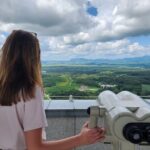
The tour also includes time at Mount Odu Unification Observatory. The big practical hook: you can buy North Korean products there and view North Korea through a telescope.
This is valuable because it adds two things most DMZ tours only do one of: a view and a tangible souvenir. The products are also a small reality check that cross-border division affects everyday goods, not just military strategy.
If you’re a shopper, this is where you’ll likely find items you won’t see back in Seoul markets. If you’re not a shopper, it still gives you the telescope moment in a more consumer-friendly, family-friendly setting.
Optional Suspension Bridges Near the DMZ: Gamaksan Chulleong Bridge and Majang Lake
Now for the fun-with-a-purpose part. This tour includes options for suspension bridge experiences near the DMZ.
Gamaksan Chulleong Bridge
The Gamaksan Red Suspension Bridge is optional. It’s a 150-meter-long bridge built in 2018 near the DMZ to honor Korean War heroes. It’s narrow (about 1.5 meters wide) and can hold up to 900 adults.
The experience is about views and that “I’m actually on the border side of the world” feeling. Narrow bridges are not the time for panic—walk steadily, hold your balance, and accept that you’ll be taking your time.
Majang Lake Suspension Bridge
Another optional choice is the Majang Lake suspension bridge, about 220 meters long, built in 2017 over a reservoir turned urban oasis. It’s described as bouncy, so your heart rate might jump a little as the bridge moves.
Both bridge options work best if you’re comfortable walking and standing for extended periods. If your feet or knees are already tired from the tunnel, you might want to treat the bridge as optional sanity time.
Timing, Walking, and Comfort Tips You’ll Be Glad You Know
This whole day is built around short stops and continuous movement. Even if each individual site is manageable, the total time adds up fast.
Here’s what I’d plan for:
- Wear shoes that handle uneven ground and hills.
- Bring a light layer. You’re moving between outdoor memorial areas and enclosed tunnel/observatory spaces.
- Expect that some parts will be slow and controlled due to military rules and ID checks.
- If you want photos, listen closely to your guide. Some areas limit photography of North Korea views.
Based on how guides run the day, the best experience usually comes from being ready for speed in the morning and patience at checkpoints. When people feel rushed, it’s usually because they weren’t mentally prepared for a tight schedule.
Should You Book This DMZ Tour From Seoul (With Gondola and Suspension Bridge)?
If you want one day that covers the DMZ’s big emotional landmarks—plus a gondola ride across the Imjin River and the option of suspension bridges—this tour is a strong fit. The value is especially good because the price covers transport and admission fees, and the tour is designed for a full, varied day rather than “one photo stop and done.”
I’d think twice if mobility is a major issue. The tunnel and uphill segments can be challenging, and the itinerary doesn’t suggest alternative routes inside the restricted spaces.
If you like history that comes with real places, not just museum posters, book it. And if you’re going, plan for an early start, bring the correct ID, and wear shoes that forgive your choices from Seoul.
FAQ
FAQ
How long is the Ultimate Korea DMZ Tour from Seoul?
The tour runs about 7 hours 30 minutes.
What does the $35 price include?
The price includes air-conditioned vehicle transportation, all fees and taxes, admission tickets for included stops, and a guide. Lunch is not included.
Where do I meet in Seoul?
You meet at one of three downtown locations: Myeongdong Subway Station (Exit 9), Seoul City Hall Subway Station (Exit 6), or Hongdae Subway Station (Exit 3).
Where do I get dropped off afterward?
You can be dropped off at Hongdae, Seoul City Hall, or Myeongdong.
Is the DMZ gondola included, or is it optional?
The Paju Imjingak Peace Gondola is listed as optional, and admission is included if you choose it.
Are the suspension bridge stops included?
Gamaksan Chulleong Bridge and Majang Lake suspension bridge are both marked optional in the itinerary, with admission included if you go.
Do I need a passport for the tour?
You should bring the correct ID for the Unification Bridge military checkpoint. The tour instructions specifically mention a passport, Military ID Card, or a South Korea-issued ARC.
Does the tour allow a lot of people?
The tour has a maximum group size of 150 travelers. It is described as near public transportation and uses a mobile ticket.