REVIEW · SEOUL
Gwangjang market Netflix Food Walking Tour with Insadong
Book on Viator →Operated by S.A. Tour · Bookable on Viator
Seoul’s street food tells stories fast. This tour mixes Insadong craft streets with a focused Gwangjang Market food crawl, guided in English so you actually understand what you’re seeing. I especially like that you’re not just wandering; you’re learning what these neighborhoods mean and sampling Korea by bite size.
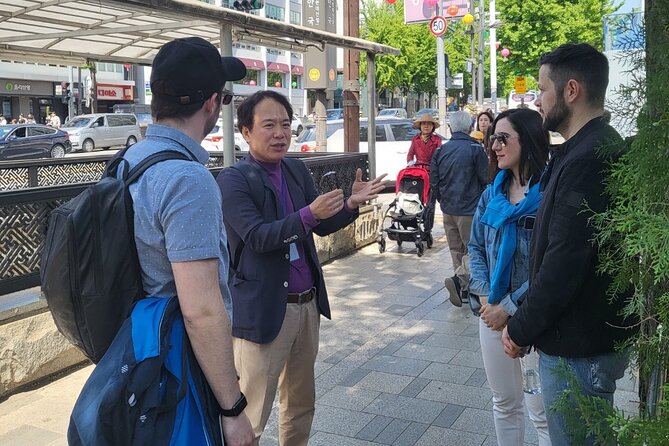
The one thing I like even more is the guide style. Alan Han stands out for being patient and personable, taking time for questions even on a hot day. The main thing to consider is the weather: the tour expects good conditions, and rain can make the walk a bit uncomfortable.
In This Review
- Key Highlights at a Glance
- Why Insadong + Gwangjang Market Works So Well
- Meeting at Anguk Station: Timing and Walking Reality
- Insadong Culture Avenue: Crafts, Tea Stops, and What to Look For
- Ikseon-dong Alley: Where Old Lanes Meet Today’s Seoul
- Gwangjang-dong and Gwangjang Market: Food, Textiles, and a 1905 Start
- The Included Tastings: What You’ll Actually Eat and Drink
- Price and Value: Is $48.60 Fair for Seoul?
- Who This Tour Fits Best
- Should You Book This Seoul Food Walking Tour?
- FAQ
- Where does the tour start?
- How long is the tour?
- What does the tour include for food and drinks?
- What stops are included during the walk?
- What’s the group size?
- Is the guide English-speaking?
- What if the weather is bad?
Key Highlights at a Glance
- Alan Han’s calm, question-friendly guidance makes the history feel practical, not like a lecture
- Insadong Culture Avenue: tea houses, art galleries, and handicraft browsing in the heart of Seoul
- Ikseon-dong Alley time: narrow lanes where older hanok settings mix with modern cafes
- Gwangjang Market’s classic stalls: you’ll see why this market has lasted since 1905
- 3–5 street food tastings included plus a sweet finish and Korean rice wine
Why Insadong + Gwangjang Market Works So Well
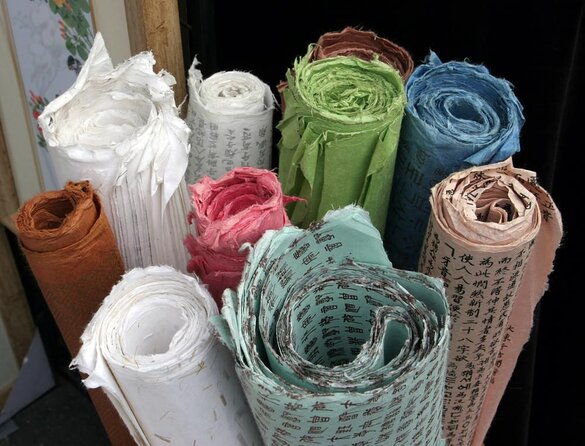
This is a smart combo because it covers two sides of Seoul you can feel in your feet. Insadong is where the city shows off its traditional arts: pottery, paper items, calligraphy-related goods, and shop windows that look like they’ve kept their design rules for decades. Then you drop into Gwangjang Market, and the energy flips toward food—quick, local, and affordable.
What makes the experience feel like value is the pacing. You get guided context while you walk through neighborhoods that can otherwise blur together. With a market like Gwangjang, the difference between ordering blindly and eating with a plan is huge. A guide helps you hit the foods that represent the place, not just whatever looks busiest.
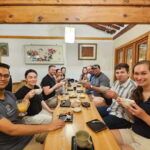
Also, this is a small group experience, with a maximum of 10 travelers. That matters more than it sounds. In bigger groups, you spend time waiting. Here, you spend time eating and looking.
You can also read our reviews of more walking tours in Seoul
Meeting at Anguk Station: Timing and Walking Reality
You start at Anguk Station at 3:00 pm, and the tour runs about 3 hours. You end at Gwangjang Market (88 Changgyeonggung-ro, Jongno District). The route is designed for a steady walking loop between neighborhoods, which is great for first-time visitors because it helps you get bearings fast.
Plan for a real stroll. Even with a guide, this isn’t a sit-down meal tour. You’ll be moving through streets and market lanes, with time to browse and ask questions. That’s why the weather note matters. One review described an unexpected rainstorm that left things a bit soggy, yet the tour still worked. If you come prepared—light rain gear, comfortable shoes—you’ll handle most conditions.
One more small point: the tour uses a mobile ticket, which is convenient if you’re already juggling transit apps and photos during the day.
Insadong Culture Avenue: Crafts, Tea Stops, and What to Look For
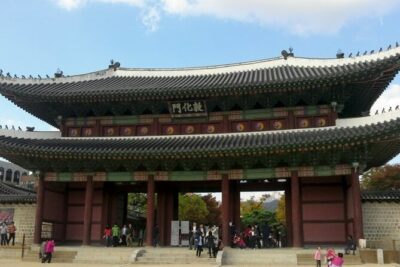
Insadong Culture Avenue is the kind of place where you can wander for hours without realizing time has passed. The upside here is that the tour gives you a reason to look beyond souvenirs. You’ll focus on traditional Korean architecture, art galleries, and handicraft shops, plus the tea-house culture that shows up all through the area.
As you move along, expect plenty of items you might not have names for at first glance—things connected to traditional art-making. You may see pottery, calligraphy-brush related goods, and traditional paper products. The guide’s role is to translate what these objects are for and why they’re tied to Korea’s cultural identity.
This stop is also where the tour’s storytelling shines. Insadong isn’t only about shopping. It’s described as a central area for Korea’s culture, and the walk helps you connect that to what you’re seeing in the streets—where artists display work, where shops preserve older styles, and where tea culture remains a daily habit, not a tourist show.
A small drawback: if you already know Insadong well and you’re mostly after food, this part can feel slower than the market. The trade-off is that you get context that makes the rest of the tour more meaningful.
Ikseon-dong Alley: Where Old Lanes Meet Today’s Seoul
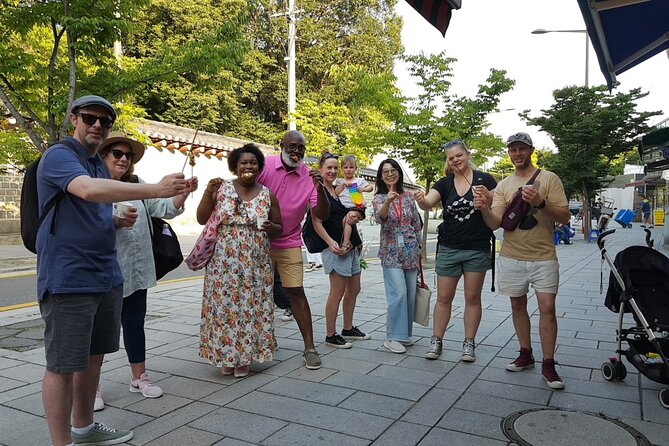
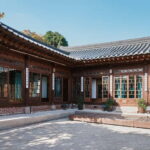
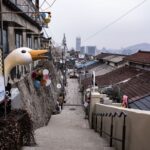
Between Insadong and the market side, you’ll spend time in Ikseon-dong Alley, a narrower area where hanok settings and modern spots exist in the same scene. It’s the kind of walk that helps you understand Seoul’s layering: older structures aren’t pushed away—they’re used as part of the neighborhood’s current vibe.
Here, the guide adds value by sharing neighborhood stories and explaining how it became a popular cultural destination again. That historical framing matters because Ikseon-dong can look like just another photo-friendly area if you don’t know what changed and why.
What you’ll do in practice is simple: stroll the lanes, pause where the streets open up, and look closely at how the buildings and storefronts fit together. If you’re the type who enjoys small details—textures, signage styles, street proportions—this is a highlight.
One caution: because the lanes are tight and shop-heavy, it can feel crowded in peak times. With a group max of 10, you should still be able to move comfortably and ask questions.
Gwangjang-dong and Gwangjang Market: Food, Textiles, and a 1905 Start
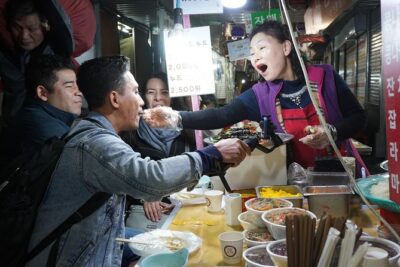
Gwangjang Market is one of Seoul’s old reliable places. It has been operating since 1905, and you’ll see that history in how the market layout and stall culture still feel grounded, not staged. This is also a key area for both food and textiles, so you’re not only chasing snacks—you’re watching everyday commerce.
The tour focus is street food, but the market’s variety is part of the point. You can spot traditional foods, plus textiles and handmade goods in the mix. That’s useful because it explains why locals keep returning: the market is practical as well as iconic.
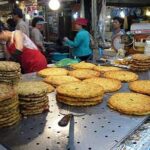
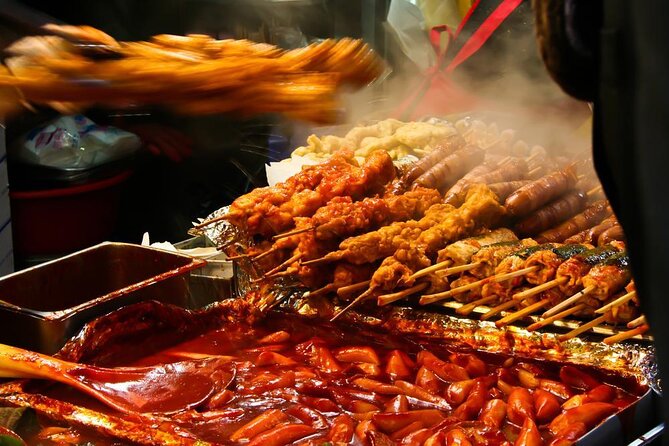
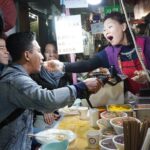
Some of the foods you’ll hear tied to the market include bindaetteok (mung bean pancakes), tteokbokki (spicy rice cakes), and bibimbap (mixed rice bowl). Even if you don’t try every single one, the guide’s pointing helps you understand what makes this market “the market” and not just a tourist stop.
Why I think the guided approach works here: market food can be confusing. You may see dozens of stalls, and you could waste time choosing. With tastings included, you get a balanced sampling that still reflects what the market is known for.
The one drawback to consider is timing. Markets are active, and on certain afternoons it can get hot, loud, or visually intense. The tour plan keeps you moving through the busiest parts without letting you feel lost.
You can also read our reviews of more food & drink experiences in Seoul
The Included Tastings: What You’ll Actually Eat and Drink
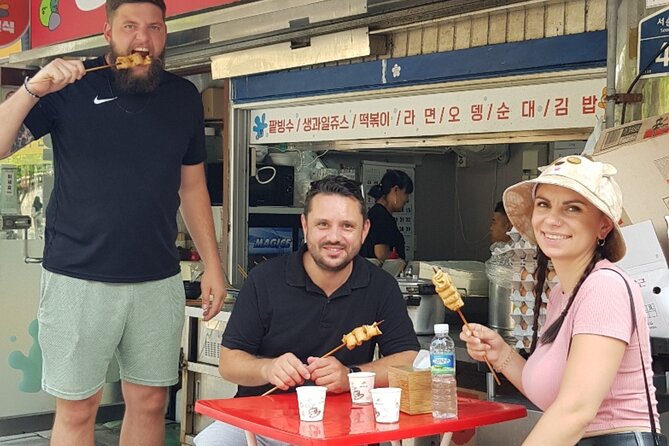
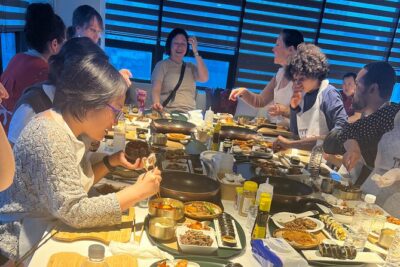
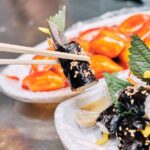
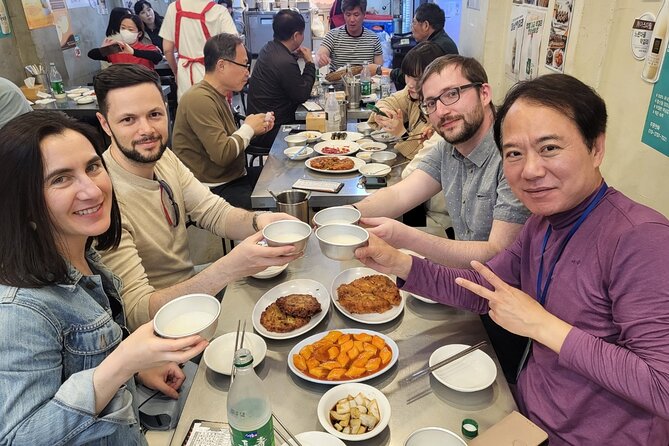
This is where the tour earns its keep. You get 3 to 5 kinds of street food tasting, and those are real stand-ins for Korean street favorites—not random bites picked for convenience.
Included items are:
- Mung-bean pancake (bindaetteok)
- Fish-cake
- Honey dessert
- Korean rice wine
From a value perspective, this is the difference between a walking tour that just happens to have snacks and one that truly includes food costs. At $48.60 per person, it’s not an all-you-can-eat deal, but it is a meaningful tasting set. You’re paying for time with a guide plus curated tastings that you might not assemble on your own.
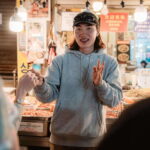
Also, having a guide matters when you’re tasting unfamiliar foods. Even if you just want the basics—what it is, what it tastes like, and why people order it—the explanations make each bite more satisfying. Alan Han’s approach of taking time and answering questions comes through here too, especially if you want to ask about ingredients or how locals eat these items.
One small practical note: you’ll likely be sampling foods across the market and neighborhood side in one afternoon stretch. If you’re sensitive to spice or strong flavors, decide early what pace you want to keep. The tour includes rice wine, so if alcohol isn’t your thing, you’ll want to plan accordingly before you go.
Price and Value: Is $48.60 Fair for Seoul?
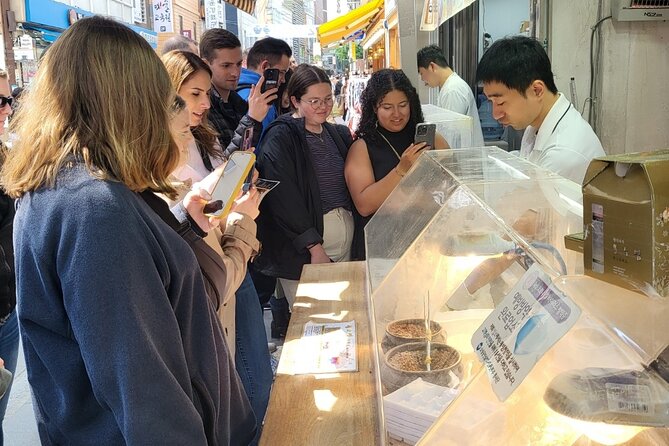
At $48.60 per person, this sits in the mid-range for guided food experiences. To judge value fairly, look at what’s included: an English-speaking professional guide, the tasting set (3–5 street foods plus honey dessert, fish-cake, mung-bean pancake, and Korean rice wine), plus time in major cultural neighborhoods.
You’re also getting a small group—maximum 10 travelers. In Seoul, where walking routes can be intense, group size affects comfort. A smaller group usually means you spend less time trying to navigate around other people and more time actually seeing and eating.
And the tour is built for a specific kind of traveler: someone who wants both culture and food, but doesn’t want to do two separate planning headaches. Insadong and Gwangjang Market are easy to reach on your own, but having someone connect them with stories is the main reason the experience feels worth it.
If you’re someone who already has a tight plan and prefers self-guided markets, you might not need a guide. But if you like structured wandering—plus tastings that reduce guesswork—this price makes sense.
Who This Tour Fits Best
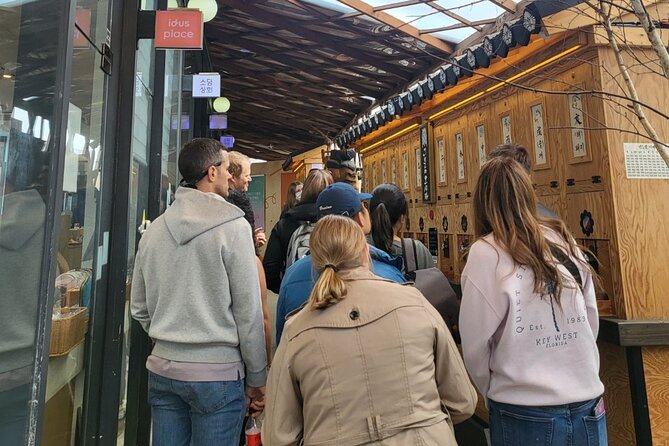
This experience is a strong match if you want:
- Insadong’s craft and tea culture without treating it like random browsing
- A market introduction to Gwangjang that focuses on recognizable street foods
- A guide who’s willing to answer questions, not just move you along
- A group size that stays manageable, with about 3 hours of time
It’s also a good option for early-day planning mistakes. Starting at 3:00 pm can save you if you’ve already filled the morning and you still want something meaningful before dinner. Just remember the weather requirement. If it’s pouring, you may end up with a rain-appropriate version of the same plan, or your tour may be changed.
Should You Book This Seoul Food Walking Tour?
I’d book it if your goal is to learn as you eat—especially if it’s your first time mixing Insadong with Gwangjang Market. The tastings included turn it into a real food experience, and the guide-led context makes the neighborhoods click instead of staying separate on a map.
Skip it only if you prefer fully independent wandering, or if you’re the type who hates walking through busy streets and market lanes. The tour works best when you’re ready to stroll, ask questions, and take a snack-first approach to Seoul.
FAQ
Where does the tour start?
The tour starts at Anguk Station in Seoul, South Korea at 3:00 pm.
How long is the tour?
The duration is about 3 hours (approximately).
What does the tour include for food and drinks?
It includes 3–5 kinds of street food tasting, plus honey dessert, fish-cake, mung-bean pancake, and Korean rice wine.
What stops are included during the walk?
You visit Insadong and Gwangjang-dong (Gwangjang Market). The tour also covers Ikseon-dong Alley as part of the neighborhood experience.
What’s the group size?
The tour has a maximum of 10 travelers.
Is the guide English-speaking?
Yes. The tour includes a professional English-speaking guide.
What if the weather is bad?
The tour requires good weather. If it’s canceled due to poor weather, you’ll be offered a different date or a full refund.