REVIEW · SEOUL
Seoul: Cooking Class and Tour with Michelin-Trained Chef
Book on GetYourGuide →Operated by Connecting Mangwon · Bookable on GetYourGuide
Markets first, pancakes second, Seoul all day. This hands-on Seoul cooking class with chef Pano starts at Mangwon Market, where you shop for fresh ingredients and snack your way through Korean street foods, then moves into a cozy kitchen to learn Jeon the right way. I also like how the market guide explains what you’re buying and why, so the cooking part feels grounded instead of random.
One thing to plan ahead: transportation isn’t included, and the meeting point is very specific—Connecting Mangwon sign outside Mangwon Station Exit 2 (Line 6).
In This Review
- Key things to look forward to
- Meeting Chef Pano at Mangwon Station (and keeping the day simple)
- Mangwon Seoul Market: choosing ingredients like you mean it
- Chef Pano’s kitchen: Jeon class built for real beginners
- The meal you make: soup, sides, and Makgeolli with your pancakes
- Chat with a Michelin-trained chef (and mix with other Seoul food people)
- Transportation, timing, and what the $83 really covers
- Who should book this Jeon + market class
- Should you book it? My take
- FAQ
- How long is the Seoul cooking class and tour?
- Where is the meeting point?
- Is transportation included?
- What language is the tour conducted in?
- How big is the group?
- What will I cook during the class?
- Is Makgeolli included?
- Do I need to bring ingredients or cooking supplies?
Key things to look forward to
- Mangwon Market shopping with a guide, plus street-food tastings to set you up for the meal
- Chef Pano’s instruction, including knife basics and step-by-step cooking guidance
- Jeon (Korean pancakes) made hands-on, plus a full plate of what you cook
- Makgeolli (rice wine) served with the meal, so you taste the culture alongside the food
- Small group of up to 8, which makes it easier to ask questions and actually cook
- Commemorative photo shoot to mark the experience, not just another meal out
Meeting Chef Pano at Mangwon Station (and keeping the day simple)
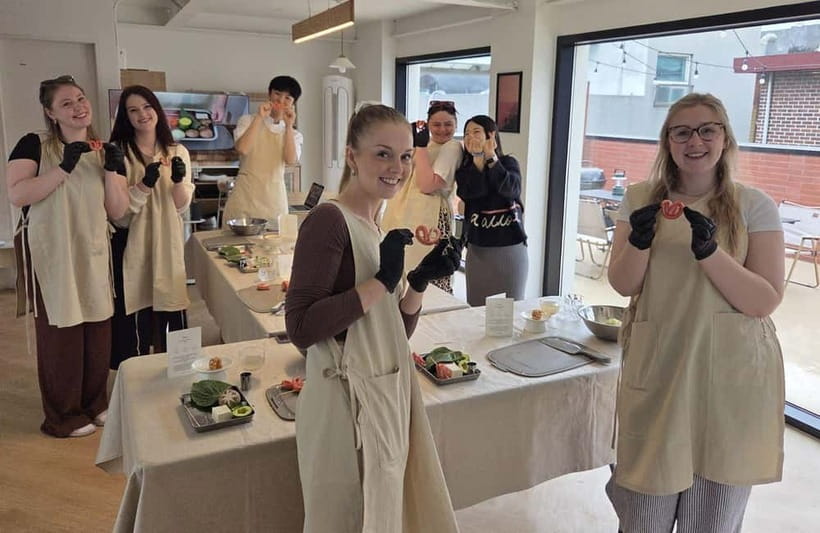
This experience is built around one clear idea: you’ll go from market shopping to cooking to eating, without the usual travel friction. The class runs about 150 minutes, with English instruction, and it’s limited to a small group (up to 8). That matters because cooking classes can become awkward when the group is big and the tools are limited. Here, you’re more likely to get direct help while you’re working.
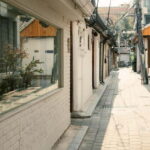
Your starting point is right off the subway at the Mangwon area. Look for the Connecting Mangwon sign in front of Mangwon Station Exit 2 (Subway Line 6). Since transportation to and from the meeting point isn’t included, I’d treat this like a neighborhood plan: give yourself a little extra time to find the right exit and arrive on time.
Good news: you don’t need to bring anything special. The tour includes the ingredients, cooking supplies, and everything needed for the market walk and the class. If you’re the kind of traveler who hates showing up to tours “unprepared,” this one is pretty painless—just show up hungry and ready to cook.
And the session isn’t only about food. You also get time to chat with the chef (with a Michelin background), plus a traveler networking moment with the other people in your group. It’s a nice mix: you cook, you eat, and you walk away with stories, not just recipes on a phone.
You can also read our reviews of more cooking classes in Seoul
Mangwon Seoul Market: choosing ingredients like you mean it
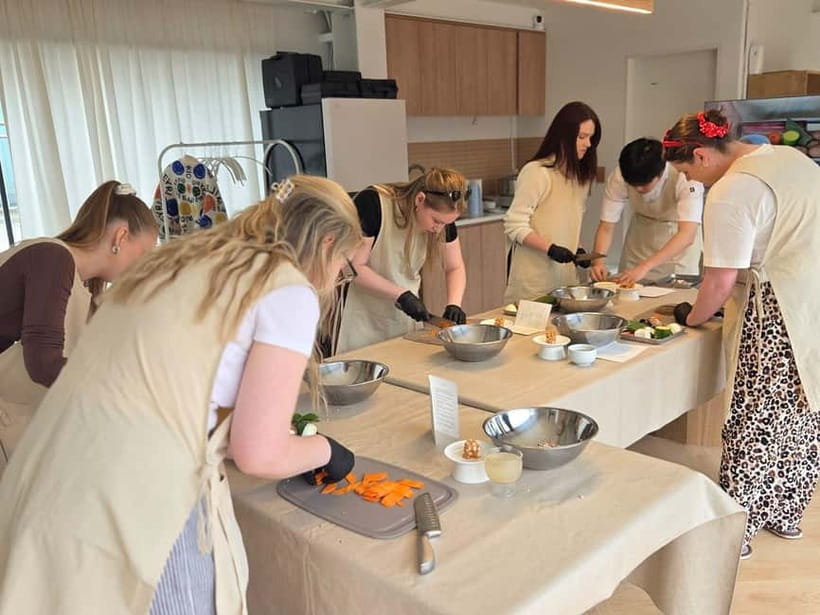
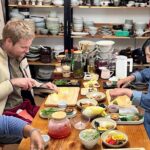
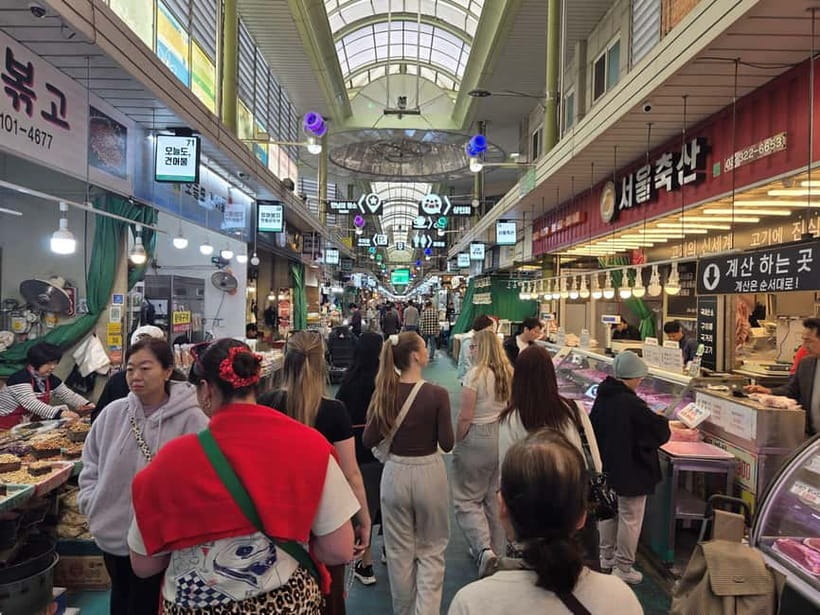
The market section is where this class earns its value. You’re not simply passing through stalls while someone talks at you. You’re actually learning how to read the food—what looks fresh, what’s commonly used for Korean pancakes and sides, and what you should buy based on how you’ll cook it later.
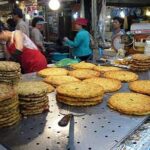
You’ll start with a guided tour of Mangwon Seoul Market, led by the team behind the experience. The guide takes you along the market route, points out ingredients you’ll use, and also stops for street-food tasting. That tasting part is important because Korean street food can be a whole category of flavors on its own. If you’ve only had Korean food in restaurants, you’ll likely spot differences in textures, seasoning, and how things are served.
Another detail I like: the guide sets up the cooking class before you reach the kitchen. When someone explains what you’ll be making (and how market ingredients relate to it), you spend less time wondering what’s going on and more time learning the method. In other words, the market isn’t “background entertainment.” It’s prep work for your hands-on cooking.
From the way the day is described, you’ll also get a real shopping component—you handpick ingredients. That turns the whole experience into something you can repeat. Even if you don’t cook the same dish again immediately, you’ll leave knowing what to look for the next time you’re buying Korean ingredients.
Chef Pano’s kitchen: Jeon class built for real beginners
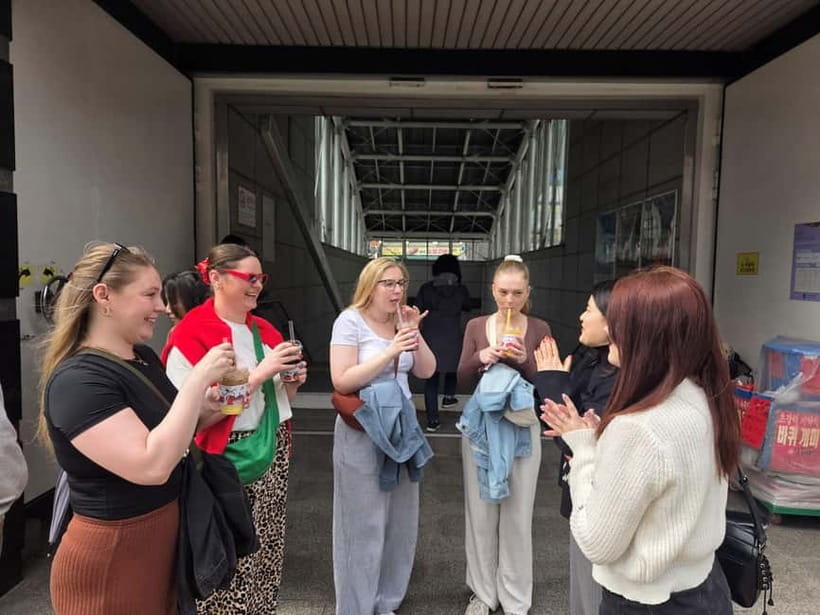
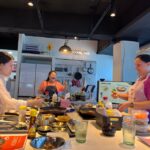
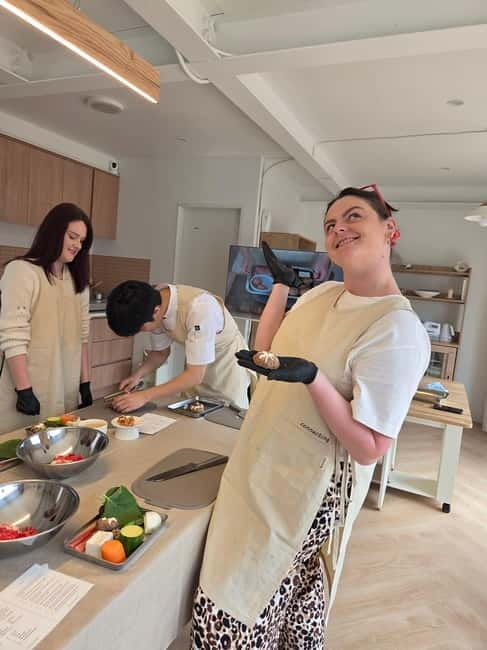
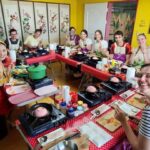
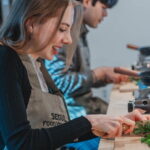
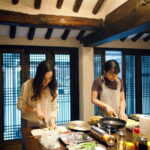
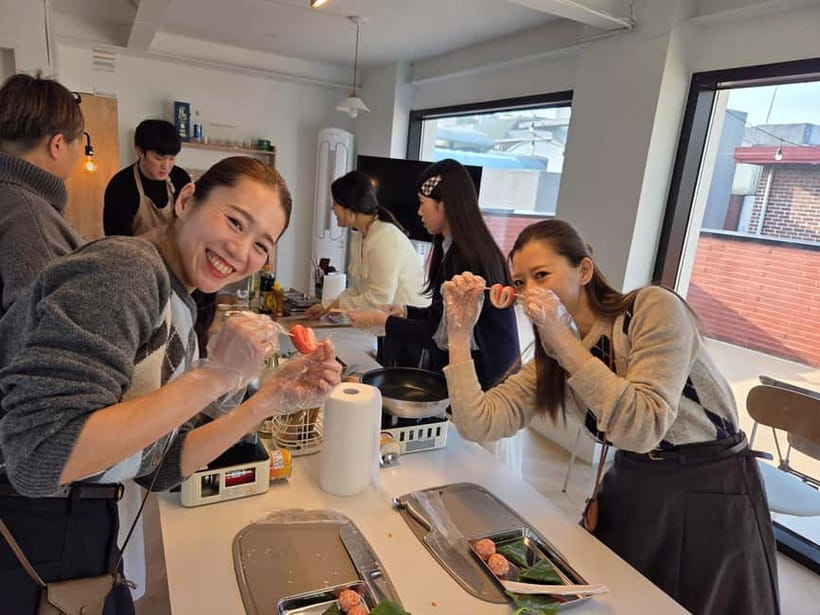
Then you head to the nearby kitchen/studio. This is where the pace shifts from wandering to working. Expect a hands-on cooking class where you prepare various types of Jeon (Korean pancakes). The class isn’t presented as a culinary boot camp. It’s set up for you to follow along step by step, with enough structure that you can keep up.
One of the most practical teaching moments is the knife guidance. Chef Pano goes over basic technique—how to hold a knife properly—so you’re not just copying movements. When a teacher gives you that foundation, it reduces mistakes and makes the rest of the prep feel calmer.
You’ll likely appreciate this if you’re a first-time cook in Korea. Jeon can look simple, but getting the batter and handling right makes a difference. The format here—step-by-step instructions, plus chef supervision—helps you build confidence while you work.
Another plus is that you’re not cooking one tiny snack and then leaving. You’re making a set of pancakes and other items, and the chef also prepares additional components for the meal. That means your plate at the end isn’t missing the supporting cast that makes Korean comfort food taste complete.
If you’re wondering how personalized it feels: the group is capped at 8, and on at least one booking, it ended up being just a couple in the class. That kind of small-group turnout usually means you get more attention while cooking and more room for conversation while the food cooks.
The meal you make: soup, sides, and Makgeolli with your pancakes
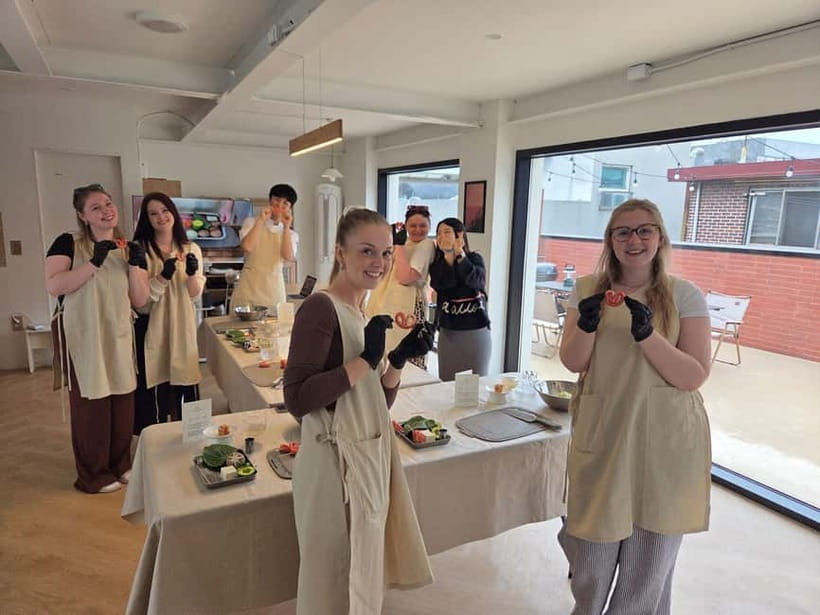
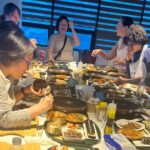
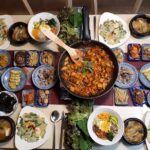
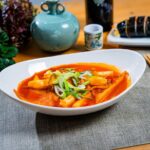
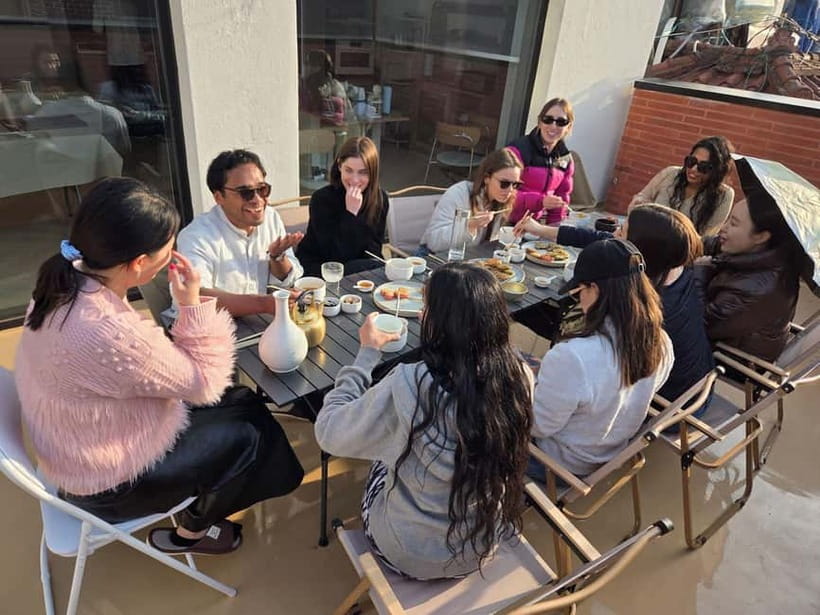
After you cook, you sit down and eat what you made. This matters because the “value” of a cooking class isn’t only in the instructions—it’s in the payoff. Here, you’re served the Jeon you prepared, plus a traditional Korean soup and a variety of side dishes that round out the meal.
You’ll also get traditional drink pairing. The class includes Makgeolli, a Korean rice wine. It’s not just a token drink. It’s served with the food, which gives your meal an added layer of taste and atmosphere. If you’re used to eating Korean food with beer or soju, Makgeolli feels different—slightly tangy and milky, and a bit more casual in vibe.
One of the most memorable parts of a class like this is when you realize you can taste the difference between store-bought impressions and something you handled yourself. When you’ve mixed batter, cooked the pancakes, and adjusted your own workflow, the final plate feels earned.
And yes, you’ll get to chat during the experience. Chef Pano also takes time to talk with the group, sharing context about the food you cooked and answering questions. That sort of conversation is where the meal becomes cultural, not just tasty.
Chat with a Michelin-trained chef (and mix with other Seoul food people)
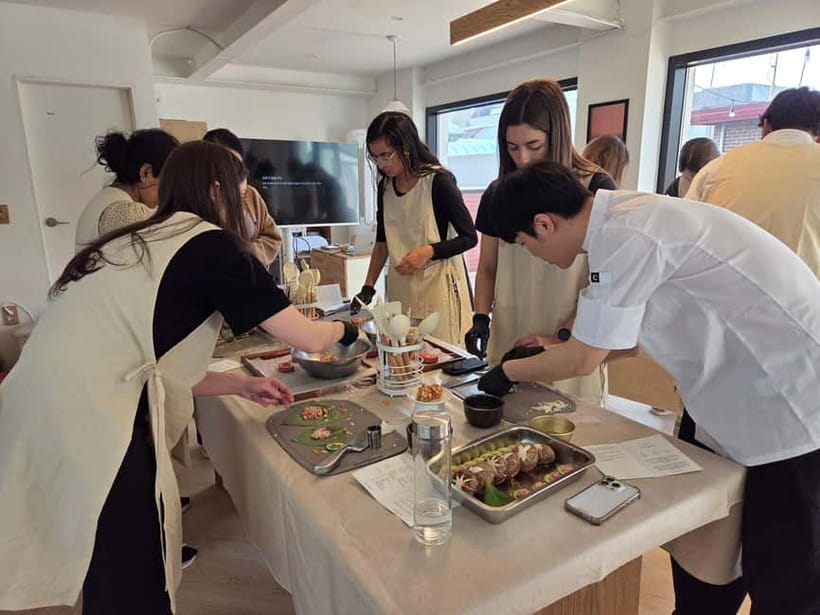
This tour includes time to chat with the chef, who has Michelin-star background. You don’t have to be a foodie to get value here. Even if you’re just curious why certain Korean ingredients behave the way they do, a chef with that level of training can explain things in normal human language.
I like the tone implied by the way the class is run: clear, fun, and focused on getting you through the steps. That makes it easier to relax and ask questions. Instead of feeling judged for not knowing Korean cooking, you feel guided.
You also get a traveler networking session. It sounds like a small line item, but in practice it changes the feel of a class. Cooking together breaks the ice fast. People end up swapping travel tips for Seoul, asking where others have eaten, and comparing what they’ve tried so far.
If you’re traveling solo, this is one of those rare activities that naturally creates conversation. If you’re a couple, it can still feel special because you’re doing something active together and sharing a meal you made. And if you’re a small group, the questions don’t get lost in the noise.
You can also read our reviews of more tours and experiences in Seoul


Transportation, timing, and what the $83 really covers
Let’s talk value. At $83 per person for about 150 minutes, this isn’t a bargain cooking class. But it also isn’t a “watch someone cook” situation. You’re paying for a full flow: market guidance, ingredient shopping, street-food tasting, hands-on cooking instruction, the meal you eat, drinks, and a chef conversation—plus a commemorative photo shoot.
It’s especially good value if you’d otherwise spend money on separate experiences:
- a market tour with tasting
- a Korean cooking class
- a sit-down meal
- and a drink
Here, those pieces are folded together.
The “watch-outs” are straightforward. Transportation to and from the meeting point isn’t included, and you need to show up at the right spot near Mangwon Station Exit 2. Also, the class is English, so that’s your language channel for instruction and Q&A.
Another practical point: if you have food allergies, you should tell the operator ahead of time. The info says they can prepare an alternative dish for allergies. That’s exactly what you want to see in an activity where you’re shopping ingredients and cooking.
Who should book this Jeon + market class
This is best for you if:
- you like markets and want to shop for ingredients, not just look
- you want a hands-on cooking skill you can repeat at home
- you enjoy learning the story behind food (not only eating it)
- you prefer small groups where you can actually ask questions
It’s also a strong pick for “Korea-curious” travelers who don’t want only tourist sites. Seoul has a lot of big-name landmarks. This experience gives you something messier, more personal, and more practical: cooking and tasting in the place where ingredients make sense.
One more reason I think it works: the structure reduces decision fatigue. You don’t have to plan what to eat at the market, what to cook, or where to go next. The day moves in a line—market, kitchen, meal—so you can spend your energy on learning and tasting.
Should you book it? My take
If you want to do more than eat Korean pancakes, book this. The combination of Mangwon Market shopping, Jeon cooking with a Michelin-trained chef, Makgeolli, and the chance to chat in a small group makes it a balanced experience: practical skills, cultural context, and a genuinely satisfying meal.
Skip it if you can’t get to the meeting point on your own or if you’re looking for a purely passive food tour. But if you’re happy to roll up your sleeves, this is one of the better ways to understand Korean flavors—because you handle the ingredients, cook the pancakes, and then eat the results while the story is still fresh.
FAQ
How long is the Seoul cooking class and tour?
The experience lasts about 150 minutes.
Where is the meeting point?
Meet at the Connecting Mangwon sign in front of Mangwon Station Exit 2 (Subway Line 6).
Is transportation included?
No. Transportation to and from the meeting point is not included.
What language is the tour conducted in?
The tour guide provides instruction in English.
How big is the group?
The class is a small group limited to 8 participants.
What will I cook during the class?
You’ll make Korean pancakes, called Jeon, and you’ll also be served soup and side dishes prepared for the meal.
Is Makgeolli included?
Yes. You’ll enjoy the Jeon with Makgeolli.
Do I need to bring ingredients or cooking supplies?
No. All ingredients and cooking supplies are included, and no additional preparation is needed.