REVIEW · SEOUL
Half Day Korea DMZ Tour/ opt: suspension bridge
Book on Viator →Operated by SEOUL CITY TOUR CO. LTD. · Bookable on Viator
DMZ day trips teach Seoul’s biggest story. This half-day coach tour gives you an expert DMZ history briefing and close-up stops tied to the Korean War, including an artifacts-filled park by the Imjin River. Then you’ll get Dora Observatory time with binoculars to look toward Kijongdong. The main drawback is that parts of the visit involve moderate walking, including a steep, narrow tunnel section that can feel like a mini workout.
I like the way this feels structured but not rushed: you ride in an air-conditioned coach, keep the group small (up to 40 people), and move stop to stop with clear guidance. Guides can make a big difference, and Seoul City Tour staff show up repeatedly in the feedback—people mention AJ, Grace, Lisa Choi, Sadie, Katie, and Laura for clarity and timing.
You’ll finish back at City Hall. If you’re choosing between mornings and afternoons, note that the afternoon departure has a minimum of 2 adults. Also, bring the mindset that the DMZ runs by its own rules; military conditions can change what’s possible that day.
In This Review
- Key Things I’d Mark in Your DMZ Checklist
- Half-Day DMZ Tour From Seoul: What You Really Get for $35
- Getting There the Easy Way: City Hall, Coach Ride, and Mobile Ticket
- Imjingak Pyeonghoa-Nuri Park: Artillery, War Relics, and a Riverfront Pause
- The Bridge Stop and the Suspension Bridge Option: POW Repatriation Still Makes It Real
- Dora Observatory: Binocular Scanning and the Kijongdong Explanation
- The 3rd Infiltration Tunnel: A Narrow Walk That Hits Hard
- Stop Timing and Tour Pace: How to Stay Present Without Losing the Day
- What the Guide Adds: The Difference Between Hearing and Understanding
- When the DMZ Changes Plans: Cancellations and No-Refund Days
- Who This DMZ Half-Day Tour Is Best For
- Should You Book This DMZ Half-Day Tour?
- FAQ
- Do I need a passport for this DMZ tour?
- Where do I meet, and where does the tour end?
- How long is the tour?
- What’s included in the tour price?
- How much walking is involved?
- What if the itinerary changes due to military conditions?
Key Things I’d Mark in Your DMZ Checklist
- Binocular viewing at Dora Observatory: you get a designated moment to scan across toward Kijongdong.
- Imjingak Park war artifacts: artillery and Korean War-era pieces make the story feel less abstract.
- The 3rd Infiltration Tunnel: there’s real walking involved, and comfy shoes matter.
- Bridge stop tied to POW repatriation: you’ll see the bridge area where thousands of Korean POWs crossed back home.
- Small group cap (40 max): easier to hear your guide and keep to the schedule.
Half-Day DMZ Tour From Seoul: What You Really Get for $35
At $35 per person, this is one of those deals that looks almost too reasonable until you tally the inclusions. You’re paying for guided interpretation plus transportation in an air-conditioned coach, and the stop admissions are included at multiple points. For a place like the DMZ, that matters because you’re not just buying a ticket—you’re buying context so the sites actually make sense.
The big value is how the guide stitches the pieces together. You’ll get an overview of modern Korean history during the ride, and then each stop lands as part of one chain: war memories, border barriers, and what everyday life might look like on the other side.
If you’re expecting scenic sightseeing, adjust your expectations. This is a guided history and observation experience. It’s sobering, but it’s also practical: you learn what you’re seeing and why it matters.
You can also read our reviews of more tours and experiences in Seoul.


Getting There the Easy Way: City Hall, Coach Ride, and Mobile Ticket
This tour starts and ends at City Hall in Seoul, which is helpful if you’re already planning your days around central landmarks. You’ll need to grab the exact meeting place and time from the operator before you go, since the meeting point details can be specific.
You’ll travel by coach with air-conditioning, and the day runs long enough (about 6 hours) that the ride comfort matters. A mobile ticket is included, which cuts down on paper scrambling.
One thing to double-check in your planning: there’s some mismatch in the provided info about pickup. The safe move is to treat City Hall as your anchor and follow the operator’s exact instructions for where you board.
Imjingak Pyeonghoa-Nuri Park: Artillery, War Relics, and a Riverfront Pause
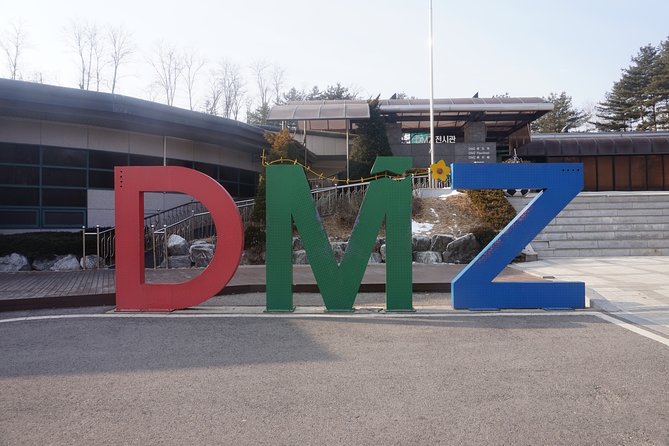
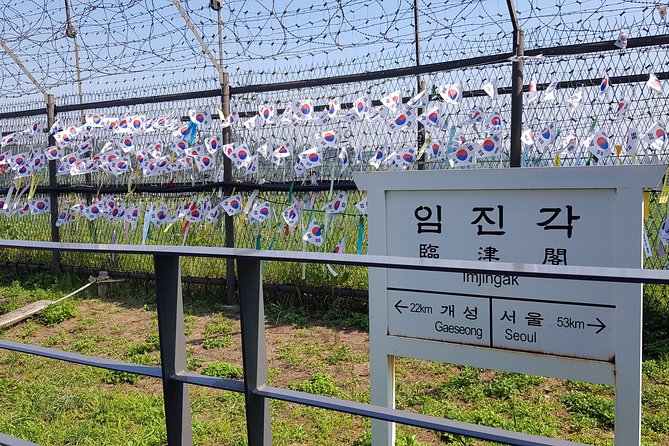
The first stop is Imjingak Pyeonghoa-Nuri Park along the Imjin River. You get about 30 minutes here, and that time is built for one purpose: seeing artifacts from the Korean War and understanding how the border and conflict shaped lives.
This is where “DMZ” becomes more than a map label. Seeing artillery and war items up close gives you scale. It also sets the tone for the rest of the day—after this, the tunnel and observation areas hit harder, because you’ve already been shown tangible remnants of the conflict.
A practical tip: that park time is short. Use it to look first, then read, then listen to your guide’s framing. Don’t try to photograph everything—focus on a few strong images that you can later connect to the stories you’ll hear.
The Bridge Stop and the Suspension Bridge Option: POW Repatriation Still Makes It Real
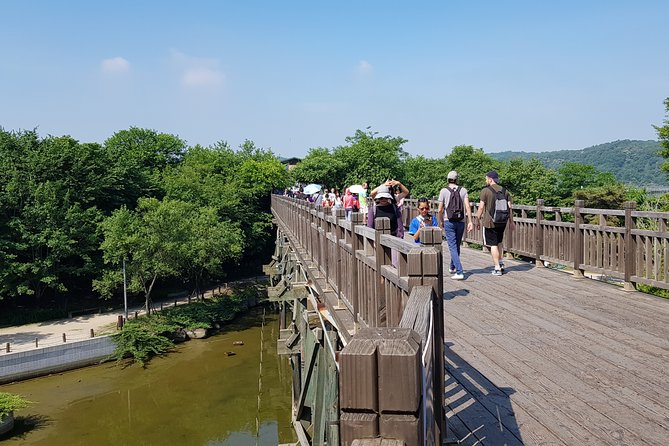
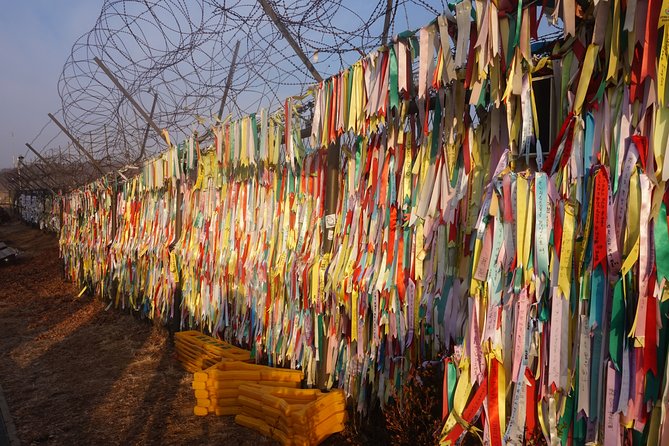
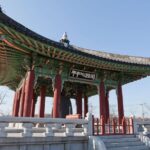
After the park, you’ll go to the Freedom bridge area, the crossing associated with Korean POWs returning home. The tour description connects this bridge directly to the repatriation story, which is one reason the stop sticks in your memory.
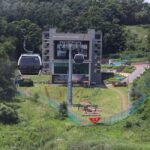
Some departures include an option related to a suspension bridge. The key point for you is not the name—it’s the symbolism and the fact that you’re standing where a major human story played out. If your booking includes that option, wear shoes you can walk in comfortably and follow any photo and movement rules your guide gives you.
This isn’t the kind of stop where you need long lingering. It’s short, meaningful, and it helps explain why “border” is such a charged word on the Korean Peninsula.
Dora Observatory: Binocular Scanning and the Kijongdong Explanation
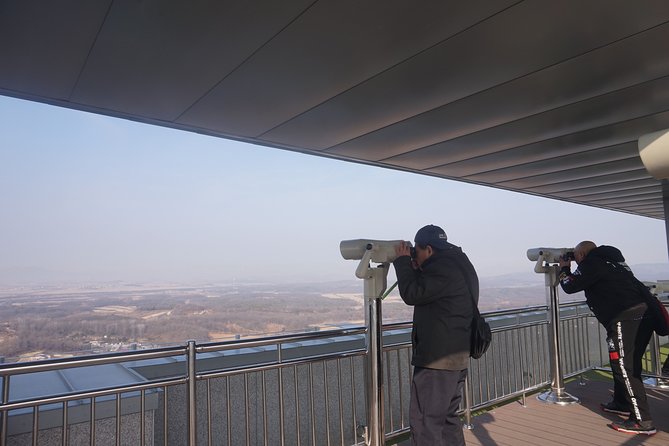
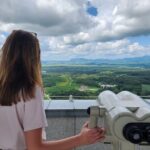
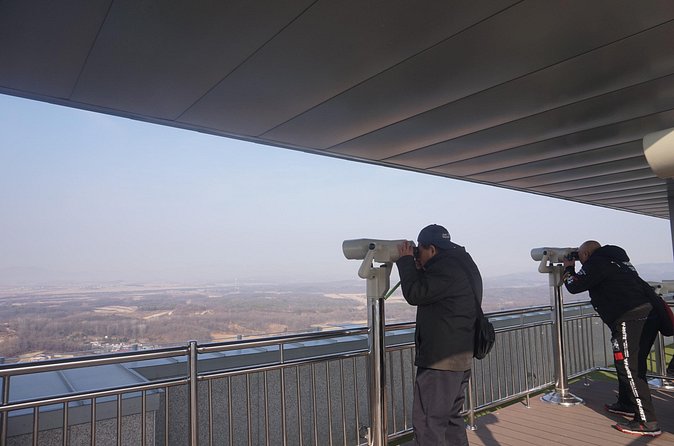
Next up is Dora Observatory. The plan includes time to use binoculars to look toward Kijongdong, a North Korean village across the river. You’ll also hear your guide explain what daily life there is like, at least as understood through the lens of this viewing point.
You get about 30 minutes for this part, which sounds brief until you realize how hard it can be to focus through haze or bright light. This is where a clear day can make a noticeable difference, and your guide will likely work with viewing angles and timing.
If you want to make the most of your binocular time, do this:
- Start by finding your target area quickly, then take a few slow looks.
- Switch between binocular view and the guide’s pointed direction so you understand what you’re actually looking at.
This is also where the emotion of the day becomes personal, because you’re not just hearing about separation—you’re doing the act of looking across it.



The 3rd Infiltration Tunnel: A Narrow Walk That Hits Hard
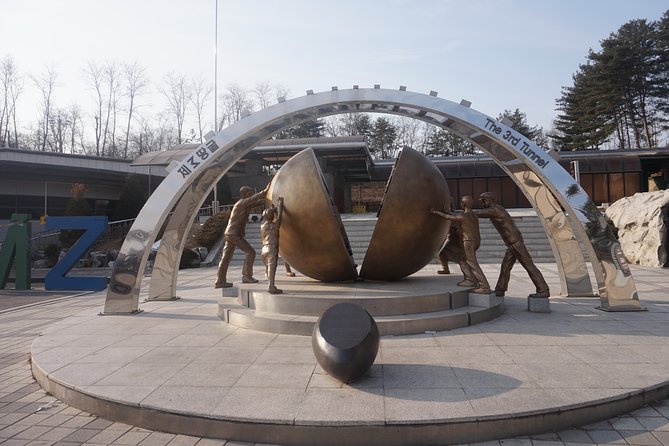
One of the most physical parts of the tour is the 3rd Infiltration Tunnel. It’s located beneath the border area, and you’ll get a chance to see what’s often described as a key route associated with infiltration efforts.
The important part for your comfort: the info notes moderate walking through a steep and narrow tunnel. That means:
- Wear comfortable shoes you can trust on uneven or tight spaces.
- Dress in layers if you run cold easily, since tunnels can feel cooler than the outside air.
This stop is a strong value addition because it turns political talk into something your body understands. It’s not fun, exactly, but it’s memorable in the best way.
Stop Timing and Tour Pace: How to Stay Present Without Losing the Day
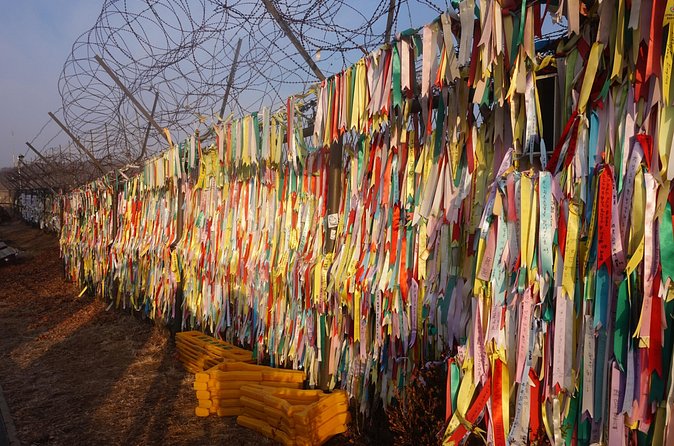
The overall timing runs about 6 hours, with scheduled time blocks at each stop. Re-boarding happens between locations, and your guide gives context both on the coach and at the sites.
I like that the structure leaves room to actually look at each place, instead of doing the classic bus-tour pattern of constant rushing. Even so, you should expect the day to feel focused, not freeform. This is one of those tours where “on time” is a gift.
If weather is messy, don’t panic. The provided info doesn’t promise perfect conditions, but it does suggest the schedule is managed to keep you moving and seeing the key points. A cloudy or rainy day can soften the viewing, though. If you care most about the binocular portion, consider choosing a day with the clearest forecast you can find.
What the Guide Adds: The Difference Between Hearing and Understanding
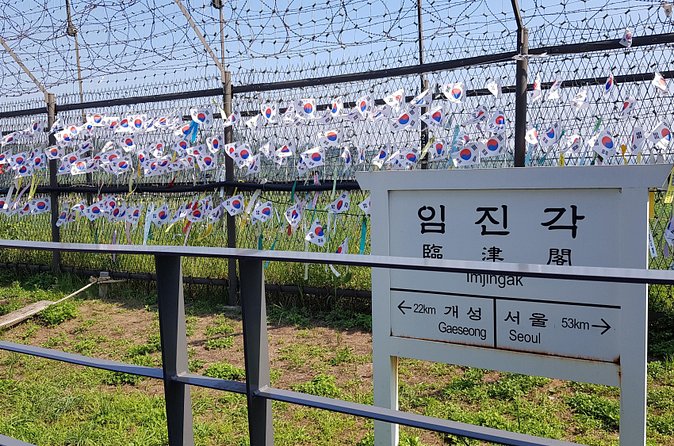
One theme in the feedback is how guides turn the DMZ into a coherent story. People specifically call out guides like AJ, Grace, Sadie, Katie, Erica, and Laura for being energetic, organized, and clear on both history and logistics.
Here’s why that matters: the DMZ includes different “types” of experiences—war artifacts, observation points, and a tunnel walkthrough. Without an interpreter, you might see objects and locations but miss the logic tying them together.
With a strong guide, you’ll come away with better mental anchors:
- what you’re seeing at each stop,
- how border mechanisms developed,
- and how Korean War events echo in the present-day geography you’re standing in.
If you’re the type who likes to ask questions, this tour format tends to work well. Your guide’s commentary is part of the payoff, not a random add-on.
When the DMZ Changes Plans: Cancellations and No-Refund Days
This is the part you should plan for mentally. The tour info states that if parts of the itinerary are cancelled due to unexpected military conditions or local circumstances, there will be no refund for that situation. That doesn’t mean it happens often, but it does mean you should keep your plans flexible.
Also, a passport is required the day of travel. If you don’t have a current valid passport, you can’t count on the day going smoothly.
A quick mindset tip: treat this like a weather-dependent, security-dependent experience. Your attitude matters more than your schedule certainty.
Who This DMZ Half-Day Tour Is Best For
This tour suits you if you want a high-impact day without committing to a full multi-day trip. It’s also a good fit if you like structured guidance and want the history explained in a way that connects the dots.
You’ll probably enjoy it most if:
- you’re curious about Korean War context and how it shapes today,
- you don’t mind short walking spurts and a narrow tunnel section,
- you want binocular viewing time without trying to plan it all yourself.
If you’re sensitive to tight spaces or are dealing with mobility limits, consider the tunnel walking carefully. The description calls it steep and narrow, so it’s not the kind of stop you can casually skip.
Should You Book This DMZ Half-Day Tour?
If you want the most practical DMZ introduction from Seoul, I’d book it—especially at this $35 price point with guided interpretation and included admissions. You get a balanced mix of war artifacts, border-scale observation, and the physical reality of the tunnel.
I’d book it with two conditions in mind:
- You’re comfortable with a moderate-walk day and the tunnel section.
- You accept that the DMZ can change under security realities, and the tour may not refund if parts are cancelled.
If you’re trying to choose between this and a DIY approach, this option wins on context. The DMZ is not intuitive. A good guide helps you see what matters fast.
FAQ
Do I need a passport for this DMZ tour?
Yes. You need a current valid passport on the day of travel. The instructions also say you do not need to send a copy of your passport.
Where do I meet, and where does the tour end?
You start and end at City Hall in Seoul. You must get the exact meeting place and time from the local tour operator before departure.
How long is the tour?
The tour runs for about 6 hours approximately.
What’s included in the tour price?
It includes an expert guide and transport by comfortable, air-conditioned coach. Admission tickets are included for the stops where tickets apply (the park and observatory-related stops listed).
How much walking is involved?
There is a moderate amount of walking, including a steep and narrow section in a tunnel. Comfortable clothes and shoes are recommended.
What if the itinerary changes due to military conditions?
If part of the itinerary is cancelled due to unexpected military conditions or local circumstances, there will be no refund.