REVIEW · SEOUL
Private DMZ Tour
Book on Viator →Operated by SEOUL CITY TOUR CO. LTD. · Bookable on Viator
A DMZ tour is not just sightseeing. It’s a chance to understand how one peninsula became two stories, told along a razor-thin border line.
I like how this is set up as a true private experience with an expert guide focused on your questions. Two big wins for me: you get round-trip hotel pickup (so you don’t wrestle transit on a tight schedule), and you’re taken to major DMZ sites like Freedom Bridge and the DMZ Exhibition Hall.
One thing to plan for: the day can get modified if military or local conditions shut things down, and the tour includes a steep, narrow tunnel that takes stamina and some crouching.
In This Review
- Key highlights in plain terms
- Why a private DMZ day feels different in practice
- 6 hours, pickup at 8:00am, and how to manage the schedule
- Imjingak Park on the Imjin River: where artifacts do the talking
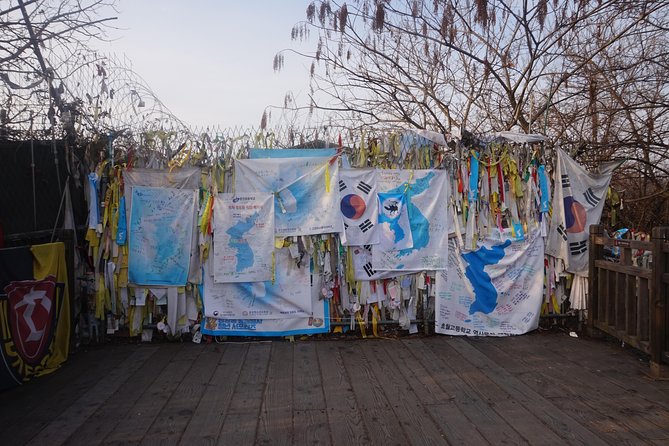
- Freedom Bridge: the crossing story behind the view
- DMZ Exhibition Hall and Dora Observatory: seeing the border through curated lenses
- The Third Infiltration Tunnel: worth it, but plan for the workout
- What you’re actually paying for: the $240 value check
- Guides are the difference: names you may want to look for
- Practical tips that matter on a DMZ day
- Should you book this Private DMZ Tour from Seoul?
- FAQ
- How long is the private DMZ tour?
- Is hotel pickup and drop-off included?
- What time does the tour start?
- Do I need a passport for this tour?
- Is lunch included?
- Are tram and other transit options included?
- What happens if conditions force changes to the itinerary?
Key highlights in plain terms
- Private guide attention on the drive, so history feels connected instead of list-shaped
- Imjingak Park along the Imjin River for war artifacts and the human side of the split
- Freedom Bridge viewpoint tied to the return of POWs to South Korea
- Dora Observatory binocular viewing for a rare look toward North Korea
- Third Infiltration Tunnel walkthrough with real physical effort (wear proper shoes)
- Hotel pickup and drop-off plus admission fees included for fewer hidden costs
Why a private DMZ day feels different in practice
A DMZ trip can go two ways. Either you sit on a bus, hear facts, and move on. Or you ask follow-up questions and actually understand what you’re seeing.
This one leans hard into the second option. You’re with a guide who talks you through the dividing line while you’re still on the road. That early context matters, because the sites later on can feel symbolic unless someone helps you connect them.
It’s also built for a smaller, more personal pace. Even with the reality of access rules on the Korean side, the “private” part still shows up in how you’re managed, guided, and handled through the day.
You can also read our reviews of more private tours in Seoul
6 hours, pickup at 8:00am, and how to manage the schedule
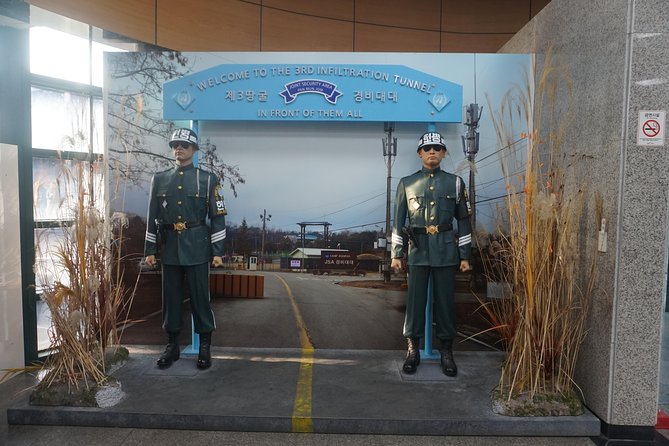
The tour runs about 6 hours. The start time is listed as 8:00am, and the operator will confirm your exact pickup time. In other words: it’s an early day, but it’s not a full-day marathon.
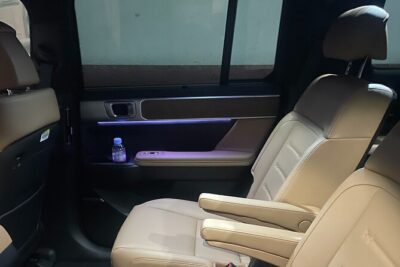
The practical value of hotel pickup is huge. DMZ logistics in Seoul can be a time sink, especially if you’re staying outside the core neighborhoods. Here, the transport is part of the package: a comfortable, air-conditioned coach plus hotel transfers.
One timing note that can affect your expectations: access to certain DMZ areas may require moving with a larger bus crowd at some point during the day, since only specific vehicles may be allowed inside certain checkpoints. The ride to DMZ can be private, but once you’re at the controlled zones, you may be guided into the required flow.
Imjingak Park on the Imjin River: where artifacts do the talking
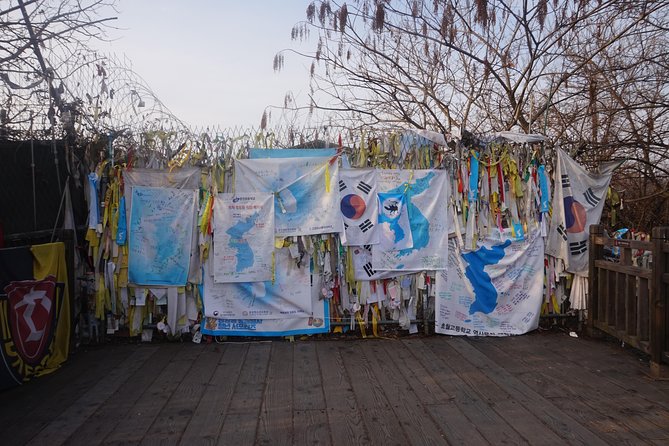
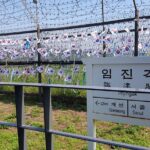
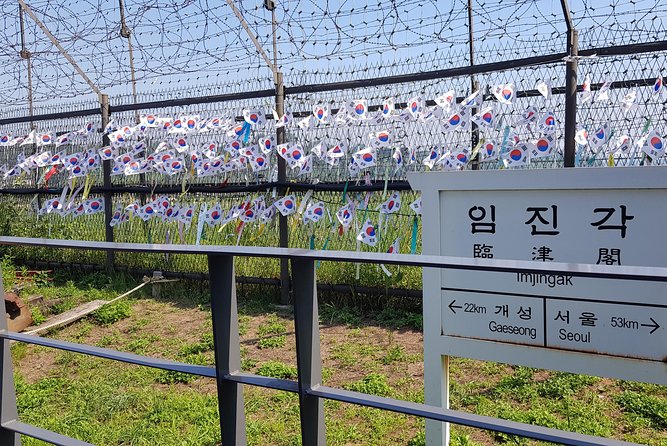
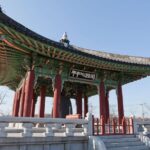
The day starts with a stop at Imjingak Park, set along the banks of the Imjin River. This is a strong first landing point because it’s close to the theme of the DMZ itself: separation, conflict, and the long trail of consequences.
You’ll see artillery and war artifacts used during the Korean conflict. This is the part of the tour where a good guide can turn objects into meaning. Without that explanation, it’s easy to see “old stuff.” With it, it becomes proof of what this border has cost.
The benefit here is emotional clarity. Imjingak Park helps you understand why later viewpoints like Freedom Bridge aren’t just scenic spots. They’re markers tied to specific moments.
Freedom Bridge: the crossing story behind the view
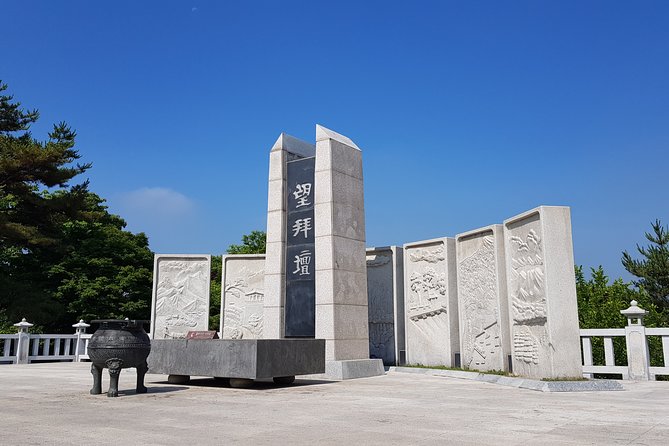
Next up is Freedom Bridge, where nearly 13,000 Korean POWs crossed on their return back home to South Korea. Even if you’ve read a headline or two, this kind of place makes the history feel less abstract.
Why it’s worth prioritizing: this site is designed for witnessing. You’re meant to look at the border area, then connect what you see to the human movement that happened here.
A good guide also helps you translate what the bridge represents versus what the bridge physically shows. That’s where private attention pays off—you can ask, and you’ll get a tailored explanation instead of waiting your turn.
DMZ Exhibition Hall and Dora Observatory: seeing the border through curated lenses
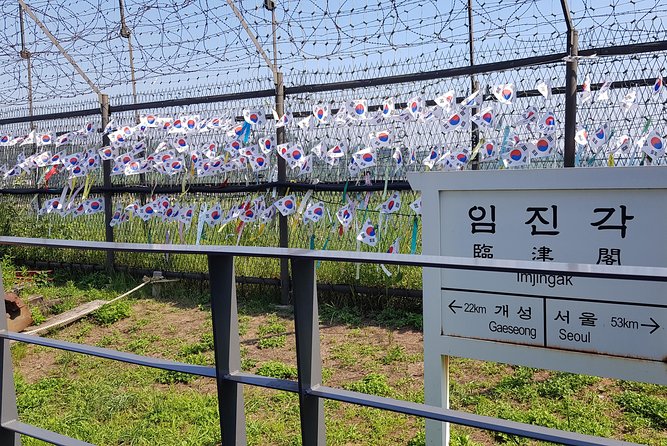
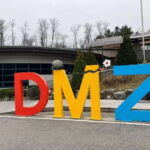
This tour targets two “learning” stops: the DMZ Exhibition Hall and Dora Observatory. Together, they handle two different types of understanding.
- The Exhibition Hall gives you structured context. You’re walking through a story, and the guide can connect dates, decisions, and geography.
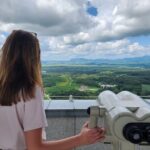
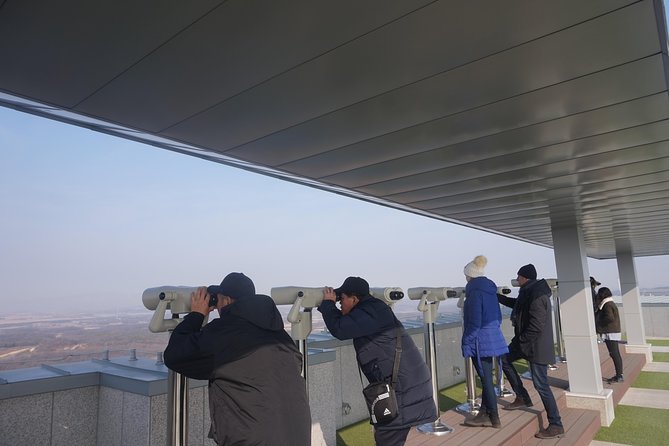
- Dora Observatory adds the visual layer. You get binocular viewing toward North Korea, which is the moment many people are waiting for.
The value of this pair is balance. The hall helps you build the framework. Dora helps you test that framework against what you can actually see from a controlled vantage point.
One practical detail to take seriously: the tour includes instructions about when and where you may take photos. Also, photos are reported as not allowed at the observatory and tunnel. So if you love picture-taking, you’ll want to follow the guide’s directions closely and save your shots for permitted areas.


The Third Infiltration Tunnel: worth it, but plan for the workout
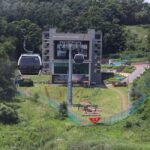
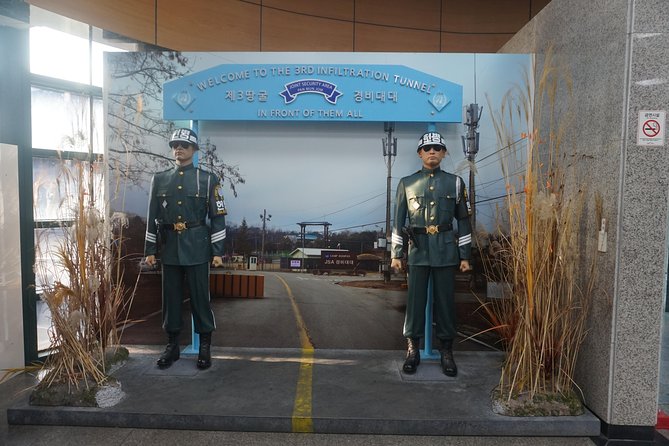
If you want the most memorable moment, this is it. The tour includes the 3rd Infiltration Tunnel, located beneath the border between North and South Korea.
The physical reality matters. You’ll walk through a moderate amount of walking through a steep and narrow tunnel. Expect stamina needs. Taller guests should also be ready for crouching during parts of the route.
This is also the spot where the tour can feel more intense than people expect. One review noted the tunnel requires stamina to walk back out after the tour, even if it’s described as a ramp. Translation: don’t treat it like a quick corridor.
My advice: wear shoes you trust for traction, and keep your expectations realistic. You’re going somewhere built for function, not comfort.
What you’re actually paying for: the $240 value check
At $240 per person, the sticker price can look steep at first glance. But this is one of those tours where value depends on what’s bundled.
Here’s what you get that reduces your extra costs and friction:
- Expert guide
- Comfortable, air-conditioned coach
- Hotel pickup and drop-off
- Admission fee included
What you don’t get:
- Tram (not included)
- Lunch (not included)
That mix is common for DMZ access days, but it still affects your day planning. Since lunch isn’t included, you’ll want to budget time and money accordingly. And if you’re the kind of person who loves getting every transportation option inside a complex site, you may need to add the tram cost separately.
The private part is the other reason the price can make sense. You’re paying for more than route coverage. You’re paying for the ability to keep asking questions, clarify confusion, and get direct answers from someone guiding the pace.
And there’s another value signal: the tour shows a strong approval rate—98% recommended and an overall 4.9 rating from 240 reviews—which usually means people felt the day matched the cost.
Guides are the difference: names you may want to look for
DMZ tours live or die by interpretation. The sites are powerful, but your guide makes them understandable.
This tour has worked with a range of guides, and their styles show up clearly in feedback. For example, guides like Lloyd and Jun are praised for breaking down the story clearly and making the tunnel experience feel unforgettable. Others, like Sally and AJ, are credited with taking care of details and making the day feel smooth even with questions and changing conditions.
You’ll also see appreciation for guides who handle comfort and pacing. One guide, Miel, was specifically praised for using photos and maps to explain what you’d be seeing, and for helping navigate checkpoints without stress. Felicity was highlighted for preparedness during an unexpected moment at Dora Observatory, which underlines how “responsiveness” matters on a day like this.
Bottom line: a private DMZ tour should feel like a guided conversation with key stops—not a shouting match on a bus. When a guide is strong, the whole day clicks.
Practical tips that matter on a DMZ day
A DMZ day has rules. You’re crossing into controlled spaces where logistics and safety come first.
- You’ll need a current valid passport on the day of travel. No passport copy submission is required, but don’t forget the original.
- Wear comfortable clothes and shoes, especially if you expect the tunnel to require crouching or careful footing.
- Follow your guide’s instructions about photos. Some areas are restricted, including the observatory and tunnel.
- Expect some walking, and remember that conditions can change. The tour notes that parts of the itinerary can be canceled due to unexpected military conditions or local circumstances, and in those cases there’s no refund.
This isn’t meant to scare you. It’s meant to help you plan emotionally. A DMZ tour is high-impact, but you’re operating in a real security environment.
Should you book this Private DMZ Tour from Seoul?
You should book it if you want a DMZ experience that feels personal, guided, and anchored to context—not just a checklist of famous spots. The combination of hotel pickup, admission included, and a guide who stays close to your group is exactly what helps the day feel worth the effort.
You might pause if:
- You know you struggle with tight, steep, and narrow spaces. The tunnel is part of the core experience.
- You’re the type who gets very frustrated when weather or security conditions force changes. This day can pivot.
If you do book, make it easier on yourself: go in expecting history plus a workout moment, and you’ll get more from every stop.
If your goal is to learn why the border looks the way it does—and to see toward North Korea through Dora Observatory—this tour’s structure is built for that. It’s a serious day. And with a good guide, it becomes a day you won’t forget.
FAQ
How long is the private DMZ tour?
The duration is listed as about 6 hours.
Is hotel pickup and drop-off included?
Yes. Round-trip transport from Seoul is provided, including hotel pickup and drop-off.
What time does the tour start?
The start time is listed as 8:00am. The operator will contact you for the exact pickup time.
Do I need a passport for this tour?
Yes. You need a current valid passport on the day of travel.
Is lunch included?
No. Lunch is not included.
Are tram and other transit options included?
No. The tram is not included.
What happens if conditions force changes to the itinerary?
If parts of the itinerary are canceled due to unexpected military conditions or local circumstances, there will be no refund.