REVIEW · SEOUL
Hiking Adventure Bukhansan Highest Peak & Old Buddhist temples visit (Lunch inc)
Book on Viator →Operated by Honey Trail · Bookable on Viator
Seoul’s skyline suddenly feels far away. This hike to Baekundae Peak plus Doseonsa Temple is a rare chance to swap city noise for mountain views and old prayer halls. I love how the guide makes the trail feel readable and calm, and I love the payoff when Seoul stretches out below you. One catch: it starts in the morning and the route is still a real hike, so comfy shoes and your own water matter.
What keeps this trip from feeling like a routine nature walk is the way your guide, often listed as Lee, connects the mountain to stories you can actually use. Expect commentary on wildlife and local history as you move, not just a vague trail description. And with a small group size, you’re not constantly playing mountain traffic cop.
If you’re expecting a fully effortless stroll with built-in snacks and unlimited refreshments, adjust your expectations. Lunch is included as a seaweed roll, but you’ll need to plan for water on your own and bring enough to cover the full hike.
In This Review
- Key highlights at a glance
- How this Bukhansan highest-peak hike fits a Seoul day
- Meeting at Bukhansan UI Station and setting off at 9:00 am
- Doseonsa Temple: 9th-century prayers before the climb
- The hike to Baekundae Peak: views, wildlife talk, and a steady group pace
- Bukhansanseong Fortress: walking Joseon walls in mountain air
- Lunch plan: seaweed roll included, but bring your own water
- Group size, guide style, and pace (what 15 people changes)
- Price and value: what $97.27 buys you in Seoul hiking time
- Weather and trail reality: the small things that decide your day
- Should you book this Bukhansan tour?
- FAQ
- What time does the Bukhansan hike start?
- How long is the experience?
- Where does the tour start and end?
- What stops are included on the hike?
- Is lunch included?
- Do I need to bring my own water?
- What fitness level is recommended?
- What is the group size?
- What happens if the weather is bad?
- Is free cancellation available?
Key highlights at a glance
- Doseonsa Temple (862 Silla era) stop with a monk legend tied to carved Buddha stones
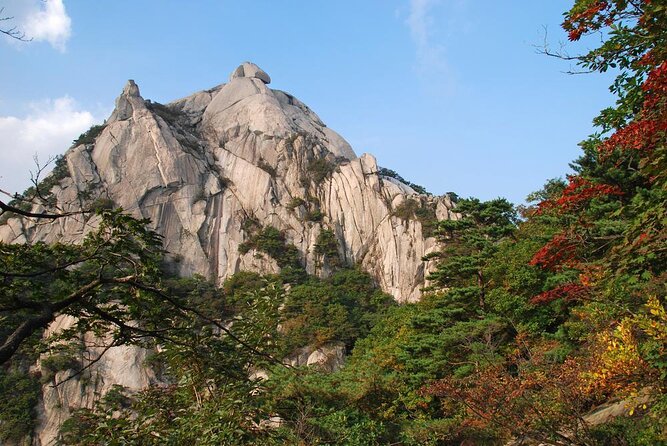
- Baekundae Peak views over Seoul and the surrounding area from the highest point in the city
- Bukhansanseong Fortress walk on the Joseon-era walls built in 1711
- Local guide-led pacing with wildlife and history talk during the hike
- Seaweed roll lunch included before hiking, but bring your own water
- Small group (max 15) so you can actually hear the guide and move together
How this Bukhansan highest-peak hike fits a Seoul day
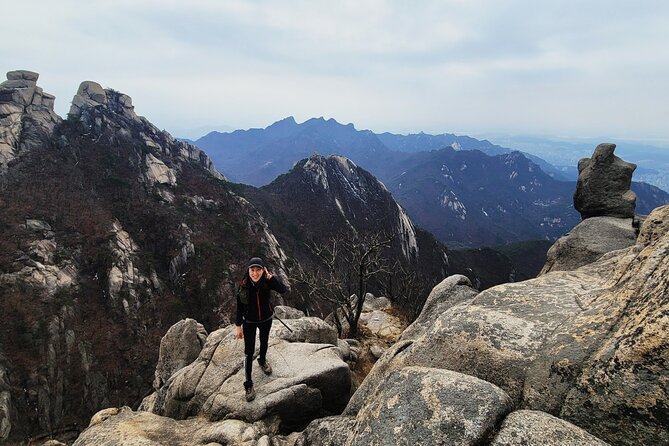
This is the kind of tour that works best when you want a Seoul break without losing the structure of a guided day. You meet near the park area, hike to the summit via the shortest route, then return to the same meeting point. It’s about 6 hours total, which is long enough to feel like you did something, but short enough that you can still have energy for dinner afterward.
The big selling point is the contrast: Bukhansan is the only national park and the highest mountain in Seoul. One minute you’re in city neighborhoods, the next you’re standing in a landscape that feels like it has its own time zone. And because this is group hiking, you get commentary on what you’re seeing, including wildlife and history, instead of just guessing.
Price-wise, you’re paying for a certified local guide, a small-group format, and a built-in cultural stops plan. It’s not the cheapest way to hike, but it’s good value if you want more than a self-guided climb.
You can also read our reviews of more tours and experiences in Seoul

Meeting at Bukhansan UI Station and setting off at 9:00 am
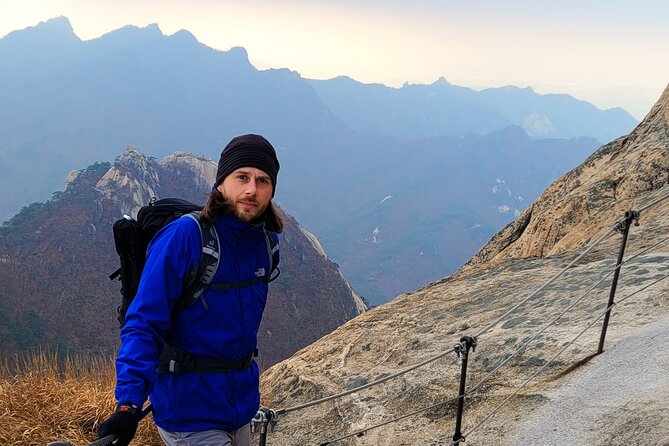
The tour starts at 9:00 am. In practice, it’s easy to be near the action because the meeting area is by public transportation, and one review specifically notes meeting at Bukhansan UI Station. That matters because you’ll likely arrive with minimal stress, rather than hunting for a remote trailhead.
A helpful detail from the on-the-ground experience: there are shops nearby where you can grab last-minute snacks, lunch items, or hiking gear you forgot. That’s not just convenience. It’s also peace of mind if you’re the type who realizes at 8:45 that you left your water bottle in your room.
Early start also helps with the vibe. Bukhansan is famous, and the route can draw plenty of hikers. The earlier you’re moving, the easier it is to hear your guide, get your footing, and enjoy the mountain before it turns into a crowded parade.
Doseonsa Temple: 9th-century prayers before the climb
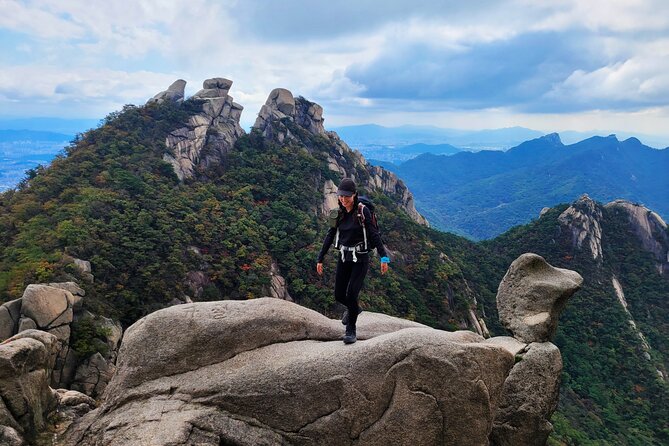
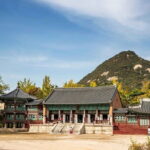
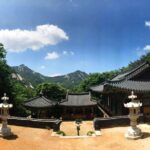
You’ll visit Doseonsa Temple, tied to the Silla Kingdom era. The information you get on this stop is specific: Doseonguksa monk established it in 862, and there’s a legend that he broke huge rocks with his bare hands and carved the Buddha. The neat part is that the story includes a detail about no evidence of chisel marks, which gives you something to actually think about rather than just hearing a date and moving on.
I like this temple stop because it acts like a mental gear shift. You go from urban movement into a quieter, older rhythm. It also gives you context for what you’re hiking through, since Bukhansan isn’t just geology and views. It has long been a place where people came to pray, reflect, and connect to nature.
Practical note: plan a bit of time to look around and pause. If you rush, you’ll miss the point of the cultural stop. If you take your time, it makes the climb feel more meaningful.
The hike to Baekundae Peak: views, wildlife talk, and a steady group pace
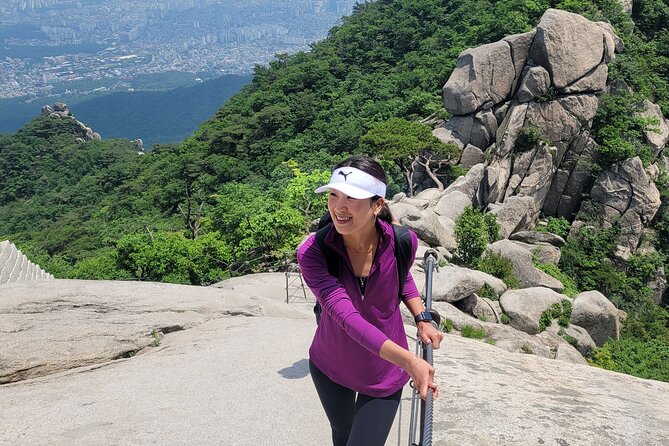
Bukhansan’s highest-point climb here is to Baekundae Peak, and the route you take is described as the shortest route to the summit. That matters if you want the main objective without turning the day into a two-day marathon.
As you climb, your local guide shares information about Korean wildlife and mountain history. That kind of commentary is practical, not just trivia. When you know what you’re looking at, the trail stops being repeating steps and starts being a moving lesson. Plus, it helps you keep a calm pace, especially if you’re not used to hiking in Korea’s popular mountain network.
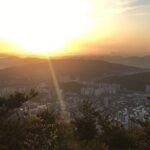
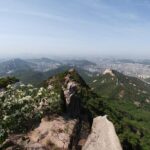
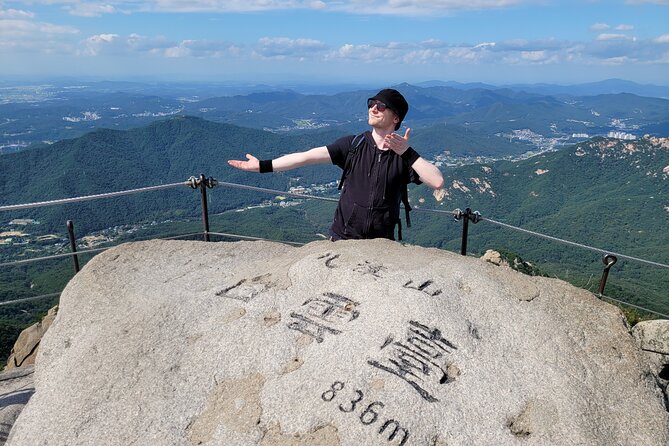
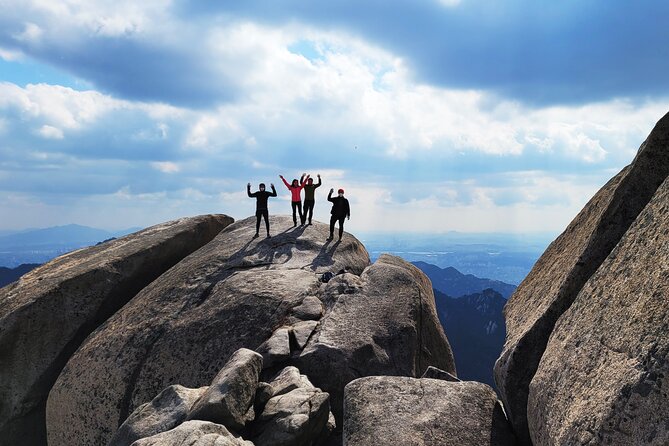
Then comes the payoff: the summit area delivers a stunning view of Seoul and the city surroundings. The effect is simple and unforgettable. You’re in a major metropolis, and suddenly you’re seeing it from above—big roads reduced to patterns, buildings turning into blocks, and the mountain acting like a natural viewpoint.
Possible drawback: if you’re expecting a gentle walk, remember that this is still a summit hike. The guidance is for moderate physical fitness, and the day is about 6 hours. You’ll want to move steadily, take breath breaks, and keep your energy for the last stretch.
Bukhansanseong Fortress: walking Joseon walls in mountain air
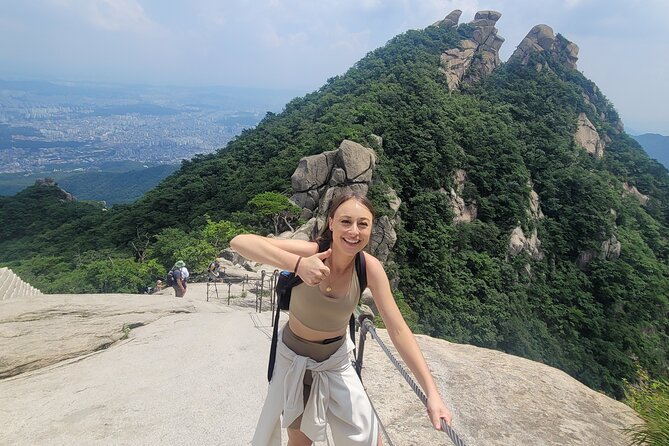
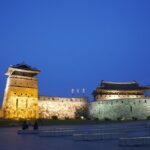
After the summit climb and temple context, you’ll also walk along Bukhansanseong Fortress. The key detail here is the purpose and date: it was built in 1711 to protect the Joseon dynasty from foreign enemies. That single fact changes how you experience a fortress wall.
Instead of thinking of it as random old stone, you start noticing why it’s positioned where it is, and why a mountain range mattered for defense. It’s also a different kind of walking than the trail climb. The fortress path feels like history with your legs involved, and you get nature and culture in the same frame.
This is also a good segment for photos, because the view lines can shift quickly. It’s one of the reasons I like mixing peak hiking with cultural stops: it prevents the day from being only sweat and only scenery. You get both.
You can also read our reviews of more hiking tours in Seoul

Lunch plan: seaweed roll included, but bring your own water
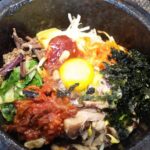
Lunch is included, and it’s specifically described as a seaweed roll served before hiking. That’s convenient for two reasons: you don’t have to line up at a convenience store at the last second, and you’ll start the climb fueled.
But here’s the part that actually affects your comfort: the tour notes that you need to bring your own water. The listing format can be vague in some tours, so I’m glad this one is clear. For a roughly 6-hour day, water is not optional. Even if the pace feels manageable, you’ll still sweat.
One more practical tip: because there are shops near the start area, you can buy extra snacks like gimbap if you want more variety than one seaweed roll. The goal is not a picnic fantasy. It’s keeping your energy steady so you’re enjoying the views rather than negotiating with your legs.
Group size, guide style, and pace (what 15 people changes)
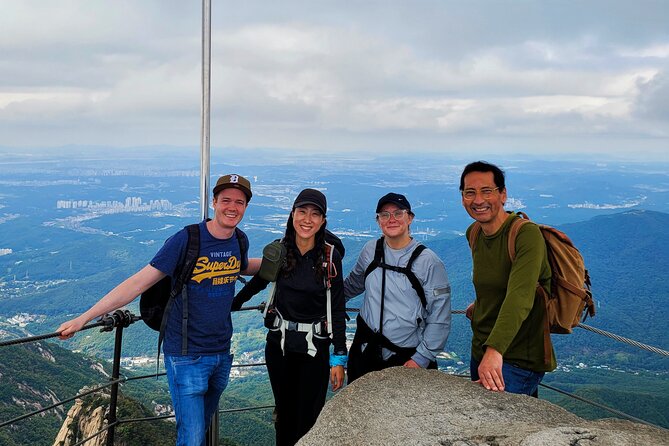
This tour caps at 15 travelers, which is the sweet spot for a guided mountain day. You’re not in a tiny private group where it feels awkward, and you’re not in a big crowd where you can’t hear anything.
The guide factor is a big deal here. The reviews emphasize that Lee takes safety seriously and answers questions along the way. That shows up in small ways: giving you reassurance on the trail, explaining what you’re seeing, and helping you feel comfortable as a newcomer to hiking.
In my view, this format is ideal if you want structure without rigidity. You get a plan for temple and fortress, plus the mountain summit objective. You also get enough freedom to ask questions and slow down for photos.
This is also a good option for solo travelers who don’t want to spend their whole day calculating routes. You’re still doing the hiking, but the mental load is lower.
Price and value: what $97.27 buys you in Seoul hiking time
At $97.27 per person, this is priced as a guided experience, not a do-it-yourself trail hack. For that money, you get:
- a certified tour guide
- guided stops at cultural sites during the hike
- lunch included (seaweed roll) before hiking
- a small-group format (max 15)
What you don’t get is food beyond the provided lunch and your own water planning. And you’re responsible for personal expenses and basic trail needs like shoes and snacks.
So is it worth it? I think it is if you fit one of these situations:
- You want the summit views but also want the temple and fortress context
- You’re new to hiking and prefer a guide to help you pace
- You’d rather pay than spend your energy building an itinerary from scratch
If you already know the trail well and you’re comfortable hiking solo, you might choose a self-guided route to save money. But for a first-time mountain day with cultural stops and guided explanation, this price starts to feel like a fair exchange for your time and stress.
Weather and trail reality: the small things that decide your day
This experience requires good weather. That’s not just legal language. In a mountain setting, rain, wind, or poor visibility can turn views into fog and make footing less comfortable.
Bring comfortable shoes. That’s repeated for a reason. Slippery paths and uneven rocks punish poor footwear fast. Also plan to bring enough food for the full 6-hour timeframe, even though the seaweed roll lunch is provided. If you’re the type who gets hungry late, add extra snacks so you’re not bargaining with yourself near the summit.
Finally, take advantage of the nearby shops at the start area. They’re a safety net for last-minute needs: snacks, water, or basic hiking gear. In a guided day, it’s smart to treat those shops like an insurance policy, not your main plan.
Should you book this Bukhansan tour?
Book it if you want a Seoul escape that still feels organized: temple stop, summit climb, fortress walk, and a guide who connects the dots between mountain life and Korean history. The combination of Baekundae Peak views, Doseonsa Temple, and the Bukhansanseong Fortress walk makes this more than a workout.
Skip it or reconsider if you hate early starts, don’t want to carry water, or you want an easy stroll with minimal exertion. This is described for moderate physical fitness, and it’s around 6 hours of hiking time in a famous national park.
If you’re traveling with limited time in Seoul, this is a strong way to pack in nature and culture without turning your day into logistics work. You hike, you learn, and you still get back to your starting point with daylight enough to enjoy the rest of the city.
FAQ
What time does the Bukhansan hike start?
The tour starts at 9:00 am.
How long is the experience?
It runs for about 6 hours.
Where does the tour start and end?
It starts in Bukhansan, Seoul, South Korea, and ends back at the same meeting point.
What stops are included on the hike?
You’ll visit Doseonsa Temple and hike in Bukhansan National Park, and the route also includes the walk along Bukhansanseong Fortress.
Is lunch included?
Yes. Lunch is included as a seaweed roll served before the hiking.
Do I need to bring my own water?
Yes. The tour notes that you need to bring your own water.
What fitness level is recommended?
The experience is for travelers with a moderate physical fitness level.
What is the group size?
The maximum group size is 15 travelers.
What happens if the weather is bad?
The experience requires good weather. If it’s canceled due to poor weather, you’ll be offered a different date or a full refund.
Is free cancellation available?
Yes. You can cancel up to 24 hours in advance for a full refund.