REVIEW · SEOUL
Korea DMZ Private Tour with War Memorial Tour as Service
Book on Viator →Operated by DMZ Tour by Expert · Bookable on Viator
A real-world border trip, not a museum. This Korea DMZ private tour gives you a close look at how a divided peninsula works, with expert guides including former military veterans and even a 2nd generation North Korean. I really like the private group setup and how you get to do the Third Tunnel walk. One thing to plan for: visibility from Dora Observatory can be reduced by fog or bad weather.
You start at Imjingak Pyeonghwa Nuri Park, then head to the 3rd Infiltration Tunnel, continue up to Dora Observatory (binoculars included on the rooftop), and end at Tongilchon in the Civilian Control Zone. It runs about 6 to 8 hours, includes admission at key stops, and it’s priced per group (up to 3), which is a smart way to keep the experience focused and personal.
Key points to know before you go
- Private, no-rush pacing: only your group rides along, so your guide can slow down where you have questions.
- Tunnel walking time: the 3rd infiltration tunnel isn’t just a photo stop; you actually walk through it.
- Dora Observatory has binoculars: you’ll use rooftop binoculars to try to pick out Gaesung area details.
- Imjingak is more than a “look”: steam locomotive, Freedom Bridge, and a UNESCO-listed memorial angle.
- Tongilchon adds the human side: Unification Village shows life near the border in a civilian control area.
In This Review
- Private DMZ Tour With Real Experts: What Makes This One Different
- From Seoul to Paju: The Day’s Flow and How the Stops Fit Together
- Imjingak Pyeonghwa Nuri Park: Steam, Freedom Bridge, and a UNESCO Thread
- Jangdan Station’s steam locomotive
- Freedom Bridge
- 30 Years Lost (UNESCO Memory of the World)
- Mangbaedan Alter
- The Third Infiltration Tunnel: Where the Story Gets Physical
- What you experience during the tunnel walk
- Dora Observatory and Gaesung Views: Binoculars, Weather, and Real Interpretation
- What makes this stop valuable (even when it’s foggy)
- Tongilchon (Unification Village) in the Civilian Control Zone: The Human Scale
- Price and Value: Is $299 Per Group Worth It?
- What to Pack and How to Handle the Comfort Reality
- Wear
- Bring
- Expect a few transitions
- Who This DMZ Private Tour Suits Best (and Who Should Skip It)
- Should You Book This Korea DMZ Private Tour?
- FAQ
- How many people are included in this private tour?
- How long is the DMZ tour?
- Is pickup from Seoul included?
- What’s included in the price?
- Is lunch included?
- Will I get tickets for each stop?
- Do I need to be physically fit?
- What if the view from Dora Observatory is poor?
- How flexible is cancellation?
Private DMZ Tour With Real Experts: What Makes This One Different
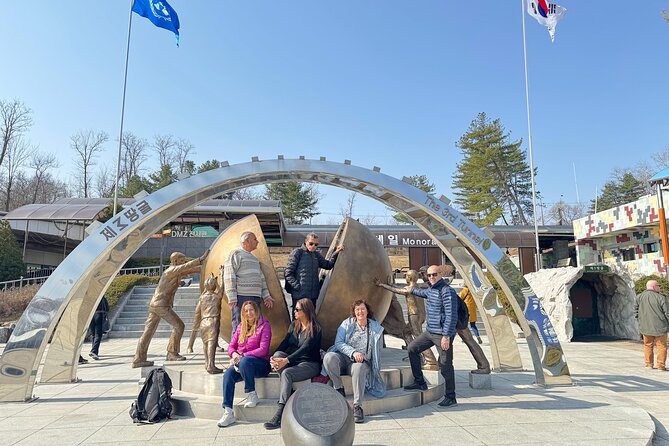
Let’s be honest: the DMZ can feel like it’s either sold as drama or treated like a checklist. This private tour lands closer to reality.
First, the guides are DMZ specialists. You’re not just getting general sightseeing facts. The team includes former military veterans, and some guides bring a personal, lived perspective—one example from past groups is John, who tells the story with a commander-level clarity. Other guides you may get (like Dylan, Julie, Brian, or Chuck) keep the tone human, not robotic, and you can see that in how they connect Korean War events to what you see today.
Second, you get real time at the stops that matter. Dora isn’t rushed. The tunnel isn’t a drive-by. And because it’s private transportation with pickup offered, you’re not doing the awkward shuffle of waiting around for other groups.
Possible drawback: the DMZ is weather-sensitive. If fog rolls in, the view from Dora Observatory won’t cooperate. You’ll still learn a lot, but the visual payoff can shrink.
From Seoul to Paju: The Day’s Flow and How the Stops Fit Together
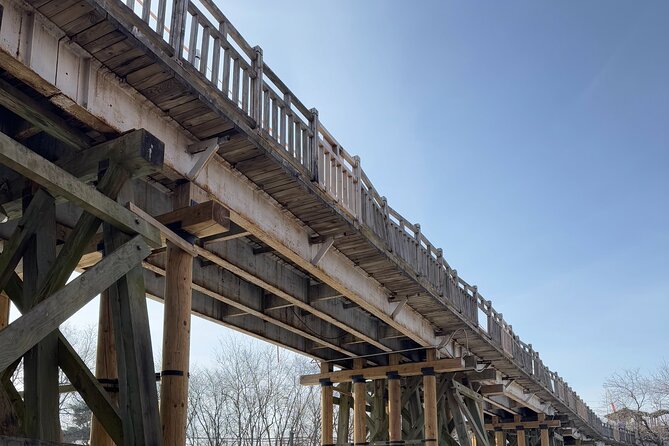
This tour is built around a simple idea: see the border in layers.
You begin at Imjingak Pyeonghwa Nuri Park in the Seoul area region. Then you move to the tunnel (the underground attempt to cross the line). Next comes Dora Observatory (where you look out toward North Korea’s city of Gaesung). Finally, you end at Tongilchon, also called Unification Village, sitting within the Civilian Control Zone.
The day usually runs 6 to 8 hours. That’s long enough to count as a full commitment, but short enough that you’re not spending the entire day on a bus. You’ll also get a mobile ticket, and there’s no stopping at other pickup locations—so the route stays efficient for your group only.
One important logistics detail: after your first stop, there’s a required transfer to a shuttle bus run by Paju city based on DMZ regulations. Plan mentally for a small change in vehicles. It’s normal here, and it keeps the whole area running under the rules.
Also, bring the right energy level. The tour calls for moderate physical fitness. The walking parts are manageable, but the tunnel walk means you should be ready for enclosed spaces and a bit of uneven effort.
You can also read our reviews of more private tours in Seoul
Imjingak Pyeonghwa Nuri Park: Steam, Freedom Bridge, and a UNESCO Thread
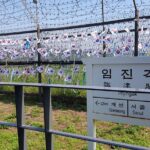
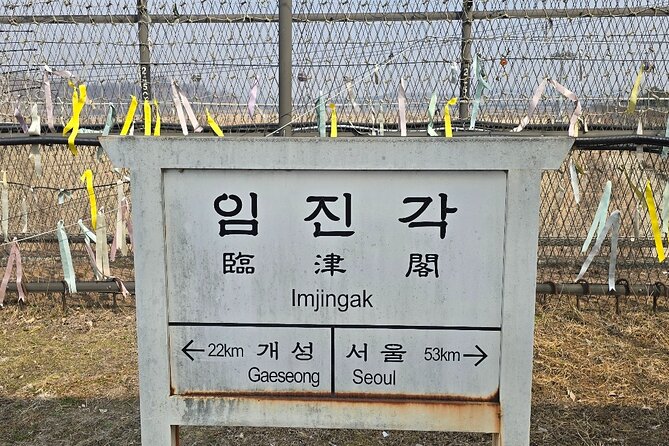
Your first hour starts at Imjingak Pyeonghwa Nuri Park, which works like a “front door” to the DMZ story.
This is also where DMZ tour ticketing happens. Then you’ll move through several standout elements:
Jangdan Station’s steam locomotive
This isn’t there for decoration. It gives you a concrete, old-world feel for how trains and rail routes shaped the peninsula over time. You’ll get context for why that matters when you’re standing at the edge of a “frozen” conflict.
Freedom Bridge
You get the visual and emotional meaning in the way the bridge sits within the landscape. It’s one of those places where the photos look flat until your guide points out the “why” behind it—what it represented, and why it became symbolic.
30 Years Lost (UNESCO Memory of the World)
This one brings a different type of weight. Instead of military objects only, you’re looking at a memorial-type story tied to the UNESCO Memory of the World recognition. It helps you understand that the DMZ isn’t just about geography. It’s about records, memories, and what was cut off.
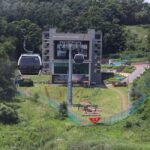
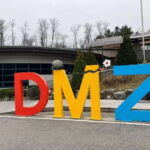


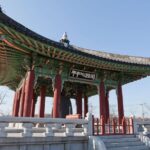
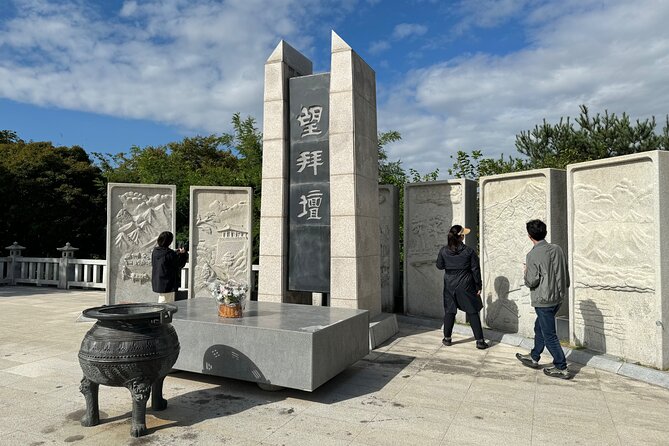
Mangbaedan Alter
You’ll also see the Mangbaedan altar area. Your guide should connect it to the broader cultural and historical meaning of remembrance near the border.
What to watch for here: the required transfer. You’ll need to switch to a shuttle bus run by Paju city according to DMZ regulations. If you go in thinking you’ll stay on the same vehicle the whole time, you’ll get surprised. I suggest treating it as normal and keeping your schedule flexible.
Value for you: This start sets the emotional tone and gives you the story thread before you go underground or up to the observatory. It turns the later stops from random sites into one connected arc.
The Third Infiltration Tunnel: Where the Story Gets Physical
Then you go to the 3rd Infiltration Tunnel, found in 1978. This stop is often the favorite for a reason: you don’t just stand near history. You walk through it.
Before the tunnel walk, there’s a short video about the Korean War. It’s there to make sure your mental timeline isn’t off when you start moving in the space itself. Then you enter the walking portion and head through the tunnel route, followed by an exhibition hall.
What you experience during the tunnel walk
- The space changes you. It’s enclosed and built for movement, which makes the scale and design feel more real than a diagram.
- Your senses do more work. You notice how narrow it is, how you have to focus on footing and direction, and how that contrasts with the open views you’ll get later from Dora Observatory.
- Your guide ties it to intent. The point isn’t just that North Korea tried to infiltrate. It’s how the tunnel fit into that strategy.
One of the strongest “why this tour” factors shows up here. Guides with military backgrounds often explain what features meant operationally, not just historically. That’s the kind of difference you feel when someone like John or Dylan talks about what the tunnel represented beyond the facts on a placard.
Possible drawback: This part is physically more demanding than most sightseeing. If you’re not comfortable with enclosed spaces or sustained walking, you may want to reconsider. The tour does call for moderate fitness, and the tunnel walk is where that matters most.
Dora Observatory and Gaesung Views: Binoculars, Weather, and Real Interpretation
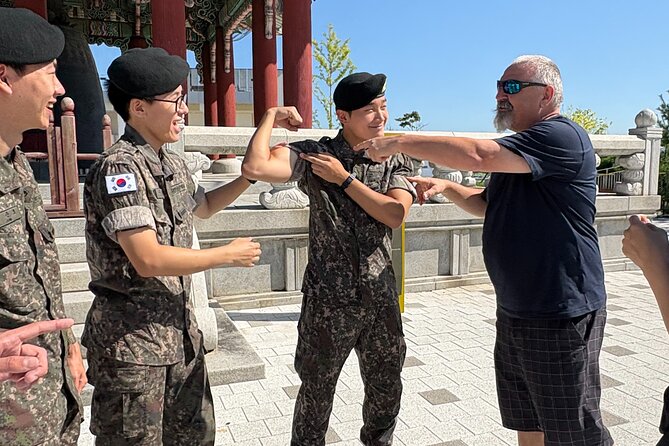
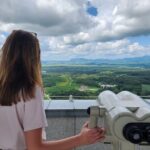
Next comes Dora Observatory. This is where you look out toward North Korea’s city of Gaesung.
The main visual experience is your rooftop time. You’ll get access to binoculars to see better. In plain terms: the rooftop isn’t just for decoration. It gives you the best viewing angle, and the binoculars help you stretch your sight farther than you’d manage with the naked eye.
What makes this stop valuable (even when it’s foggy)
The observatory can disappoint you only if you expect perfect visibility every day. One past group ran into thick fog that limited what they could see from the observatory. That’s not unique to this tour—it’s just how border areas work.
But here’s the upside: if the view is limited, your guide should pivot the explanation to the geography and the strategic logic of why this location matters. The learning doesn’t disappear.
You’ll also get context about what you’re seeing and why the DMZ is more than a line on a map. A guide with former command experience is especially good at connecting what you see from Dora to the broader “why” behind the division.
Practical tip: bring patience. Dora Observatory is short—about 45 minutes—so you want to arrive ready to watch, listen, and adapt if the weather isn’t cooperating.
Tongilchon (Unification Village) in the Civilian Control Zone: The Human Scale
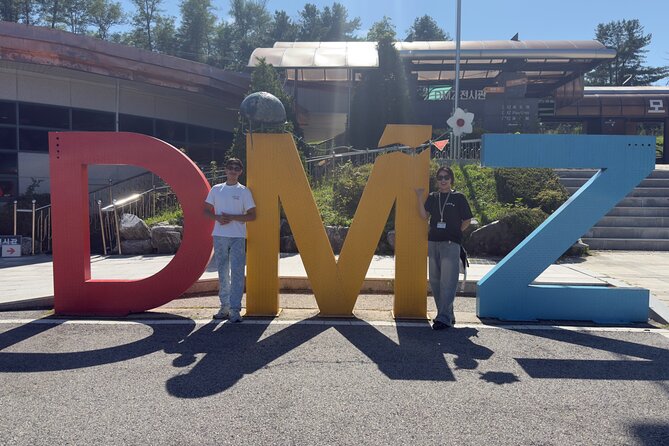
You end at Tongilchon-gil, also known as Tongilchon Village or Unification Village. This sits within the Civilian Control Zone, which is exactly why this stop hits differently than the tunnel or observatory.
Here, the focus shifts toward life near the border—how normal routines and restrictions coexist. It’s only about 15 minutes, so don’t expect a long walking experience. But the short time works because it brings your day full circle: from military infrastructure underground and strategic observation above, to a civilian environment shaped by the same reality.
There’s also a DMZ souvenir shop in this zone. That’s a small detail, but it’s also part of what makes this stop feel real rather than staged. You’re seeing the border as it interacts with daily commerce and visitor culture.
What I like about this ending: it avoids leaving you with pure intensity. You leave with a clearer sense of how the DMZ touches regular life, not just war stories.
Price and Value: Is $299 Per Group Worth It?
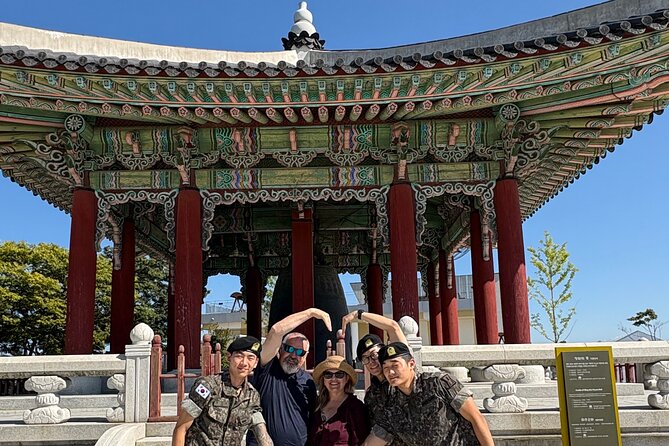
The price is $299 per group (up to 3 people). That’s not cheap in budget terms, but it’s also not trying to be. The value comes from the structure:
- Private transportation: you’re not paying for shared seating with strangers.
- Admissions included: the tour includes admission fees for key stops, like Imjingak and the tunnel and Dora.
- Expert English-speaking guide: this is the big one. In a subject like the DMZ, the guide can turn what you see into something understandable and grounded.
So the “math” depends on how you travel.
- If you’re going alone, you’re paying the full group price for yourself.
- If you have two others, your cost per person drops fast, and it starts to feel like a smarter use of money than a generic group tour where your questions don’t get time.
Also, you’re not guessing about weather and timing with a separate ticket scramble. You’ll have a mobile ticket, and your guide will handle the DMZ requirements they’re responsible for.
If plans change, you’re covered with free cancellation up to 24 hours in advance for a full refund. I like that because DMZ days can get tricky. If you’re booking ahead, note that this tour is often reserved about 31 days in advance on average, so waiting too long can shrink your options.
What to Pack and How to Handle the Comfort Reality
This is a day that mixes standing, walking, and enclosed space. Keep it simple and practical.
Wear
- Comfortable shoes for walking and changing surfaces.
- Layers. Even if Seoul is warm, the border zone can feel cooler or change quickly.
Bring
- Something for rain just in case. Weather can shift fast in Korea.
- A light bag you can manage while moving through the stops.
Expect a few transitions
Even with private transport, you’ll transfer to a shuttle bus for part of the route due to DMZ regulations. Nothing dramatic, but it’s another reminder: don’t plan to snack every 15 minutes.
And yes, lunch isn’t included. Plan to eat before or after the tour window so you’re not trying to hunt down food at the end when your energy is low.
Who This DMZ Private Tour Suits Best (and Who Should Skip It)
This tour is a strong fit if:
- you want a personal, private day instead of a large group schedule,
- you care about military history but also want it explained in a human way,
- you want the tunnel walk and Dora Observatory, not just surface-level stops,
- you like asking questions and getting answers fast.
It may not be the best fit if:
- you hate enclosed spaces and tunnel walking,
- you have difficulty with moderate physical activity,
- your schedule can’t handle weather disruptions, since visibility from the observatory can be affected by fog.
A quick note on the guide part: having a former military person guiding you changes how the day lands. It turns the tour into interpretation, not just observation. If you’re hoping for that kind of depth, this is where it pays off.
Should You Book This Korea DMZ Private Tour?
My take: if you’re in Seoul and you want a DMZ experience that feels focused and meaningful, this is an easy “yes” for most people—especially couples or small groups of up to three.
Book it if:
- you want a private day with pickup and a dedicated guide,
- you want the tunnel walk and rooftop binoculars time,
- you appreciate interpretation from someone with real military experience or deep personal perspective.
Think twice if:
- fog or limited visibility would ruin the trip for you, or
- enclosed spaces and moderate walking aren’t your thing.
One last decision-maker: the tour’s power isn’t in one single photo spot. It’s how the stops connect—Imjingak’s remembrance theme, the tunnel’s physical strategy, Dora’s line of sight, and Tongilchon’s civilian reality. If that story arc matches what you want from Korea, book it and enjoy the day with a calm, curious mindset.
FAQ
How many people are included in this private tour?
It’s a private tour for your group, and the group size is up to 3 people.
How long is the DMZ tour?
The tour runs about 6 to 8 hours.
Is pickup from Seoul included?
Pickup is offered, and the tour includes private transportation.
What’s included in the price?
The price includes private transportation, an English-speaking guide, and admission fees for the included sights.
Is lunch included?
No, lunch is not included.
Will I get tickets for each stop?
Admission tickets are included for Imjingak Pyeonghwa Nuri Park, the Third Tunnel, and Dora Observatory. Tongilchon Village has a free stop.
Do I need to be physically fit?
You should have a moderate physical fitness level, since the tour includes walking and the tunnel experience.
What if the view from Dora Observatory is poor?
Visibility depends on conditions. If fog limits what you can see from the observatory, you’ll still have the guided context and the binoculars, but the outward view may be reduced.
How flexible is cancellation?
You can cancel up to 24 hours in advance for a full refund. Changes within 24 hours aren’t accepted.