REVIEW · SEOUL
Seoul: Taste of Korea, Authentic Home Style Cooking Class
Book on GetYourGuide →Operated by Hansik Korean Cooking Class · Bookable on GetYourGuide
A Seoul cooking class where the dinner becomes your lesson. I love that this Hansik workshop is hands-on, not sit-and-watch. You also get patient, step-by-step help from Chef Jennifer, and you’ll leave knowing how to make dishes like haemul pajeon and budae jjigae.
One thing to consider: budae jjigae is the style that often includes processed meats, so if you avoid those, plan to ask about substitutions for your comfort.
In This Review
- Key Points You Should Know Before You Go
- Hansik Korean Cooking Class in Seoul: The 3-Hour Experience at Human Speed
- The Dishes You’ll Make: Gimbap, Tteokbokki, Haemul Pajeon, and Budae Jjigae
- Gimbap (Rice Roll)
- Tteokbokki (Rice Cake with Gochujang)
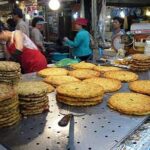
- Haemul Pajeon (Seafood Green Onion Pancake)
- Budae Jjigae (Korean Military Stew)
- How the Class Gets You Eating: Snacks, Sikhye, Makgeolli, Seasonal Banchan, and Desserts
- Take-Home Wins: Recipes by Email, Bigger Portions, and Leftover Bags
- Finding the Place Near Gyeongbokgung: Subway Exit to a Small Alley
- Price and Value at $89: What You’re Really Paying For
- Who This Seoul Cooking Class Fits Best (and When to Ask More)
- Should You Book Hansik Korean Cooking Class in Seoul?
- FAQ
- FAQ
- How long is the cooking class?
- How many people are in the group?
- What language is the instruction?
- What dishes will I learn to make?
- What drinks are included?
- Is a meal included, or just snacks?
- Can dietary requirements be accommodated?
- Can I take leftover food home?
- How do I get the recipes after the class?
- Is there free cancellation, and can I pay later?
Key Points You Should Know Before You Go
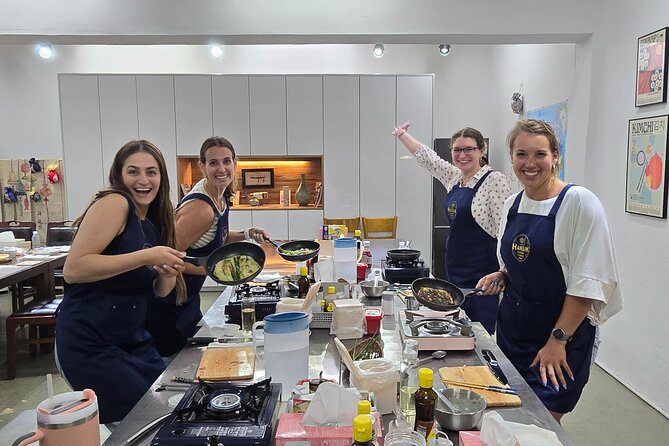
- Chef-led step-by-step instruction: English guidance and patient coaching at each cooking station.
- Small group, up to 10: you get more direct attention and less waiting around.
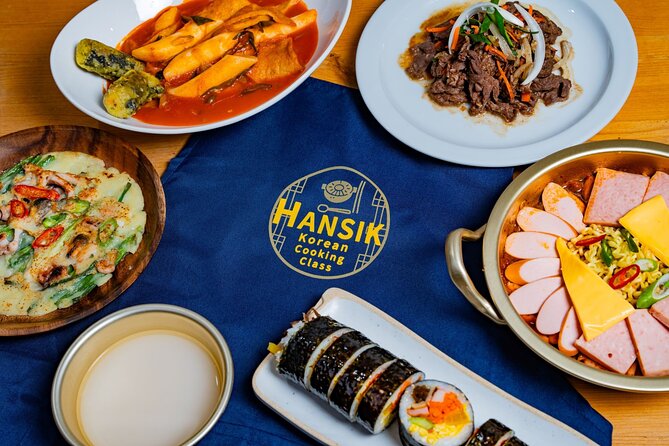
- Four home-style dishes: gimbap, tteokbokki, haemul pajeon, and budae jjigae are part of the session.
- You eat what you cook: full-course meal with seasonal banchan plus desserts and traditional drinks.
- Recipes emailed after class: a real take-home tool for cooking later, not just a memory.
- Gyeongbokgung area meeting point: subway exit gets you close fast—then it’s a short walk to Woori Bank and a small alley.
Hansik Korean Cooking Class in Seoul: The 3-Hour Experience at Human Speed
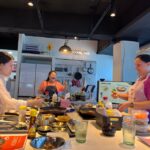
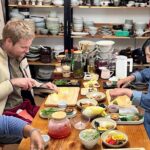
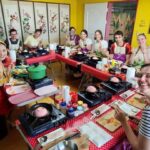
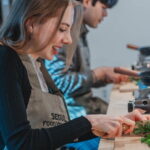
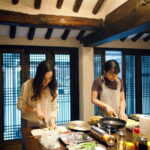
This is one of those Seoul experiences that feels like you’re borrowing someone’s kitchen rhythm for a few hours. The setting is described as clean, spacious, and set up with dedicated cooking stations, which matters because it keeps the class from feeling cramped or chaotic. And with a group capped at 10, you’re not stuck watching while everyone else moves.
I like the pacing: you’re not rushed through. Multiple participants describe having time to cook at their own speed and following along step by step. The ingredients are also portioned and made more manageable, so even if you’re not a confident cook, you still get to focus on the process instead of measuring everything from scratch.
You’ll also start with food and drinks quickly. Expect welcome snacks plus tea/coffee, then traditional options like Sikhye (Korean punch) and Makgeolli (rice wine). That early start is more than a nice touch—it helps you relax before you start rolling, frying, and simmering.
One practical note: come hungry. People repeatedly mention the class feeds you a lot. If you arrive with a full stomach, the “I just ate” excuse will fight you later when the meal comes out.
You can also read our reviews of more cooking classes in Seoul
The Dishes You’ll Make: Gimbap, Tteokbokki, Haemul Pajeon, and Budae Jjigae
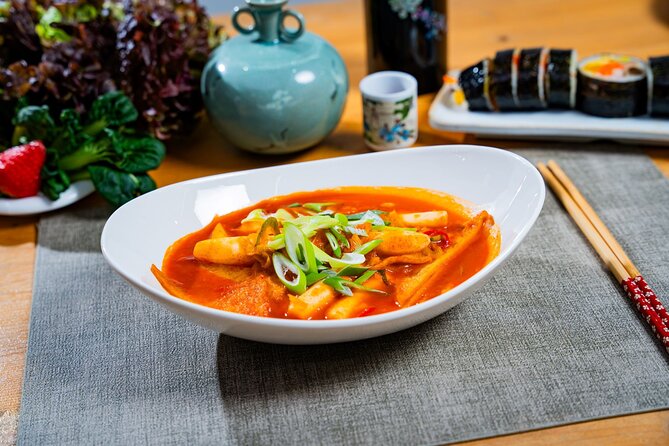
This class is built around classic Korean comfort foods, and that’s why it works for first-timers. You’re not learning obscure techniques. You’re learning dishes you can actually reproduce later.
Here’s what you should expect to cook, based on the class description and the way sessions are described:
Gimbap (Rice Roll)
Gimbap is part of the core menu for this workshop. You’ll work through the steps while your instructor guides you and helps with what to do next. In a class like this, the value isn’t just the taste—it’s learning the sequence and how to keep things from falling apart once you start rolling.
Chef Jennifer’s approach shows up in the feedback: clear instructions, encouragement, and reminders while you cook. That’s huge if you’re anxious about food mess or timing.
Tteokbokki (Rice Cake with Gochujang)
You’ll also make tteokbokki, the rice-cake dish made with gochujang (Korean red chili paste). Expect it to feel practical and doable: enough structure that you can follow along, but not so complicated that you need chef-level skills.
The story element matters here too. Reviews mention the teacher explains the history behind dishes and how to best enjoy them. That turns “I made food” into “I understand what I made,” which is what you want if you’re hoping to cook again at home.
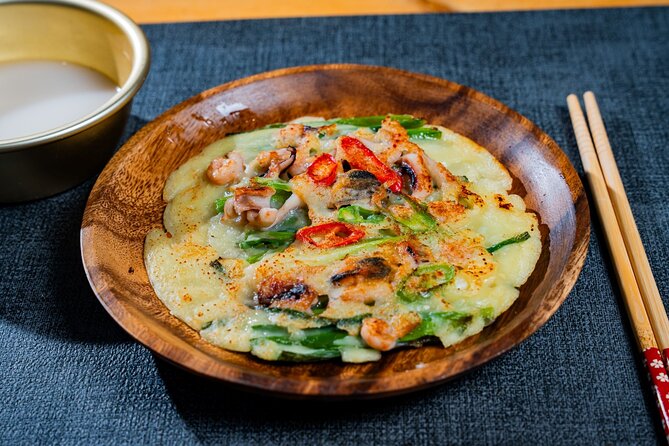
Haemul Pajeon (Seafood Green Onion Pancake)
Haemul pajeon is another big highlight. This pancake-style dish is hands-on—mixing and cooking it while you’re guided at your station. People specifically praise the ease of the process and how well instructions land in real-time.
This is also a good dish for social energy. While one part cooks, you’re usually doing something else. One review notes the class often runs like two dishes at a time before you sit down to eat. That keeps momentum.
You can also read our reviews of more tours and experiences in Seoul



Budae Jjigae (Korean Military Stew)
Budae jjigae is the signature “comfort stew” on the menu. It’s explicitly taught here, and this is where you should think about your preferences.
One participant called out that budae jjigae can include items like spam and hot dogs in the Korean stew style. The good news: another review says dietary requirements were accommodated well, including a vegetarian substitute for at least one student. So if you want the flavor but not the ingredients, you’re not stuck—you just need to ask.
My rule: if you’re avoiding red meat or anything processed, check your options early so you don’t end up stressed halfway through the meal.
How the Class Gets You Eating: Snacks, Sikhye, Makgeolli, Seasonal Banchan, and Desserts
This isn’t a light tasting class. It’s a full-course meal structure built around cooking and eating together.
Before you start cooking in earnest, you’ll be served welcome drinks and snacks. Traditional options like Sikhye and Makgeolli are included in the description, and participants repeatedly mention they’re part of the experience. Tea and coffee are also part of the included drinks, plus you get water.
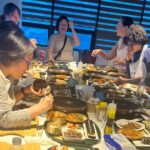
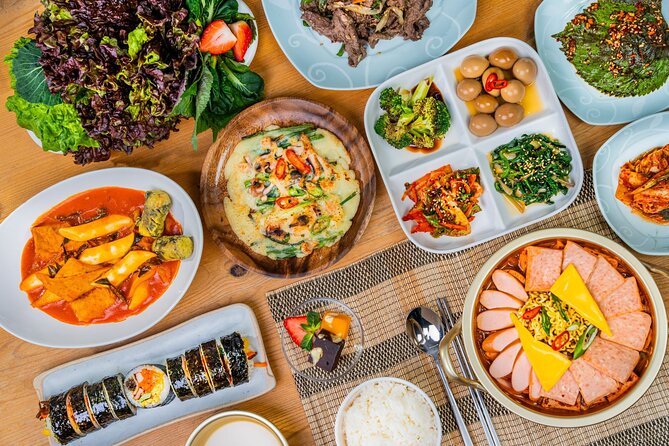
Then the “eat what you made” part kicks in. You’ll enjoy the full-course meal at the end with Korean seasonal banchan (side dishes) and Korean desserts. Reviews emphasize how filling it is and how there’s a lot of food on the table.
Here’s why that matters for value: many classes charge for the instruction but keep the meal small. This one gives you enough food that you can treat the class as dinner. That turns the per-person cost into something closer to a meal + cooking lesson combo, not just a ticket for a few bites.
And there’s a fun detail: your creations aren’t served like homework. People mention the dishes are delicious, and the class includes pairing through the drinks served during the session.
Take-Home Wins: Recipes by Email, Bigger Portions, and Leftover Bags
The best cooking classes don’t just teach you what to do once. They teach you how to repeat it.
You get recipes via email, which is a practical win. It means you’re not relying on memory after your trip ends. And because this class is step-by-step, those written instructions help you connect each recipe to what you did in the kitchen.
I also like that the instructor gives tips for making bigger portions using correct ratios. That’s not just “flavor talk.” It’s the difference between making one small roll at home and actually cooking for your group.
Leftovers are another take-home bonus. Multiple reviews mention you can take food away, and one participant specifically notes you receive bags for leftover food. That’s a big deal if you don’t want to waste stew or pancake leftovers the moment you get home.
One small practical consideration: for soup dishes, you might want your own container shape in mind. If you’re the type who hates carrying liquids, you may prefer to eat more while you’re there. But at least the option to take extra is built in.
Finding the Place Near Gyeongbokgung: Subway Exit to a Small Alley
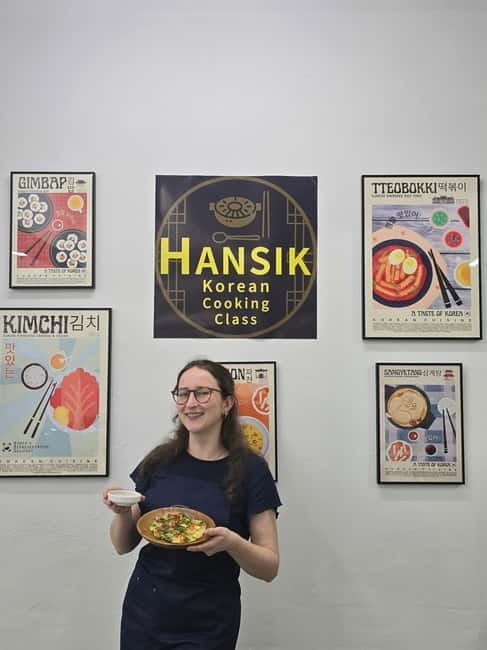
The meeting point is in the Gyeongbokgung area, and the directions are clear enough to work with even if you’re navigating Seoul for the first time.
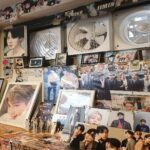
You’ll meet at Gyeongbokgung Subway Station (Orange 3rd line), exit 2. From there, it’s about a 5-minute straight walk to Woori Bank. The studio is in a small alley, between the bank and just right before a K-Pop store.
Practical tip: aim to arrive a few minutes early. With a narrow alley and nearby storefront landmarks, being early reduces stress and helps you settle in before cooking starts.
Price and Value at $89: What You’re Really Paying For
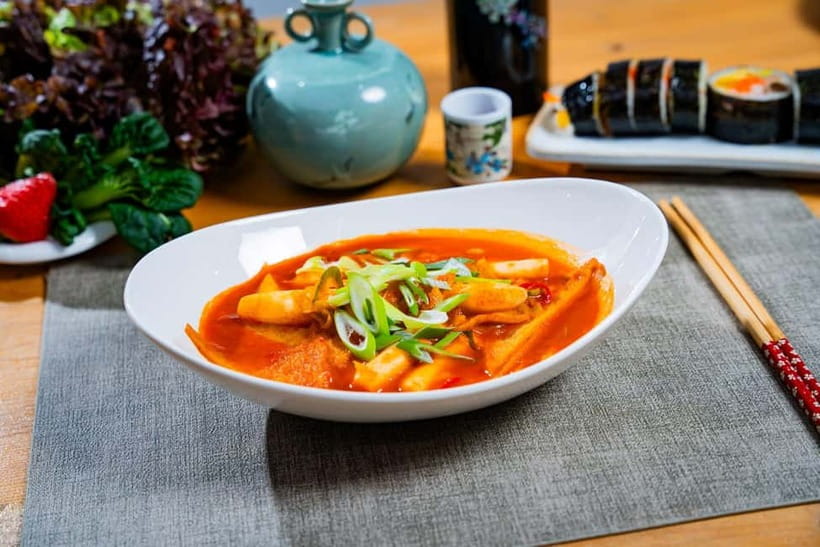
At $89 per person for a 3-hour session, you’re paying for three things that usually cost money separately: instruction, ingredients/equipment, and a proper meal with drinks.
Here’s what’s included that makes the value feel more balanced:
- Hands-on class with cooking stations and all ingredients/equipment
- Welcome drinks and Korean snacks
- Tea/coffee, plus traditional drinks like Sikhye and Makgeolli
- Korean desserts
- A full-course meal with seasonal banchan
- Recipes emailed after class
In other words, you’re not just learning how to make a dish and then leaving hungry. You cook, you eat, and you go home with notes you can actually use.
This price also makes sense because the group stays small (up to 10). A larger class can turn into shared distraction. Here, the feedback points toward personal attention and patient guidance.
Who This Seoul Cooking Class Fits Best (and When to Ask More)
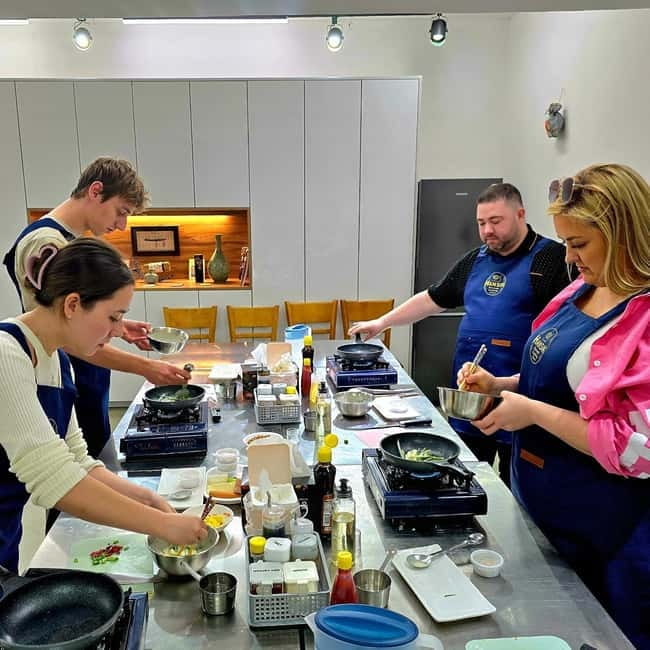
This class works well for a wide range of people:
- Solo travelers who want conversation and a structured activity that doesn’t feel awkward.
- Couples and friends who like cooking together and then sharing the results.
- Families: one review mentions the class worked for kids aged 11 and 13, which suggests the instruction is step-friendly.
- Vegetarians and diners with restrictions: one participant notes a vegetarian substitute and that dietary requirements were handled so they felt they did not miss out.
The main “ask before you go” situation is ingredients—especially with budae jjigae. If you avoid processed meats or specific foods, confirm what your version can look like so you don’t end up uncomfortable mid-class.
Also, if you’re the type who loves food but hates any mess, keep your expectations realistic. This is cooking. You’ll be hands-on.
Should You Book Hansik Korean Cooking Class in Seoul?
Yes, if you want a Seoul activity that turns into actual skills. This class is best for you if you care about eating Korean food in a home-style, hands-on way—then carrying it forward with recipes emailed to you.
You should especially like it if:
- You want Chef Jennifer’s patient, step-by-step teaching.
- You want multiple dishes (gimbap, tteokbokki, haemul pajeon, budae jjigae) rather than a single demo.
- You don’t mind that it feeds you heavily, because the meal is part of the whole experience.
- You want a small-group kitchen setting near Gyeongbokgung.
If you dislike cooking at all, or you only want street-food style tastings with zero time at a station, this may feel too hands-on for your tastes. But if you came to Seoul to learn how food works, this one is a solid pick.
FAQ
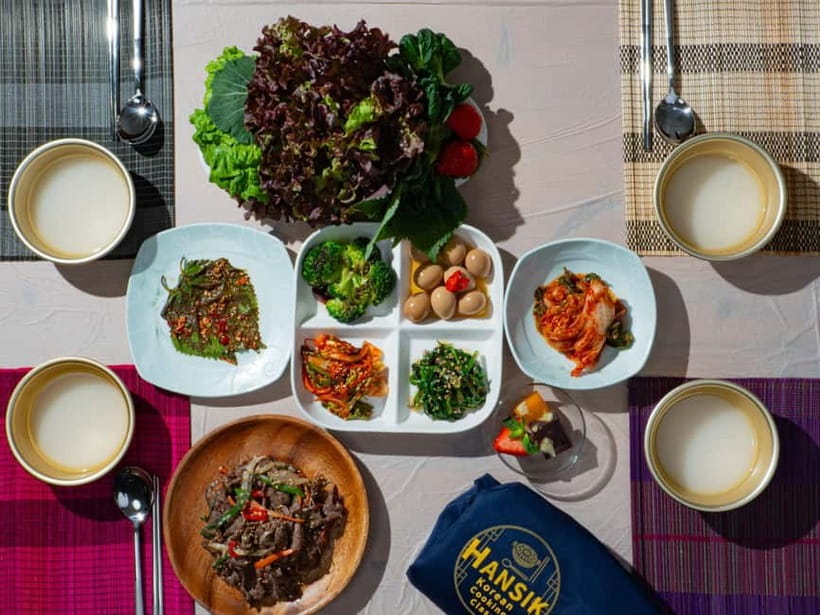
FAQ
How long is the cooking class?
The class lasts 3 hours.
How many people are in the group?
It’s a small group limited to 10 participants.
What language is the instruction?
The instructor provides instruction in English.
What dishes will I learn to make?
The class includes gimbap, tteokbokki, haemul pajeon, and budae jjigae.
What drinks are included?
You’ll get welcome drinks and traditional drinks such as Sikhye and Makgeolli, along with tea and coffee.
Is a meal included, or just snacks?
A full-course meal is included, plus Korean seasonal banchan (side dishes) and desserts.
Can dietary requirements be accommodated?
Yes. Dietary requirements were catered for, including vegetarian substitutes mentioned in the reviews.
Can I take leftover food home?
Yes. You’ll be given bags to take away food you can’t finish.
How do I get the recipes after the class?
Recipes are sent to you via email.
Is there free cancellation, and can I pay later?
Free cancellation is available up to 24 hours in advance for a full refund, and you can reserve now and pay later.