REVIEW · SEOUL
Seoul: Korean Cooking at Seoul Cooking Club!
Book on GetYourGuide →Operated by Seoul Cooking Club · Bookable on GetYourGuide
Korean food tastes best when you cook it yourself. This 150-minute class in Jongno turns Korean comfort food into a hands-on lesson you can actually repeat at home. I like the way you work through a big mix of dishes, from Jeon pancakes to bibimbap, without feeling rushed.
One more thing I like: the teaching tends to be step-by-step and friendly, with instructors like Sally and Olivia named for clear English and patience. A small consideration is that the kitchen is active and you’re doing real cooking, so come with a good appetite and don’t plan heavy sightseeing afterward without eating first.
In This Review
- Key Points at a Glance
- Korean Cooking Club in Jongno: What You Really Do
- Where to Meet and How to Get There Without Stress
- Starters: Making Jeon Pancakes (and Learning the Variations)
- Main Dishes: Japchae, Bulgogi, and Jeonju Bibimbap
- Japchae (Stir-fried vegetables and glass noodles)
- Bulgogi (Soy-sauce seasoned barbecued beef)
- Jeonju Bibimbap (and the idea behind the toppings)
- Banchan Tastings: The Side Dishes That Teach You Flavor
- Dessert and Drinks: Sikhye, Tea, and a Sweet Finish
- How the Teaching Feels: English Support and a Working Kitchen
- Price and Value: Is $109 Worth It in Seoul?
- Who Should Book This Cooking Class
- Tips to Get the Most Out of Your 150 Minutes
- Should You Book Seoul Cooking Club in Jongno?
- FAQ
- How long is the Seoul Cooking Club class?
- What language are the chefs/instructors?
- Where do I meet for the class?
- What dishes will I cook?
- Is dessert included?
- What drinks are included?
- What should I wear?
- Is this class suitable for children?
- Can I cancel and get a refund?
Key Points at a Glance
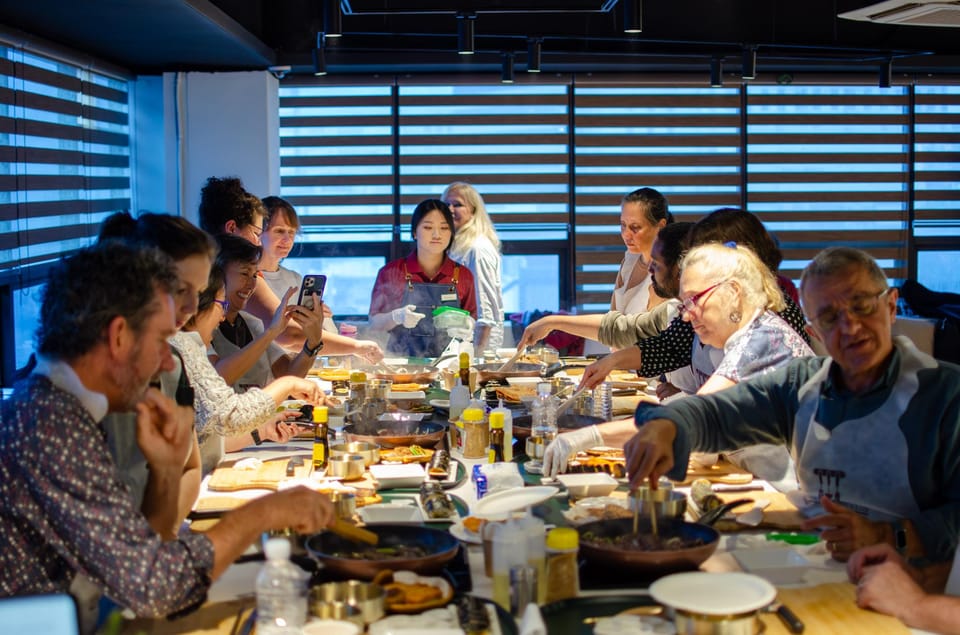
- Hands-on Jeon practice with several flavors of small Korean pancakes
- You cook the main trio: japchae, bulgogi, and bibimbap
- About ten banchan tastings so you learn Korean side-dish flavors, not just one meal
- Dessert is included and can include bing-su on the day you go
- You leave with a recipe book and takeaway help (plus a small gift bag mentioned in feedback)
- Central access at Jonggak Station with easy walking to major Jongno sights
Korean Cooking Club in Jongno: What You Really Do
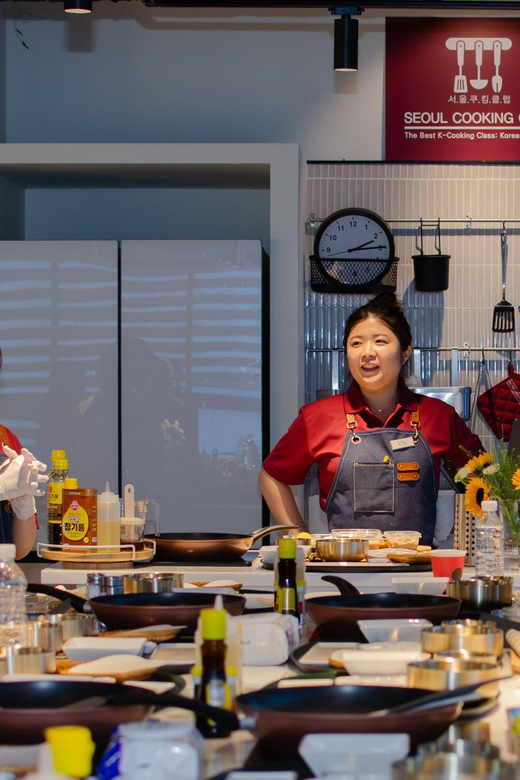
This is not a sit-and-watch cooking show. You cook, you taste, you adjust. The format is built for momentum: starters first, then the main dishes, and finally a meal where you actually get to eat what you helped make.
You’ll spend 150 minutes total, which is long enough to learn, but short enough that you won’t feel trapped in the kitchen. If you like structured activities when you travel, this one fits well. If you hate messy hands or standing in one spot for hours, be aware that you’ll be moving through stations and working with food during the class.
You can also read our reviews of more cooking classes in Seoul
Where to Meet and How to Get There Without Stress
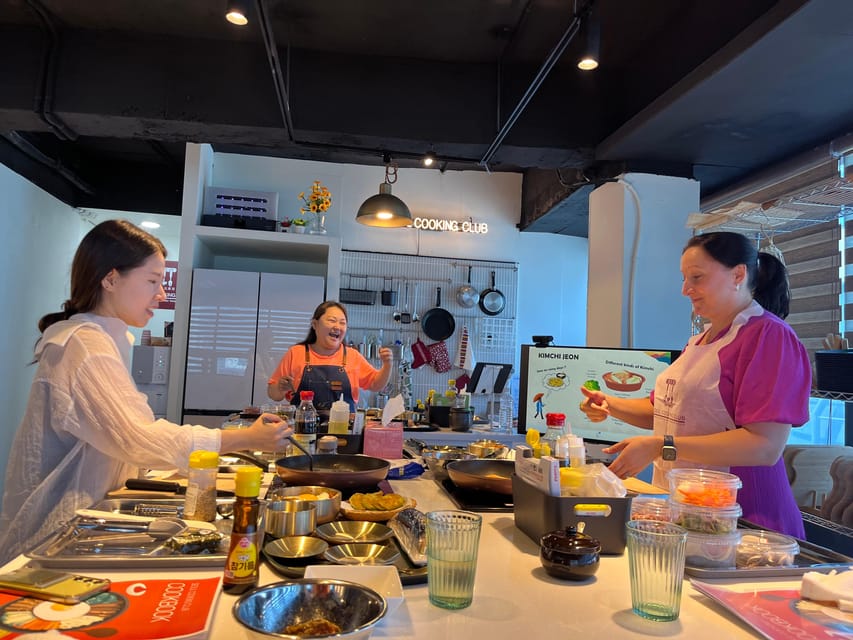
The meeting point is easy to find once you know the one key landmark. You’re at Jonggak Station (Line 1), Exit 12. From there it’s about a 15-metre walk.
Walk straight, then take an immediate first right around the corner of Pascucci. The entrance is on the 7th floor, next to the Good Game Zone, recognizable by the orange facade on the same building. Bring closed-toe shoes. Korean kitchens can be clean, but floors and stations are still real working areas.
Why this location matters: after your class, you’re in the heart of Jongno. You can walk from here to major stops like Insadong, Ikseondong, Gwangjang Market, Myeongdong, and Gyeongbokgung Palace within about 10 minutes. That makes this class a smart “food-first” anchor for an afternoon or early evening.
Starters: Making Jeon Pancakes (and Learning the Variations)
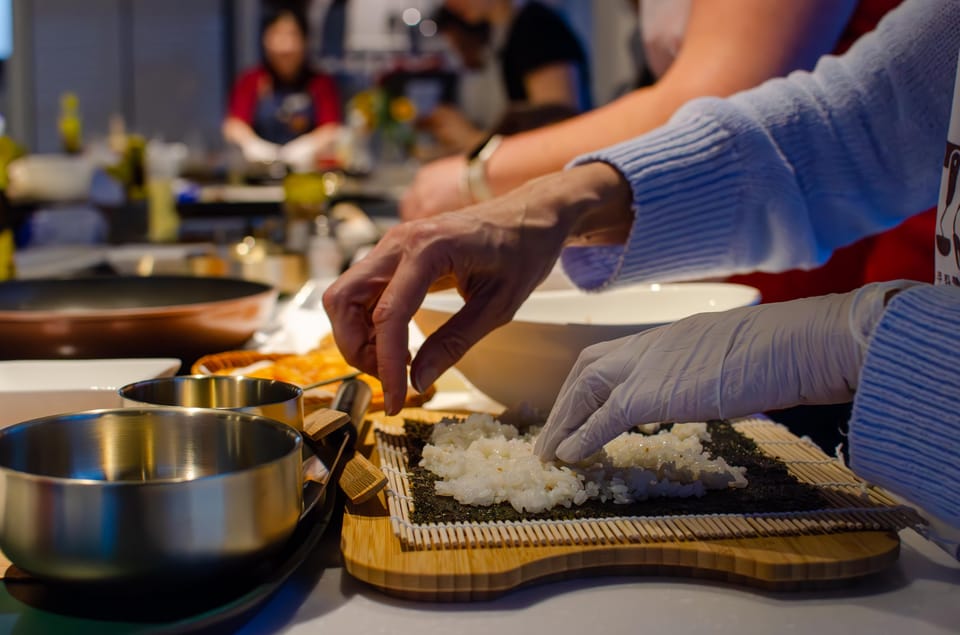
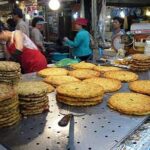
Jeon is the starter that makes this class feel fun fast. You’ll prepare 3 to 4 starters, and the main skill you’ll build is how Korean pancake batter and fillings work together.
You can expect to make several Jeon types such as:
- Donggrangttaeng (pan-fried battered meatballs)
- Pollack pancake
- Pajeon (seafood pancake)
- Beef pancake
- Tofu pancake
- Sesame leaf pancakes
In practice, that means you learn more than one texture. You’ll see how ingredients behave in batter and how pan-frying changes the finished result. Jeon is forgiving enough for beginners, but varied enough that even food nerds will notice the differences between fillings.
If you love eating with your eyes first, this part is a win. Jeon looks like a casual Korean snack, but it’s actually a key gateway dish. After making it, you’ll understand why Korean meals often start with smaller shared plates.
Main Dishes: Japchae, Bulgogi, and Jeonju Bibimbap
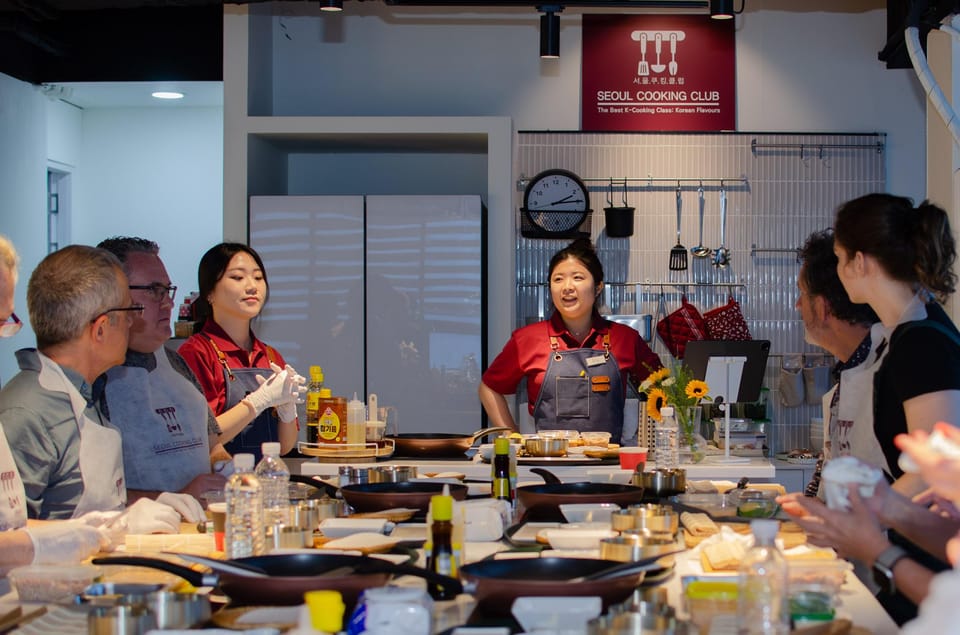
The main-course portion is built around classics that most people associate with Korean cuisine, but you’ll learn them as dishes you assemble and season, not just order.
Japchae (Stir-fried vegetables and glass noodles)
Japchae is a great dish to learn in a class setting because it teaches balance: chewy glass noodles, vegetables, and the seasoning that ties everything together. You’ll work through stir-frying and combining so the noodles don’t feel heavy or sticky.




Bulgogi (Soy-sauce seasoned barbecued beef)
Bulgogi is where you learn how Korean-style sweetness and savory depth get layered. You’ll handle sliced beef and see how soy-based seasoning behaves when heated. It’s also a confidence builder: bulgogi is popular for a reason, and it’s easier to replicate once you’ve watched the process and handled the ingredients.
Jeonju Bibimbap (and the idea behind the toppings)
Bibimbap is the dish people talk about most. Here, you’ll prepare Jeonju bibimbap, and that gives the class a stronger link to how regional Korean food feels. Even if you don’t go deep on regional debates at home, you’ll learn the main lesson: bibimbap is all about organizing toppings, seasoning each one properly, and serving it as a combined bowl.
Banchan Tastings: The Side Dishes That Teach You Flavor
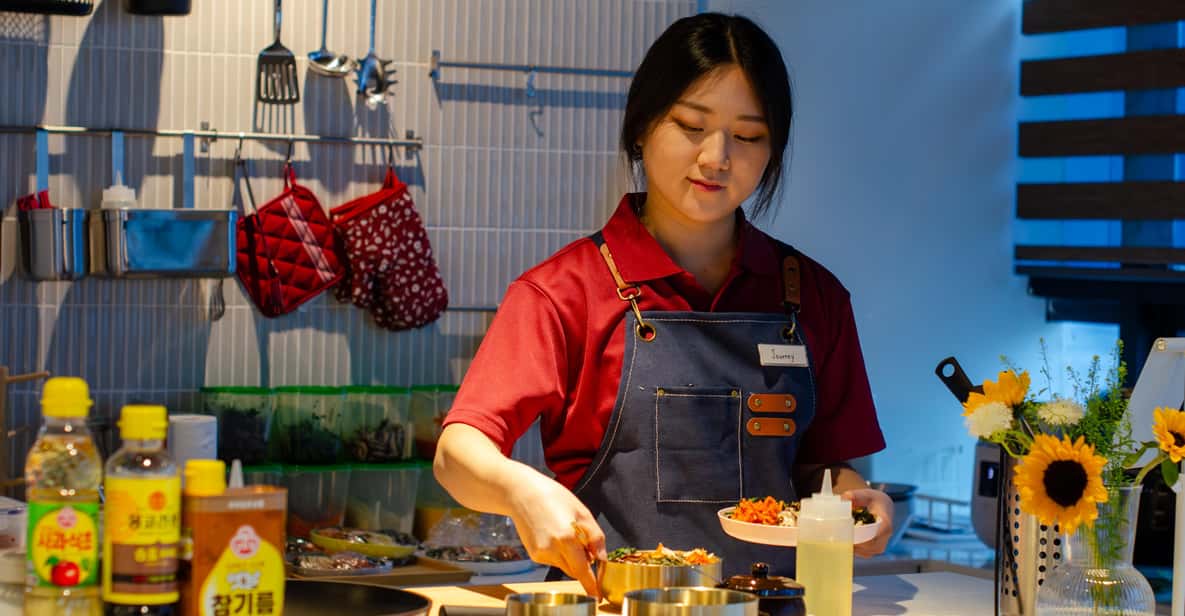
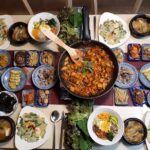
The tasting portion is one of the best value parts of this experience. You’ll get approximately ten tastings of Korean side dishes, including options like:
- Kimchi
- Korean egg-roll
- Stir-fried anchovy
- Radish kimchi
- Seasoned soybean sprouts
- Seasoned spinach
- Spicy cucumber
This is where you learn what Korean meals really taste like. If all you usually get are one or two main dishes at restaurants, banchan training changes how you think about Korean food. You start to notice fermentation, acidity, and how spicy flavors get balanced with sesame, garlic, and small seasoning choices.
Also, side dishes are a practical win at home. Even if you don’t want to cook a big “main” meal later, you can rebuild your pantry habits using the banchan flavors you practiced.
Dessert and Drinks: Sikhye, Tea, and a Sweet Finish
The class doesn’t end when the food is done cooking. You’ll have drinks during the experience, including water, Sikhye (sweet rice drink), and Korean tea. That matters more than people think. You’ll be tasting a lot, and you don’t want to feel dehydrated or overwhelmed.
Dessert is included too, and the menu changes day to day. On many days, bing-su is offered as a popular Korean favorite. Even when your dessert isn’t bing-su, you’ll still get the same idea: a cooling, sweet ending that makes the whole meal feel complete.
How the Teaching Feels: English Support and a Working Kitchen
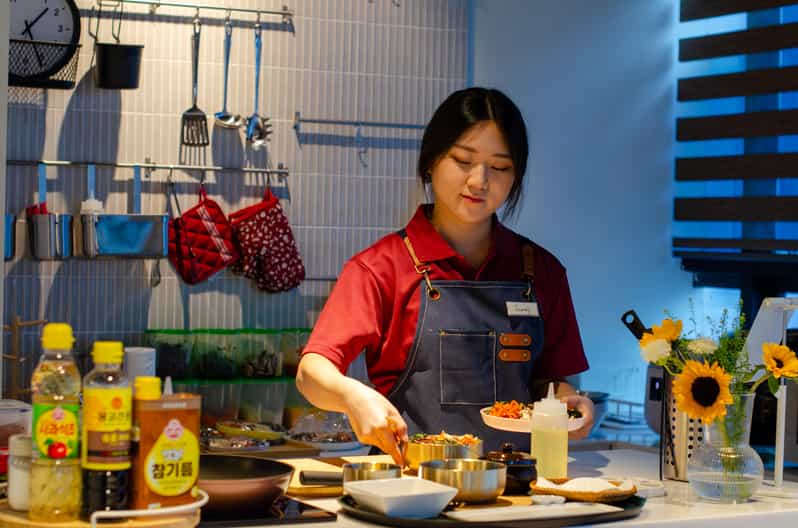
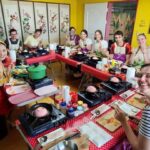
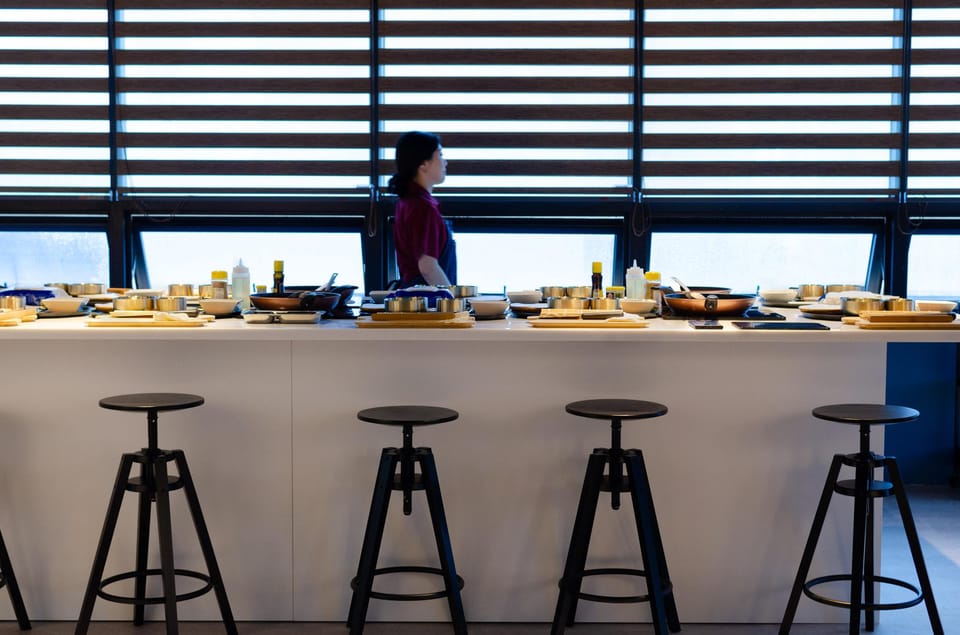
This is a modern, organized class setup. Participants consistently describe it as clean and well run, with each person having their own cooking station.
The teaching style is the big reason people rate this highly. Instructors such as Grace, Elly, Sally, and Olivia are described as warm and patient, explaining steps clearly in English. In real terms, that means:
- you get step-by-step guidance while you cook
- questions are handled
- the kitchen keeps moving without chaos
A practical detail you’ll appreciate: prep work is handled ahead of time, and cleaning up is taken care of so you can focus on cooking and eating. You’re not spending your whole vacation scrubbing pans.
Price and Value: Is $109 Worth It in Seoul?
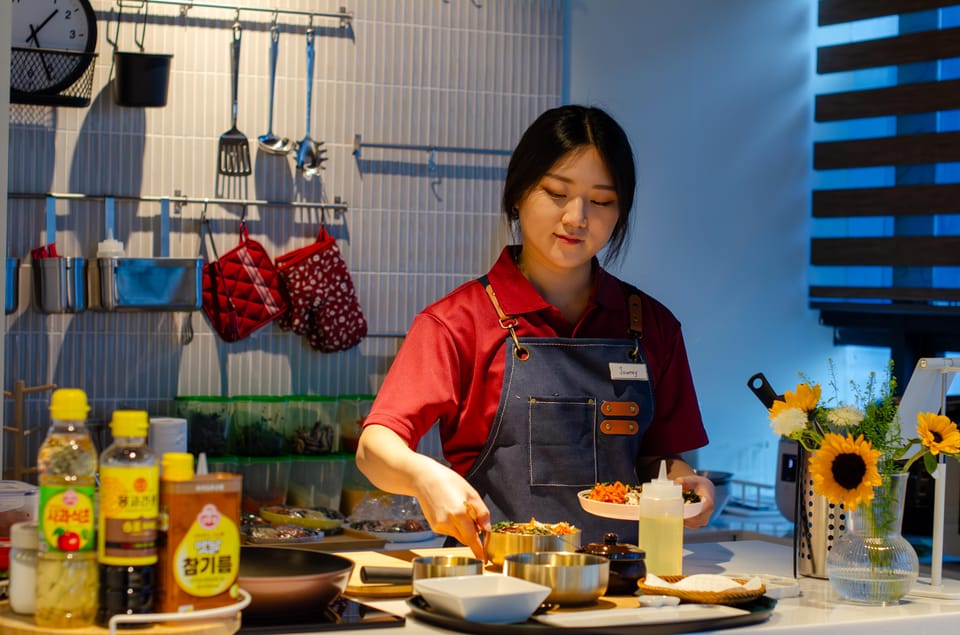
For $109 per person and 150 minutes, you’re paying for more than the ingredients. You’re paying for instruction, a structured kitchen setup, and the included meal experience.
Here’s why the math often works:
- You cook multiple dishes, not just one.
- You eat a full spread: your starters and mains plus banchan tastings.
- Dessert and traditional drinks are included.
- You usually leave with a recipe book and takeaway help mentioned in feedback (like containers and a bag).
Could you eat all of this at a restaurant for less? Maybe. But you’d miss the part where you learn technique and seasoning at the stove. And in Seoul, cooking classes can be pricey; what makes this feel fair is that you get a lot of food and a tangible take-home reference.
The one thing to watch is effort. This class expects you to cook. If you’re expecting a relaxed tasting only, you may feel like you’re working too hard for the time.
Who Should Book This Cooking Class
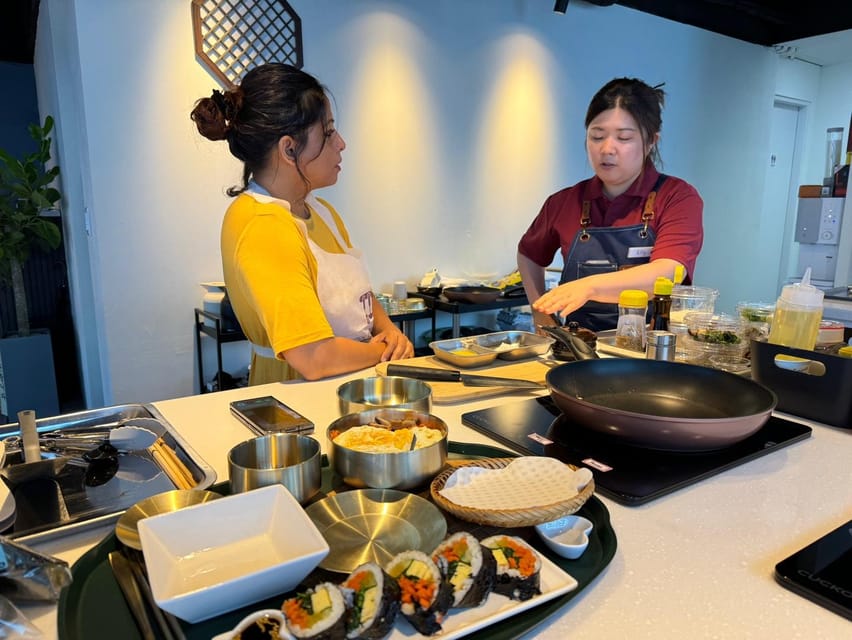
This is a strong fit if you:
- love Korean food and want to learn flavors, not just names
- want an activity you can repeat at home
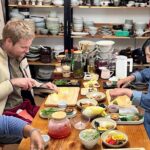
- like small social settings where you meet other people while cooking
- travel with a food-focused itinerary for Jongno
It’s also worth considering if you’re solo. Feedback mentions solo travelers treating it like a highlight because the atmosphere feels welcoming and the session gives you a natural way to connect.
Not a fit for kids under 16 years old. Also, wear closed-toe shoes. Your feet will appreciate it.
Dietary notes: the data lists what’s included, but it doesn’t promise every option for every diet. Still, there is at least one documented case where a gluten-free request was accommodated, so if you have restrictions, ask ahead and be clear.
Tips to Get the Most Out of Your 150 Minutes
Come hungry. Then pace yourself, especially during the Jeon and banchan phases. You’ll be tasting multiple things, and it’s easy to go too fast.
Bring a little notebook mindset, even if you don’t write much:
- Pay attention to seasoning stages while you’re cooking.
- Notice texture differences between pancake types.
- Track what makes japchae and bulgogi taste “right.”
If you want leftovers for later, take the takeaway portion seriously. The class is long enough to fill you, but most people leave with more than they can finish. Taking food away also makes this a practical win for busy sightseeing days.
And if you get nervous about cooking, don’t. The pace is structured. The instructions are described as step-by-step, and assistants help keep stations running smoothly.
Should You Book Seoul Cooking Club in Jongno?
Yes, if you want a Seoul food experience that teaches you technique and seasoning, not just a meal. The biggest strengths are the hands-on range of dishes, the large banchan tasting portion, and the fact that you get useful take-home materials. Add in central Jongno location and English-friendly instruction, and it becomes an easy pick for a food-centered afternoon.
Skip it if you want a purely observational experience or you’re trying to do something very active right after class without planning for a full meal first.
If you’re choosing between a food tour and a cooking class, this one tends to win for long-term value. You’ll leave not only stuffed, but also with the skills to recreate the flavors you actually learned at the stove.
FAQ
How long is the Seoul Cooking Club class?
The class lasts 150 minutes.
What language are the chefs/instructors?
The instruction is in English.
Where do I meet for the class?
Meet at Jonggak Station (Line 1), Exit 12. It’s about a 15-metre walk from the station. Walk straight, take the first right around the corner of Pascucci, then go to the 7th floor entrance next to the Good Game Zone (orange facade).
What dishes will I cook?
You’ll prepare Jeon starters (multiple flavors), plus main dishes including japchae, bulgogi, and Jeonju bibimbap.
Is dessert included?
Yes. Dessert is included and the option can change daily, with bing-su mentioned as a favorite.
What drinks are included?
Included drinks include water, Sikhye, and Korean tea.
What should I wear?
Wear closed-toe shoes.
Is this class suitable for children?
No. It is not suitable for children under 16 years old.
Can I cancel and get a refund?
Yes. Free cancellation is available up to 24 hours in advance for a full refund.
![The Seoul Pub Crawl [official] - Hongdae vs Itaewon: Choosing the Right Night Out](https://2.letsgoseoul.com/wp-content/uploads/the-seoul-pub-crawl-official-400x267.jpg)