REVIEW · SEOUL
Seoul: Royal Seoul Cooking Class in a 100-Year-Old Hanok
Book on GetYourGuide →Operated by PPGLOBAL · Bookable on GetYourGuide
Royal Seoul Cooking Class is more than food.
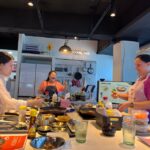
You get to cook court-style Korean dishes inside a 100-year-old hanok near the Palace area, with max 6 guests so the chef can actually watch your hands. I also like that you’ll sit down and eat the results on Bangjja bronzeware, the kind of detail that makes a class feel special, not rushed. One thing to think about: the menu defaults to LA Galbi (beef ribs), so if you want Dak Galbi or vegetarian, you need to request it when booking.
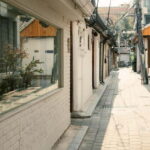
In a little pocket behind Insadong IBIS Ambassador Hotel, Seoul swaps neon streets for a quiet, preserved home-feel. You’ll learn how traditional dishes are built—then taste them immediately with a glass of freshly brewed Makgeolli and sweet finishers.
Plan for a relaxed evening, not a quick cooking demo. This runs about 2 hours, but you should give yourself some buffer in case the session runs a touch long.
In This Review
- Key Things I’d Watch For
- Royal Cooking in a 100-Year-Old Hanok Near Insadong
- Where You Meet and How to Get In Without Drama
- The Class Flow: From Welcome to You Sitting Down Like Royalty
- The Menu You’ll Cook: LA Galbi, Fresh Kimchi, and More
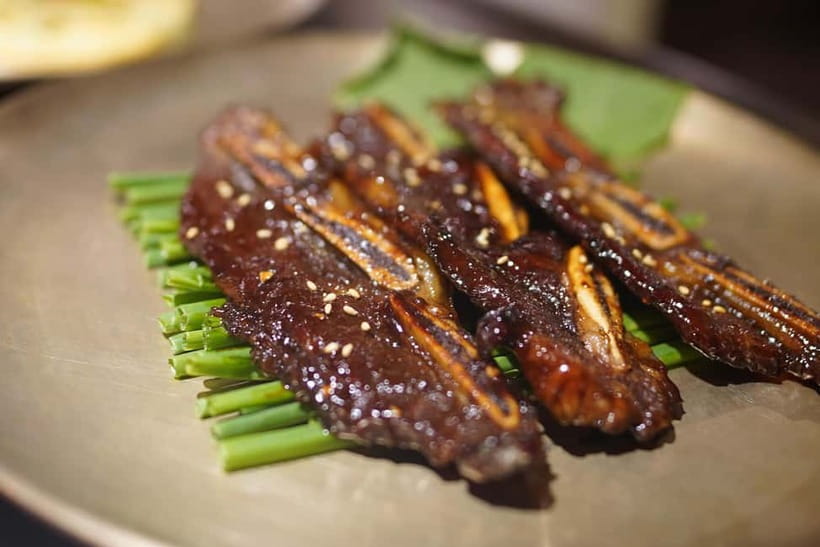
- LA Galbi (Beef Ribs)
- Fresh Kimchi
- Haemul Pajeon (Seafood Pancake)
- Tangpyeongchae
- Dietary choices you should plan for
- Bangjja Bronzeware Dining and the Makgeolli Pour
- The plates matter
- Makgeolli and desserts are included
- Chef Park’s Style: How the Help Keeps It Fun
- The Value of $96 for 2 Hours (And Why It’s Not Just About Food)
- Who This Cooking Class Is For (and Who Might Want to Skip It)
- Practical Tips Before You Go
- Should You Book This Hanok Royal Cooking Class?
- FAQ
- How long is the cooking class?
- What’s included in the meal?
- How large is the group?
- Is the class taught in English?
- What dishes are included, and can I request something else?
- Where do I meet the group?
Key Things I’d Watch For
- A real small-group setup (up to 6) means you’ll get hands-on help instead of standing around.
- Chef Park’s teaching style is patient and step-by-step, even if you’ve never cooked Korean before.
- The core menu is LA Galbi plus classic sides, with options available if you request early.
- Bangjja bronzeware dining turns your meal into a mini royal experience, not just a tasting.
- Makgeolli and desserts are included, so you finish full, not hungry for dinner plans.
- It’s set behind Insadong IBIS Ambassador Hotel, so your first win is finding the door fast.
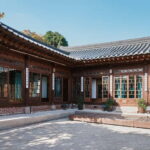
Royal Cooking in a 100-Year-Old Hanok Near Insadong
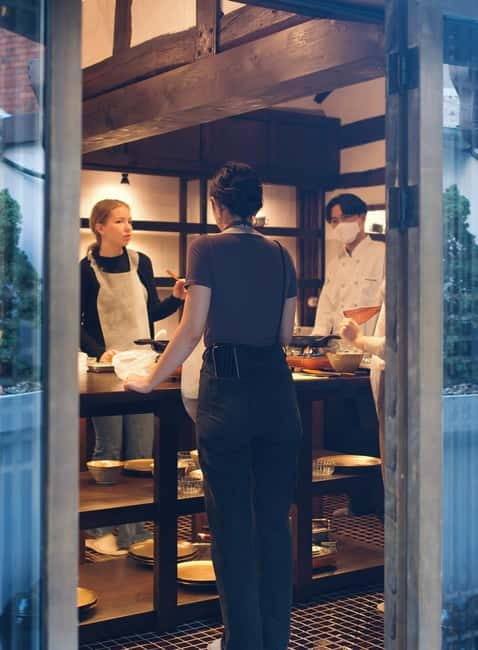
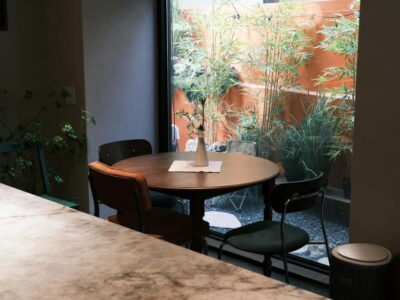
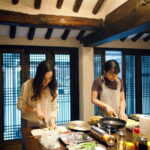
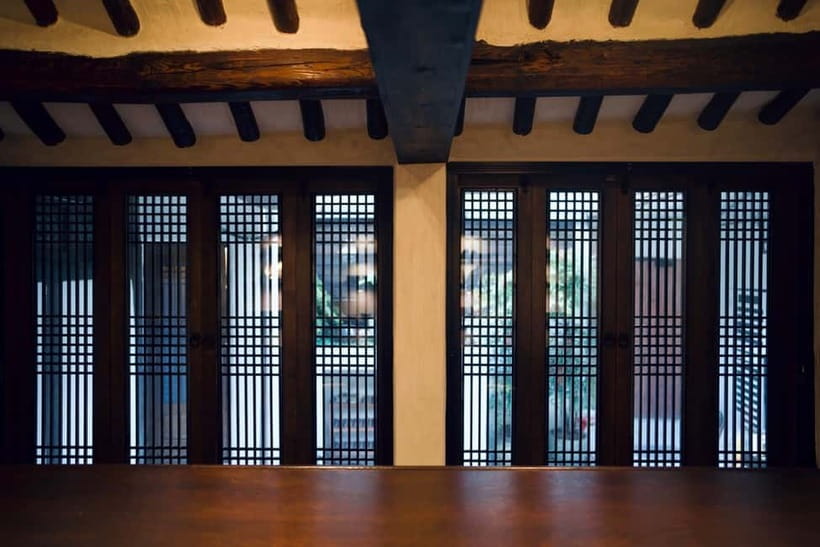
Seoul is a city of contrasts. One minute you’re surrounded by modern buildings; the next you’re walking into a restored hanok that feels like it belongs to an older rhythm of life. That switch matters. When the setting is calm and intimate, you pay attention to the food in a better way—how flavors balance, how textures change, and why certain steps show up again and again in Korean cooking.
What I like most is that the experience doesn’t rely only on the “cool building” angle. You’re not just touring. You’re working at a real cooking pace with an English-speaking chef (Chef Park, also mentioned as Ricky). The class is designed for regular people, including first-timers, with clear guidance so you can actually produce something you’ll want to eat.
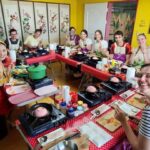
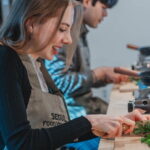
There’s also a practical value here: small groups. With a limit of six participants, you’re more likely to get corrections on seasoning, cutting, and timing. In bigger classes, the chef teaches while you watch. Here, you get more direct feedback on what you’re doing in the moment.
You can also read our reviews of more cooking classes in Seoul
Where You Meet and How to Get In Without Drama
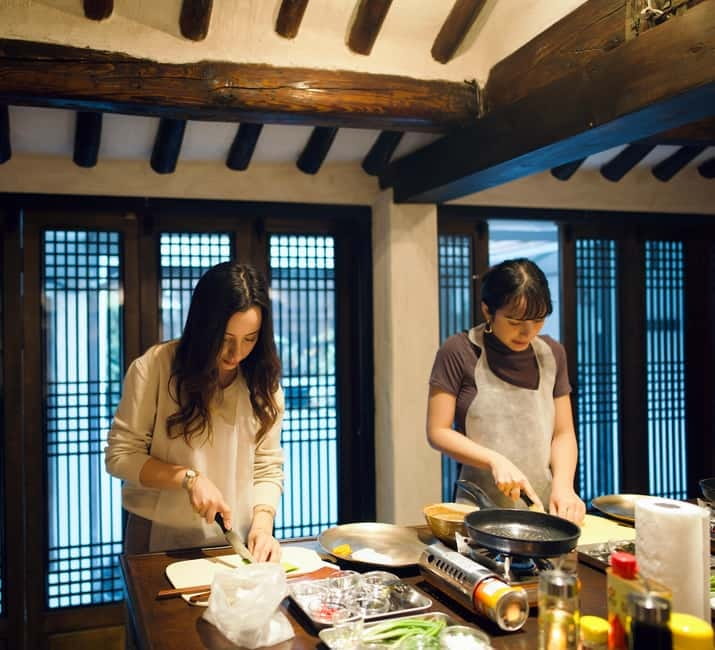
Your meeting point is right behind Insadong IBIS Ambassador Hotel—and the key detail is that there are multiple IBIS hotels in Seoul. Make sure you’re going to the one specifically in Insadong.
The provided address is:
25, Samil-daero 32ga-gil, Jongno-gu, Seoul (서울시 종로구 삼일대로 32가길 25)
My advice: arrive with 10–15 minutes of breathing room. Not because the experience is complicated, but because hanoks can be tucked behind streets and building lines. Once you find the right spot, everything afterward feels smooth.
Also note a timing point: the class is listed at 2 hours. One guest mentioned it can run a bit longer, so don’t stack something tightly right after.
The Class Flow: From Welcome to You Sitting Down Like Royalty
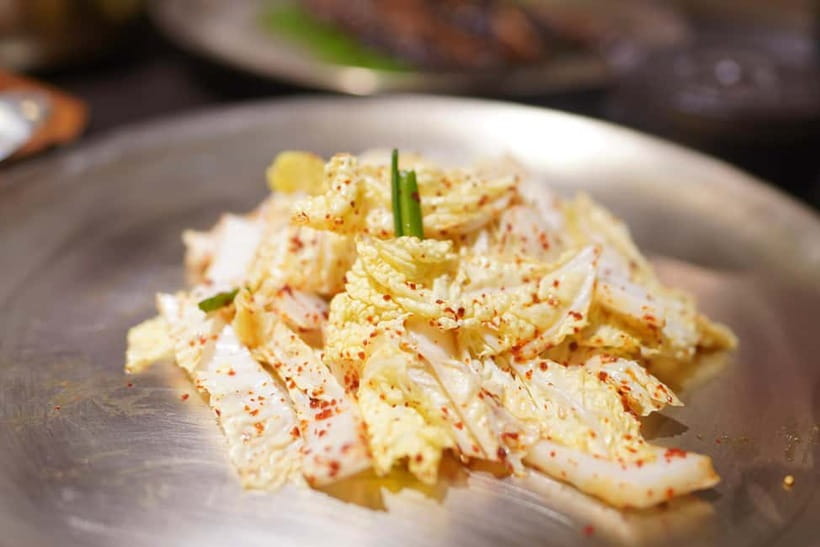
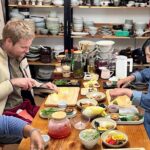
The format is straightforward, and that’s part of why people rate it so highly. You start with a welcome and direction from the chef, then move into cooking with a step-by-step pace. You’re not expected to “figure things out” alone. The chef guides the process and explains what you’re doing and why it works.
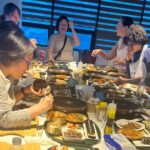
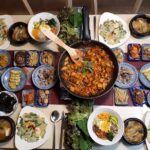
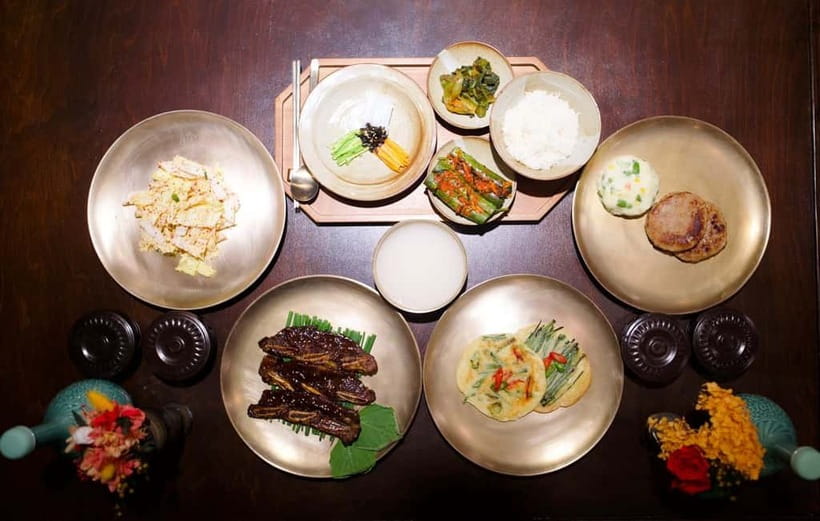
Then you eat what you made. And you don’t just eat anywhere. You’ll dine in true Korean style on handcrafted Bangjja bronzeware, which is the kind of material choice that makes the meal feel intentional.
Here’s what that means for you: you’ll taste your food at the right moment (freshly prepared), you’ll get a chance to ask questions while eating, and the setting makes the whole thing feel more like a private dinner lesson than a ticketed activity.
The Menu You’ll Cook: LA Galbi, Fresh Kimchi, and More
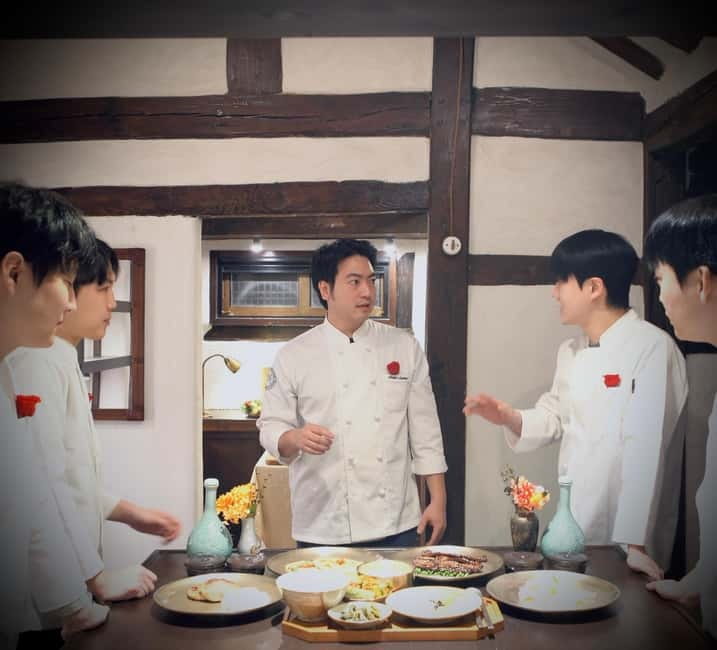
The default menu centers on LA Galbi (beef ribs). If you’re a kimchi fan, a pancake person, or someone who just wants to learn classic Korean flavors in a manageable way, this lineup makes sense.
Based on the included dishes, expect to craft and cook:
LA Galbi (Beef Ribs)
This is the “main character.” You’ll work with classic Korean barbecue-style flavors—sweet, salty, and savory—then learn how to handle the meat and seasonings so it cooks the way it should.
If you’re the type who worries that cooking classes will hand you complicated steps, this is often a relief. The chef’s approach is designed so beginners can succeed without turning it into a stressful science lab.
You can also read our reviews of more tours and experiences in Seoul


Fresh Kimchi
This is where the experience gets real. Kimchi isn’t just a side dish; it’s a signature flavor of Korea. Fresh kimchi also gives you a taste of how fermentation culture fits into everyday Korean meals.
You’ll take part in the process and learn the logic behind the seasoning balance. It’s one of those lessons that travels home with you, because you can recreate a similar flavor profile even without the exact same kitchen setup.
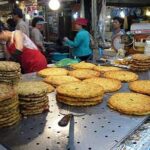
Haemul Pajeon (Seafood Pancake)
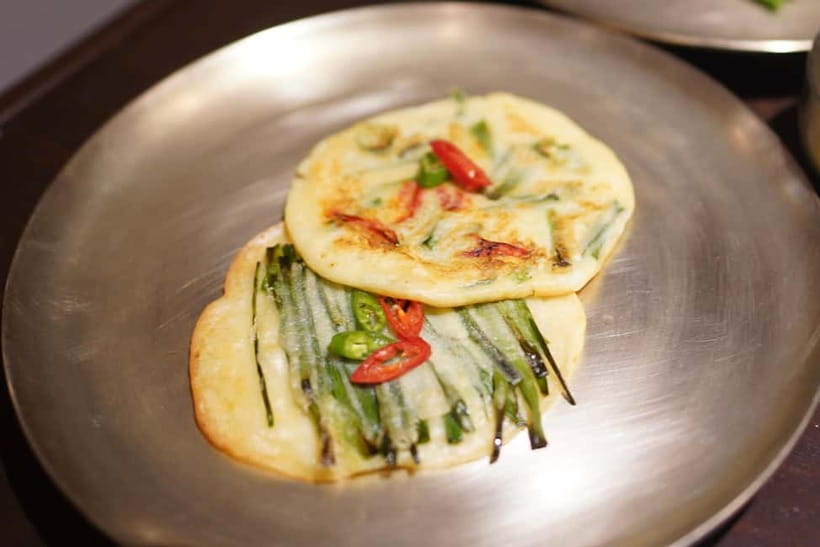
Pajeon is loved for a reason: it’s comforting, crispy at the right edges, and packed with flavor. This dish also teaches texture—how batter behaves, and how cooking time changes the end result.
If you’ve ever had pajeon that tasted good but didn’t feel right, this helps you understand what to control: heat, thickness, and ingredient distribution.
Tangpyeongchae
This dish rounds out the meal with a lighter touch and often brings variety to the plate so everything doesn’t taste like one long, heavy flavor arc. You’ll get hands-on with it as part of the meal you prepare, and it helps balance the richness of the galbi.
Dietary choices you should plan for
The default is LA Galbi (beef ribs). For Dak Galbi (chicken) or a vegetarian option, you need to request it when booking. If you have allergies or specific restrictions, you should let the team know in advance.
Bangjja Bronzeware Dining and the Makgeolli Pour
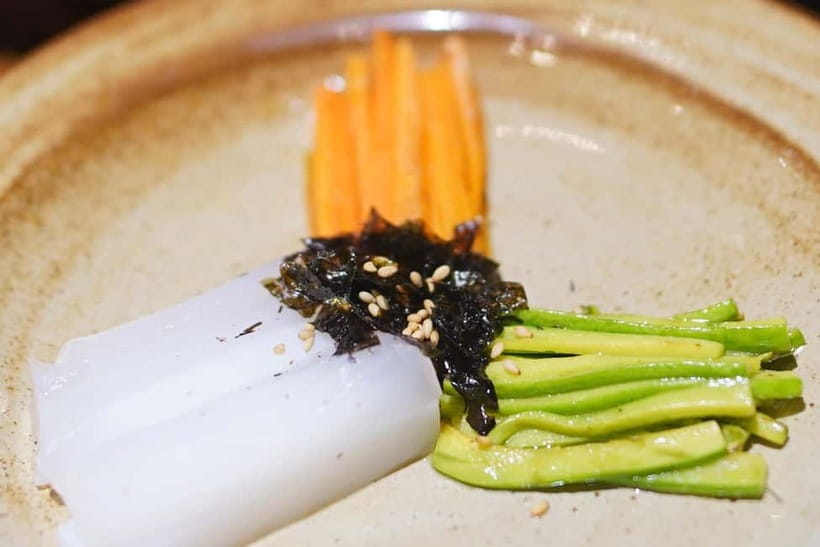
After you cook, you sit down and eat. That’s not just a nice detail—it affects the whole class experience.
The plates matter
Dining on Bangjja bronzeware isn’t a gimmick. It adds a “ceremony” feeling to something you’d otherwise rush through. When your setting matches the cultural theme, it’s easier to focus on flavor and texture, and you’re more likely to actually enjoy the meal you made.
Makgeolli and desserts are included
You’ll also get:
- a glass of freshly brewed Makgeolli
- assorted traditional Korean desserts
This is a practical win. A lot of cooking classes stop after cooking, leaving you to figure out dessert or drinks elsewhere. Here, you finish inside the same warm, heritage-focused flow.
Makgeolli is a fitting pairing because it’s part of Korean drinking culture, and it plays nicely with the meal’s mix of savory and sweet notes. The desserts then bring it home.
Chef Park’s Style: How the Help Keeps It Fun
Chef Park is repeatedly described as warm, engaging, and patient. In a good cooking class, the chef does two things at once: teaches technique and lowers the stress level.
That’s what you’re looking for as a participant. If you’re new, you need simple instructions and reassurance. If you’re more experienced, you still want clarity—how ingredients should behave, and what to watch for during timing.
From the way this class is set up (and how it runs for small groups), you should expect:
- clear step-by-step directions
- frequent check-ins as you cook
- space for conversation while you’re working
- explanations that connect the dishes to Korean culture and tradition
Several guests mention that Park shares a good amount of context while cooking. You get more than recipes—you get the reasoning behind certain flavors and techniques. That’s the part you’ll notice again when you try the food at home and can adjust instead of just copying.
The Value of $96 for 2 Hours (And Why It’s Not Just About Food)
At $96 per person for a 2-hour class, it’s not the cheapest thing you can do in Seoul. But you also shouldn’t compare it to a basic cooking demo.
Here’s what you’re really paying for:
- the restored 100-year-old hanok setting in central Seoul
- small-group instruction (up to 6)
- certified chef guidance
- a full meal experience (multiple dishes, plus dining ware)
- Makgeolli and traditional desserts included
- an English-language class experience
If you break it down, it’s closer to a private lesson plus dinner than a class-only activity. That’s why many people treat it as a highlight: you leave with a meal you understand, not just a meal you consumed.
If you like hands-on cultural experiences, it’s easy to see where the money goes. If you only want to eat Korean food, you might question the value. But if your goal includes learning, the price starts to feel reasonable fast.
Who This Cooking Class Is For (and Who Might Want to Skip It)
This experience fits best if you want:
- a hands-on cooking lesson with real coaching
- a calmer, more intimate side of Seoul (not a factory-like tour)
- classic Korean dishes you can realistically recreate later
- an evening meal that ends with dessert and Makgeolli
It’s also described as working well for singles, couples, and families (with one important limit): it’s not suitable for children under 10.
Consider skipping if:
- you don’t eat beef and forgot to request Dak Galbi or vegetarian in advance
- you want something purely sightseeing-focused with no cooking effort at all
- you’re looking for a fast, casual snack stop rather than a full cooking-and-dining session
Practical Tips Before You Go
A few things will make your night smoother:
- Request your menu preference when booking (LA Galbi is the default).
- Tell the team about allergies or food restrictions ahead of time.
- Wear comfortable clothes. You’ll be in a cooking environment and moving around a bit.
- Plan to be present for the full meal. This is meant to feel like dinner, not just a timed class.
If you’re the type who likes to ask questions, this is a good place to do it. The whole setup supports conversation while you cook.
Should You Book This Hanok Royal Cooking Class?
I think it’s a strong choice if you want Seoul that feels personal: a real hanok, a small group, a chef who teaches patiently, and a meal that’s built from classic Korean dishes you actually make yourself.
Book it if:
- you’re excited to cook LA Galbi, fresh kimchi, and pajeon
- you want the Bangjja bronzeware dining experience
- you value small-group attention over a large tour vibe
- you want dessert and Makgeolli included
Skip it (or double-check your needs) if:
- you can’t eat beef and didn’t request an alternate menu
- you dislike alcohol and want a non-alcohol plan (Makgeolli is included as a glass, and the data doesn’t mention alternatives)
If you’re deciding between a standard food tour and something hands-on, this one leans toward the hands-on side—and that’s usually the difference between a good memory and a repeatable skill.
FAQ
How long is the cooking class?
It lasts about 2 hours.
What’s included in the meal?
You’ll cook Korean dishes with a chef and then dine on handcrafted Bangjja bronzeware. A glass of freshly brewed Makgeolli and assorted traditional Korean desserts are included.
How large is the group?
The class is a small group with a maximum of 6 participants.
Is the class taught in English?
Yes, the instructor teaches in English.
What dishes are included, and can I request something else?
The default menu includes LA Galbi (beef ribs). You can request Dak Galbi (chicken) or a vegetarian option when booking.
Where do I meet the group?
The meeting point is right behind Insadong IBIS Ambassador Hotel (make sure it’s the Insadong location). The address provided is 25, Samil-daero 32ga-gil, Jongno-gu, Seoul (서울시 종로구 삼일대로 32가길 25).