REVIEW · SEOUL
Seoul DMZ Tour with 3rd Tunnel and Red Suspension Bridge
Book on Viator →Operated by I Love Seoul Tour · Bookable on Viator
A DMZ tour in Seoul is a whole different kind of postcard. This one strings together unification memorial stops, the hard-to-forget walk through the 3rd Tunnel, and then a high viewpoint from Dora Observatory. I especially love how the guides—Stella, Leo, Grace, Kenny, Thomas, and Mama Winnie show up in different tour groups—turn official places into stories you actually remember.
The other thing I like is the pacing: you’re not just staring out a bus window. You get time to move around Imjingak’s monuments, walk into the tunnel (yes, stoop-walk), and then hike up for the suspension bridge views. The main drawback is physical: expect hills, stairs, and a tunnel interior where the ceiling is low enough that you’ll be bent for a while.
In This Review
- Key Highlights You’ll Care About
- Getting There From Myeong-dong: Where the Day Starts
- The Imjingak Pyeonghoa-Nuri Park Stop: Unification Park and a War-Era Lesson
- Mangbaedan on New Year’s: A Small Stop That Hits Hard
- The Third Tunnel: 1,635m of Engineering and Stooped Walking
- Dora Observatory: Weather-Dependent Views Toward Gaeseong and Beyond
- Gamaksan Chulleong Bridge: The Red Suspension Bridge and the Hill Climb
- Price and Value: Is $45 Worth an 8-Hour DMZ Circuit?
- Guides Make the Difference: What Consistently Worked
- Who Should Book This Tour (and Who Might Want Another Option)
- Should You Book the Seoul DMZ Tour With the 3rd Tunnel and Red Suspension Bridge?
- FAQ
- What is the meeting point for the tour?
- How long is the tour?
- How much does it cost?
- Is hotel pickup included?
- Which stops are included during the day?
- Are admission tickets included?
- Do I need a passport?
- Will I visit the Joint Security Area (JSA)?
- What should I wear for the tour?
- What if the DMZ tour is canceled?
Key Highlights You’ll Care About
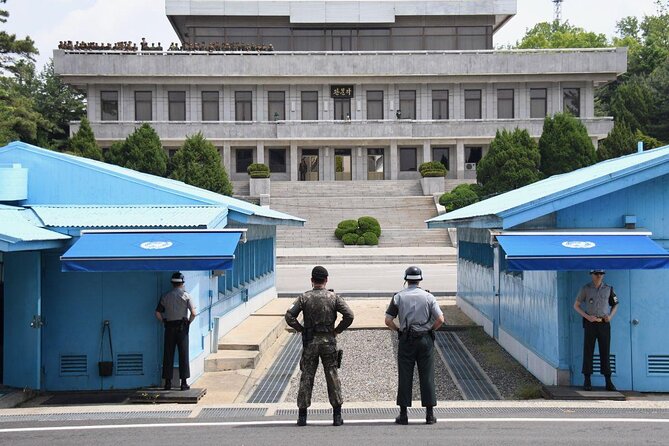
- Imjingak Pyeonghoa-Nuri Park + North Korea Center: monuments and a unification-focused setting that helps you frame the rest of the day
- 3rd Tunnel scale: 1,635m long, about 2m wide, and only 2m high—plus the realistic “low-ceiling” feeling when you’re inside
- Dora Observatory viewpoints: you look toward Gaeseong, Songaksan, the Kim Il-Sung Statue, and Geumamgol Cooperation Farm
- Gamaksan Chulleong Bridge: a red suspension bridge on a route tied to the Battle of Solma-ri (Gloster Hill), with a proper climb
- Guide-led history that keeps you engaged: many groups rave about clear explanations, respect, and even photo help
Getting There From Myeong-dong: Where the Day Starts
This tour is built as an all-day circuit starting and ending in central Seoul. You meet at Myeong-dong subway station, and the schedule runs for about 8 hours total. There’s no hotel pickup included, so you’ll want to plan your morning around getting yourself to the meeting point smoothly.
Bring your practical stuff. A current valid passport is required on the day of travel. Wear shoes that won’t make you regret the return hike—this tour strongly discourages flip-flops, slippers, and high heels. And yes, bring snacks and drinks: there isn’t a traditional sit-down meal slot, so you’ll feel better with something in your bag.
One more logistics reality: DMZ access depends on the military, so the trip may be canceled without prior notice. If you’re traveling on tight timing, keep a little buffer in your plans.
You can also read our reviews of more tours and experiences in Seoul.

The Imjingak Pyeonghoa-Nuri Park Stop: Unification Park and a War-Era Lesson
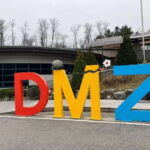
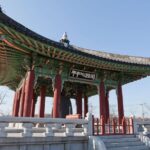
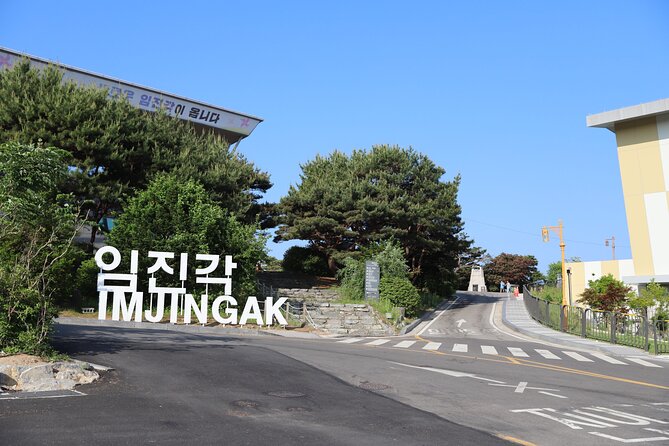
Your day begins at Imjingak Pyeonghoa-Nuri Park, a place created in 1972 with unification in mind. It’s close to the demilitarized zone area—about 7 km from the Military Demarcation Line—and it’s packed with monuments and symbolism meant to put human stories behind the big political words.
You’ll have about 30 minutes here, with admission listed as free. It’s one of those stops where you get a “before the tunnel” feeling. Before you go underground and stare toward North Korea, Imjingak gives you anchors: the Unification Park concept and the North Korea Center atmosphere help you understand why this area is emotional for Koreans and why it’s treated with such caution.
What’s genuinely useful for you as a visitor: this is where the guide’s talk makes sense. When the history later turns more technical (tunnel engineering, observation lines), you’ll already be oriented to the main ideas—families separated, the war’s lingering scars, and the idea of what the boundary means.
A note for planning: it’s a memorial park, so it’s not about shopping or quick thrills. It’s about setting context before the more intense parts of the day.
Mangbaedan on New Year’s: A Small Stop That Hits Hard
After Imjingak, you’ll stop at Mangbaedan, with about 15 minutes on the clock and free admission. Mangbaedan is tied to people who left their families in the North and visit on New Year’s Day—a short stop with a very specific emotional purpose.
This is the kind of moment where you may not need a long speech. Even if you’re not a history nerd, the connection to families and absence lands fast. If you’ve been thinking about the DMZ as geography only, Mangbaedan reminds you it’s also people.
Time-wise, this is a good break between bigger sites. Don’t treat it like filler. It’s short on purpose, like a hinge that swings you from memorial context into the physical reality of border defense.
The Third Tunnel: 1,635m of Engineering and Stooped Walking
Then comes the main event for many people: The 3rd Tunnel. You’ll get around 40 minutes, and the admission is included.
Here’s what matters before you go inside. The tunnel is described as spanning 1,635m in length, with about 2m in width and 2m in height. That “2m high” detail sounds abstract until you’re standing there and then start walking. Even if you’re not extremely tall, you’ll likely feel the low-ceiling effect quickly.
Also, bring mental stamina: reviews from real visitors highlight it as longer and steeper than it looks. Many mention the tunnel requires you to move in a hunched posture for stretches and that the return can feel demanding. One reviewer even described the interior as cold (around 11 degrees) and the ceiling height feeling closer to 1.7m, with a lot of helmet contact on the way back—so if you’re taller, plan for that reality.
What you’ll get from this stop (and why it’s worth the effort):
- You see how the DMZ isn’t just a line on a map.
- You understand the engineering mindset behind fear and defense.
- You feel the scale, not just read about it.
This isn’t a photo-only stop. You’ll still take pictures if the rules allow, but the memory you carry will be physical: your breathing, the low ceiling, the slow forward progress, and then the uphill return.
Dora Observatory: Weather-Dependent Views Toward Gaeseong and Beyond
Next up: Dora Observatory, with about 30 minutes. Admission is included.
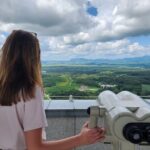
Dora is where the day shifts from “underground history” to “look outward.” From this viewpoint, you can overlook North Korea and multiple named locations, including Gaeseong, Songaksan, the Kim Il-Sung Statue, and Geumamgol (Cooperation Farm).
You might hear the phrase weather-dependent, and they’re not just being dramatic. Dora’s views depend on visibility. If you land on a clear day, the scene feels much sharper—one review highlighted getting a view without haze. If the weather is less kind, you may still get the overall shapes and directions, but you’ll probably lean more on the guide’s explanations than on distant details.
This stop is also where the tour earns its deeper meaning. If conditions are right, the overview notes that you may even spot people living and working in the North. Even when you can’t make out individuals, the point remains: you’re standing on a real observation point, trained on real places.
Practical tip: Dora is part of the long day. Keep an eye on the time so you don’t rush your look.


Gamaksan Chulleong Bridge: The Red Suspension Bridge and the Hill Climb
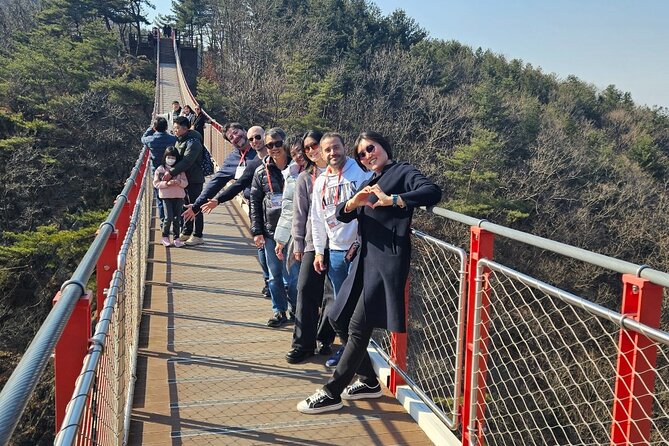
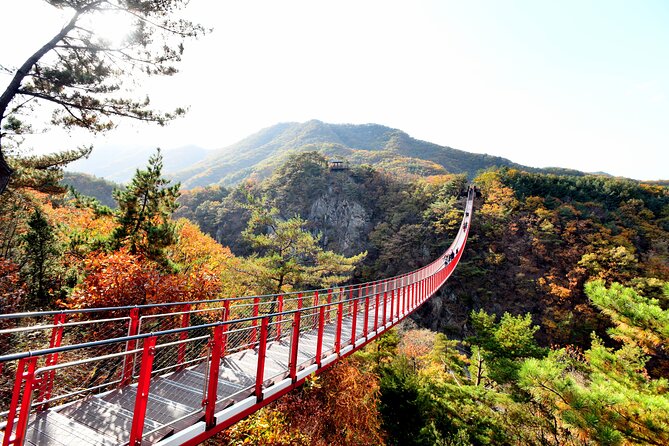
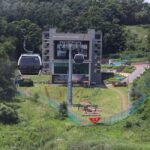
Finally, the tour heads to Gamaksan Chulleong Bridge, described as a suspension bridge with about 150m length and 1.5m width, located in Solma-ri. This stop ties to the Battle of Solma-ri, also called the Battle of Gloster Hill in 1951—one of the battles where British troops fought in the Korean War.
You’ll spend about 1 hour here, with free admission. This is the most scenic-ish stop of the day, but it’s also active. Expect a climb from the road to the bridge area and a return walk afterward. One reviewer mentioned roughly 400 steps on the hike up and described it as steep.
That combination—history plus physical effort—explains why this stop gets such strong feelings. It’s not just pretty. It’s a remembrance setting with a view, and the work you do to reach it makes the moment feel more real.
If you enjoy photo angles, the bridge itself gives you strong leading lines. If you prefer calmer sightseeing, you’ll still get value because the guide ties the view back to the battle context.
Price and Value: Is $45 Worth an 8-Hour DMZ Circuit?
At $45 per person, this tour looks inexpensive compared to how intense and regulated the DMZ experience can be. What you’re really paying for isn’t only admissions—it’s access logistics, an air-conditioned vehicle, and a professional guide who keeps the day coherent.
You’re also getting a stack of included moments:
- Imjingak (free)
- Mangbaedan (free)
- 3rd Tunnel (included)
- Dora Observatory (included)
- Gamaksan Chulleong Bridge (free)
The admissions aren’t the expensive part of the story—the real value is that you’re not trying to stitch together multiple destinations on your own. You show up, you get a guided narrative, and you move through the day with a plan.
Where the math can flip against you: if you’re short on time, the day is long—about 8 hours. And if you dislike walking, the tunnel + bridge climbs can feel like too much for a “half-day” mindset. But if you can handle steady movement, this price point feels fair for a full, structured DMZ day.
Guides Make the Difference: What Consistently Worked
One theme pops up again and again in the tour experience: the guides. Different names appear in different groups—Stella, Mama Winnie, Leo, Grace, Kenny, Thomas, and Chloe—but the pattern is similar.
What you’ll like if your guide is on that same level:
- Clear explanations that connect each stop to the big picture
- Respectful tone, especially when talking about war and separation
- Help with photos, which matters when the schedule is tight and people are moving
- Bus-time learning with interactive material (one review specifically called out videos and photos)
If you’re the type who worries you’ll be bored on long rides, this matters. A good guide turns travel time into part of the experience instead of dead time.
Who Should Book This Tour (and Who Might Want Another Option)
This tour is built for people who can do real walking with real slopes. The tour notes a moderate physical fitness level requirement, and the route includes:
- A tunnel walk that can involve hunched posture
- A steep-feeling return in the tunnel area
- A hike up to a suspension bridge viewpoint
You’ll likely be happiest if:
- You want a structured DMZ overview with multiple stops, not just one viewpoint
- You’re okay with a cold, low-ceiling tunnel experience
- You care about Korean War context and how it still shapes modern life
- You like learning with a guide instead of winging it alone
You might reconsider if:
- Low-ceiling interiors or stooped walking make you uncomfortable
- You have trouble with stairs and steep climbs
- You’re expecting an easy sightseeing day with minimal effort
One more “choose wisely” detail: the tour does not stop at shopping centers like ginseng centers or amethyst factories. That can be a plus if you want to avoid hard sells, but it also means you won’t get that kind of distraction break.
Should You Book the Seoul DMZ Tour With the 3rd Tunnel and Red Suspension Bridge?
I’d book this if you want a DMZ day that feels structured, meaningful, and genuinely active. The combination works: Imjingak gives context, Mangbaedan adds human weight, the 3rd Tunnel provides the physical reality, Dora Observatory ties it to named places in the North, and Gamaksan Chulleong Bridge brings the story back to terrain and sacrifice.
Book it now if you:
- Have a valid passport
- Can handle a long day and some strenuous walking
- Like guide-led history and photo support
- Prefer a no-shopping, no-fuss route
Hold off or shop another option if you:
- Struggle with steep climbs or low-ceiling spaces
- Need a very relaxed itinerary
- Are traveling with limited buffer time in case the DMZ route is canceled due to military operations
If you’re in that middle zone—curious, but willing to work a little—this tour hits a sweet spot. You come away with more than views. You come away with understanding you can’t unsee.
FAQ
What is the meeting point for the tour?
The tour starts at Myeong-dong subway station in Seoul.
How long is the tour?
The duration is about 8 hours.
How much does it cost?
The price is $45.00 per person.
Is hotel pickup included?
No, hotel pickup and drop-off are not included.
Which stops are included during the day?
The tour includes Imjingak Pyeonghoa-Nuri Park, Mangbaedan, the 3rd Tunnel, Dora Observatory, and Gamaksan Chulleong Bridge.
Are admission tickets included?
Yes. Admission tickets are included for the listed paid sites.
Do I need a passport?
Yes. A current valid passport is required on the day of travel.
Will I visit the Joint Security Area (JSA)?
No. This tour does not stop at the Joint Security Area (JSA).
What should I wear for the tour?
It’s strongly recommended you avoid flip-flops, slippers, or shoes with heels.
What if the DMZ tour is canceled?
Since the DMZ is operated by the military, the trip may be canceled without prior notice.