REVIEW · SEOUL
Seoul Half Day Tour with a Local: 100% Personalized & Private
Book on Viator →Operated by City Unscripted · Bookable on Viator
Seoul makes more sense on foot. This private half-day tour lets you shape the day around your tastes, with Gyeongbokgung Palace and Insadong as two anchors for history and everyday culture, and it’s mostly a walking experience. The main drawback to plan for: you’re not locked into museum-tickets or taxi comfort, so you’ll want good shoes and a weather-friendly mindset.
I also like the flexibility. You can pick a 3- or 4-hour option, start whenever you want, and request a hotel meet-up for central locations through the questionnaire. If you want modern Seoul in the mix (fashion, design, tech), the route can include Dongdaemun Design Plaza—and you won’t be stuck with a rigid coach-tour script.
One more thing: this is a true private tour, so you’re not trading your questions for someone else’s. In the feedback, guides like Bella, Jay, GJ, Andrew, Jihyun, Paul, Sujeong, and Yujin are often praised for explaining what you’re looking at and adjusting pace, but there can be moments when language or timing needs extra patience—especially if you’re moving quickly between sites.
In This Review
- Key highlights I’d plan around
- Why a private Seoul walk makes the city click
- Price and logistics: what $111.37 per person really covers
- Route plan that makes sense: palace, arts street, design landmark, hanok village
- Gyeongbokgung Palace: Joseon-era scale in a tight timeframe
- Insadong’s arts-and-tea streets: antiques, street food, and slow browsing
- Dongdaemun Design Plaza: modern Seoul through design and exhibitions
- Bukchon Hanok Village: hanok homes and historical daily-life context
- Getting the itinerary right: start times, themes, and your pace
- Choosing the right guide vibe: what usually goes well
- Practical tips so your 3–4 hours feel effortless
- Should you book this Seoul Half Day with a local?
- FAQ
- How long is the Seoul half-day private tour?
- Is this tour private or shared?
- Where does the tour start and end?
- Can the guide meet you at your hotel?
- What is included in the price?
- Are food and drinks included?
- Is transportation included?
- Is a mobile ticket provided?
- What if the weather is bad?
- Are service animals allowed?
- Can I cancel for a full refund?
Key highlights I’d plan around
- 100% private, with a real local voice: your guide steers the conversation and pace.
- Choose 3 or 4 hours: more time usually means less rushing between neighborhoods.
- Flexible themes like food, shopping, history, and culture, guided by your preferences.
- A strong Seoul mix: palace grounds, an arts-and-tea street, a design landmark, and Bukchon hanok lanes.
- Hotel meet-up may be available for central areas, otherwise you start at 109 Jae-dong (Jongno).
Why a private Seoul walk makes the city click
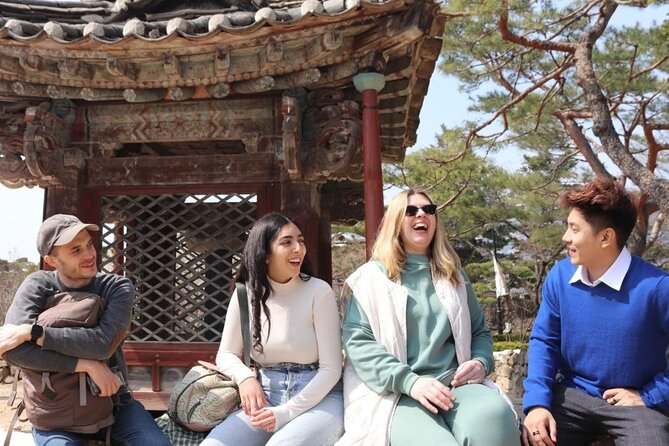
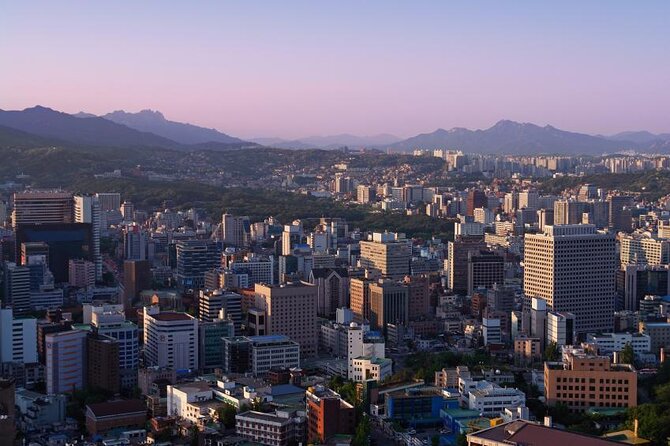
This tour is built for people who don’t want Seoul spoon-fed in a single photo loop. Instead, you’re walking through parts of the city that are easy to recognize on a map—but hard to understand without context. A local guide can point out what mattered back then, and what matters now, right as you’re standing there.
Two practical wins stand out. First, the tour is custom. You’re not just choosing from a preset “highlights” template. You’re sharing what you care about—shopping, food, history, culture—and your guide shapes the route to match your energy. Second, it stays private. That matters because you can move at your speed: slow for photos and questions, or faster if you’re trying to cover key stops in one afternoon.
The downside of personalization is that you have to steer it. If you don’t mention what you want, the tour can turn into a generic checklist. So before you start, think in categories: Do you want more old Seoul stories, more street life and snacks, or more modern architecture and design?
You can also read our reviews of more private tours in Seoul
Price and logistics: what $111.37 per person really covers
At about $111.37 per person for a 3- to 4-hour private walking tour, you’re paying for time with a local guide plus the flexibility to shape what you do with that time. Compared with joining a group, the value is simple: you’re buying attention. Compared with doing it on your own, you’re buying interpretation.
Here’s what’s included:
- A private, personalized walking tour with a local host
- Choice of 3 or 4 hours
- A meet-up that can include a hotel pick-up for central locations on request (handled after booking)
- A mobile ticket
Here’s what’s not included (so you can budget without surprises):
- Food and drinks
- Attraction tickets
- Transportation (it’s primarily walking; public transport may be used at additional cost)
- Gratuities (optional)
So if you’re the type who wants everything handled—tickets bought, meals chosen, taxis lined up—this may feel a bit DIY. But if you like the freedom to decide what you eat and what you enter (and you’re comfortable navigating on foot), this setup usually feels like the sweet spot.
Route plan that makes sense: palace, arts street, design landmark, hanok village
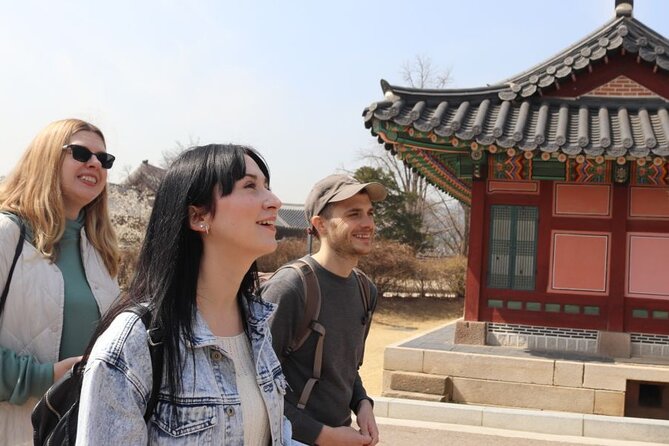
This is a half-day loop through some of Seoul’s best “before and after” contrasts. You start with grand historical architecture, then shift into a neighborhood known for traditional crafts and everyday browsing, then hit a modern design icon, and finally wind down in Bukchon’s hanok area.
One useful way to think about timing:
- 3 hours usually works best if you want the big highlights without lingering too long.
- 4 hours is better if you plan a snack stop, want more walking time in each area, or prefer asking deeper questions.
Also, because it’s walking-first, the route works best when you plan for comfort: water, layers, and shoes you can trust on sidewalks and steps.
Gyeongbokgung Palace: Joseon-era scale in a tight timeframe
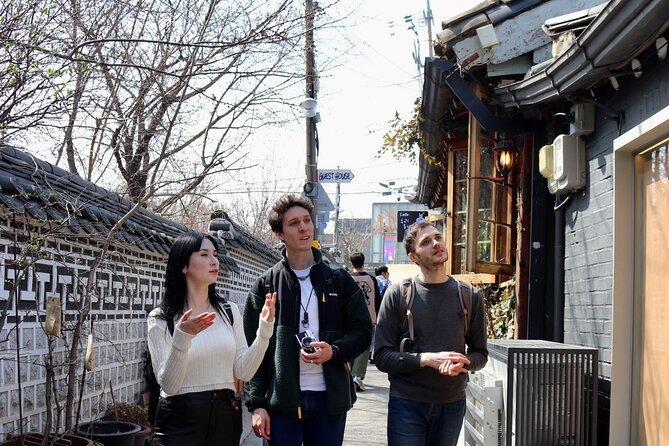
Gyeongbokgung Palace is where Seoul flexes its historical muscle. You’ll get a guided visit that connects the palace to the Joseon Dynasty and the feel of traditional Korean architecture. Even if you’ve seen photos, standing on-site is different: the scale and layout are easier to grasp with someone walking you through the “why,” not just the “what.”
What I’d love about this stop for your trip:
- You’ll understand the bigger story behind one famous place, instead of treating it like a standalone attraction.
- It sets a tone for the rest of the tour—old Seoul first, then you compare what replaced it.
Potential drawback: palace time can balloon fast, especially if you stop for photos at every angle or want to read every sign. If you’re on a strict schedule, tell your guide up front: I want the main highlights, not every corner.
Practical tip: wear comfortable shoes and bring a layer. Palace grounds can feel cooler or more exposed depending on the season.
Insadong’s arts-and-tea streets: antiques, street food, and slow browsing
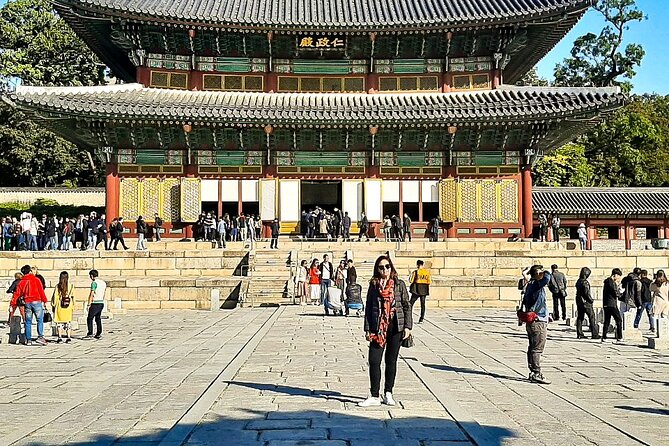
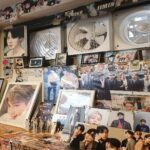
Insadong is the neighborhood where traditional culture feels close enough to touch. You’ll walk through a cultural hotspot known for Korean arts, tea houses, and antique shops, with the chance to sample authentic street food.
This stop is valuable because it’s not just “look at old stuff.” It’s how people actually spend time: browsing, chatting, sipping tea, and snacking as they go. That makes it a great place to ask your guide questions about everyday life, not only history.
What you should watch for:
- Food and drinks aren’t included, so treat this as your chance to set your own budget.
- Antique and craft shops can be tempting, so decide ahead of time whether you’re shopping, window-shopping, or both.
One smart way to make Insadong feel personal: ask your guide for a quick recommendation based on your tastes (sweet vs. savory, mild vs. spicy). Some guides also build in a tea break—often the kind that surprises first-timers.



Dongdaemun Design Plaza: modern Seoul through design and exhibitions
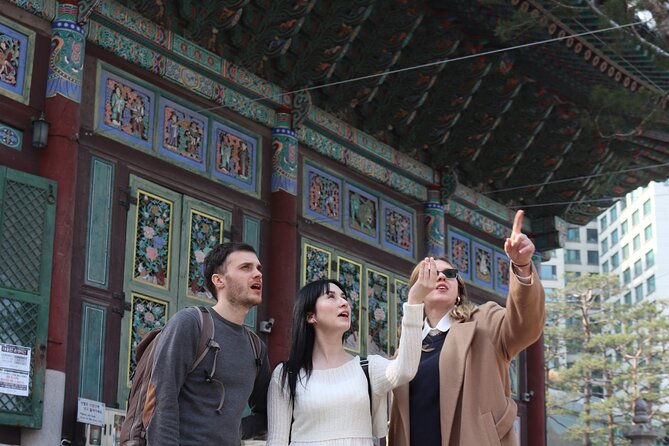
Dongdaemun Design Plaza (DDP) is the modern counterpoint to the palace and hanok streets. Instead of focusing on centuries, it spotlights cutting-edge architecture and the area’s fashion, design, and technology exhibition scene.
This is one of the best stops for people who want their Seoul day to include more than tradition. DDP helps you see the city’s present-day creativity, and it’s also a strong “photo landmark” stop because the building itself is designed to be seen from many angles.
Possible drawback: modern landmarks can feel like short stops if you’re not in the mood for exhibitions. If you want more than photos, tell your guide what you’re interested in—fashion culture, tech, or architecture—and ask how your time can match that.
Tip: if the weather is harsh, DDP can still work well because it’s visually interesting and easy to plan quick breaks.
Bukchon Hanok Village: hanok homes and historical daily-life context
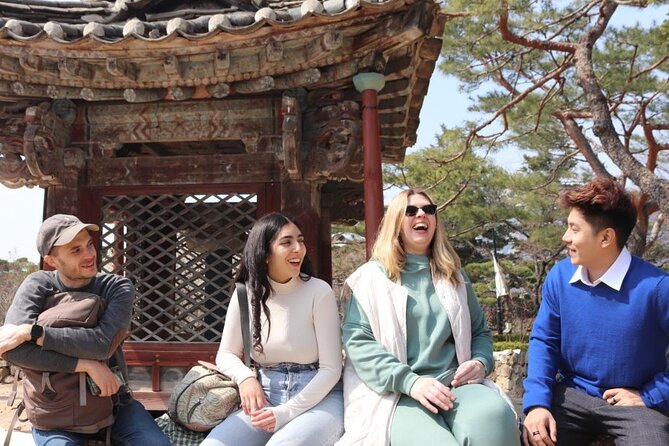
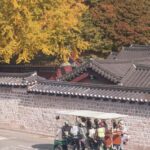
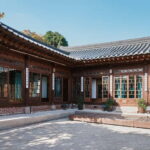
Bukchon Hanok Village is where you slow down. You’ll walk among preserved traditional Korean houses and learn about historical lifestyles in this picturesque neighborhood. The point isn’t only architecture; it’s understanding how people lived, moved, and organized daily life in a neighborhood like this.
Why this stop lands well at the end of a half-day:
- After palace history and neighborhood culture, Bukchon adds a human-scale view: what it looked like for real people, not just official buildings.
- It’s a natural place to wander, take photos, and ask final questions before you return to your starting point.
Watch-outs:
- Bukchon streets can involve uneven ground and lots of steps. If you’re with older adults or you’re walking more slowly, tell your guide early so they can pace the route.
- Since tickets aren’t included, think about which areas you want to enter versus simply experience from the streets.
Getting the itinerary right: start times, themes, and your pace
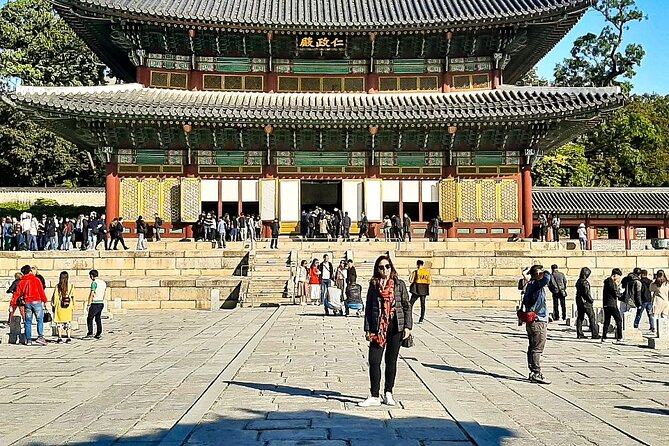
The best part of this experience is how much control you get. You can:
- Start at a time that suits your schedule
- Choose a 3- or 4-hour format
- Build your day around themes like shopping, food, history, and culture
Before you book, do a quick preference check:
- If you want more history, prioritize palace + deeper context questions.
- If you want more street life, spend extra time in Insadong and plan for snacks.
- If you want more modern Seoul, protect time for Dongdaemun Design Plaza.
- If you want traditional neighborhoods, pick enough time for Bukchon.
Then during the tour, keep steering. A private guide can adjust on the fly, but you have to set the direction: I want faster walking, or I want time to stop and ask questions.
Also, if you’re worried about pace, say so right at the start. Many guides are used to handling different comfort levels, but it goes much smoother when they know your needs early.
Choosing the right guide vibe: what usually goes well
This tour lives or dies on the guide. And in the feedback data you shared, certain guide strengths keep showing up:
- Strong explanation tied to what you’re seeing on the street, not just generic facts.
- Smooth navigation around neighborhoods, including how to move efficiently within your limited time.
- Real cultural context, sometimes going beyond the obvious and tying palace/era stories to ideas people carried in everyday life.
- Flexibility with pacing, so you’re not shoved through sites like a checklist.
You might also be matched with a guide who has serious background and story-telling ability. For example, Andrew is mentioned as a former diplomat and practicing attorney in some feedback, and Paul is noted for giving deeper context about Korean history and Confucian ideology tied to the Joseon era.
But I’ll be honest: there are rare pitfalls in any private experience. One issue that popped up in the feedback was pacing feeling too rushed for certain people, and another was language mismatch with a guide whose English didn’t meet expectations. You can reduce that risk by being clear about what you want to get out of the tour, and by flagging mobility concerns immediately.
Practical tips so your 3–4 hours feel effortless
A private walking tour can feel magical when the basics are handled. Here’s how to make it work for you:
- Bring comfortable shoes. You’ll do a lot of walking, and some areas can involve steps.
- Plan for weather. This experience depends on good conditions; if it’s canceled due to poor weather, you’ll be offered a different date or a refund.
- Budget for food and small buys in Insadong. Tickets and meals aren’t included.
- If you want attractions entered, plan to pay ticket costs yourself.
- Have 3–5 questions ready. The best tours happen when you ask things like how a neighborhood developed, what to notice architecturally, or what everyday life looked like in a hanok district.
- At the start, confirm your meet-up point at 109 Jae-dong, Jongno District, and if you requested a central hotel meet-up, make sure your timing is clear.
Should you book this Seoul Half Day with a local?
I’d book this if:
- You want a private, tailor-made experience instead of a big-group rush
- You like a mix of old and new Seoul in one afternoon
- You’re comfortable paying for your own food and any attraction tickets
- You want your questions answered in real time while you walk
I might skip it (or book a different style tour) if:
- You want a fully ticketed, fully guided “everything included” package
- You’re not into walking or steps and don’t want route adjustments
- You need guaranteed English at a very specific level and would rather rely on a group tour with uniform interpretation
If you’re a first-time visitor, this is one of the smartest ways to get your bearings fast—because you’re not just seeing sights. You’re learning how the city connects, neighborhood to neighborhood, tradition to modern life.
FAQ
How long is the Seoul half-day private tour?
You can choose a 3 or 4 hour walking tour, based on what you select when booking.
Is this tour private or shared?
This is a private tour/activity, and only your group participates.
Where does the tour start and end?
The tour starts at 109 Jae-dong, Jongno District, Seoul, South Korea, and it ends back at the same meeting point.
Can the guide meet you at your hotel?
A hotel meet-up for central locations is available on request through the questionnaire after booking.
What is included in the price?
The price includes the private and personalized walking tour with a local guide. It does not include food, drinks, or attraction tickets.
Are food and drinks included?
No. Food, drinks, and attraction tickets are not included, so you’ll pay for what you choose during the tour.
Is transportation included?
Primarily no. The experience is mostly a walking tour, and public transport may be used at an additional cost.
Is a mobile ticket provided?
Yes, the tour features a mobile ticket.
What if the weather is bad?
The experience requires good weather. If it’s canceled due to poor weather, you’ll be offered a different date or a full refund.
Are service animals allowed?
Yes, service animals are allowed.
Can I cancel for a full refund?
Yes. You can cancel up to 24 hours in advance for a full refund.