REVIEW · SEOUL
Seoul History Tour: Dark Past & Market Street Flavors
Book on Viator →Operated by TRIPPER KOREA · Bookable on Viator
Seoul’s dark side comes with a snack stop. This 4-hour walk links Korean independence stories at Seodaemun Prison with the everyday comfort of Namdaemun Market. You’ll move from colonial-era hardship to palace architecture, then end on street food that feels like living Seoul.
I especially like the tour’s focus on meaning, not just dates. You get expert-led context for what the independence movement meant in real life, and you also see how old and new Seoul rub shoulders around Deoksugung Palace.
One consideration: it’s a fair bit of walking, and the tour is best for people with moderate fitness. If you prefer slow, sit-down sightseeing, this schedule may feel tight.
In This Review
- Key highlights
- A 4-hour loop through Seoul’s resistance and everyday life
- Seodaemun Prison History Hall: where the resistance took shape
- Dilkusha (Albert W. Taylor House): a surprising American link
- Deoksugung Palace’s Korean-Western mix during political change
- Sungnyemun Gate and Seoul City Hall: from colonial past to modern Seoul
- Namdaemun Market food tastings near Kalguksu Alley
- How the pacing and walking work (and how to prepare)
- Price and value: what $65 buys you
- Guide quality and group experience: what to expect
- Who this tour suits best
- Should you book this tour?
- FAQ
- How long is the Seoul History Tour?
- What is the price per person?
- What does the tour include?
- Where do I meet the guide, and where does the tour end?
- Is the tour offered in English?
- Do I need WhatsApp for this tour?
- What happens if it rains or snows?
- Is there a lot of walking?
- Are there any entrance fees I need to pay at the stops?
- Can I cancel for a full refund?
Key highlights
- Seodaemun Prison History Hall with a clear explanation of resistance and survival under Japanese colonial rule
- Dilkusha (Albert W. Taylor House), a rarely visited American connection to Korean independence
- Deoksugung Palace’s Korean-and-Western architectural mix, seen in a modern skyline setting
- Sungnyemun Gate (Namdaemun) paired with a look at Seoul City Hall’s shift toward modern democracy
- Namdaemun Market food tastings, including time near the Kalguksu Alley area
A 4-hour loop through Seoul’s resistance and everyday life
This is a story-walk, not a checklist tour. You start where people suffered for freedom, then you keep moving until Seoul feels whole again: palaces, gates, city landmarks, and finally market food that locals eat because it’s practical and good.
The best part is the contrast. You don’t only learn about independence through museums. You also see how Seoul rebuilt itself—then you cap it off with the kind of meal that survives every era, including the hard ones. The tour runs about 4 hours and ends at Namdaemun Market, so you can keep exploring on your own after.
Group size is capped at 99, so it’s not a tiny private experience, but it also doesn’t feel like a stadium event. You’ll also get a mobile ticket, which makes life simpler on busy afternoons.
You can also read our reviews of more historical tours in Seoul
Seodaemun Prison History Hall: where the resistance took shape
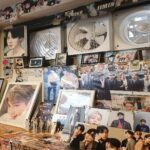
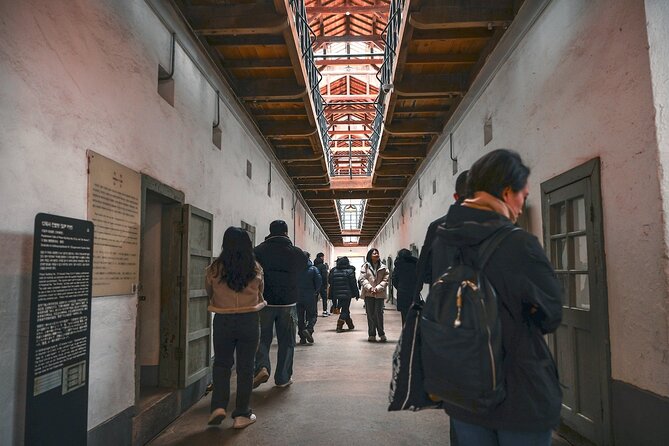
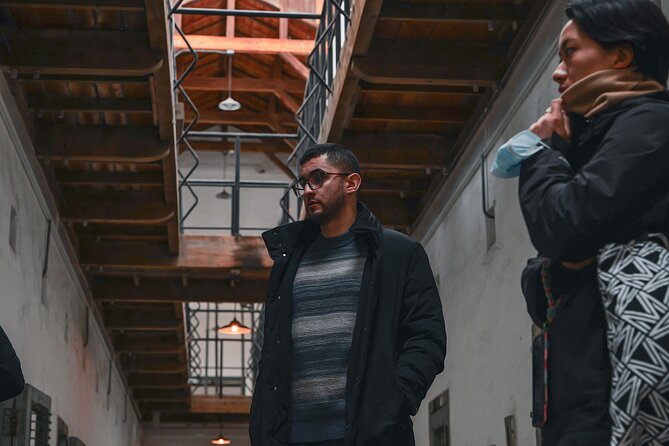
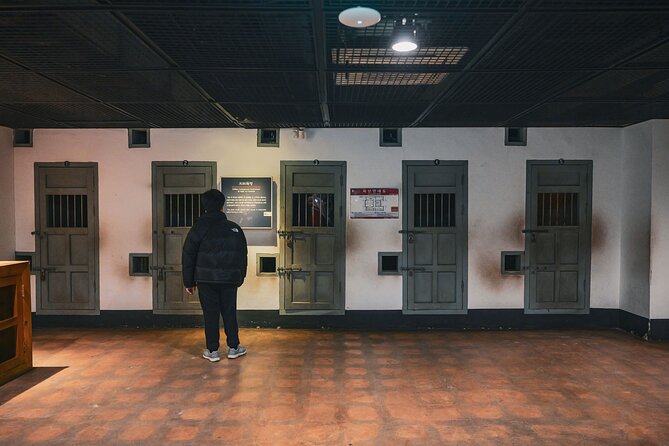
Your first stop is connected to the Seodaemun Museum of Natural History and then the Seodaemun Prison History Hall. This is the heavy anchor of the tour. Expect somber, focused rooms where the main theme is what Koreans endured during the Japanese colonial period and how independence fighters held on through hardship.
This is the kind of place where context matters. Without guidance, you might read captions and move on. With a good guide, you’re helped to connect individual stories to the larger independence movement—why people resisted, what they faced, and why later generations remember it.
Time here is about 50 minutes, and the tour includes entrance fees. That’s a useful length: long enough to absorb the key areas, but not so long that you feel mentally flattened the whole time.
Practical tip: wear shoes you can handle for repeated walking. Even if you’re mostly indoors at the start, the day is designed to keep moving.
Dilkusha (Albert W. Taylor House): a surprising American link
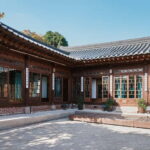
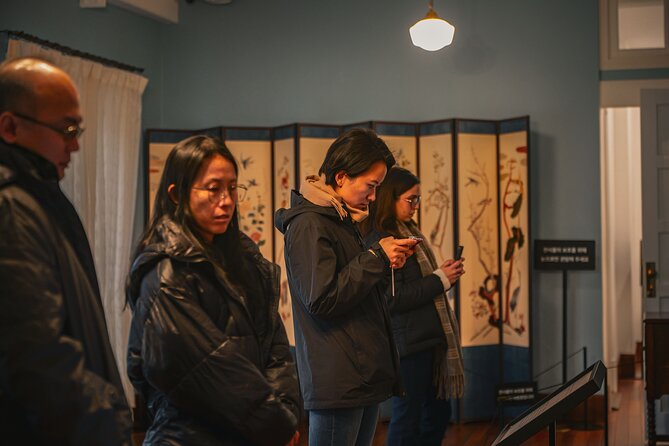
After the prison, the tour shifts gears with Dilkusha (Albert W. Taylor House). This stop is only about 30 minutes, but it adds a different kind of depth: international attention and solidarity, not just what happened inside Korea.
Dilkusha is tied to Albert W. Taylor, an American journalist who supported Korea’s independence. The tour also explains the name Dilkusha, meaning Heart’s Delight, as a symbol of resilience and global alliances.
I like this part because it avoids a one-note narrative. Yes, the prison portion is about suffering. Dilkusha helps you see that the independence movement also had observers and supporters beyond the peninsula.
Entrance here is free as part of the itinerary, and it’s a welcome change of pace after the emotional weight of Seodaemun.
Deoksugung Palace’s Korean-Western mix during political change
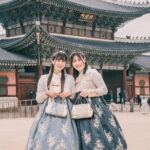
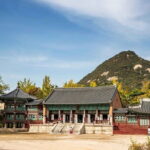
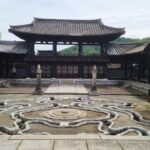
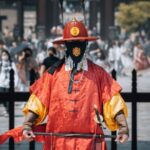
Next comes Deoksugung Palace, around 40 minutes with entrance fees included. If you’ve only seen palace designs that look purely traditional, this one may surprise you. The big theme is a blend of traditional Korean and Western architectural styles.
The point of bringing you here isn’t just pretty scenery. It’s modernization under political pressure. The guide’s job in this stop is to help you understand why a royal space could show different architectural influences, and what that says about the period of transition.
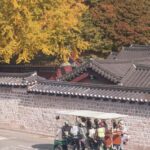
In one of the tour write-ups, Deoksugung is described as the most beautiful palace setting for the person’s eye—especially because it feels like a palace inside a modern city frame. That’s exactly what makes it memorable: the palace doesn’t float in time. It sits in real Seoul.
Practical tip: palace grounds can include uneven outdoor sections. If you’ve got short patience for walking, know that you’ll still want to move slowly enough to take in the architecture mix.
Sungnyemun Gate and Seoul City Hall: from colonial past to modern Seoul
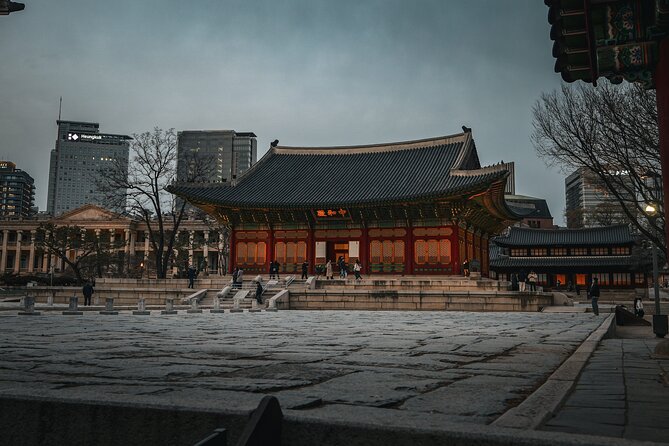
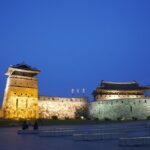
You then pass Seoul City Hall and focus on Sungnyemun Gate (Namdaemun). This part is shorter—about 20 minutes—but it’s not just photo time.
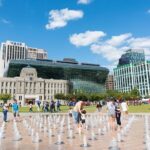
The message is transformation. Seoul City Hall is treated as a symbol of Korea’s shift from the shadow of the colonial past toward a thriving democracy. Then Sungnyemun (Namdaemun) brings the story back to something physical: a historic gate standing in a city that kept changing around it.
I like that the tour doesn’t leave you stuck in the past only. You get a view of how Seoul’s identity is built from layers: older structures, later governance, and the constant motion of a capital city.
If you’re the type who likes to understand why monuments matter, this stop will feel worthwhile even with the shorter time block.
You can also read our reviews of more shopping tours in Seoul
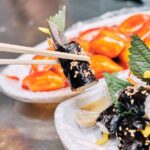
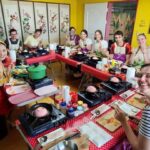
Namdaemun Market food tastings near Kalguksu Alley
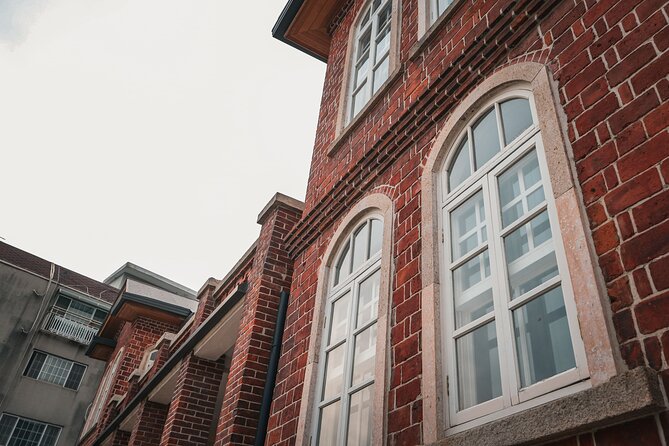
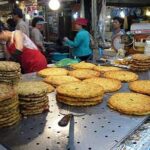
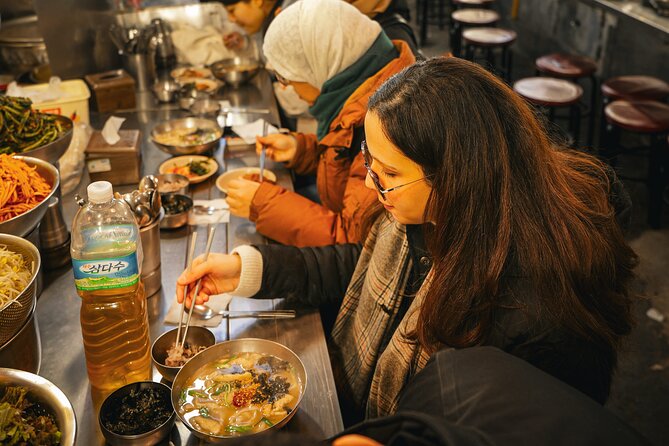
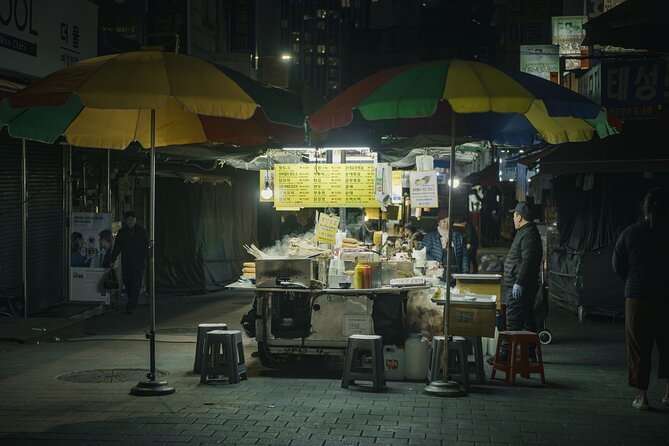
The final stop is Namdaemun Market, one of the biggest and oldest traditional markets in Seoul. The itinerary frames it as a place with sellers active for over 600 years, which is a solid reminder that markets aren’t just for tourists. They’re part of daily life.
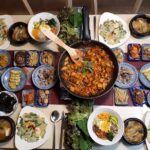
You get about 1 hour here, and the tour includes food tastings. A highlight is time near the well-known Kalguksu Alley. Kalguksu is the kind of comfort food that works in almost any weather—simple, filling, and easy to eat while wandering.
This is where the tour’s theme pays off. You spent time learning what people endured. Then you finish with what people actually eat because it keeps things going.
What I’d tell you to do during this hour:
- pace yourself with tastings, not full meals, unless you still have energy afterward
- take a few minutes to just watch how the stalls operate—how ordering works, how people choose what they want
- snap photos, but don’t block the flow in narrow spots
Even if you’re not a hardcore street-food person, the tasting portion makes it low-pressure. You’ll leave with a few dishes in your memory instead of guessing what to order on your own in a massive market.
How the pacing and walking work (and how to prepare)
This is an afternoon tour starting at 2:30 pm, and it runs roughly 4 hours. That means you’ll likely be outside in daylight transitions, depending on the season. The tour operates in rain or snow, and the operator only contacts you separately if weather makes it completely impossible to proceed.
So plan for weather you can’t control. Bring a compact umbrella or a light rain layer. And bring the basics: water, sunscreen if it’s bright, and a small bag you can keep close in crowded areas.
Walking is described as a feature you should expect. One of the feedback notes calls out that there’s a lot of walking and that it’s part of what the group wanted. Translation: don’t book this if you’re hoping for mostly seated history.
Also note the meeting and endpoint:
- Start: 95-10 Hyeonjeo-dong, Seodaemun-gu, Seoul
- End: Namdaemun Market, 21 Namdaemunsijang 4-gil, Jung District
Start time is set, so build a little buffer to get there before 2:30 pm.
Price and value: what $65 buys you
At $65 per person, this tour looks like a history-focused deal. What makes the price feel fair is what’s wrapped in:
- an English-speaking professional guide
- transportation cost
- entrance fees
- food tastings at Namdaemun Market
For a 4-hour route that includes multiple paid sites and a guided explanation, it’s not just “someone walks you to places.” You’re paying for structure and interpretation. That matters most at Seodaemun Prison, where context turns the museum visit into something that sticks.
One more value point: the tour is described as off the usual radar. Several people highlighted that it hits places they hadn’t planned to see on their own. If you’re spending limited time in Seoul, a guided path through major history sites plus market food can be a smart use of an afternoon.
Booking is also fairly common, with an average booking window of about 13 days in advance. If your dates are firm, I’d lock it in earlier rather than later.
Guide quality and group experience: what to expect
This tour’s reviews consistently praise the guide experience. The common theme is that the explanation is clear and engaging, especially around Seodaemun and Deoksugung. In one account, the guide’s name was Kim, described as going above and beyond.
What you should take from that as a reader: the operator appears to staff guides who can handle emotional material responsibly, without turning it into a lecture. The structure of the day also matters—prison, then palace, then market—so the guide keeps shifting your focus while building the overall story.
Group size up to 99 also means you should expect some crowding at peak spots. That’s normal. The upside is you still have enough people for a lively atmosphere, but not so many that you lose the guide in a crush.
If you want the best experience, come with questions. This kind of tour works when you’re curious, not when you’re just trying to check boxes.
Who this tour suits best
This is a great fit if you:
- want a Seoul history tour that connects independence movement themes with real city life
- like guided storytelling, especially at places that can feel overwhelming on your own
- enjoy street food and want the market portion organized with tastings
It’s also a strong option for people who have already done a couple of palace visits and want something more specific—Deoksugung’s blend of Korean and Western design plus the context around modernization.
You might want to choose another option if you:
- need a very relaxed schedule with minimal walking
- get easily overwhelmed by heavy historical sites and prefer purely light sightseeing
Should you book this tour?
Book it if you want one afternoon that balances emotional history with a practical, fun ending at Namdaemun Market. The combination of Seodaemun Prison History Hall, Deoksugung Palace, and market tastings gives you both meaning and momentum. And because entrance fees and food tastings are included, it’s easier to say yes without doing extra planning.
I’d hold off only if walking is an issue for you or if you strongly prefer history that stays comfortable and upbeat. Otherwise, this is the kind of Seoul experience that leaves you understanding more than you started with.
FAQ
How long is the Seoul History Tour?
It runs about 4 hours (approx.).
What is the price per person?
The price is $65.00 per person.
What does the tour include?
It includes an English-speaking professional guide, transportation cost, all entrance fees, and food tastings at Namdaemun Market.
Where do I meet the guide, and where does the tour end?
You start at 95-10 Hyeonjeo-dong, Seodaemun-gu, Seoul, and the tour ends at Namdaemun Market, 21 Namdaemunsijang 4-gil, Jung District, Seoul.
Is the tour offered in English?
Yes, the guide is English-speaking.
Do I need WhatsApp for this tour?
You’ll receive detailed information from the guide one day before. It’s sent via WhatsApp if you provide a WhatsApp phone number; otherwise it’s sent by email. Using WhatsApp may make communication easier.
What happens if it rains or snows?
The tour operates as scheduled even in rain or snow. You will only be contacted separately if the weather makes it completely impossible to proceed.
Is there a lot of walking?
The tour is described as requiring moderate physical fitness, and it includes a fair amount of walking between stops.
Are there any entrance fees I need to pay at the stops?
The tour includes all entrance fees. Dilkusha is listed as admission ticket free within the itinerary, while other stops such as Seodaemun Prison History Hall and Deoksugung are included with admission.
Can I cancel for a full refund?
Yes. You can cancel up to 24 hours in advance for a full refund.