REVIEW · SEOUL
Seoul Royal Palace,Bukchon Hanok Village & Gwangjang Market Feast
Book on Viator →Operated by VIP TRAVEL Co.Ltd · Bookable on Viator
Seoul comes at you fast on this tour. I love the way Bukchon Hanok Village turns centuries-old living into walkable lanes, and I love that the tour finishes at Gwangjang Market where you can graze on classic Seoul snacks. The only wrinkle is that the palace sequence changes on Tuesdays, so you’ll swap the usual Gyeongbokgung Guard Changing plan for a different UNESCO palace visit.
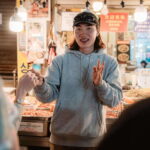
I also like how the guide can make the history feel usable, not just recited. In the reviews, guide names like Eva, Kelly, Gabby, Sunny, and even Moon show up tied to strong storytelling and clear directions, which matters when you’re bouncing between landmarks in just 3 hours 30 minutes. Do note: meals aren’t included, so you’ll want money and a plan for what you’ll eat at the market.
In This Review
- Key highlights to watch for
- Bukchon Hanok Village: 600-year-old lanes with time to actually wander
- Gyeongbokgung Palace and the Changing of the Guard: the show you plan around
- Tuesday swap: Changdeokgung UNESCO days and Insadong street-life
- Blue House photo passes: quick views from the palace district
- Cheongha Korean Ginseng Center: a fast lesson, with sales energy to manage
- Gwangjang Market feast: bindaetteok and mayak gimbap, plus extra time
- Price and what you actually get for $29
- Who should book this Seoul mix, and who might skip it
- Should you book this Palace–Hanok–Market tour?
- FAQ
- FAQ
- What is the total duration of this tour?
- Where do I meet the guide?
- Is admission included?
- What happens on Tuesdays?
- Are meals included in the price?
- Do I need a paper ticket?
- How big is the group?
Key highlights to watch for
- Bukchon Hanok Village’s hanok lanes: 1 hour of Joseon-era atmosphere right next to the city
- Guard Changing at Gyeongbokgung (most days): a visual, high-energy start to palace time
- Tuesday switch to Changdeokgung + Insadong: a smart alternative if you’re in Seoul on Tue
- Cheongha Korean Ginseng Center: a quick 30-minute stop on insam and health claims
- Gwangjang Market street-food payoff: bindaetteok and mayak gimbap as your tastiest finish
- Short, efficient pacing: air-conditioned transport between sites, with photo stops along the way
Bukchon Hanok Village: 600-year-old lanes with time to actually wander
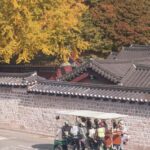
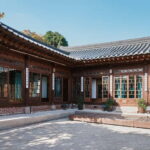
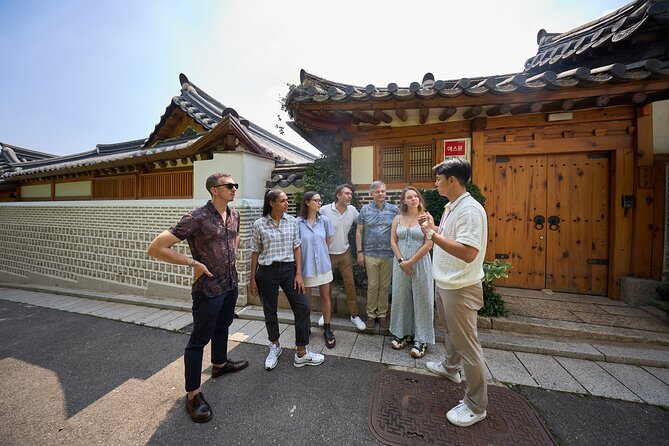
Bukchon Hanok Village is the kind of place that makes your phone camera work overtime. You’re stepping into a traditional neighborhood packed with hanok houses associated with the Joseon Dynasty era, and the main value of the stop is the experience of scale: it’s not a single courtyard. It’s hundreds of traditional homes spread across winding alleys.
You get about 1 hour, and that’s enough for a slow walk if you keep your expectations realistic. I’d treat this as your chance to slow down, look up, and spot details on rooftops and wooden textures. If you’re into photos, this is where you’ll get the classic angles that look like old Seoul—just remember that “classic” usually means crowded spots, so move a few steps away when you want less competition.
One practical tip: wear shoes you can walk in for uneven stone and compact paths. Hanok villages can be charming and also a little slippery if it’s wet. Also, since the tour includes stops before and after, don’t try to “finish the whole village” in one hour. Aim for a satisfying loop and a few great frames, then let the rest of the tour do its job.
Admission here is free in the itinerary, which helps make the tour feel good on value. You’re paying for the guidance and timing, not another fee pile.
You can also read our reviews of more shopping tours in Seoul
Gyeongbokgung Palace and the Changing of the Guard: the show you plan around
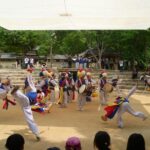
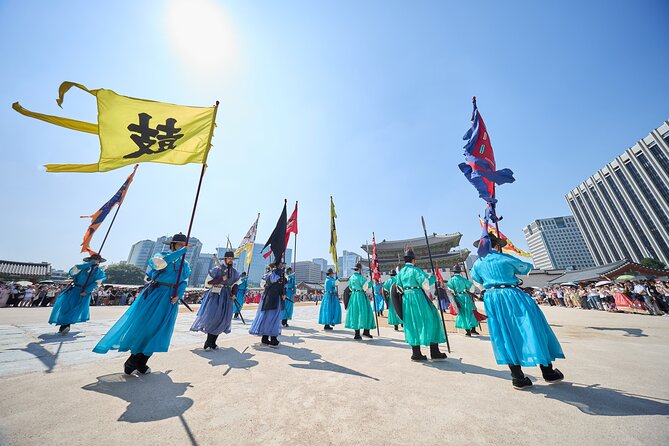
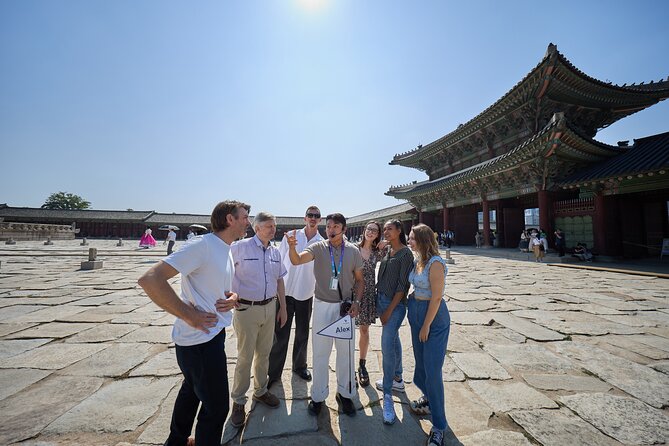
This is the part most people think of when they picture royal Seoul. On every day except Tuesday, you’ll pass Gwanghwa Square and then get to Gwanghwamun Gate, the grand main entrance to Gyeongbokgung Palace. The highlight is the Changing of the Guard ceremony, described as an energetic reenactment from the throne-side tradition.
Why this matters: ceremonies turn big historical spaces into something you can schedule. Instead of spending palace time guessing what to prioritize, you’re watching a moment that anchors the visit. You’ll also get a guided walk through the palace grounds, which helps a lot when you’re on a tight timetable.
The tour gives you about 1 hour at Gyeongbokgung Palace (with admission included). In that window, you won’t see every corner of a massive site, so focus on the high-impact areas your guide points out. Think of it like a highlight reel: gates, main halls, and the lines of sight that make the palace feel grand.
One consideration: if your day is Tuesday, you don’t get this exact plan. Instead, the itinerary swaps toward Changdeokgung, which is a different palace style and a different feel. So if Guard Changing is the must-see for you, check your travel date before you book.
Tuesday swap: Changdeokgung UNESCO days and Insadong street-life
If you’re in Seoul on a Tuesday, the tour changes its palace portion. Rather than Gyeongbokgung and the Guard ceremony route, you’ll visit Changdeokgung Palace, a UNESCO World Heritage site, built in 1405. You’ll also get time to explore the palace halls and pavilions designed to blend with the natural surroundings, which gives this day a calmer, more “designed with nature in mind” vibe.
On Tuesday, you’ll also add Insadong. That’s the neighborhood for old-school Seoul crafts, art galleries, and tea-house style stops, plus street food energy. For many first-timers, this combo works well because it shifts from ceremony spectacle (Gyeongbokgung) to traditional street culture (Insadong). If you love browsing handmade goods and looking at older-style shopfronts, Tuesday can feel more personally satisfying.
Still, keep in mind you’re trading one specific icon moment for another kind of experience. If your top priority is watching the Guard Changing ceremony, Tuesdays may not match your expectations.
Blue House photo passes: quick views from the palace district
Along the palace day (again, every day except Tuesday), you’ll pass by the Blue House, Korea’s former presidential residence, perched against Bugaksan Mountain. This is a classic Seoul photo stop: you get a view of a place that’s been central to modern Korean history, but you’re seeing it from the edges as part of a driving route rather than doing a full on-site visit.
The practical value here is time. On a 3.5-hour tour, you don’t want to burn half a day on transit and checks. Passing by the Blue House means you get the visual context without sacrificing the rest of your stops.
If you’re the kind of person who likes to understand how landmarks relate to each other, this pass helps connect the dots between the palace district and political history. Just don’t expect a long stay. It’s more about photos and perspective than deep access.
Cheongha Korean Ginseng Center: a fast lesson, with sales energy to manage
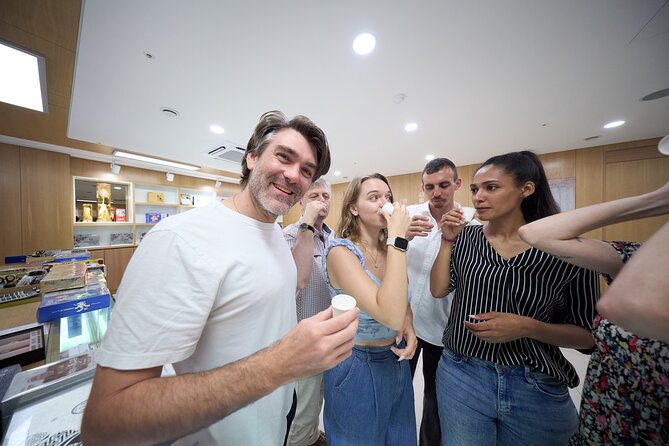
Next up is the Cheongha Korean Ginseng Center, a 30-minute stop with free admission. The focus here is Korean ginseng, often called insam, and the health benefits associated with it.
This stop is shorter than the palaces and Bukchon, which is smart. You’re not committing to a long museum session, and the tour keeps moving so you end at the market still hungry.
Here’s my balanced take on this kind of stop: ginseng centers often involve product information and sometimes product pitches. Since the itinerary includes this as a scheduled segment, go in ready for education plus a retail atmosphere. If you hate shopping pressure, set a simple rule for yourself: you can learn, you can observe, but you won’t be talked into impulse buys. If you do want to try ginseng-related items, this is where you’ll likely have the most opportunity.
Also, if you’re curious, ask the guide how they explain insam beyond the marketing language. A good guide can connect it to Korean everyday life and why it has such staying power.
You can also read our reviews of more tours and experiences in Seoul
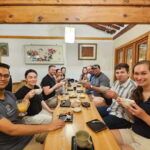
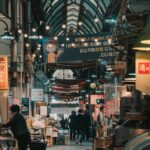
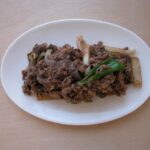
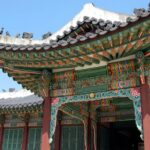
Gwangjang Market feast: bindaetteok and mayak gimbap, plus extra time
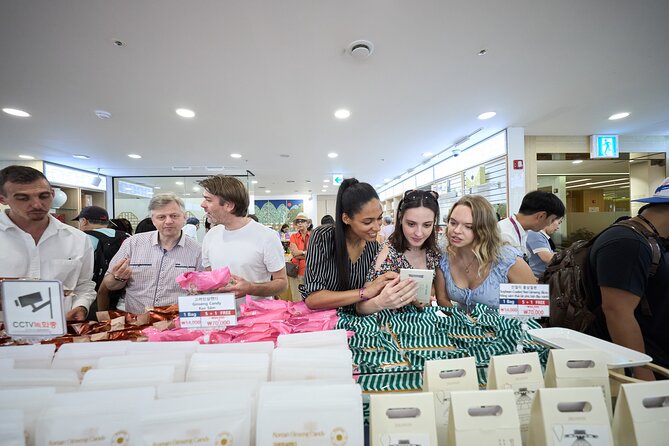
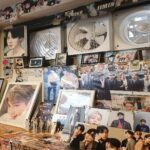
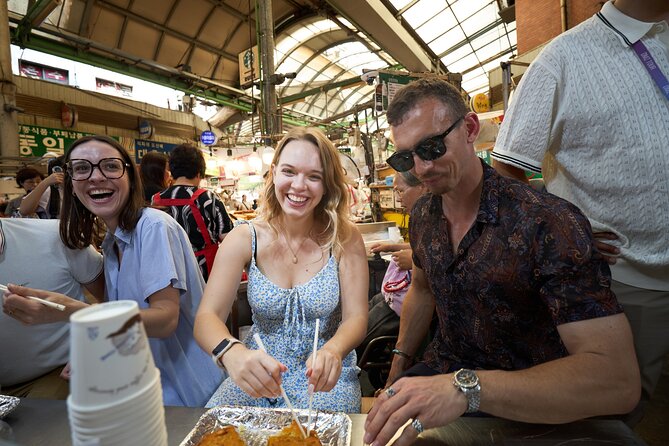
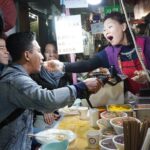
The best part of the tour for food lovers comes at the end: Gwangjang Market, Seoul’s oldest market (since 1905). You get about 1 hour for street-food sampling.
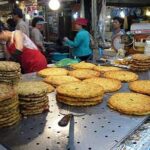
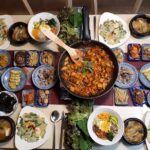
The itinerary calls out two of the market’s classics: bindaetteok (mung bean pancakes) and mayak gimbap. This matters because those are “you should eat this in Seoul” foods that are also easy to share and try in small bites.
You’ll want to keep this stop flexible. Market eating is not like a sit-down meal. It’s walk, order, taste, adjust. If you’re with a group, you can split portions and try more variety without getting overly full too fast.
There’s also an important timing benefit: the tour finishes at the market, and you’re offered a chance to spend extra time there after the guided portion. That’s perfect if you find a stall you love and want to go back for round two, or if you want to browse for small souvenirs.
One last practical note: markets can get loud and crowded. If you’re sensitive to noise or have trouble with queues, go slower through the busiest aisles and let your guide help with what to order and where to go next.
Price and what you actually get for $29
At $29 per person for about 3 hours 30 minutes, this tour lands in the “good value for first-time orientation” category. Here’s why.
Included elements that reduce your planning burden:
- A guided experience in English
- Air-conditioned vehicle between key stops (a big deal in hot or rainy weather)
- Admission fees included where listed (Bukchon is free; palace admission is included; the ginseng center is free)
What’s not included:
- Meals (and the tour ends at a place where you’ll probably want to eat)
So your money isn’t going toward a buffet. It’s going toward time-saving guidance and access to the main sights without the hassle of figuring out transport, entry priorities, and “where do I go next?” in a tight schedule.
One more value factor: group size caps at 100 travelers, and several reviews mention the experience can feel welcoming and even flexible with the time when guides are on point. That’s where the guide quality becomes a real part of the price. Names like Eva, Kelly, Gabby, and Sunny show up in a positive way tied to story and pacing, which you feel directly when the schedule is tight.
If you’re coming from a short stay or want a culture-and-food sampler, this price can be a smart move. If you’re already deep into Korean history and want only palace architecture details, you might feel the pace is a highlight tour rather than a full study session.
Who should book this Seoul mix, and who might skip it
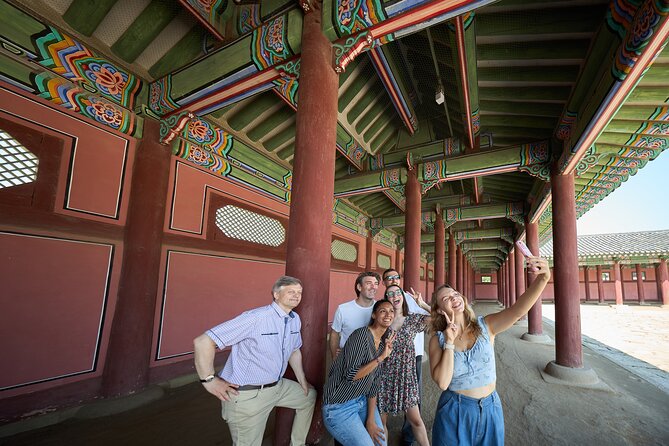
This tour fits best if you:
- Want an efficient first-time Seoul outline across neighborhoods, palaces, and food
- Like seeing the major sights without building a day plan
- Enjoy guided context, especially for the palace areas
- Want a food landing spot that’s older and locally loved like Gwangjang Market
You might consider skipping or adjusting expectations if you:
- Come mainly for palace depth and long indoor time (this is time-boxed)
- Are traveling on a Tuesday and specifically want the Gyeongbokgung Guard ceremony plan (the itinerary changes)
- Strongly dislike any stop that comes with product talk (the ginseng center can feel retail-adjacent)
It’s also a strong choice if you don’t want to “just take photos.” The tour structure pushes you to experience each stop in a different way: streets at Bukchon, ceremony and palace grounds, a quick educational ginseng stop, then market eating.
Should you book this Palace–Hanok–Market tour?
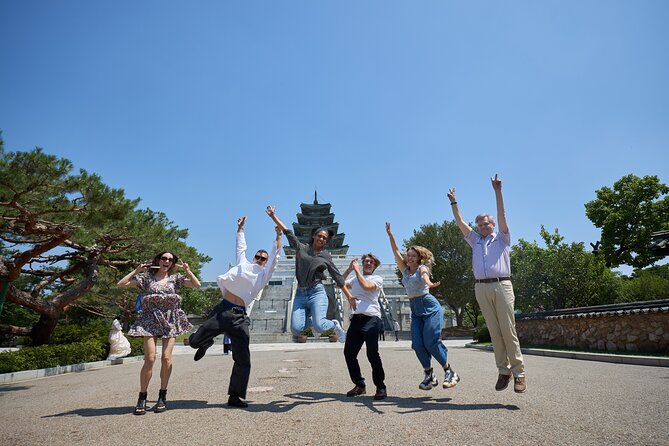
If your goal is a smart, high-yield day of Seoul culture plus a real food payoff, I’d book it. The Bukchon-to-palace-to-market flow makes sense, and the $29 price works when you think about included admissions and the fact you’ll be eating at the end anyway.
If you do book, do two things: wear comfortable walking shoes, and give yourself freedom at the market so you can choose what you actually want to try. If Guard Changing is your top must-see, double-check whether your date is Tuesday, because the palace plan swaps.
FAQ
FAQ
What is the total duration of this tour?
It runs for about 3 hours 30 minutes.
Where do I meet the guide?
You meet at Myeong-dong, with one option at Myeongdong Subway Station Exit 8 to meet the bus and guide. There’s also another pickup point at Seoul City Hall Subway Station Exit 6.
Is admission included?
Admission fees are included where noted in the itinerary. Bukchon Hanok Village and the Cheongha Korean Ginseng Center are listed as free, and the palace admission is included on the day you visit that palace.
What happens on Tuesdays?
On Tuesdays, the tour visits Changdeokgung Palace instead of Gyeongbokgung Palace and the Guard ceremony, and it includes Insadong instead.
Are meals included in the price?
No. Meals are not included. The tour ends at Gwangjang Market, where you can buy and eat street food.
Do I need a paper ticket?
No. The tour uses a mobile ticket.
How big is the group?
The tour has a maximum of 100 travelers.