REVIEW · SEOUL
Korean Palace and Market Tour in Seoul Including Insadong and Gyeongbokgung Palace
Book on Viator →Operated by KOREA TOUR (DMZ TOUR) · Bookable on Viator
Palaces plus markets in one efficient day. I like the tight combo of Gyeongbokgung Palace and Changdeokgung Palace that makes the Joseon Dynasty feel real, not distant. I also like that the day doesn’t stop at sightseeing; you get real browsing time in Insadong and Namdaemun.
The tour adds smart context as you go, with the National Folklore Museum helping you connect palace life to how ordinary Koreans lived. A lot of guides named in the feedback—Lizzy, AJ, Felicity, Charles, Sadie, Grace, Daria, BK, and Miel—are repeatedly praised for keeping things organized and moving at a steady pace.
One possible drawback: the schedule includes a ginseng center and duty-free time, so if you want zero shopping detours, plan mentally for that. It’s also a full day with a moderate amount of walking, so comfortable shoes matter.
In This Review
- Key things that make this Seoul day work
- Price and logistics: is $89 a fair deal for 8.5 hours?
- Starting at the Blue House: why the drive matters
- Gyeongbokgung Palace and the National Folklore Museum: the Joseon “big picture” stop
- If Gyeongbokgung is closed
- Jogyesa Buddhist Temple: a calmer contrast to royal architecture
- Ginseng center and lunch: expect a commercial pause, then a real meal
- Changdeokgung Palace and the Huwon Rear Garden: where the palace goes scenic
- If Changdeokgung is closed
- Insadong Antique Alley: the best place to slow down and shop thoughtfully
- Namdaemun Market: where souvenirs feel more local
- The guides: what you gain from a good one (and why it matters)
- Walking comfort and timing: plan your day around the schedule
- Should you book it? My honest take
- FAQ
- What’s included in the tour price?
- Is there hotel pickup and drop-off?
- How long is the tour?
- What places are visited during the day?
- What happens if the palace is closed?
- Is mobile ticketing used?
Key things that make this Seoul day work
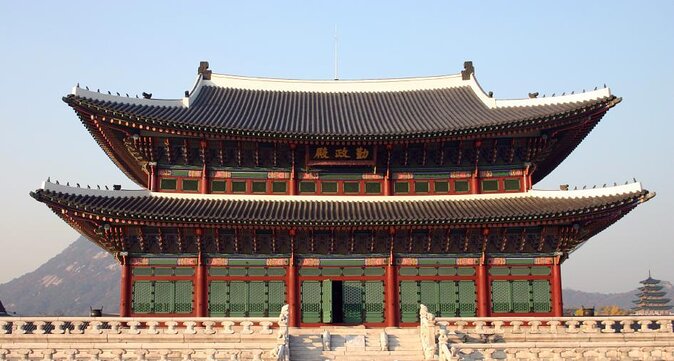
- Gyeongbokgung + Changdeokgung: two of the big palace “anchors” with standout grounds and halls
- Jogyesa Temple: a quick, meaningful stop that adds a religious side to the royal storyline
- National Folklore Museum: context you can actually use while walking the palace grounds
- Insadong Antique Alley: a focused stretch for small crafts, antiques, and teahouse-style wandering
- Namdaemun Market: Korea’s largest traditional market vibe, with more “find something useful” energy
- Small group cap: limited to 30, which usually keeps photo stops from turning into chaos
Price and logistics: is $89 a fair deal for 8.5 hours?
At $89 per person for about 8 hours 30 minutes, this tour sits in the “good value” zone because it bundles the things that normally cost you time and money in Seoul: hotel pickup/drop-off, an English-speaking guide, air-conditioned coach transport, and lunch. It also includes entry tickets for key sites (palaces and the museum), plus a mobile ticket for smoother checks.
What you’re really paying for is order. Seoul’s palaces and markets can be easy to mix up if you’re doing them solo. This itinerary strings them together in a way that flows geographically and logically: palaces and temple first, then antiques and market browsing. If you’re short on time and want a “hit the major highlights” day without stressing over transit, this format makes sense.
One more logistics note: the tour starts at 8:30 am with pickup by coach. That early start helps you beat crowds at the palace stops and gives you a longer window for shopping later.
You can also read our reviews of more shopping tours in Seoul
Starting at the Blue House: why the drive matters
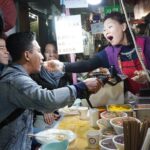
You begin with a coach ride that includes commentary as you pass the Blue House, the executive office and official residence of the South Korean head of state. You’re not going to park and tour the building (this is a viewing-drive moment), but it frames the day. It’s a quick reminder that Seoul’s story isn’t only ancient palaces; it’s also modern governance and how the country presents itself.
If you like context while you’re in transit, you’ll appreciate this part. It also helps you mentally reset before the palace walk begins.
Gyeongbokgung Palace and the National Folklore Museum: the Joseon “big picture” stop
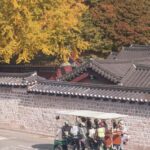
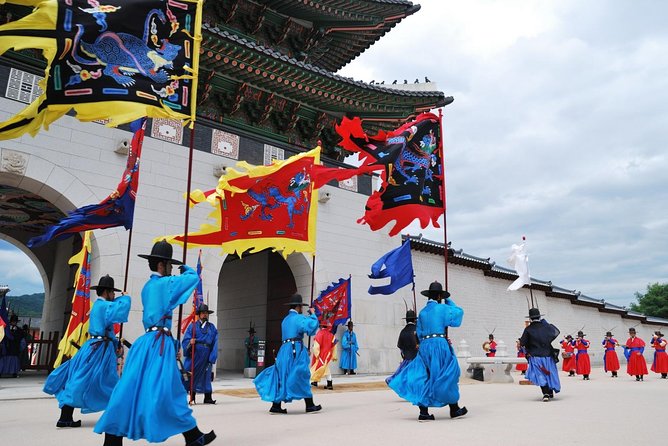
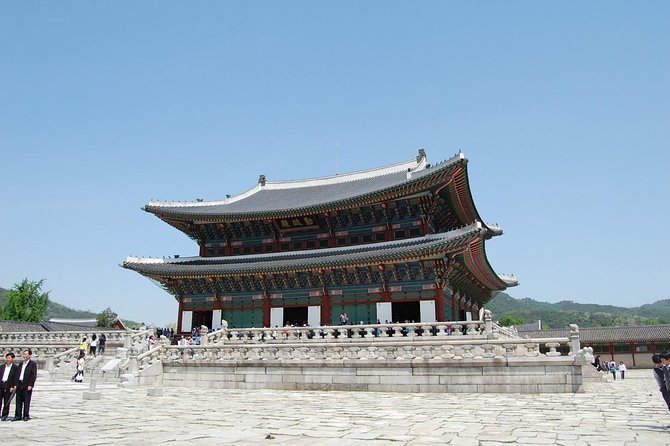
Your first major historical anchor is Gyeongbokgung Palace, the largest of the Five Grand Palaces and the first royal palace built in 1395. This is the kind of place where the scale hits you fast: gates, halls, and courtyards that make you understand why these royal compounds were meant to communicate power.
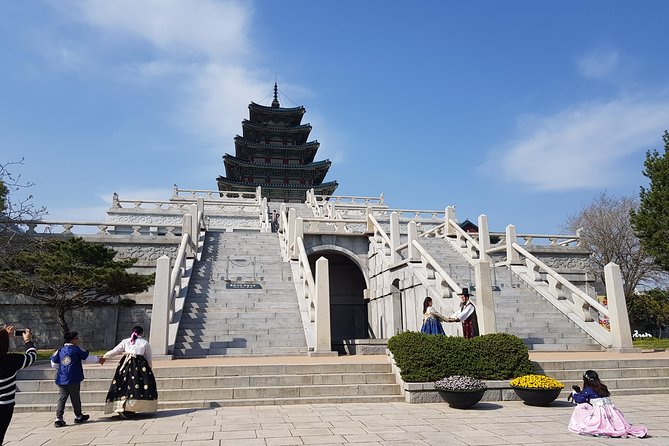
One practical advantage here is that you don’t just wander. The tour includes a guided walk of the palace grounds, plus time at the National Folklore Museum. That museum stop is short (about 15 minutes), but it’s useful. You see replicas and artifacts that connect palace-era life to everyday Korean life from ancient times through the 20th century. Walking out of that museum while the palace architecture is still fresh in your mind makes the whole place click faster.
What to watch for: this is your first real walking stretch. If you’re sensitive to heat or rain, save your best energy for this segment, because your later stops involve more moving between sites and market streets.
If Gyeongbokgung is closed
The tour notes that Gyeongbokgung is closed on Tuesdays. On those days, the itinerary substitutes Deoksugung Palace and includes the Seoul Museum of History. Same general idea—royal-era structures plus context—just a different palace base.
Jogyesa Buddhist Temple: a calmer contrast to royal architecture
Next comes Jogyesa Buddhist Temple, the chief temple of the Jogye Order of Korean Buddhism. The stop is brief (about 20 minutes) but it’s a real palate cleanser after palace halls and museum displays.
Inside the main hall, you’ll see a statue of an enlightened Buddha that dates back about five centuries. Even if you’re not a “temple” person, this stop usually works because it changes the tone of the day: less ceremonial authority, more spiritual atmosphere.
You also get a look at the temple approach lined with trees, which helps make the arrival feel intentional rather than rushed. It’s also a good point in the morning to breathe, take photos, and regroup before lunch and the next palace.
You can also read our reviews of more tours and experiences in Seoul
Ginseng center and lunch: expect a commercial pause, then a real meal
Around midday, there’s a stop at a ginseng center. This is included as a scheduled shopping/educational segment (you’ll spend about 30 minutes). You’re not required to buy anything, but the tour does build in time for the sales-style component.
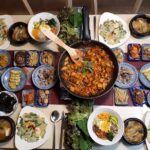
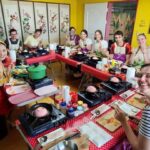
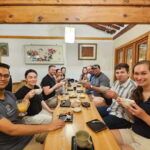
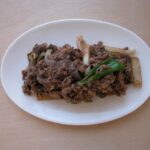
After that, you’ll have lunch at a local restaurant. Lunch is one of the best “value” parts of the package, because it prevents the usual problem in Seoul tours: you’re either eating at a tourist trap right after rushing between sites, or you’re spending time searching for food you can trust.
If you have diet requirements, the tour asks you to advise them at booking time, so make sure you do.
Quick practical tip: this is a long day. If you’re prone to getting snacky, consider carrying a small water bottle and a light snack for energy. The itinerary includes lunch, but it doesn’t advertise constant breaks.
Changdeokgung Palace and the Huwon Rear Garden: where the palace goes scenic
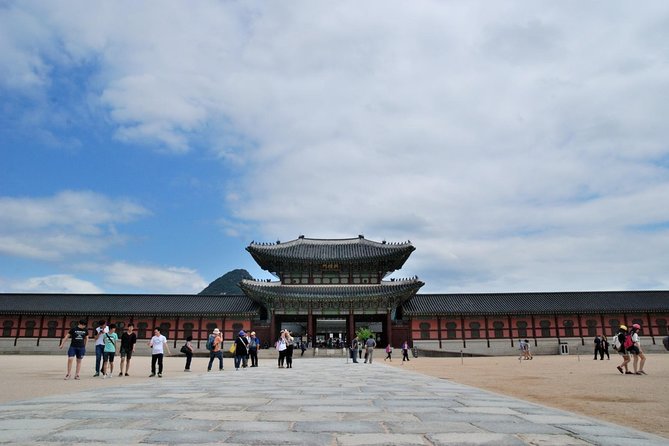
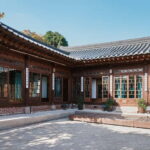
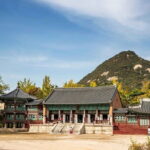
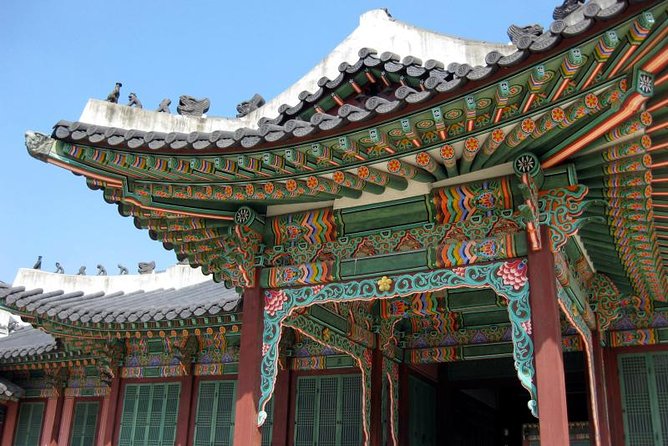
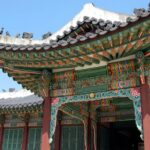
After lunch, you head to Changdeokgung Palace, a UNESCO World Heritage site and the palace known for a more natural, garden-oriented layout compared with more fortress-like royal compounds.
You’ll explore the grand pavilions, a massive gate, several halls, and then the Huwon (Rear Garden). The centerpiece details mentioned include the Geumcheongyo Bridge, along with lotus ponds, lawns, trees, and flowers. Even when the weather isn’t perfect, this garden style gives you a different kind of visual reward than stone courtyards alone.
This is where the guided pacing pays off. In big palace complexes, it’s easy to lose time walking in circles. The tour gives you a route that focuses on the main highlights and the most visually memorable garden elements.
If Changdeokgung is closed
If Changdeokgung is closed on Mondays, the tour substitutes Changgyeonggung Palace. That still fits the Joseon palace theme and includes another set of ancient structures, just with a different palace base.
Insadong Antique Alley: the best place to slow down and shop thoughtfully
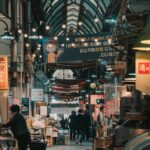
Once you move into markets, the tour shifts gears from “history facts” to “hands-on browsing.” Insadong Antique Alley is the designated stop here, and you’ll have about 30 minutes with a guide to wander.
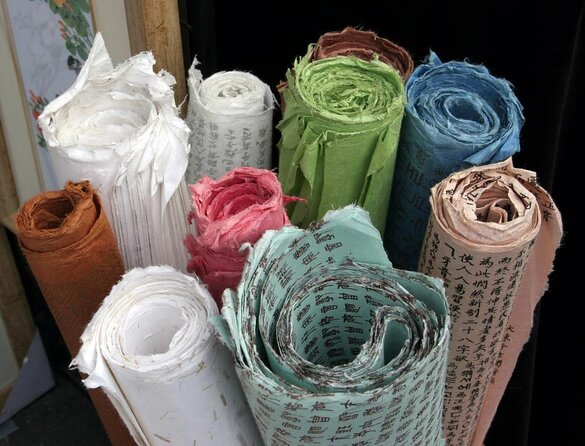
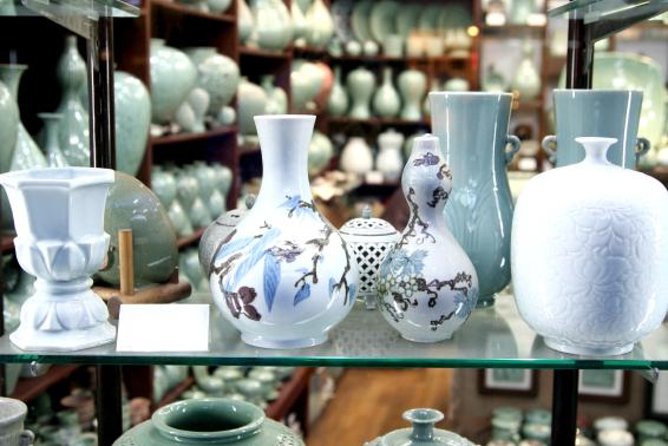
Insadong is ideal if you like small, distinct items rather than only mass-market souvenirs. Expect a mix of craft galleries, teahouse-style spots, and antiques or locally made artwork. The tour time is short enough that you won’t feel stuck in one place, but long enough to browse a few side streets.
My advice for value: don’t buy your first thing. In Insadong, it’s common to find similar themes (small crafts, traditional decor, art prints). A quick compare round helps you avoid overpaying for the first attractive display.
Also, keep an eye on how goods are labeled if you care about materials or authenticity. The guide can help with general context, but you’ll still want to inspect items yourself.
Namdaemun Market: where souvenirs feel more local
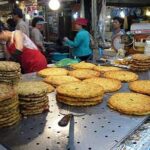
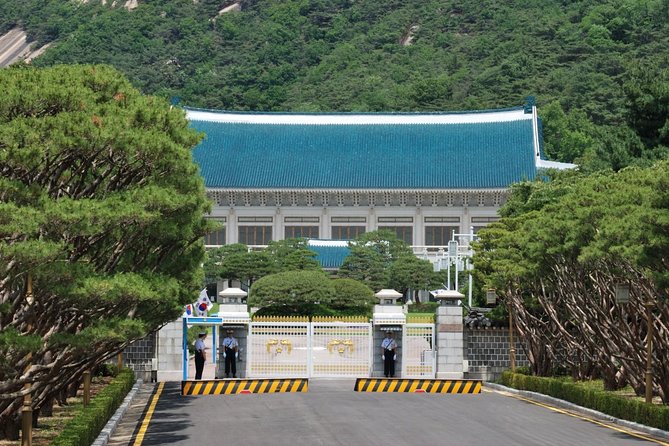
The final browsing stop is Namdaemun Market, described as Korea’s largest traditional market. You get about 30 minutes here, which is enough to get the energy and find a few “I can use this at home” items.
Namdaemun is more about quantity and variety than curated boutique vibes. That’s why it’s a good ending stop: your bargaining instincts and souvenir hunting can go into overdrive without needing museum-level patience.
You also have a mention of duty-free shops before Namdaemun. That part is meant to give another retail stop, so if you’re shopping for cosmetics or spirits, it may fit your plans. If you’re not, just treat it as a quick waypoint.
The guides: what you gain from a good one (and why it matters)
A major theme in the feedback tied to this tour is not just friendliness—it’s organization. Guides named include Lizzy, AJ, Felicity, Charles, Sadie, Grace, Daria, BK, and Miel, and many of them are praised for explaining history clearly, staying on schedule, and adjusting when weather changes.
That matters more than it sounds. On a full-day itinerary, a guide can make the difference between:
- a day that feels rushed and tiring, and
- a day that feels structured, with breaks where you need them and stops that don’t feel pointless.
Even the small details matter, like how the guide keeps the group together in palace courtyards and market streets.
Walking comfort and timing: plan your day around the schedule
This is a full-day tour with moderate walking. You’ll be on your feet at palaces and temples, plus you’ll walk through antique alleys and market areas. Comfortable shoes aren’t a suggestion here; they’re part of making the day enjoyable.
Also remember the order:
- morning: palaces + museum context
- mid-day: temple + ginseng center + lunch
- afternoon: garden-focused palace
- late day: Insadong and Namdaemun browsing
If you arrive jet-lagged, this day can feel like a lot. If you start from a decent energy level (and hydrate), it’s a strong way to get oriented fast.
Should you book it? My honest take
Book this tour if you want a single-day Seoul sampler that covers:
- royal palaces at UNESCO level (especially Changdeokgung),
- a major palace experience (Gyeongbokgung),
- a Buddhist temple stop (Jogyesa),
- and market time in places that are actually fun to walk (Insadong and Namdaemun).
Skip it or consider other options if you:
- hate shopping-style detours (ginseng center and duty-free time),
- want a slow, no-rush day with long free wandering,
- or have trouble with a full day on your feet.
For first-time visitors, this is a practical way to get your bearings quickly and leave Seoul with photos you actually understand.
FAQ
What’s included in the tour price?
The tour includes hotel pickup and drop-off, a professional guide, an air-conditioned vehicle, lunch, and admissions for selected stops (including Gyeongbokgung Palace, the National Folklore Museum, and Changdeokgung Palace).
Is there hotel pickup and drop-off?
Yes. The tour provides hotel pickup and drop-off by coach.
How long is the tour?
It runs for about 8 hours 30 minutes.
What places are visited during the day?
The itinerary includes Jogyesa Buddhist Temple, Gyeongbokgung Palace (plus the National Folklore Museum), a ginseng center, Changdeokgung Palace (UNESCO), Insadong (Antique Alley), and Namdaemun Market.
What happens if the palace is closed?
If Gyeongbokgung Palace is closed on Tuesdays, the tour visits Deoksugung Palace and the Seoul Museum of History instead. If Changdeokgung Palace is closed on Mondays, the tour visits Changgyeonggung Palace instead.
Is mobile ticketing used?
Yes. The tour includes a mobile ticket.