REVIEW · SEOUL
Cook 3 Authentic Korean Dishes with Local Market Tour
Book on Viator →Operated by cookorean · Bookable on Viator
Mangwon Market meets a real cooking class. This Seoul experience pairs a guided trip with hands-on cooking at a clean, well-run studio, where you’ll make three beloved Korean dishes and eat what you cook. You meet Jomin at Mangwon Station (Line 6), entrance 2, then head out on foot to pick up ingredients at the neighborhood market.
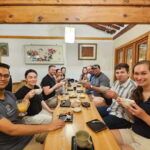
What I like most is how personal the class feels even though it’s group-based: it’s capped at a maximum of four people, so you’re not stuck watching from the sidelines. Second, I love the way the experience links food culture to actual cooking—first you learn what goes into Korean pantry staples at Mangwon Market, then you return to your own cooking station for step-by-step guidance.
One consideration: the class can be rescheduled or canceled if it doesn’t hit the minimum guest number (listed as 4), so if your schedule is tight, give yourself a little buffer.
In This Review
- Key points to know before you go
- Mangwon Market Sets Up Your Cooking (and Your Appetite)
- Your Studio Station: Hands-On Cooking Without the Chaos
- The Three-Dish Menu: What You Might Cook and Why It’s a Smart Mix
- Soft tofu stew (Sundubu-style, often on the menu)
- Bibimbap (the build-your-bowl lesson)
- Bul-gogi and other stir-fry options (marinade + high-heat cooking)
- Kimchi stew and other stew variations
- Japchae (noodles, texture, and sauce control)
- Market-to-Studio Flow: How the Timing Actually Plays Out
- Lunch vs Dinner: Which Class Time Makes Sense for You?
- Vegetarian and Vegan Options: How to Make This Work for Your Diet
- What You Bring Home: Cookbook, Leftovers, and Confidence
- Price and Value for $79 in Seoul
- Who This Class Is Best For
- Should You Book This Seoul Cooking Class?
- FAQ
- Where do we meet for the class?
- How long is the experience?
- What dishes will we cook?
- Is it a hands-on cooking class?
- Can vegetarians or vegans join?
- How big is the class?
- What happens if there are not enough guests?
Key points to know before you go
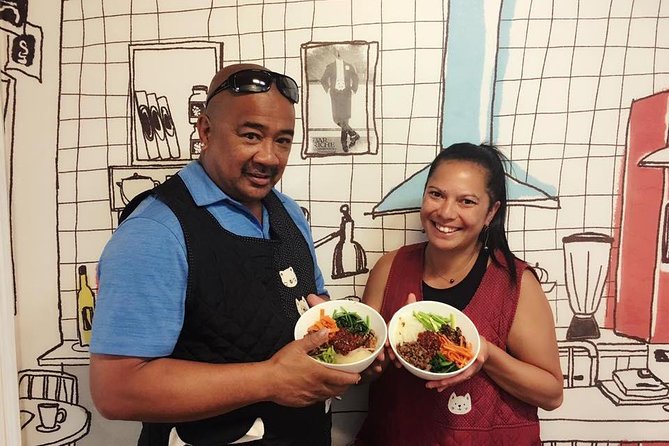
- Mangwon Market start: ingredient spot-checking plus street-food tasting, guided by Jomin
- Max four-person class: more hands-on help, less waiting around
- Your own cooking station: organized workspace and individual setup for cooking and dining
- Cook three dishes, then eat: you leave with full bellies and take-home leftovers
- Professionally designed cookbook: not just a recipe list, but a keepsake guide to what you made
- Dietary options: vegetarian and vegan options are available
Mangwon Market Sets Up Your Cooking (and Your Appetite)
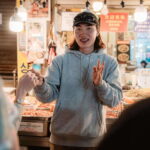
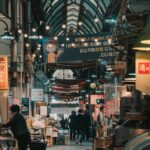
The experience starts where real locals start: at Mangwon Station (Line 6), entrance 2. From there, you walk toward the market area with Jomin, who points out ingredients you’ll use later in class. This is one of the smartest parts of the whole outing. Instead of treating the food like a set of instructions, you get context—what an ingredient is, why it’s used, and how it shows up in Korean dishes.
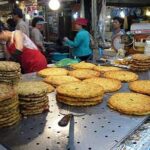
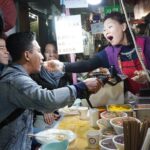
At Mangwon Market, you’re not just looking. You get a chance to taste street foods along the way, and you also get time to see the ingredient variety in a working market. That matters because Korean cooking can feel ingredient-driven: one sauce, one fermented element, or one key seasoning can change the whole direction of a dish. By the time you’re back at the studio, you’ll already have a mental map of what you’re working with.
Two practical tips for this market portion:
- Bring a water bottle and plan for walking on uneven pavement and busy lanes.
- If you have dietary preferences, keep them clear with Jomin early, so she can steer you through the right items at the market too.
You can also read our reviews of more shopping tours in Seoul
Your Studio Station: Hands-On Cooking Without the Chaos
Once you reach the cooking studio, you get a quick chat about what you’ll be making. Then it’s sleeves up. This isn’t a demo where you watch someone else cook. You’re set up at a personal table with cookers, fresh ingredients, and clear step-by-step guidance.
What makes this format work is the balance between structure and flexibility:
- Jomin guides you through each dish, so you’re not guessing.
- Your station is ready, so you’re not spending your class time hunting for tools or missing ingredients.
- The class is small (up to four people), which means you can ask questions without shouting.
This is also where the studio vibe helps. The space is described as clean and organized, and the setup supports cooking and then dining right after. If you’re the type who wants to learn by doing, this is a good match: you’ll cut, cook, and assemble your dishes, then enjoy them at the end.
The Three-Dish Menu: What You Might Cook and Why It’s a Smart Mix
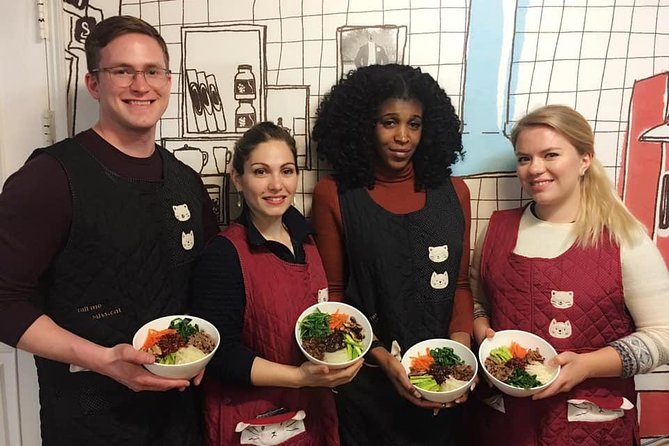
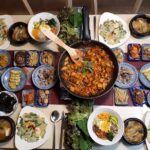
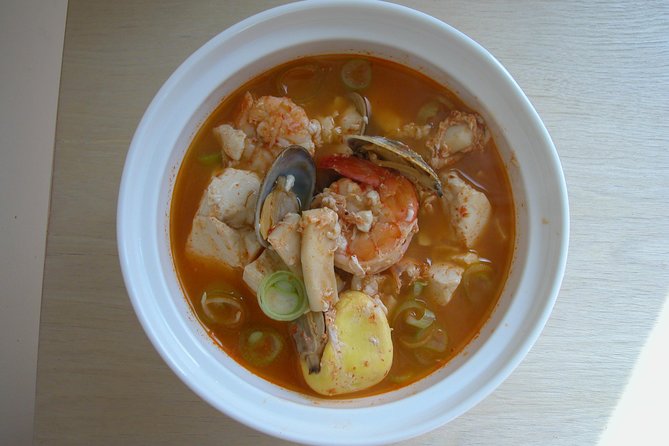
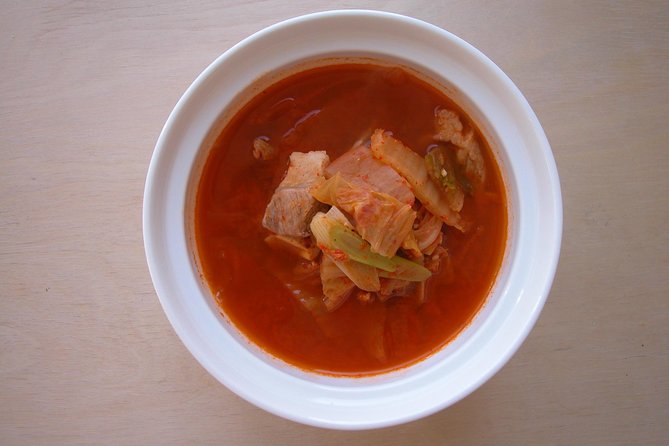
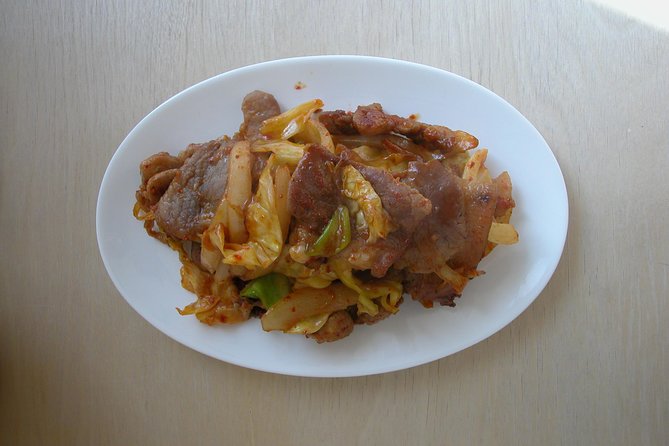
The tour is built around a three-course meal, with a menu that may include classics such as soft tofu stew, bibimbap, bulgogi, kimchi stew, japchae, or stir-fried pork. The exact combination depends on your class date, but the goal stays the same: you learn different cooking styles within one session.
Here’s how the most common dish types fit together as a learning plan:
Soft tofu stew (Sundubu-style, often on the menu)
If your menu includes soft tofu stew, you’ll get hands-on experience with a dish built around comfort and heat. The real lesson here is how a stew base turns simple ingredients into something deeply satisfying. You’ll likely handle ingredients such as tofu and add-ins that make the stew distinctive.
Bibimbap (the build-your-bowl lesson)
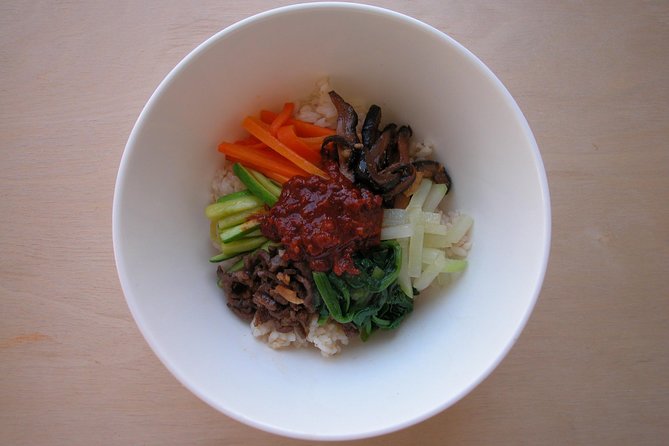
Bibimbap is great for learning because it’s a real-world meal structure: multiple components that come together at the end. When bibimbap is part of your class, you’re typically guided through prep like vegetable cutting, then you cook/assemble and season so everything works together. It’s also one of the easiest ways to understand how Korean flavors balance across the bowl.
You can also read our reviews of more tours and experiences in Seoul
Bul-gogi and other stir-fry options (marinade + high-heat cooking)
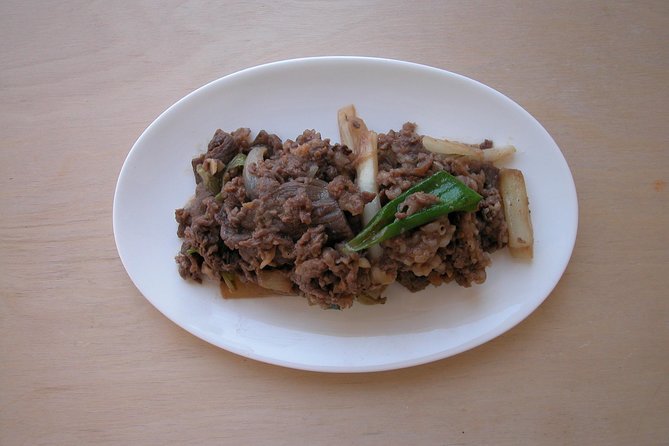
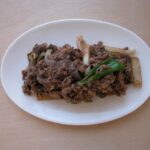
When bulgogi shows up, you’ll learn the importance of marinade and timing. The process tends to be step-driven: prepare, cook, and then finish in a way that keeps the flavor consistent. Stir-fried pork can be a similar learning lane—same idea, different protein.
Kimchi stew and other stew variations
Kimchi stew is a fast route to understanding how fermented flavor can power a whole pot. If you get kimchi stew on your menu, you’ll see how depth builds as the dish cooks and why kimchi isn’t just a side—it can drive a main flavor.
Japchae (noodles, texture, and sauce control)
If japchae is included, expect a focus on texture and coating. Japchae teaches you how sauce and technique affect how noodles and ingredients feel when you mix and serve.
One bonus: Jomin’s approach isn’t just cooking steps. She also explains Korean food culture and history during the experience, including practical topics like banchan and kimchi. That’s useful because it gives you a reason for the method, not just the method.
Market-to-Studio Flow: How the Timing Actually Plays Out
This is a roughly 3 hours 30 minutes experience, built as one smooth arc: meet at the station → walk through Mangwon Market → return to cook and eat. You end back at the meeting point.
In practical terms, the pacing usually works like this:
- Market orientation and ingredient sampling while you walk
- Studio menu setup so you know what you’re cooking
- Three dishes in sequence, with guidance at each step
- Eat what you make, then take home leftovers
Plan to arrive ready to move. The market portion is active, and the studio portion is hands-on. If you’re the kind of traveler who likes to stand around and watch, this one may feel busy—in a good way, because you’ll be cooking most of the time.
Also note: you can choose lunch or dinner. That choice changes the vibe more than the food. If you prefer to eat your meal later and keep your day structured, lunch can be easier. Dinner can be better if you want a slower morning and a plated cooking session to start your evening.
Lunch vs Dinner: Which Class Time Makes Sense for You?
Because the class is built around cooking and then dining, your class time affects how you’ll fit it into your Seoul day.
- Lunch class: best if you want a planned meal and then free time afterward for other sights. You’ll finish early enough to keep moving.
- Dinner class: best if you want a late-day activity that doesn’t require you to scramble for food afterward. It’s also nice if you’re tired of ordering and want something hands-on.
If your schedule allows, pick the time that lines up with your hunger level. You’ll be eating your own dishes at the end, plus you can take leftovers home.
Vegetarian and Vegan Options: How to Make This Work for Your Diet
The experience states that vegetarian and vegan options are available. That’s a big deal for Korean cooking classes, where many dishes can rely on stock, fish components, or meat-based sauces.
Here’s the practical advice I’d follow:
- Mention dietary needs clearly when booking.
- Be ready for substitutions that keep the dish concept but adjust ingredients.
- Ask questions during the market portion, because that’s where key ingredients get selected.
From what’s been described, Jomin is patient and accommodating with dietary restrictions, and the class is set up so you can still follow the flow instead of being left with a separate, unrelated meal.
What You Bring Home: Cookbook, Leftovers, and Confidence
A professionally designed cookbook is included. This matters because cooking lessons are only half useful if you can’t recreate the results later. The cookbook helps you connect the steps you learned in class to a follow-at-home routine.
You also take home leftovers. That’s practical in Seoul, where you might not want to pack a separate meal or hunt for takeout on a busy night. Even better, leftovers let you taste the food again the next day, which helps you understand what flavors mellow or deepen with time.
One more subtle win: after a class like this, you stop treating Korean food as a mystery. You’ll know how the components connect—market ingredients to studio cooking to the final dish. That gives you confidence when you order or shop later.
Price and Value for $79 in Seoul
At $79 per person, you’re paying for more than instruction. You’re paying for:
- a small group size (max four in the class),
- market time with an instructor (Mangwon Market walk plus tastings),
- your own cooking setup (stations, ingredients, cookers),
- guided cooking through three dishes,
- and a take-home cookbook plus leftovers.
In other words, this is closer to a guided food workshop than a quick cooking demo. If you’ve been comparing classes that only teach one dish or only offer a hands-off experience, the value here is the full arc: ingredients to finished meal, with enough time for real coaching.
Also, the price includes structure. Seoul has plenty of foodie tours, but you still end up buying dinner separately. Here, your meal is part of the program.
Who This Class Is Best For
This is a great match if you want any of the following:
- You love markets and want to understand what you’re buying before you cook with it.
- You prefer hands-on learning, not just eating.
- You’re traveling with a cooking interest, from first-time cooks to people who already know their way around a stove.
- You want a small-group experience led by one instructor (Jomin) rather than a large scramble.
It’s also a good option if you want a break from Seoul sightseeing that still feels authentic. Instead of only browsing food, you’ll cook it.
Should You Book This Seoul Cooking Class?
Book it if you want the most practical kind of souvenir: recipes you understand, plus food you actually cooked with guidance. The market-to-studio flow is the point, and the small class size makes the learning feel personal.
Skip it only if your schedule is so tight that a possible reschedule due to minimum guests would stress you out. Otherwise, this is exactly the kind of experience that turns Korean food from a list of dishes into something you can recreate.
FAQ
Where do we meet for the class?
You meet at Mangwon Station in Seoul (Line 6), entrance 2.
How long is the experience?
It runs about 3 hours 30 minutes.
What dishes will we cook?
You’ll cook three authentic Korean dishes. The menu may include soft tofu stew, bibimbap, bulgogi, kimchi stew, japchae, or stir-fried pork.
Is it a hands-on cooking class?
Yes. It’s not a demo. You cook at your own station with guidance from the host.
Can vegetarians or vegans join?
Yes. Vegetarian and vegan options are available.
How big is the class?
The class is limited to a maximum of four people, and the overall activity has a maximum of 11 travelers.
What happens if there are not enough guests?
The class can be rescheduled or canceled if it doesn’t meet the minimum guest requirement (listed as 4), with an offer of a different date or a full refund.