REVIEW · SEOUL
Buam dong Walking Tour Art, History and Parasite in Seoul
Book on Viator →Operated by ZenKimchi Experiences · Bookable on Viator
Buam-dong is quieter than you expect. This 2.5-hour walking tour in Seoul mixes art and history across hillside lanes, starting with a short bus ride up into the neighborhood and ending at Mugyewon, a classic hanok cultural space. You’ll also hit major landmarks like the Seoul City Wall area and Changuimun Gate, plus a Parasite filming location stop that adds a fun, pop-culture lens to the day.
I love the way the tour connects small, specific places to bigger stories. The Cheongun Literature Library is Seoul’s first Hanok library, and it’s the kind of spot where you slow down without anyone asking you to. I also really like the guide style: in particular, Jon brings Korean history to life with stories that feel both clear and entertaining.
One thing to consider: this is a walking experience with a moderate fitness requirement. If you’re not great with uphill streets or steady walking for about 2.5 hours, you might want to pace yourself and wear comfortable shoes from the start.
In This Review
- Key highlights you’ll care about
- Why Buam-dong feels different from central Seoul
- Getting there from your meeting point (and the short bus ride up)
- Cheongun Literature Library: Seoul’s first Hanok library stop
- Seoul City Wall and Changuimun Gate (Jahamun Gate): defense made visible
- Buam-dong’s poet and memorial moments: Choi Gyu-sik and Yoon Dong-ju
- Cold War history in a quiet neighborhood
- The Parasite filming location stop: film geography you can walk
- Mugyewon: a hanok cultural space to finish your walk
- Price and value: $38.50 for 2.5 hours
- Who this tour is best for
- Small group pacing: why max 15 changes the experience
- Practical tips before you go
- Should you book Buam-dong: art, history, and Parasite?
- FAQ
- How long is the Buam-dong walking tour?
- What does the tour cost?
- What time does the tour start?
- Where does the tour start?
- How long is the bus ride at the beginning?
- Is the group size large?
- Are admissions included for the stops?
- Is the tour near public transportation?
- Can I bring a service animal?
- Is free cancellation available?
Key highlights you’ll care about
- Cheongun Literature Library (Hanok library): a calm, traditional setting with a strong sense of place
- Seoul City Wall + Changuimun Gate (Jahamun Gate): defense-era architecture you can actually see and trace
- Views from the poet’s area: the mountains (Bugaksan, Inwangsan, Bukhansan) shape how this neighborhood feels
- Parasite filming location stop: film geography that makes the walk more engaging
- Mugyewon hanok finish: a traditional house and cultural space to cap the tour
- Small group size (max 15): easier questions, better pace, and less crowd noise
Why Buam-dong feels different from central Seoul
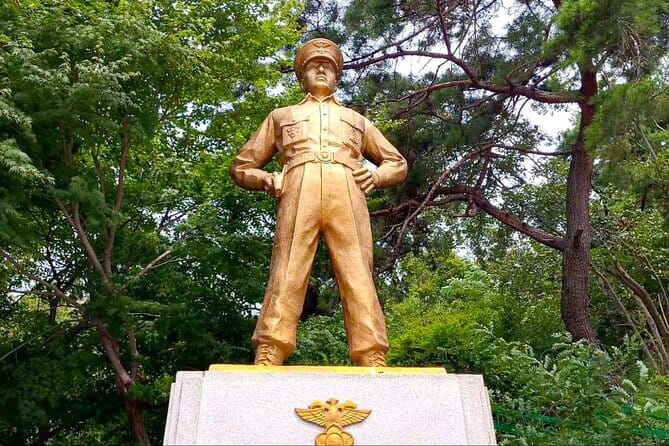
If your Seoul plans mostly cover palaces and big-name streets, Buam-dong will feel like a reset. This neighborhood sits on a hillside, so your route naturally alternates between quiet lanes, viewpoints, and historical structures. You get the sense that Seoul’s story isn’t only in museums—it’s also in the way buildings are arranged on slopes.
The tour also keeps a balanced mix of “human” details (memorials, literature, poet history) and “big” landmarks (the City Wall area). That combination is what makes this walk more than just scenic: you’re learning as you go, without the day turning into a lecture.
You can also read our reviews of more walking tours in Seoul


Getting there from your meeting point (and the short bus ride up)
The tour meets at 시민약국 (Citim Pharmacy) at 106-3 Jeokseon-dong, Jongno District, Seoul. It starts at 2:00 pm, and the activity ends back at the meeting point, so you’re not stuck figuring out a return route at the end of a long walk.
One practical touch: you take a 10-minute bus ride to Buam-dong right away. It’s short, but it helps you get into the neighborhood without burning your legs before the “real walking” begins. As you ride, your guide sets the scene with history and context for why Buam-dong matters.
If you like starting late afternoon-style tours, this timing works well. You’ll still get daylight for viewpoints, and you won’t feel like you’re rushing through the last stop while everyone else is fighting crowds.
Cheongun Literature Library: Seoul’s first Hanok library stop
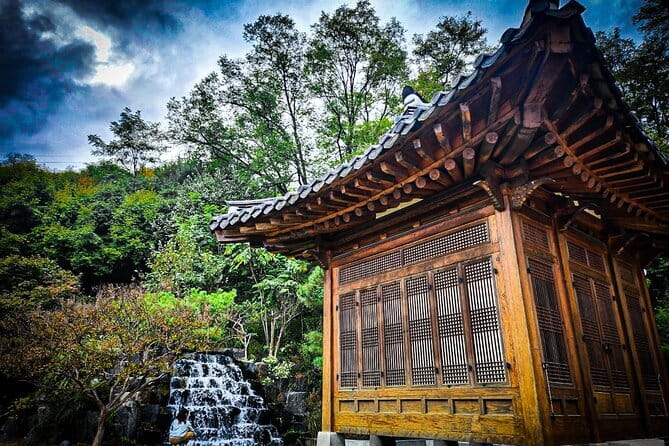
A favorite moment on this tour is the Cheongun Literature Library, also known as the Cheongun Literature Library inside a hanok setting. The big point here isn’t just that it’s pretty (though it is). It’s that this place is framed as Seoul’s first Hanok library, which makes it feel like an intentional cultural project rather than a random photo spot.
You’ll spend about 20 minutes here, with time to take in the quiet architecture and absorb the atmosphere of artistic Seoul. The way this stop is paced matters. You’re not being herded quickly through a room. Instead, it gives your legs a small reset and gives your brain a moment to catch up.
Wear shoes you can stand in comfortably. Hanok spaces are often charming but not always designed for long, uneven standing, so treat this like a “slow down” break and you’ll enjoy it more.
Seoul City Wall and Changuimun Gate (Jahamun Gate): defense made visible
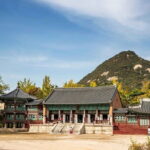
Then you step into the spine of old Seoul: the Seoul City Wall area and Changuimun Gate, which you may also hear called Jahamun Gate. This is where the tour shifts from literature and art vibes into fortifications you can actually connect to real geography.
You’ll spend around 15 minutes at this landmark segment. The guide focuses on how these structures helped defend the city and why they’re part of Seoul’s heritage. Even in a short time, the value is high because you can see how walls and gates shape movement—where people could enter, where they’d be monitored, and how the landscape supports the defenses.
If you’re the type who likes history you can point to, this section will land. You’re not learning abstract dates; you’re standing where strategy would have been obvious.
Buam-dong’s poet and memorial moments: Choi Gyu-sik and Yoon Dong-ju
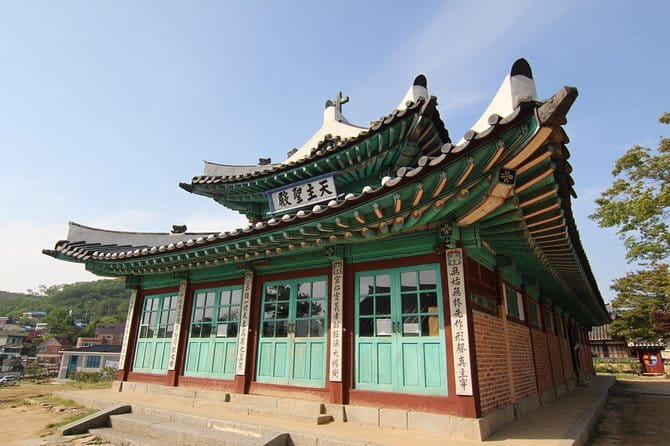
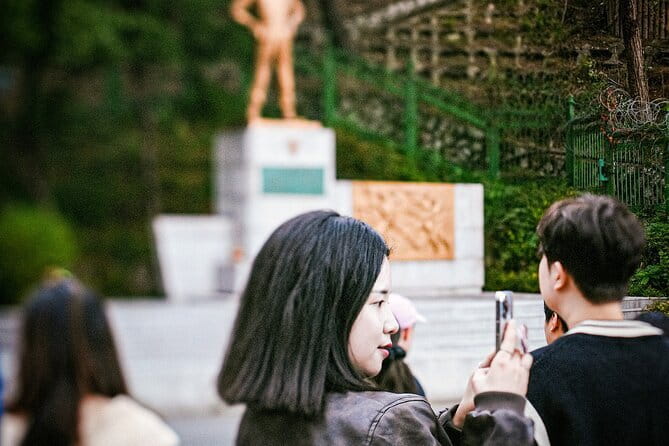
Buam-dong has a strong literary thread, and you’ll see that in stops connected to Korean writers and remembrance. The tour includes the Choi Gyu-sik Memorial Statue and explores the Hill of Poet Yoon Dong-ju.
What makes these stops more than name-checking is that they connect to the hillside setting. When you’re in an elevated neighborhood, poet history stops feeling “like homework.” Instead, it feels like the landscape is part of the story—views and reflection go together here.
You’ll also get mountain views that matter to your understanding of Seoul’s topography. The route is designed so you see Bugaksan, Inwangsan, and Bukhansan from viewpoints along the way. That helps you grasp why older Seoul built and defended the way it did: the land itself is a map.
You can also read our reviews of more historical tours in Seoul



Cold War history in a quiet neighborhood
One of the more interesting choices in this tour is the way it includes Cold War history in a neighborhood-walk format. That’s a tricky subject to cover on your feet, but the benefit is you get it without losing the rest of the day.
Instead of trying to cram everything into a museum visit, you’re hearing historical context that helps explain why certain places and structures exist where they do. It also makes Buam-dong feel layered. You’re not only walking a pretty hillside—you’re walking through decades of Seoul’s changing identity.
If you’re wary of political history on tours, don’t worry: you’re not stuck in a long, intense lesson. It’s woven into the route as you move between art, literary places, and landmarks.
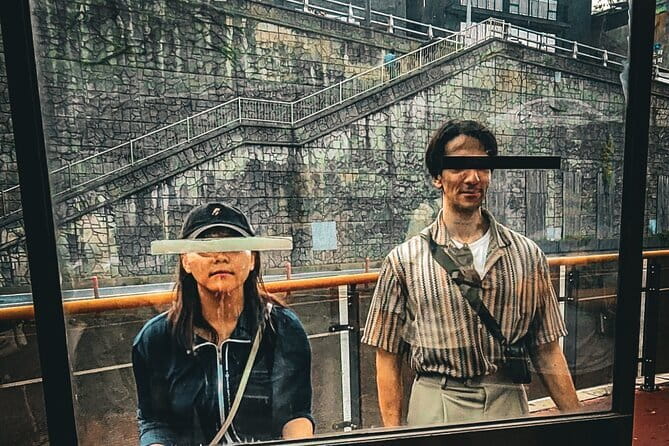
The Parasite filming location stop: film geography you can walk

Yes, there’s a Parasite filming location stop on this tour, and it’s a smart inclusion. The reason works for practical travelers is simple: once you’ve walked a location, you stop thinking of it as a distant screen image and start recognizing how streets, slopes, and buildings create the mood.
This doesn’t replace serious sightseeing. It adds one extra connection layer, especially if you’ve seen the film and want to understand how real Seoul translates into cinema.
I like that this kind of stop doesn’t feel gimmicky. It’s placed among history and architecture, so it supports your understanding of place rather than becoming the only reason you’re there.
Mugyewon: a hanok cultural space to finish your walk
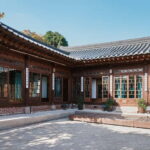
You finish at Mugyewon, a traditional Korean house that once served as the villa of Grand Prince Anpyeong. This ending matters because it closes the loop: you started the tour with hillside context and landmarks, and you end in a hanok setting tied to royal-era life.
You’ll spend about 20 minutes here, with time to experience the hanok cultural space in a calm, respectful way. For me, the best finishes are ones that let you cool down and absorb the day’s visuals without more trekking right after.
If you’re doing other late-day plans after the tour, Mugyewon is a good point to transition. You’ll leave with a stronger sense of how hanoks function as lived spaces and cultural sites, not just Instagram backdrops.
Price and value: $38.50 for 2.5 hours
The price is $38.50 per person, and for a Seoul walking tour that’s often a fair deal—especially because it includes key elements that cost time and energy if you plan them on your own.
Here’s what you’re getting for the money:
- A route that’s built around multiple meaningful stops across Buam-dong
- Expert guidance that connects the dots (history, art, and the Cold War context)
- Admission tickets are listed as free for the stops on the schedule
- A small group size, capped at 15 travelers, which generally means better pacing and more room to ask questions
Add it up and you’re paying for planning and interpretation. On your own, you could technically walk between some landmarks, but you’d lose the structured story thread that makes each place feel purposeful.
Also, since the tour uses a mobile ticket and is near public transportation, it’s not overly complicated logistics-wise. That matters when you’re stacking multiple activities in one day.
Who this tour is best for
This tour is a good fit if you:
- Want a hillside, less-touristy Seoul experience without going full DIY
- Like art, literature, and memorials alongside larger history stops
- Enjoy mountain views and want them as part of the route, not just a quick lookout
- Want a guide who can explain Korean history in a way that keeps things moving (Jon’s style is specifically noted as both nice and funny)
It may not be ideal if:
- You strongly dislike walking or hills and aren’t comfortable with moderate fitness demands
- You want a strictly fast, minimal-walking plan (this is a steady, guided stroll)
Small group pacing: why max 15 changes the experience
With a maximum of 15 travelers, the tour stays manageable. That sounds like a bland detail, but it affects real things: you can hear explanations, you’re less likely to get separated, and stops feel less like a rush.
It also helps at viewpoint and landmark segments, where space can get tight. Instead of a big line, you get a more human flow around the City Wall area and gate access points.
If you’re someone who likes to ask follow-up questions—about history, architecture, or what you’re seeing—this group size makes that easier.
Practical tips before you go
Bring comfortable walking shoes. This is a hillside neighborhood with natural unevenness. Also consider light layers; afternoons can shift temperatures, especially when you’re moving between shaded lanes and open viewpoints.
Plan your day so you’re not arriving stressed. Since the tour starts at 2:00 pm and ends back at the meeting point, it’s easiest if you schedule your next stop with a buffer for walking back or grabbing a snack afterward.
If you care about photo stops, you’ll be tempted to shoot constantly. Try to alternate: take a few photos, then give yourself a minute to actually listen to what the guide is saying. That’s how the film location and history stops end up sticking in your memory.
Should you book Buam-dong: art, history, and Parasite?
I’d book it if you want a Seoul day that feels less like a checklist and more like a story you can walk through. The combination of Cheongun Literature Library, the Seoul City Wall/Changuimun Gate area, viewpoints tied to poet history, and a Parasite filming location is a smart mix of culture and fun.
If you’re sensitive to hills or long walking, consider your fitness level first. Otherwise, this is a strong value option at $38.50, especially because the group stays small and the guide experience is clearly a key part of what makes it enjoyable.
FAQ
How long is the Buam-dong walking tour?
It runs about 2 hours 30 minutes.
What does the tour cost?
The price is $38.50 per person.
What time does the tour start?
The start time is 2:00 pm.
Where does the tour start?
It starts at 시민약국 (106-3 Jeokseon-dong, Jongno District, Seoul).
How long is the bus ride at the beginning?
You’ll take a 10-minute bus ride to Buam-dong.
Is the group size large?
The tour has a maximum of 15 travelers.
Are admissions included for the stops?
Admission tickets are listed as free for the stops on the schedule.
Is the tour near public transportation?
Yes, it’s near public transportation.
Can I bring a service animal?
Service animals are allowed.
Is free cancellation available?
Yes. You can cancel up to 24 hours in advance for a full refund.