REVIEW · SEOUL
Seoul: Perfume-Making Workshop in a Hanok
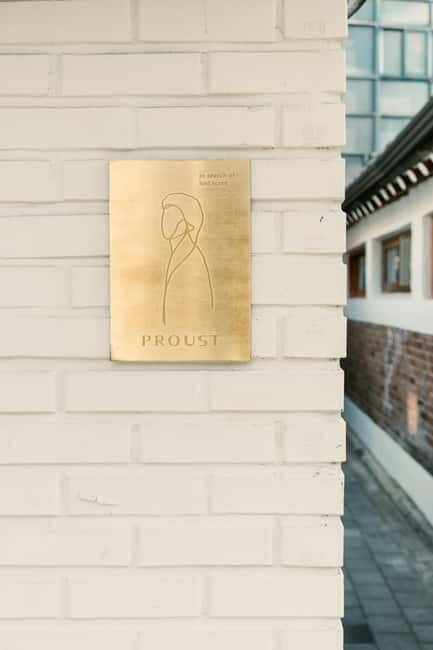
Book on GetYourGuide →Operated by PROUST · Bookable on GetYourGuide
A quiet scent workshop inside a Seoul hanok. In 90 minutes, you blend from over 500 materials to craft a custom fragrance, then leave with a 50ml bottle you can actually wear. It also sits near the busy energy of Daehakro, so you get calm craft time without getting stuck far from the action.
What I like most is the setting and the pace: a peaceful hanok environment paired with patient, step-by-step instruction. You also get real creative control, not just sampling—your final blend is adjusted with care so it matches what you’re aiming for, then packed into a take-home bottle.
One thing to consider: this workshop is tucked into an alley. If you rely on basic maps, you may lose time—one practical tip from past participants is to use Naver for directions or ask a taxi driver to help find it.
In This Review
- Key highlights at a glance
- Entering a Hanok Perfume Workshop Near Daehakro
- The 90-minute flow: from scent clues to a bottled result
- The smell menu: 500+ materials and seven fragrance types
- Mixing like a perfumer: core material and twice-checked balance
- Your instructor’s role: English support and real-world experience
- What you actually take home: a wearable 50ml bottle
- Price and value: why $49 often makes sense here
- Where this fits in your Seoul plan (and when it might not)
- Practical tips: how to find the alley shop and be ready to choose
- Should you book this Hanok perfume workshop?
- FAQ
- How long is the perfume-making workshop?
- What do I get to take home?
- How many fragrance materials can I choose from?
- Is the class taught in English?
- Where do I meet for the workshop?
- Do I need any prior perfume knowledge?
- Can I cancel for a full refund?
- Is the workshop wheelchair accessible?
Key highlights at a glance
- 500+ fragrance materials to compare and test against your scent goals
- A serene hanok near Daehakro, so it feels like a break from Seoul
- A guided process to choose your core material and build your balance
- Your instructor helps you narrow choices with a questionnaire and matching advice
- You adjust the blend twice before the final perfume is bottled
- You take home a 50ml bottle of your own creation
Entering a Hanok Perfume Workshop Near Daehakro
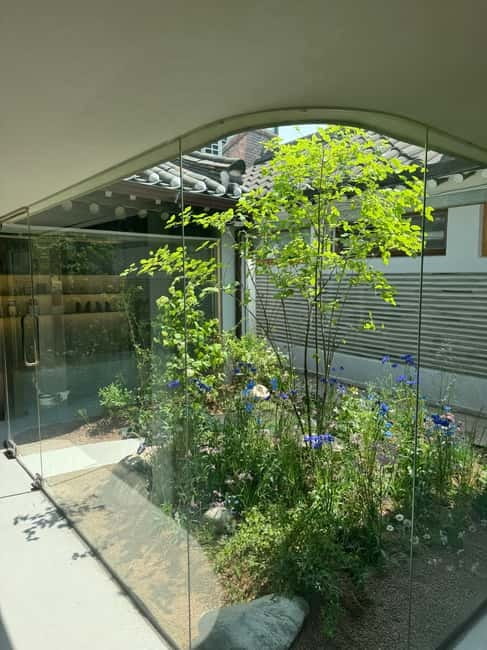
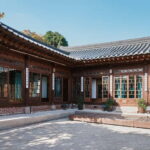
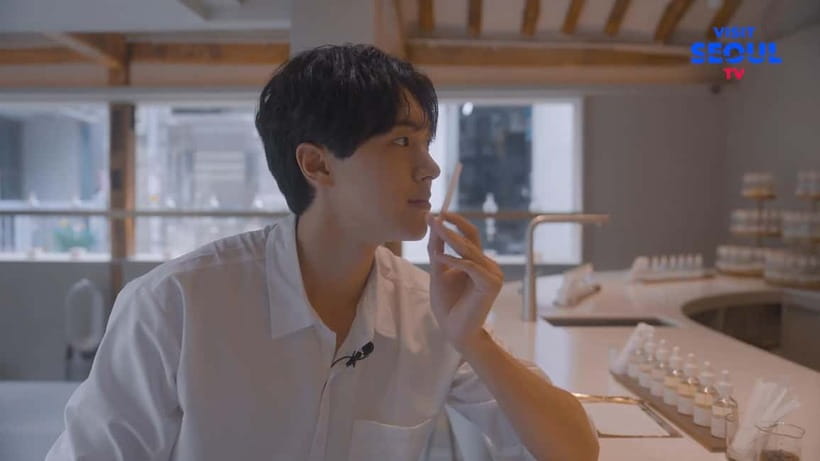
This experience is built around a contrast: Seoul outside is lively, but inside you’re in a traditional hanok space where scent feels slow and deliberate. That matters more than it sounds. When you’re surrounded by quiet wood textures and a calm room, you can actually smell instead of rushing your way through it.
The location also makes it easy to pair with the rest of your day. Daehakro is a handy area for food and evening plans, and this workshop gives you a creative pause without forcing a long detour. You’re not going out to a remote studio for a standalone activity. You’re getting an indoor craft class that still fits into real Seoul sightseeing rhythms.
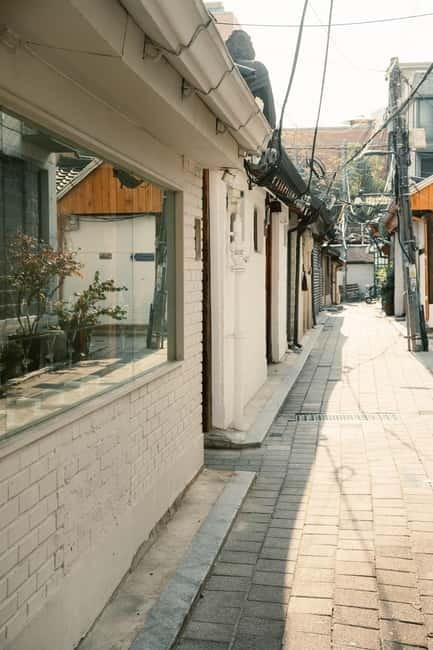
Meeting point tip: you’re looking for the first shop in the alley inside the tuna restaurant called Eunhaenggol. It’s specific, which is great—just take a moment to double-check you’re entering the right alley and not wandering behind neighboring storefronts.
You can also read our reviews of more tours and experiences in Seoul

The 90-minute flow: from scent clues to a bottled result
The workshop runs for 90 minutes, and the structure is designed to keep you moving while still letting you think. You start by telling the instructor what you normally like and what kind of mood you want your perfume to become. From there, you work in stages rather than “spray and hope.”
Here’s the rhythm you should expect:
First, you fill out a short questionnaire about the fragrances you usually wear and the type of scent you want to create. This is your starting map. If you know you like fresh citrus or soft florals, you can guide the search quickly. If you don’t know yet, the questionnaire still helps you describe what you want to feel.
Next, you explore your options using a comparative approach. You match a “perfume keyword” idea to ingredients from 500 kinds of fragrance materials. Instead of random sniffing, you’re testing how specific materials align with the scent direction you set.
Then you move into selecting a direction among the seven representative fragrance types. This step is what turns a vague preference into a concrete blending plan.
After that comes the core decision: you select a core material. Think of this as the backbone of your perfume—the scent that anchors everything else.
Finally, you blend your ingredients, and you refine the balance with two rounds of adjustment before the final perfume is ready. That extra balancing step is one reason people leave feeling the scent truly matches their choices, not just their first guesses.
When the blending is done, you bottle the result into your own 50ml perfume. The whole point is that you walk out holding something personal, not just a memory.
The smell menu: 500+ materials and seven fragrance types
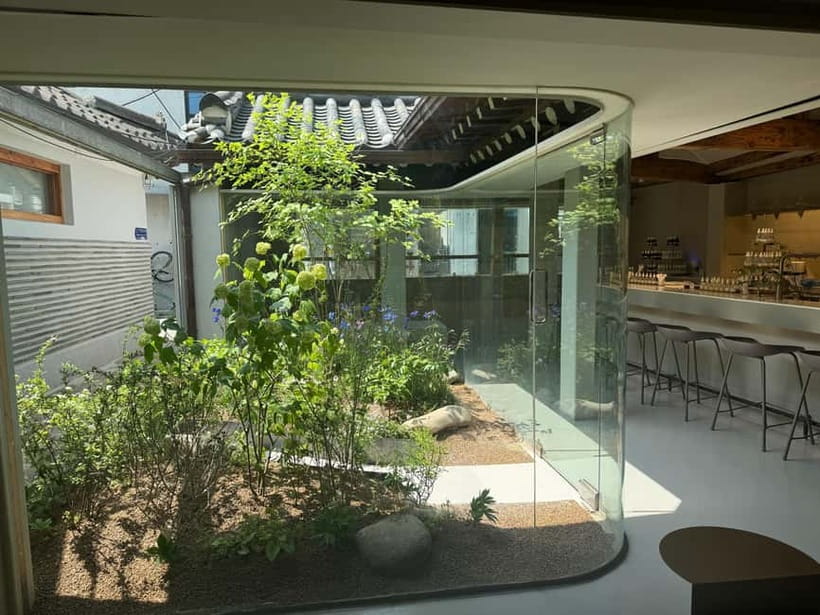
The ingredient library is the headline: over 500 fragrance materials, including options tied to niche-perfume style ingredients and natural scent directions. That’s a big deal for value, because it changes the class from “make one thing with a few choices” into “learn how perfumery decisions are made.”
You’re not just choosing which scents you like. You’re learning how perfumers compare materials and build relationships between ingredients. If you’ve ever bought perfume and wondered why two scents with similar labels can smell totally different on your skin, this workshop helps you see the mechanism.
The seven representative fragrance types also help you avoid a common problem: getting overwhelmed. When you have hundreds of materials, decision paralysis is real. These types act like categories for your nose. You can pick a general direction, then narrow by ingredient fit instead of trying to engineer everything from scratch.
And because the process is guided by an expert, you don’t have to decode perfume jargon. You can describe what you want in normal language, then the instructor helps translate it into what to smell, what to test, and what to balance.
Mixing like a perfumer: core material and twice-checked balance
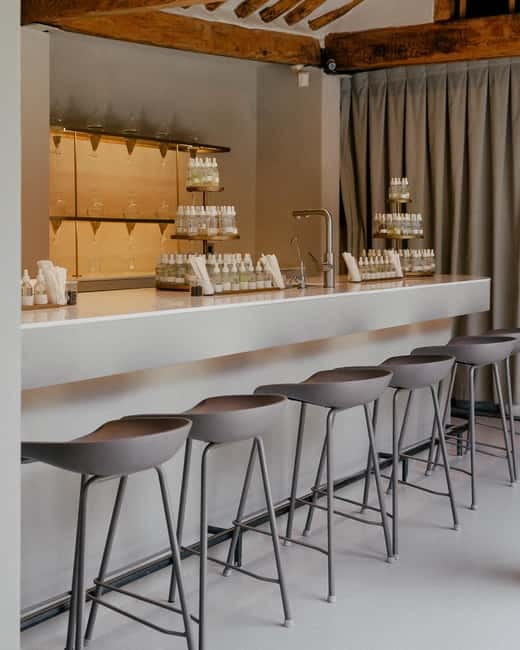
This is where the workshop feels more “hands-on craft” than “DIY activity.” You select a core material, then blend additional ingredients around it. That structure matters because perfume doesn’t work like a simple recipe where everything is equal. A perfume has an order and a feel—one part leads, one part supports, and one part lingers.
The class includes balance tuning twice for the final blend. That might sound technical, but you’ll feel it in the end result: the perfume you bottle is closer to what you intended at the start, even if you changed your mind mid-way.
A practical mindset shift helps here. If you go in expecting your first idea to be perfect, you’ll probably get frustrated by the many possibilities. But if you approach it like a series of experiments—taste direction, adjust, refine—you’ll have more fun and make a scent you genuinely want to wear.
You also get help when you get stuck. Past participants described moments of feeling overwhelmed by the number of scents, and the instructors step in with comparisons and pairing advice so you can keep moving without second-guessing every choice.
Your instructor’s role: English support and real-world experience
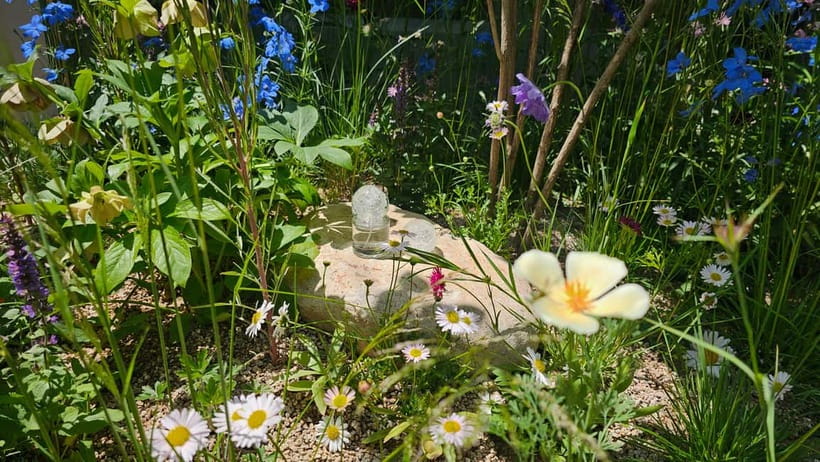
Language support is included: instruction is available in English and Korean. That’s important because perfume-making isn’t just picking scents; it’s making decisions based on scent chemistry, family types, and how ingredients interact. If the instructor can explain clearly in your language, you’ll spend more time learning and less time guessing.
This experience is operated by experts with professional backgrounds, including work connected to brands such as Hanwha Life, Coffee Bean, Bodyfriend, and Chosun Hotel. In plain terms: you’re not learning from someone who only follows a script. You’re learning from people who’ve built fragrances for real brands, and that shows in the way they guide your choices.
You’ll also see different instructor styles depending on who’s leading your session. Some past sessions were guided by people like Helen, Dongyeon, and Yunvin. Even with different personalities, the consistent theme is patient direction—slow enough to get you confident, and precise enough that your final blend feels intentional.
If you’re the type who likes to ask questions while doing, this format rewards you. You can compare options, ask whether two scent directions work together, and get feedback on balance. It turns the workshop into a conversation, not a one-way class.




What you actually take home: a wearable 50ml bottle
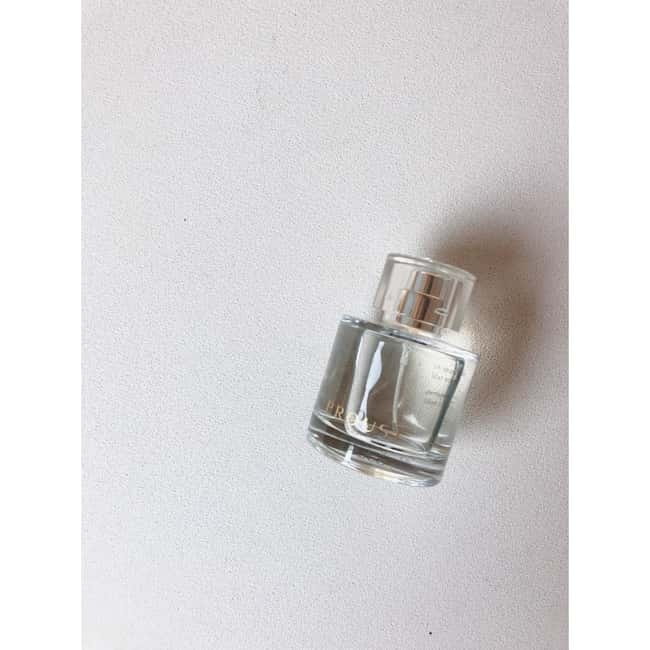
Let’s talk about value, because $49 can either feel like a bargain or like a splurge depending on what you leave with. Here, you’re paying for a full, guided blending session plus a take-home bottle: 50ml of your own finished perfume.
That’s the key: most classes give you a tiny sample or a finished product you didn’t really shape. This one gives you an actual bottle big enough to use, test on skin, and wear beyond the first day. If you’re hoping for a Korean-made personalized souvenir, this is one of the better options because it’s not just a photo moment.
There’s also a practical advantage to the way the workshop is built. The class can store your blend info so you can reorder later. The data point wasn’t presented as a formal “subscription,” but the key takeaway is that they help you recreate the scent you made if you want more.
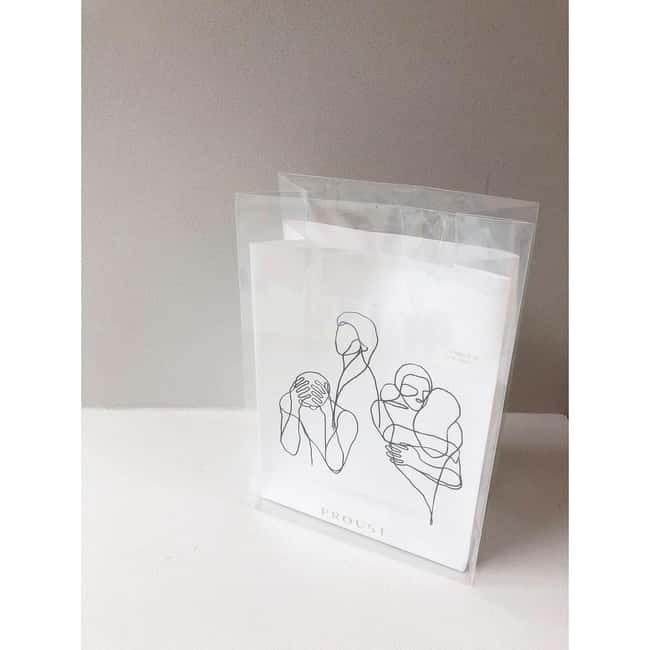
Packaging is also part of the experience. Past participants mentioned cute packaging and a box, which matters if you’re gifting your bottle or you want it to feel special when it leaves the workshop with you.
Price and value: why $49 often makes sense here
At $49 per person for 90 minutes, you’re paying for three things at once:
1) Access to a large ingredient library (500+ materials)
2) Professional guidance through multiple decision points (core material, blend, balance adjustments)
3) A meaningful take-home volume (50ml)
If you’ve ever bought perfume at retail, you know you’re often paying for brand overhead and marketing first, fragrance second. Here, you’re paying for the expertise and the process. That’s why the value tends to be strong for people who like smell-based crafts, DIY hobbies, or personal gifts.
Is it the cheapest thing you can do in Seoul? No. But it’s also not the kind of activity where you’re done the moment you leave the shop. If you’ll wear the scent, this becomes a purchase that doubles as a fun afternoon.
Where this fits in your Seoul plan (and when it might not)
This is a great choice if you want a relaxing, creative activity that doesn’t require planning around museum hours or complex transport. The calm hanok setting makes it a nice reset day—especially if your Seoul schedule already includes lots of walking and loud streets.
It also works well for couples or friends who like making decisions together. You’ll be comparing scents and discussing what fits, and that shared “try this, does this work?” energy can be part of the fun. If you’re going solo, you’ll still be guided step by step, but you might find you move faster if you already know the kinds of perfumes you like (or you’re okay with taking extra time deciding).
Timing-wise, look for a slot that gives you breathing room afterward. You’ll likely want a little time to reset your brain and enjoy the scent you just created before heading back into the city.
Practical tips: how to find the alley shop and be ready to choose
The workshop is easy once you know the entry point, but the first visit can be tricky. Use the exact meeting point: first shop in the alley inside Eunhaenggol. If your phone struggles with the alley layout, use Naver for directions; one useful real-world tip is that Naver often helps people get there when other map apps don’t.
Also, come prepared for decision time. With 500+ materials, you might feel tempted to pick everything quickly and end up with a blend that doesn’t reflect your taste. Instead, give yourself permission to slow down. The workshop is designed for you to take your time, and the instructor can help when too many options start to blur together.
Finally, think about where you want to wear this perfume. If you know you want something everyday-friendly, say so early. If you want a scent that feels like a special date or an event, tell the instructor that too. Your final blend will feel more coherent when you set a purpose.
Should you book this Hanok perfume workshop?
Book it if you want a hands-on Seoul experience that ends with a wearable 50ml bottle you created. It’s especially worth it if you like scents, personal gifts, or you want a calmer activity near a lively area like Daehakro.
Consider skipping it if you hate lots of choices and you want a very structured, fast experience with minimal decision-making. The ingredients menu is huge, and even with guidance, you’ll still be choosing and refining your blend.
If you’re excited by the idea of building a scent from ingredients—core material, balance, and all—and you like the charm of doing it in a real hanok setting, this is the kind of class that turns into a story you’ll remember every time you open the bottle.
FAQ
How long is the perfume-making workshop?
The workshop lasts 90 minutes.
What do I get to take home?
You take home a finished perfume in a 50ml bottle.
How many fragrance materials can I choose from?
You can explore over 500 fragrance materials.
Is the class taught in English?
Yes. Instruction is available in English and Korean.
Where do I meet for the workshop?
The meeting point is the first shop in the alley inside the tuna restaurant called Eunhaenggol.
Do I need any prior perfume knowledge?
No. The experience includes guided steps, including a questionnaire to help steer you toward your scent type and ingredients.
Can I cancel for a full refund?
Yes. You can cancel up to 24 hours in advance for a full refund.
Is the workshop wheelchair accessible?
Yes, the experience is listed as wheelchair accessible.