REVIEW · SEOUL
Korean Cooking Class with Grocery Shopping at Seoul Local Market
Book on Viator →Operated by Seoul Foodventure · Bookable on Viator
If you like food with a backstory, this class is for you. The Korean Cooking Class with Grocery Shopping at a Seoul local market turns a morning errand into a hands-on meal, starting at Mangwon Market and ending with a cozy cooking session. You’ll shop for the right ingredients, then learn how to make three Korean staples: bulgogi, gyeran-jjim, and kimbap.
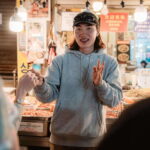
I especially love the human touch here. Phoebe (Sunghyun) leads the experience with patient teaching and real talk about Korean food and everyday life, not just recipes on a page. I also like that you’re capped at a small group size (maximum 8), which makes it feel practical and personal while you’re cooking.
One drawback to plan around: this runs on a tight schedule. If you’re more than 10 minutes late, you might miss part of the market tour, so build in buffer time.
In This Review
- Quick Key Points Before You Go
- Mangwon Market: Your Grocery Run, Made Worth It
- What You Cook: Bulgogi, Gyeran-jjim, and Kimbap
- Bulgogi
- Gyeran-jjim
- Kimbap
- Your Host and the Cooking Style That Helps You Succeed
- The Coziness Factor: Cooking in a Studio Near Mangwon Station
- How the 3 Hours Actually Play Out
- Price and Value: Is $91.91 Worth It?
- Who This Class Fits Best (and Who Might Want Something Else)
- Tips to Make Your Morning Smoother
- Should You Book This Korean Cooking Class?
- FAQ
- How long is the Korean Cooking Class with Grocery Shopping?
- Where does the class start?
- What time does it start?
- What dishes will I learn to cook?
- Is this class for beginners?
- How large are the groups?
- Is the venue near public transportation?
- What if I have dietary restrictions?
- Can I bring a service animal?
- What is the cancellation policy?
Quick Key Points Before You Go
- Mangwon Market shopping for fresh ingredients you can actually recognize and buy
- Hands-on cooking of bulgogi, gyeran-jjim, and kimbap, designed for beginners
- Phoebe (Sunghyun) as host with lots of explanation and easy conversation
- Small group (up to 8) so you get attention while you cook
- A cosy studio near Mangwon Station that makes the cooking part comfortable and efficient
- Leftover-kimbap picnic idea by the Han River if you want a local-feeling finish
Mangwon Market: Your Grocery Run, Made Worth It
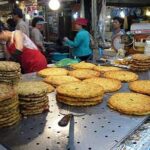
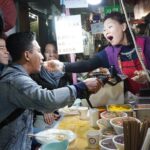
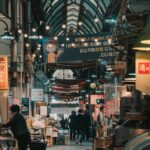
This isn’t a food tour where you snack and speed-walk past stalls. The point is to shop like a local, then carry what you picked straight into your meal. You start at Mangwon Market, a long-running market in Seoul with over 40 years of history, and that matters because you’re seeing how people actually run their daily food errands.
I like that the host’s approach is tied to real routines. The class is led by a Korean MZ ajumma (in Gen Z style) who shops there regularly, so the shopping tips feel grounded. You’re not just collecting ingredients; you’re learning how to think like a Korean home cook choosing what looks good and works in the dishes you’re making.
Also, the market walk is timed. You’re not wandering for hours, which keeps the whole experience from turning into a blur. The goal is to get you back to cooking with enough energy to learn technique, not just to browse.
You can also read our reviews of more shopping tours in Seoul
What You Cook: Bulgogi, Gyeran-jjim, and Kimbap
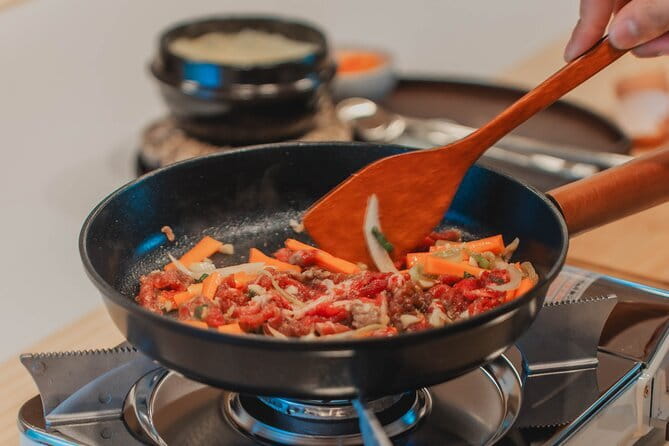
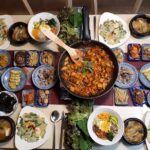
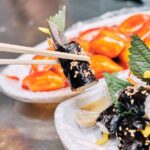
You’ll cook three dishes that cover a nice range of Korean flavors and techniques. That mix is smart, because it gives you at least one grilled or pan-cooked savory dish, one egg-based comfort dish, and one portable rice roll you can reuse later.
Bulgogi
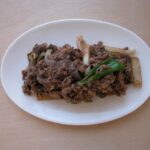
Bulgogi is the marinated beef classic most people associate with Korean cooking. Learning it in class is valuable because the marinade logic is often where home cooks win or lose the dish. In a market-to-kitchen setting, you also understand why certain cuts and prep choices matter.
Gyeran-jjim
Gyeran-jjim is steamed egg, and it’s a great dish for beginners because it rewards careful attention. Steamed egg teaches you how Korean cooking handles texture and seasoning in a dish that feels simple. When you can make this at home, you’ll have a low-stress side dish or comfort food ready for busy nights.
Kimbap
Kimbap is the one you’ll likely crave repeating after class. It’s not just “roll some stuff,” either—kimbap is about balance: rice, fillings, and roll technique that keeps things tidy. You’ll leave with enough confidence to make it again later, which is a practical win if you’re trying to cook at home rather than just collect photos.
And here’s a fun extra: if you have leftovers, there’s a suggested local-style finish. Grab your leftover kimbap and head to the nearby Han River for a sunny picnic vibe on a mat, like many people do on a free afternoon. It turns the class into a longer memory, not just an isolated food stop.
You can also read our reviews of more tours and experiences in Seoul
Your Host and the Cooking Style That Helps You Succeed
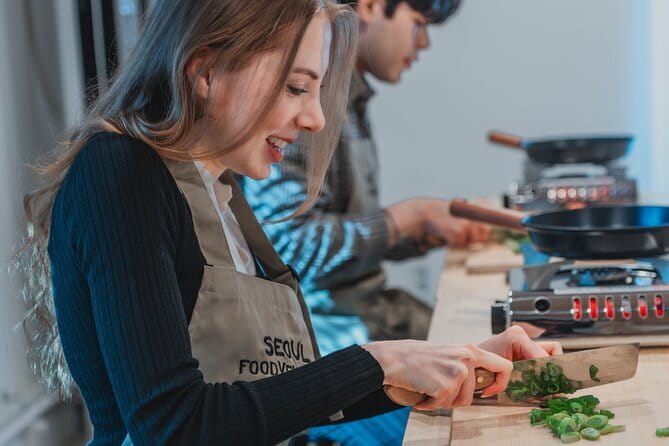
Phoebe (Sunghyun) is at the center of the experience, and that’s a big deal. The teaching style described is patient, step-by-step, and tuned to what beginners need when they feel nervous about cooking in a new country. That matters because Korean home cooking can seem intimidating if you only ever see it in restaurants.
Another thing I like: the conversation angle. You’re encouraged to chat about Korean food and culture, which helps the recipes make sense. When you understand the why behind a dish, you’re more likely to replicate it later without needing a translator and a recipe screen.
If you’re the kind of person who learns best by doing, this set-up works well. You’re shopping, prepping, and cooking in one stretch, so ingredients and instructions connect in your brain immediately.
The Coziness Factor: Cooking in a Studio Near Mangwon Station
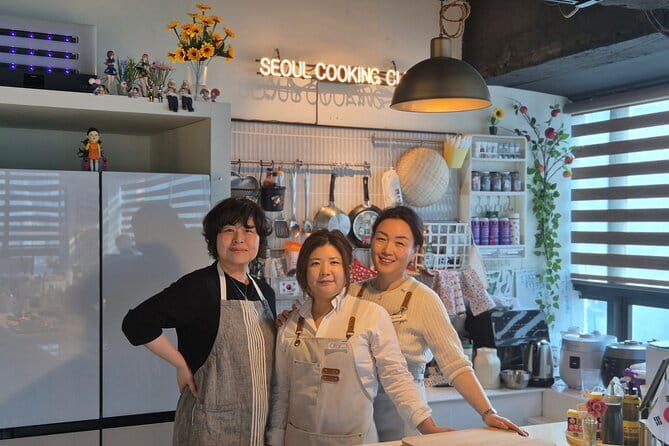
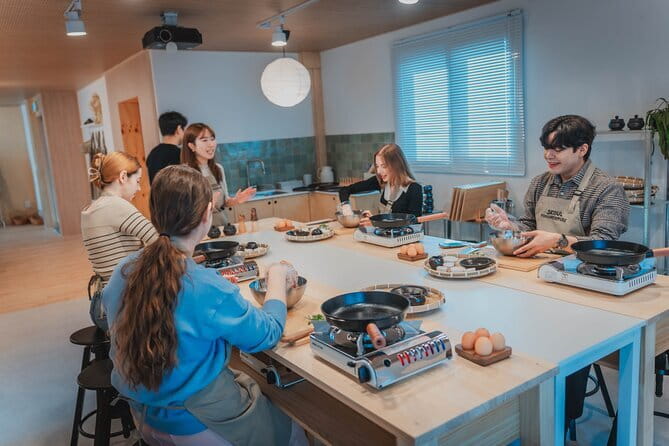
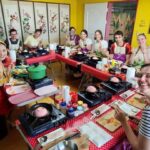
The cooking happens in a cozy studio that’s convenient to Mangwon Station. That sounds minor, but it affects your whole mood. After a market walk, you want a kitchen that feels welcoming and not like a rushed classroom.
The studio format also supports the small group size. With a max of 8 people, you’re less likely to feel stuck waiting for someone else’s station to free up. It’s the kind of setup where questions actually get answered, even if you’re shy about speaking up.
Practical note: the class is designed for everyone from complete beginners to people with some cooking experience. If you’re a beginner, that’s a relief. If you’re more advanced, you still benefit from the shopping-first approach and the focus on core technique.
How the 3 Hours Actually Play Out
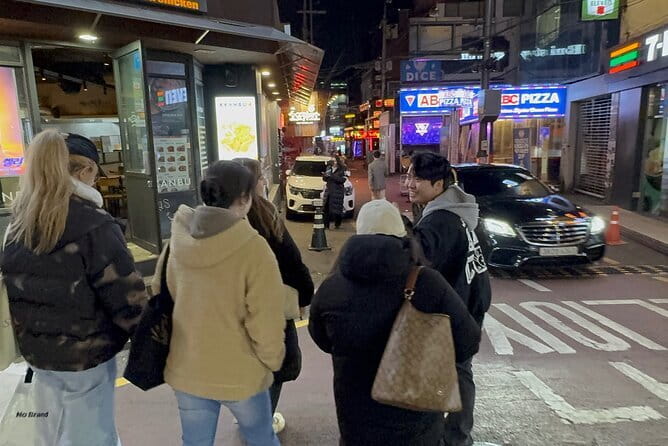
You should plan for about 3 hours total. The flow is simple: market first, then studio cooking, then you leave with your meal and recipes you can realistically repeat.
Start time is 10:30 am, and the activity ends back at the starting point. That makes planning the rest of your day easier, especially if you’ve got other Seoul sights on your schedule.
The market-to-kitchen timing is also practical. You’re not doing the cooking hours after a long break, which means your ingredients are still fresh and your energy is still there.
One schedule warning is worth taking seriously. Arrive on time because if you’re more than 10 minutes late, you might miss the market portion. That doesn’t just affect the fun; it affects the ingredient shopping that drives the cooking.
Price and Value: Is $91.91 Worth It?
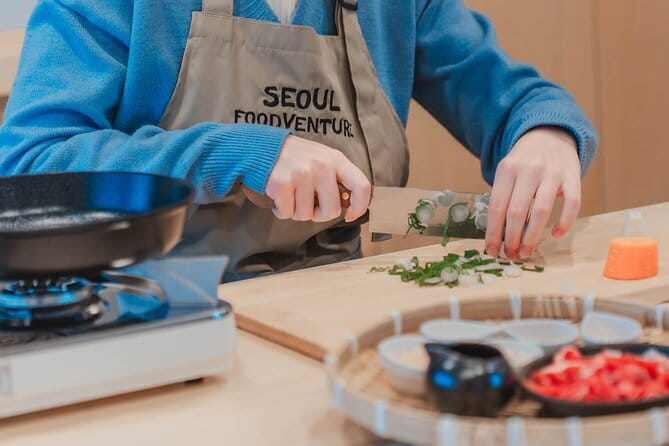
At $91.91 per person for roughly 3 hours, this class isn’t the cheapest activity in Seoul. But it’s also not a “pay for a guided walk” situation. You’re paying for ingredients you shop for, hands-on instruction, and a complete meal format with three dishes.
For value, I look at three things: how much you do, how many people you’re with, and how transferable the skills are. Here, you do a lot: shopping plus prep plus cooking. You’re in a small group (max 8), so the experience stays hands-on. And you learn dishes you can cook again at home: bulgogi, steamed egg, and kimbap.
If you want an experience that feels more like Korean daily life than a sightseeing circuit, this price starts to make sense quickly. You’re not just watching food culture; you’re practicing it.
One more detail: the average booking window is about 21 days in advance. That’s a clue it can fill up, so if your dates are set, it’s smart to reserve early rather than gamble on last-minute availability.
Who This Class Fits Best (and Who Might Want Something Else)
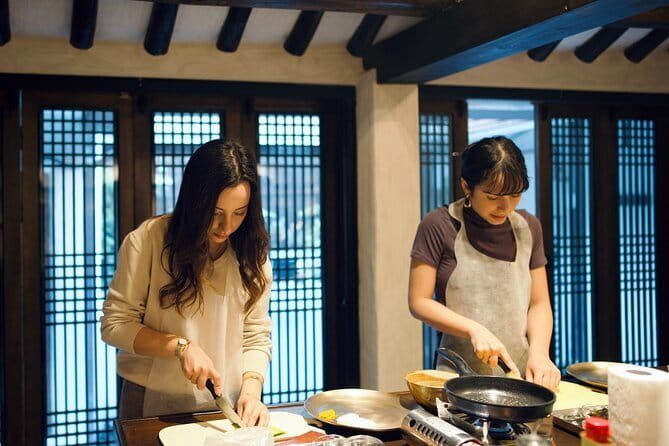
This is a great fit if you:
- want a less crowded activity than typical big group tours
- enjoy learning cooking techniques, not just eating
- like market culture and want to shop like someone who lives nearby
- travel with a curious mindset and don’t mind being slightly hands-on
It may feel less ideal if you’re tightly scheduled and can’t tolerate a strict start time. The 10-minute lateness window can be tough if your day has multiple moving parts.
Tips to Make Your Morning Smoother
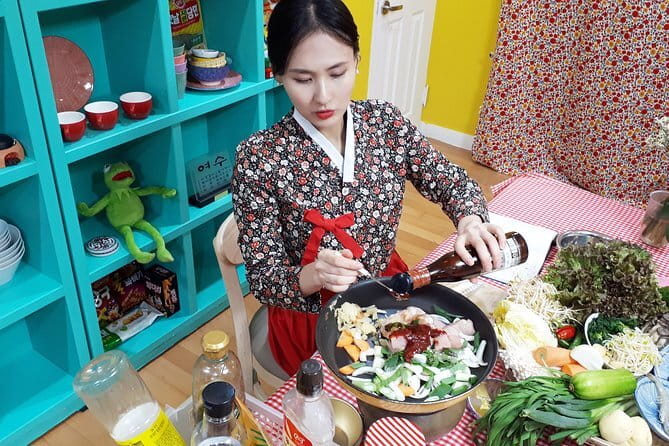
A few practical moves can make a big difference.
First, treat your market stop like a mission. You’ll get better results when you’re ready to choose ingredients and ask questions rather than just browse.
Second, come hungry. You’re going to cook and eat, and the pace is set up so you stay engaged instead of waiting out time.
Third, think ahead about leftovers. If kimbap is part of your plan, the suggested Han River picnic is a fun way to stretch the experience beyond the kitchen. Even if you don’t picnic, leftovers can still be an easy win for your next meal.
Finally, if you have dietary restrictions, tell the provider in advance. The class asks for that up front, and it’s the best way to make sure you get an experience that works for you.
Should You Book This Korean Cooking Class?
I’d book it if you want Seoul food culture with real-world context. The market-to-kitchen format is the star here. You shop with a local rhythm, then learn three core dishes you can reproduce at home, with teaching that’s described as patient and supportive.
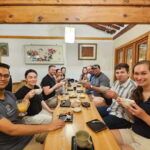
Book it if you also like small-group energy. With a maximum of 8 people, it’s easier to ask questions and stay involved while you cook, which is where the value really shows.
Don’t book it if you need super flexible timing or you hate strict schedules. The class expects you to show up on time, or you may miss part of the market component.
If your goal is an authentic, practical day that combines shopping, cooking, and Korean home food skills, this one fits.
FAQ
How long is the Korean Cooking Class with Grocery Shopping?
It runs for about 3 hours.
Where does the class start?
The meeting point is Seoul Foodventure, 377-4 4층, Mangwon-dong, Mapo-gu, Seoul. The activity ends back at the same meeting point.
What time does it start?
The start time is 10:30 am.
What dishes will I learn to cook?
You’ll prepare bulgogi (marinated beef), gyeran-jjim (steamed egg), and kimbap.
Is this class for beginners?
Yes. It welcomes everyone, including complete beginners.
How large are the groups?
The class has a maximum of 8 travelers.
Is the venue near public transportation?
Yes. It’s near public transportation, and the studio is described as being close to Mangwon Station.
What if I have dietary restrictions?
Let the provider know in advance so they can plan for your needs.
Can I bring a service animal?
Service animals are allowed.
What is the cancellation policy?
You can cancel up to 24 hours in advance for a full refund. Cancellation within 24 hours isn’t refunded.